1Password has introduced a new browser integration that allows Anthropic's Claude to use your saved login credentials to perform tasks online, without the passwords ever being exposed to the AI itself. This 'zero-exposure architecture' ensures that when Claude needs to sign in, 1Password prompts the user with the appropriate credential without sharing the password with the AI model.


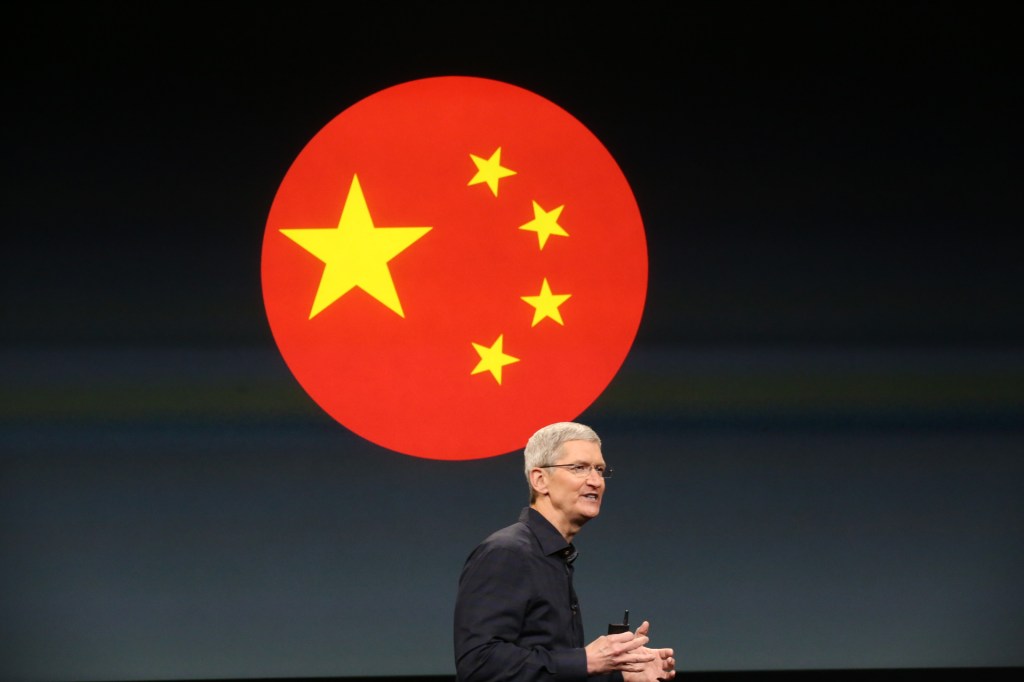
Apple has officially secured approval to launch its AI technology in China, partnering with major local firms Alibaba and Baidu. This development, anticipated since last year, represents a significant milestone for Apple's expansion in the Chinese artificial intelligence market.
Andrew Dai, who spent over a decade contributing to pioneering AI research that helped shape technologies like ChatGPT, shares his insights on why visual AI is poised to be a transformative force in the field of artificial intelligence. He discusses how his background informed the strategy behind raising $300 million in funding before even launching a product.


Prime Minister Anthony Albanese has announced plans to fast-track approval processes for AI initiatives, including datacentres, across Australia. This move aims to enhance investor confidence and uphold community trust in the swiftly evolving AI technology landscape. Albanese also revealed the establishment of a dedicated AI office within his department. This new office will uniquely integrate economic, social, national security, and environmental aspects of AI under one national framework, making Australia a global pioneer in comprehensive AI governance.


1Password has launched AI Spend and Consumption Management, a new feature within its SaaS Manager platform designed to give IT and finance teams real-time insights into AI service usage and spending from providers like Anthropic, Cursor, and OpenAI. This move expands 1Password's portfolio beyond password management into enterprise AI cost control, addressing the unpredictable and consumption-based pricing models of AI, which traditional software budgets struggle to handle. The tool consolidates token-level data across vendors, offers budget controls, and breaks down usage by team, user, and model, aiming to prevent unexpected spikes in AI spending caused by agentic workflows. This new capability reflects growing demand as enterprises face rapid growth in AI token consumption, with forecasts predicting a 24-fold increase by 2030. 1Password integrates this feature with its established identity security and SaaS governance foundation, ensuring visibility into who is spending and whether the expenditure delivers value. The launch is timely, as AI costs become a significant concern in enterprise budgets, echoing past challenges seen with cloud infrastructure costs. Currently available in public preview, the product will gain broader availability in fall 2026.


In an unprecedented move, New York has become the first state to impose a moratorium on hyperscale data center construction. Governor Kathy Hochul is expected to sign an executive order stopping new permits for data centers that use 50 megawatts or more of power. These hyperscale centers, often associated with tech giants like Amazon, Google, and Meta, have recently expanded rapidly to support AI infrastructure. The moratorium, effective immediately and lasting up to a year, aims to provide time for the development of a Generic Environmental Impact Statement (GEIS) to set uniform environmental standards for future projects. This action reflects concerns about the strain on resources, rising utility costs, and community pushback tied to these large-scale developments. The pause also coincides with recent legislation proposing stricter controls and renewable energy goals for data centers. Political debates continue as Governor Hochul weighs the bill amid an upcoming election, with opposition voices questioning the statewide moratorium’s impact on job growth and investment.

Traditionally, revamping a factory involved costly shutdowns and uncertain outcomes. PepsiCo transformed this approach by employing a precision laser scanner to create a highly accurate 3D digital twin of its manufacturing facility. This virtual model enabled the company to simulate production processes, spot bottlenecks, and experiment with new layouts without disrupting actual operations. Athina Kanioura, PepsiCo’s CEO for Latin America and global chief strategy officer, highlights the goal of optimizing every aspect of the environment—from hardware to human flow—by running millions of simulations to perfect the design. The rise of artificial intelligence has propelled digital twins into powerful tools that mirror and predict real-world manufacturing environments, reducing costly errors and increasing agility. PepsiCo’s pilot programs in the U.S. have already delivered significant gains in production capacity and throughput. A recent partnership with Siemens and Nvidia is allowing the company to scale this technology globally, integrating it into everyday workflows. Beyond driving efficiency, digital twins support PepsiCo’s response to evolving consumer purchasing habits, like smaller, customized online orders, helping the company stay flexible and consumer-focused. Ashin Parikh, senior VP of strategy and transformation, emphasizes the importance of continuously adapting via digital innovation to stay ahead in a rapidly changing industry landscape.

Microsoft’s total carbon emissions surged by 25% in 2025, as revealed in its latest sustainability report, driven largely by expanding AI data centers. Experts warn emissions will continue rising because Microsoft still relies heavily on fossil fuels to power these centers. The increase was mainly attributed to both the growth of AI infrastructure and a temporary pause in using certain renewable energy certificates. Although Microsoft aims to be carbon negative by 2030, its upcoming gas power plant projects—totaling 4.75 gigawatts—are expected to more than double emissions, releasing over 15 million metric tons of CO2 annually. Critics argue the current sustainability report downplays these projected emissions and highlight Microsoft’s new fossil fuel deal with Chevron, which undermines its green goals. Despite acknowledging the challenge that AI infrastructure poses to its climate commitments, Microsoft maintains that AI can aid sustainability efforts and continues to seek ways to increase carbon-free electricity and support clean energy expansion. Other tech giants like Google and Amazon are also facing rising emissions linked to AI infrastructure growth, indicating a broader industry trend.

JPMorgan Chase CEO Jamie Dimon recently confirmed that the bank has cut 30% to 40% of jobs in specific departments as a result of AI-driven efficiency gains. While Dimon had previously minimized the impact of AI on workforce reductions, he now acknowledges these changes, emphasizing that many affected employees have been reassigned within the company. The bank is also focusing on retraining staff to adapt to evolving roles. Despite productivity improvements from AI, JPMorgan’s CFO noted that increased token-related costs are expected later in the year. This shift reflects a broader industry reassessment of AI’s role in reshaping jobs, with other tech leaders and companies similarly navigating these changes.


Companies are integrating more AI tools than ever, yet many face persistent challenges and unmet expectations.