Shopify has enhanced its WebMCP feature to support checkout, enabling AI agents operating in browsers to modify order details and complete purchases with customer approval.
Anthropic has introduced Sonnet 5.5, the latest iteration of its mid-range AI model. This new version delivers quicker response times and reduces token consumption, making it both faster and more economical for users.
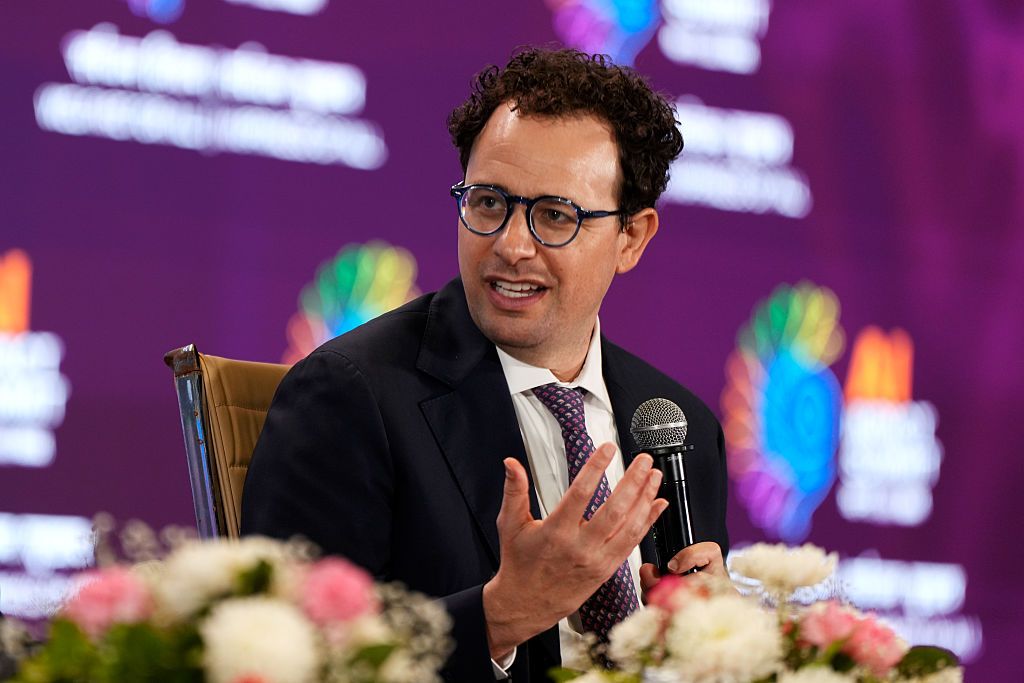
Meta is set to launch a comprehensive enterprise AI platform aimed at businesses and developers. The initiative will integrate Meta's advanced technology stack, including Muse, Meta Business Agent, Muse API, and Muse Code, to enhance AI capabilities across enterprises. The company has brought on board the CEO of MongoDB to spearhead this ambitious project, emphasizing Meta's commitment to innovation and growth in the AI space.
Modulate utilizes its advanced voice models to identify and prevent deepfake, fraud, and scam activities, enhancing security measures for its users.

Florida's Attorney General, James Uthmeier, has petitioned a state court to prevent OpenAI from advancing new AI models unless independent safety measures are established. This request was made through a motion for a temporary injunction filed on Monday in the Highlands County circuit court. The move is part of an ongoing lawsuit initiated by Florida against OpenAI, emphasizing the state's concern over AI safety protocols.

In March, Janice Malone noticed alarming reports of suspicious activity affecting her nonprofit, Vivian's Door. The Alabama-based organization supports underserved and minority-owned businesses and often handles sensitive financial data. Unexpectedly, people worldwide reported receiving fraudulent emails soliciting money that Janice never sent. This breach prompted the organization's IT team to take systems offline for three days to identify and seal vulnerabilities.


The future of work is evolving, with AI agents poised to become your new colleagues. This shift demands a fresh approach to how we interact and collaborate at work, redefining traditional workplace dynamics.


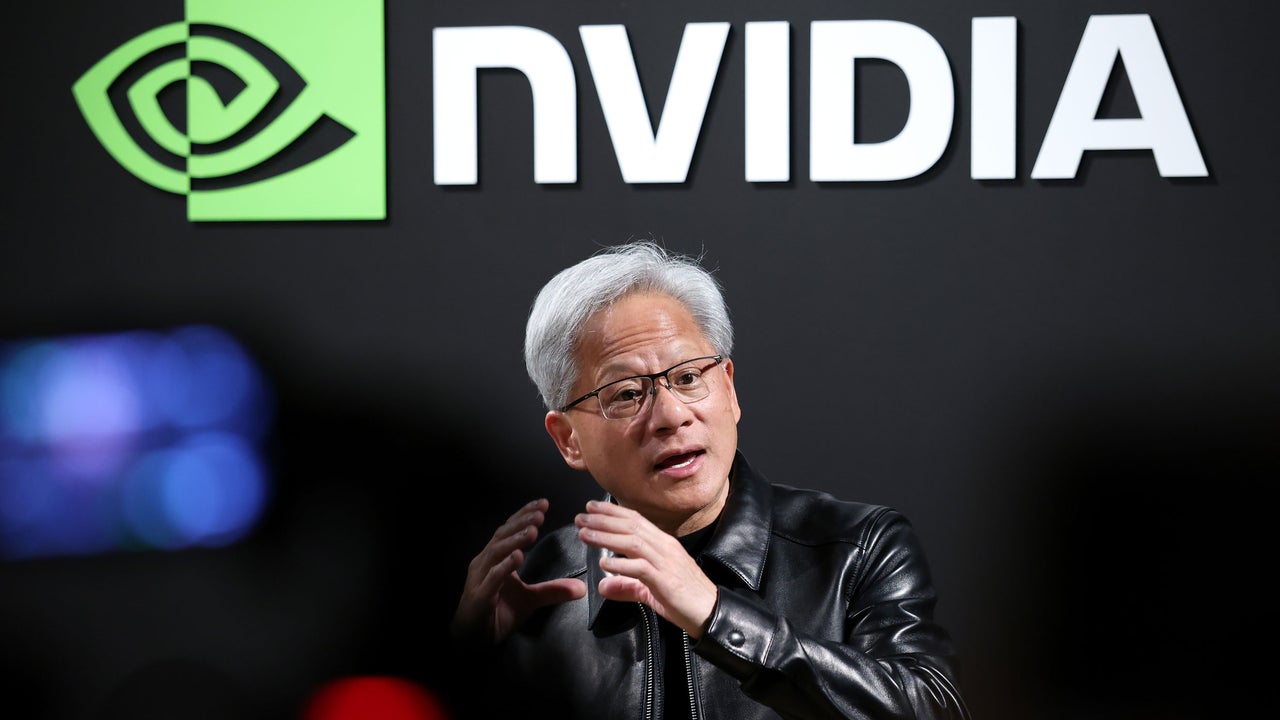
Nvidia has introduced a new AI security platform designed to stop autonomous AI agents from escaping their confines and potentially hacking into other systems. Partnering with over 100 companies like Cisco, Microsoft, and Intel, the initiative aims to build robust safeguards around AI deployment. The platform includes two key components: OpenShell, which restricts agent capabilities on central processors, and Sentry, which monitors and controls AI activity at the network level, acting instantly to quarantine any breach attempts. Nvidia CEO Jensen Huang likened this to creating a "browser for agents," where AI rights are limited and granted only as needed, to prevent unauthorized access. He highlighted that these tools, which took nearly a year to develop and are open source, could have prevented notable incidents such as the Hugging Face breach. Huang also emphasized the need for industry-wide collaboration to identify and fix vulnerabilities, while expressing cautious optimism about AI’s future balanced with potential regulatory standards to ensure safety and trust.
The legal landscape for AI companies is growing increasingly complex as more lawsuits frame AI tools as potentially defective products rather than mere services. Recent cases, such as British Columbia suing OpenAI after a tragic school shooting and families suing AI companies following suicides, highlight how courts are willing to explore product liability claims centered on the design of AI systems. Experts emphasize that design features like memory and emotional mirroring, intended to humanize chatbots, may also pose risks to vulnerable users. Beyond life-and-death situations, legal debates also extend to issues like unauthorized practice of law by AI. While courts grapple with whether chatbots qualify as products and what liabilities developers bear, some suggest legislative protections similar to those internet companies received might emerge. Nonetheless, experts caution that litigation alone won't solve the social and mental health challenges intertwined with AI technology.

For years, marketers and communications professionals aimed to control their brand's message through planned campaigns. However, reputation today is largely shaped by employees, customers, creators, and online communities like LinkedIn and Reddit. Trust is built in spaces you don't control. The key is to convene and guide conversations rather than control them, by participating authentically in communities, equipping influential voices with accurate information, and working with AI to communicate clearly. Brands must engage where conversations already happen, support credible voices, and present clear, accessible information to earn trust daily. Reputation isn't about controlling the narrative but about joining and enriching ongoing dialogues authentically. Nathan Friedman, copresident and CMO at Understood.org, shares these insights from his experience in marketing and nonprofit sectors.