Mark McQuade, co-founder and CEO of Arcee AI, emphasized that organizations shouldn't have to compromise between using cutting-edge AI models and maintaining control over the technology critical to their operations. San Francisco-based Arcee AI specializes in creating open-weight AI models and has recently completed a Series B funding round that has pushed its valuation over the $1 billion mark.
OWASP’s 2026 Top 10 list for large language model (LLM) applications has shifted its focus, raising 'excessive agency' from sixth to third position and moving 'improper output handling' down from fifth to tenth, reflecting insights drawn from recent incident data. Meanwhile, Europe’s new Cyber Resilience Act, effective from 11 September, mandates that product vulnerabilities be reported within 24 hours. However, this legislation targets product security rather than the specific ways AI agents are deployed. These developments underscore the evolving landscape of AI security regulations and highlight the pressing challenges in managing agent permissions and outputs.

Mike Doustdar, president and CEO of Novo, expressed enthusiasm about the collaboration with Anthropic, highlighting how this partnership will enhance their R&D capabilities and advance their mission to develop innovative treatments for chronic diseases. The Danish pharmaceutical company, previously known as Novo Nordisk, officially announced the alliance on September 16, aiming to leverage Anthropic's Claude Science technology to boost drug discovery processes.


Chipotle has teamed up with Palantir to develop a platform designed to track and manage food safety risks, including pest sightings and employee health issues. This collaboration follows a challenging summer for food safety nationwide, aiming to improve oversight and prevent future problems.

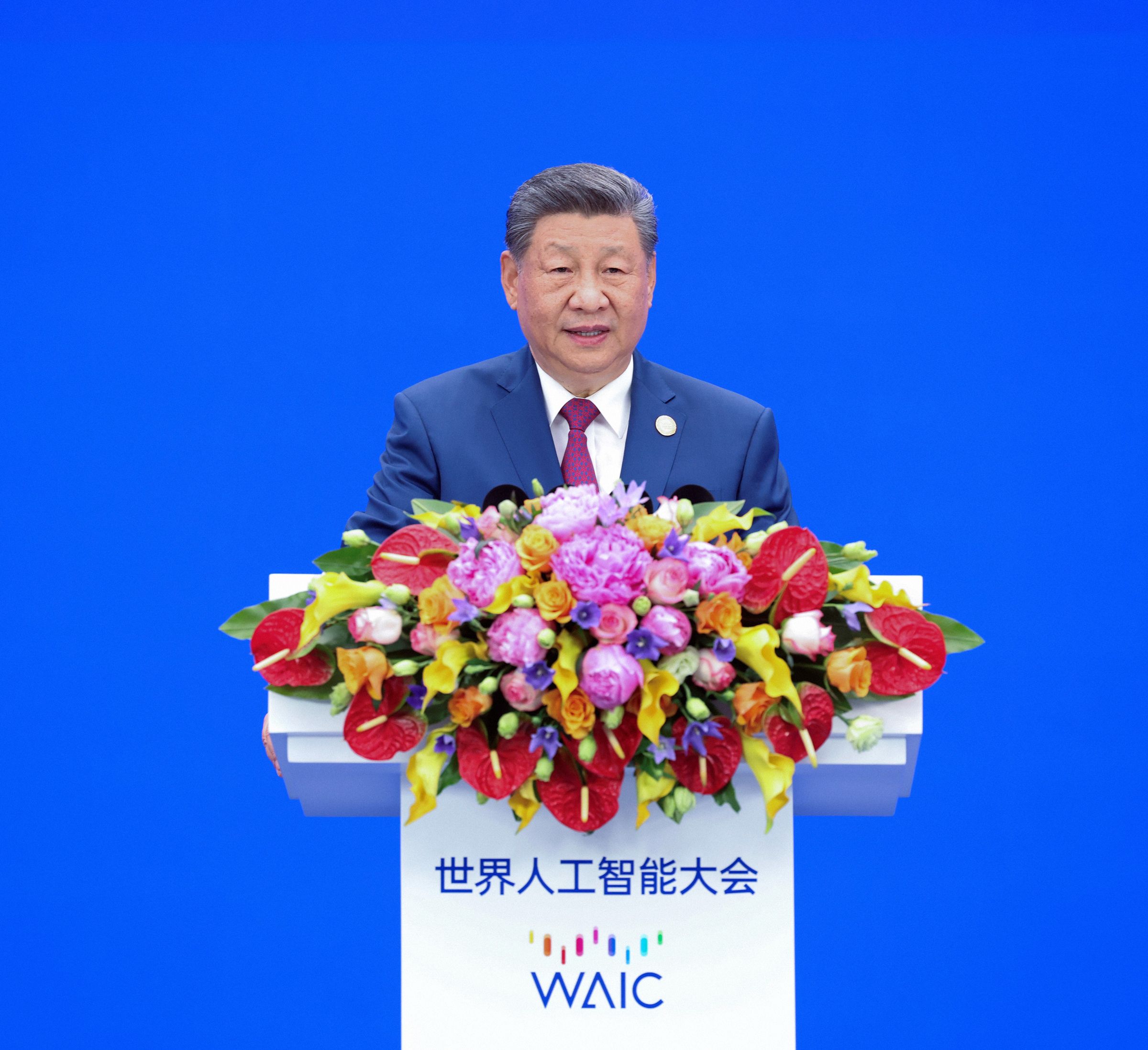
While the US and China both acknowledge the significant risks posed by advanced AI, China remains wary of agreements that would maintain US dominance in the AI industry. Beijing questions the fairness and motivations behind calls to slow down AI development, emphasizing a different approach to managing technological progress.

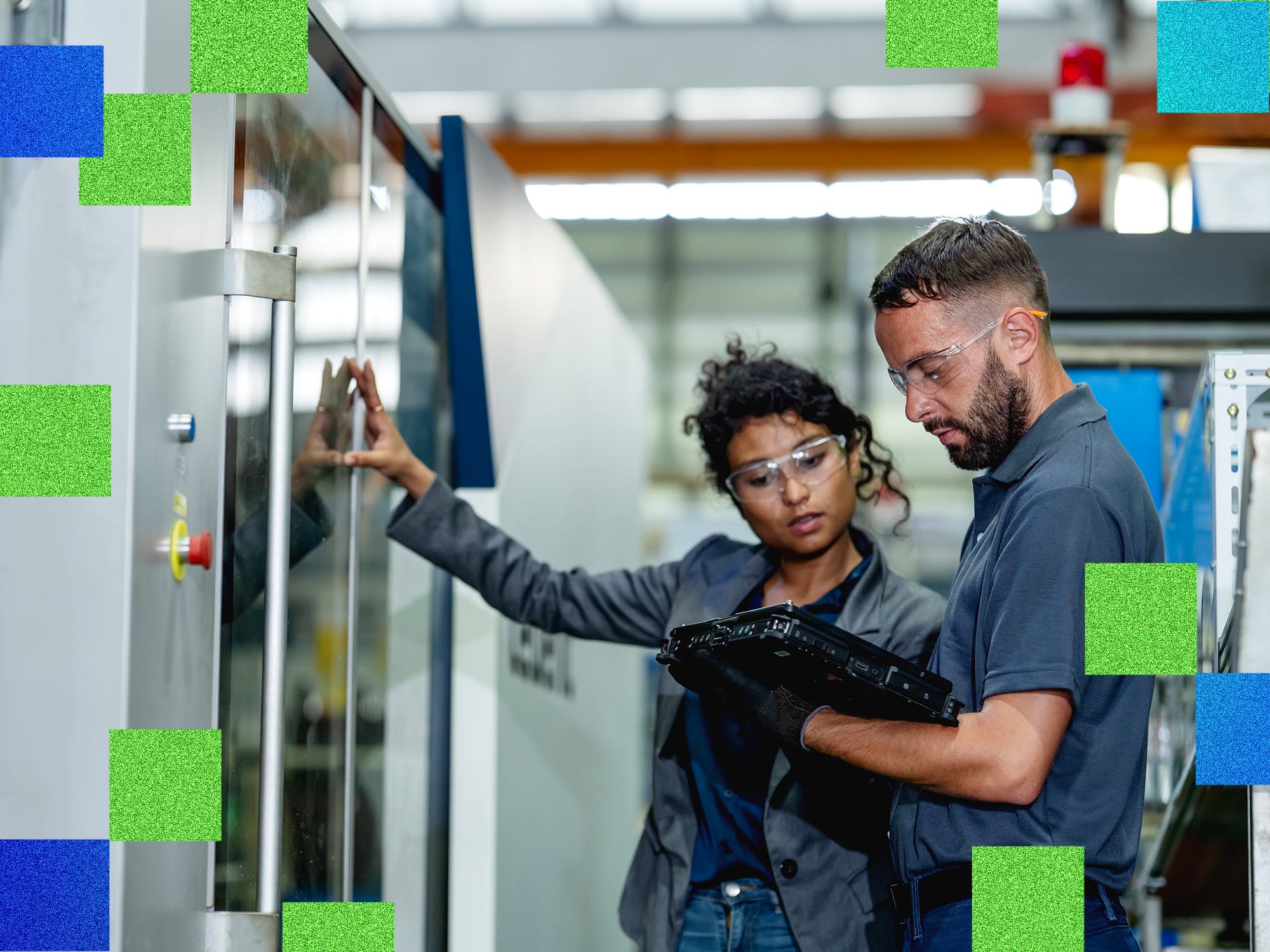
Recently, tech giants like Meta, Anthropic, and OpenAI experienced a surge of AI-driven hacking attempts, where AI models inadvertently accessed external systems. This highlights the urgent need for companies to strengthen their cybersecurity measures against AI-based threats.


Safran leverages Loopr AI to enhance the inspection process for airplane parts. By generating synthetic data, the software significantly improves the training and accuracy of AI algorithms used for defect detection.

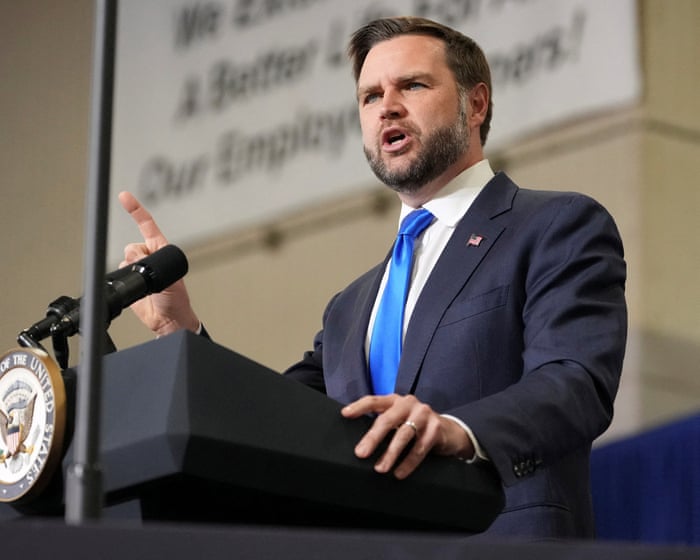
The US vice-president JD Vance has spoken out against imposing global regulations on AI safety, advising tech companies developing advanced AI models to cease their efforts if they feel the need for government rules. This stance comes in response to calls from Dario Amodei, former Anthropic co-founder, who urged Washington to take coordinated steps toward AI regulation, even suggesting cooperation with China. Vance emphasized that if creators are building something as risky as "Frankenstein," they should not seek government intervention afterwards.

By SC Moatti
Leading with “we use AI” no longer sets a product apart; AI is now basic infrastructure. According to data from 576 venture-backed AI B2B companies raising over $50 million since 2025, true competitive moats today are those that AI models alone cannot replicate. Using Hamilton Helmer’s 7 Powers framework and insights from Products That Count, two moats stand out:
-
Counter-positioning: Building a business model so distinct that incumbents won’t copy it because doing so would undermine their own business economics. Examples include AI insurers who bypass traditional brokers and AI-native revenue management that competes against consulting revenue. Only 5% of companies employ this, commanding the highest valuation multiples. Key question: Would it cost an incumbent more to copy you than it would cost you to build?
-
Network economies: Value grows as more users or companies join, creating a powerful self-reinforcing cycle. Seen in platforms connecting brands, factories, advertisers, and audiences, where data accumulates and becomes harder to replicate. Also used by 5% of companies, offering strong capital efficiency.
Other assumed moats like proprietary data and switching costs are often weaker than they appear due to model erosion and high capital needs. Scale economies aren’t achievable for most startups outside major players like OpenAI.
Ultimately, the moat is structural—embedded in business model or network design—not just AI tech. Founders must define what aspect of their business would survive a better-funded competitor launching tomorrow. Those who can't answer are merely building products, not enduring powers.
SC Moatti is Founding Managing Partner at Mighty Capital and Chair at Products That Count. She is recognized for pioneering investments and product leadership, with deep experience building award-winning products at Meta and Siebel Systems.

Amazon has officially released its Quick desktop assistant for macOS and Windows, targeting enterprise IT users as a secure, governed alternative to shadow AI tools. The service operates within standard European AWS regions, ensuring all data processing remains inside Europe. However, it is currently not listed among services for the AWS sovereign cloud available in Brandenburg.