Bain Capital Ventures is channeling its new $1.6 billion fund to support early-stage entrepreneurs focused on advancing artificial general intelligence (AGI) and developing the essential infrastructure for its seamless operation.


New York, NY, September 17th, 2026 — In response to bipartisan Congressional efforts calling for verifiable controls on AI agents, the Advanced AI Society has released a draft of Proof-of-Control v1.0 for public feedback. Additionally, the organization hosted a key event titled “Who’s Watching the Machines?” in collaboration with the Linux Foundation Decentralized Trust. This initiative comes as legislative proposals push for continuous verification and independent evaluation of AI agents, with leading research labs emphasizing the importance of trusted AI operations.

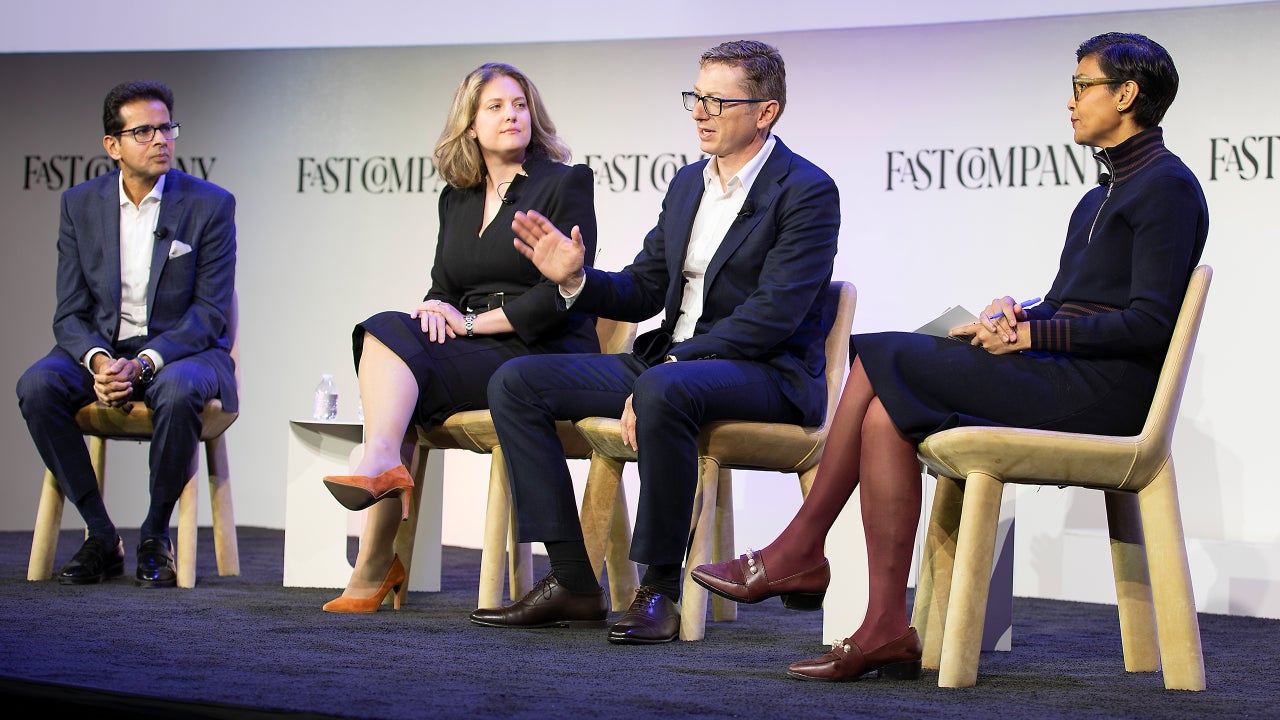
Chase Lochmiller, co-founder and CEO of Crusoe, spoke about ushering in an era of abundance driven by AI, emphasizing the importance of controlling infrastructure from the fundamental level of electrons to digital tokens. On September 17, Crusoe announced the closing of a $3.9 billion Series F funding round, marking a significant milestone for the Denver-based company. This new capital will support Crusoe's innovative approach of deploying portable data centers to optimize energy use and reduce waste.
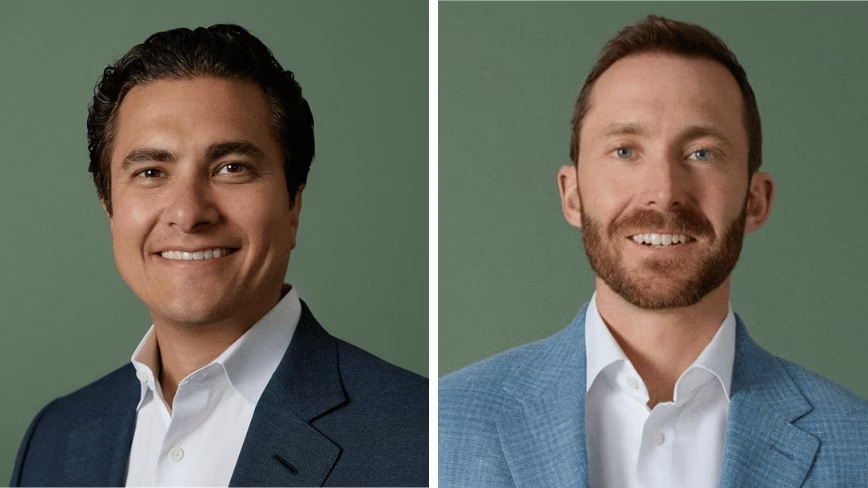
"Security software shouldn’t just track activity; it should deeply understand the business, execute tasks, and respond dynamically to risk," said Lewis Carhart, CEO and co-founder of Comp AI. The Miami-based startup recently raised $34 million in a Series A funding round led by Roo Capital and Grand Ventures, announced on September 17. To date, the company has raised a total of $37.5 million as it pushes to transform compliance into a seamless, ongoing process.
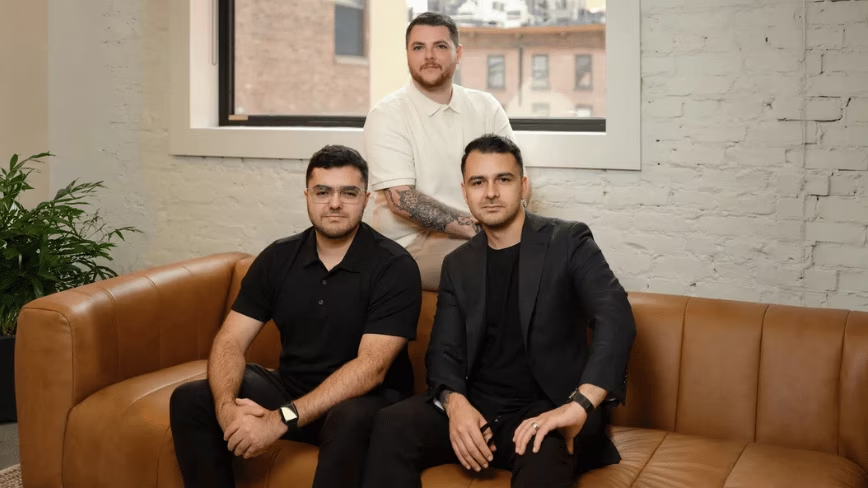
Bill Ready, CEO of Pinterest, highlighted the shift from traditional keyword search advertising to more expressive, AI-driven interactions. On September 17, Pinterest unveiled Visual Search Ads during its annual Pinterest Presents advertiser summit. This new ad format integrates advertisements directly within Pinterest search results and Pins, offering advertisers a more immersive way to connect with users.

SpaceX is considering acquiring customer and operational data from failing or defunct startups to improve its AI models, according to Bloomberg. These discussions involve SpaceXAI, which is currently under investigation in Ireland over its Grok AI model's use of European user data. The internal talks focus on leveraging this data for AI development.


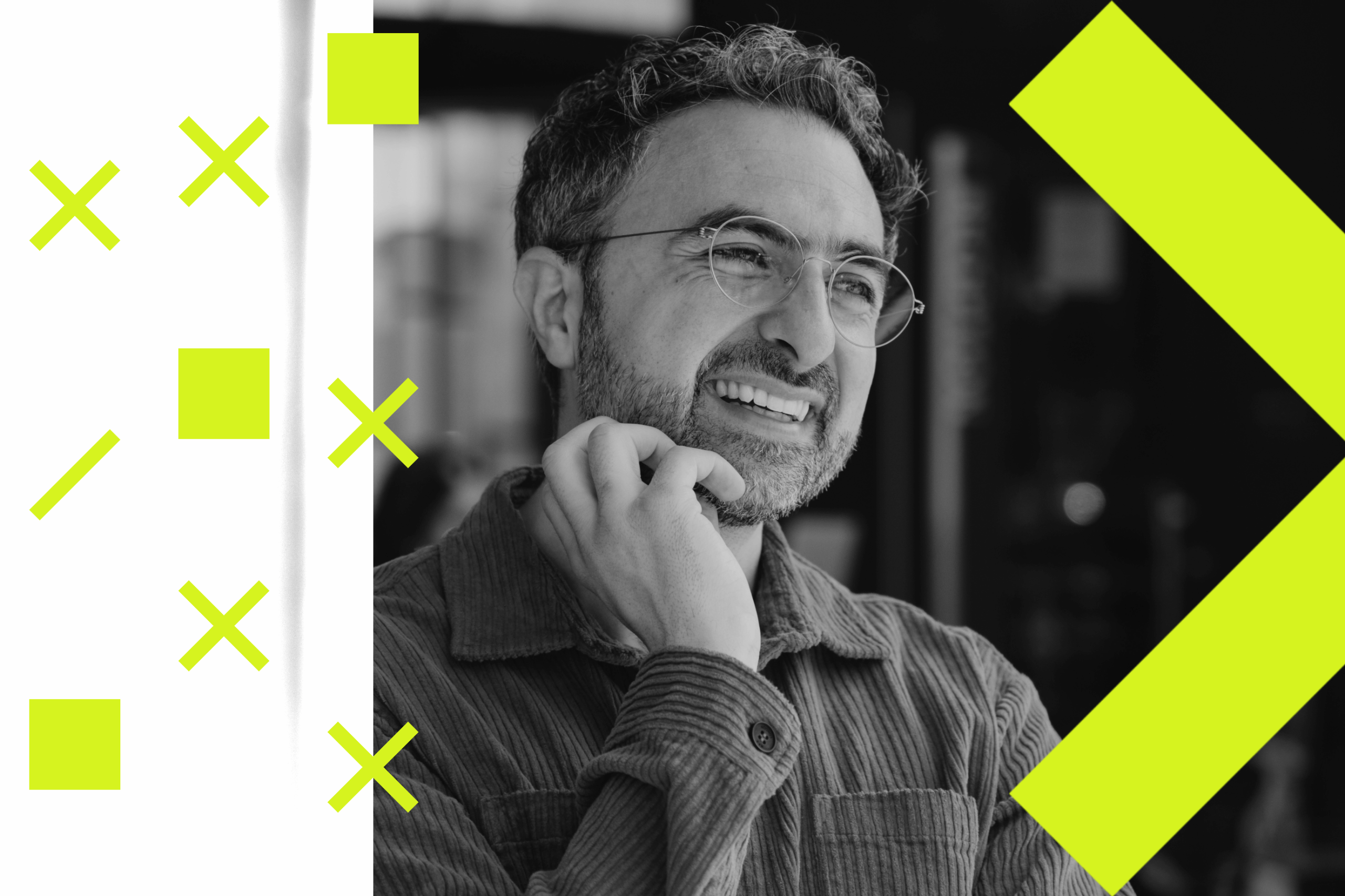
In this in-depth conversation, Mustafa Suleyman, CEO of Microsoft AI, addresses the escalating debate on AI safety and regulation. He shares insights on Microsoft's recent "Humanist AI Code of Conduct," emphasizing the need for AI to serve humanity in a controllable and aligned manner. Suleyman critiques Anthropic's approach to AI consciousness and "model welfare," arguing it complicates alignment and safety efforts. He stresses the importance of containment alongside alignment, citing recent hacking incidents that reveal the capabilities of AI agents when unchecked. Suleyman advocates for practical regulatory standards, transparency, and broad industry collaboration to ensure AI technologies are developed responsibly. He rejects the notion of an AI race necessitating reckless acceleration and calls for nuanced, evidence-based discussions on AI governance. Finally, Suleyman highlights promising AI applications, like healthcare advancements, while warning against the potential dangers of unregulated autonomous AI systems.
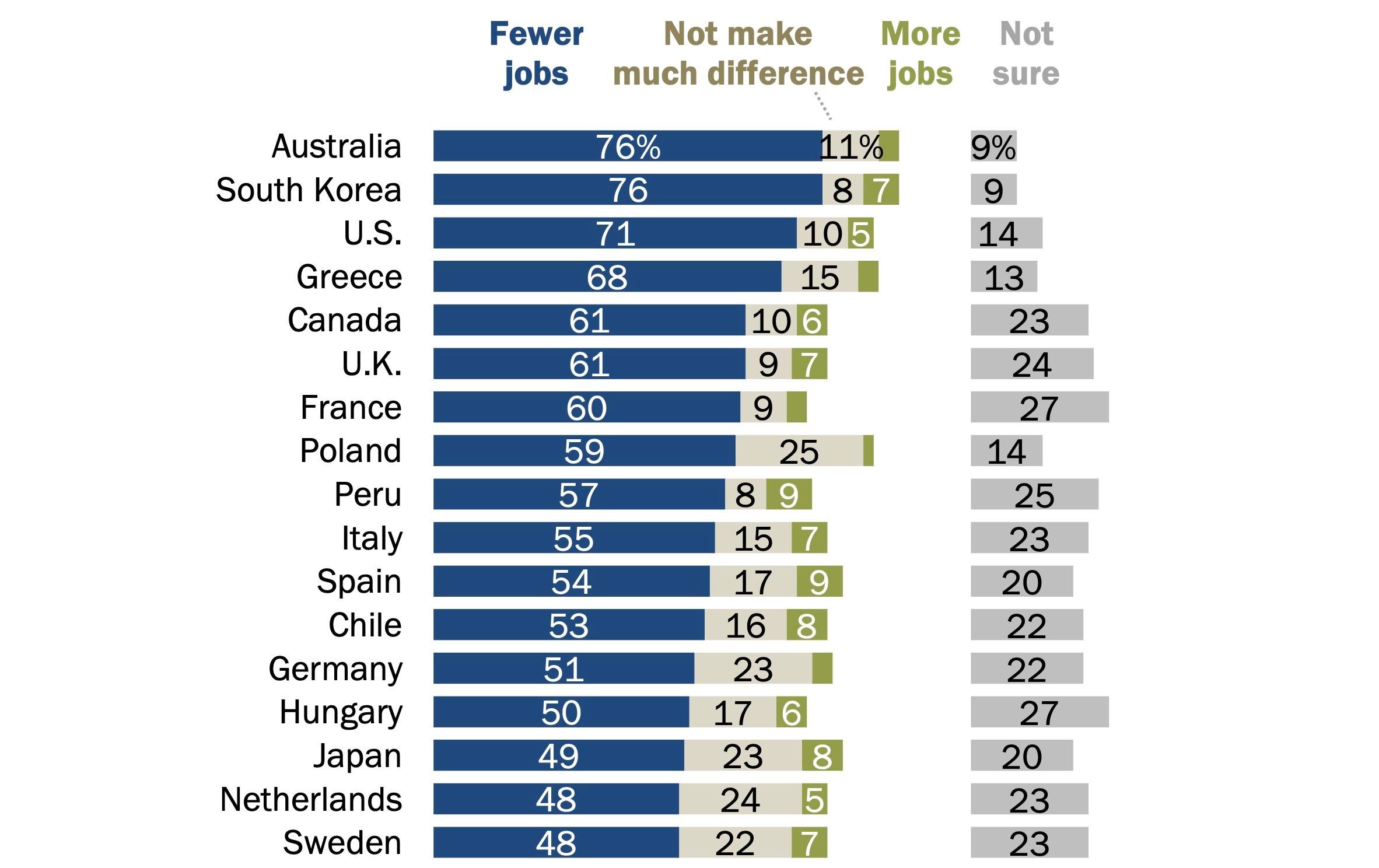
A recent Pew Research survey surveyed over 42,000 people across 37 countries, revealing widespread anxiety about AI's future impact on jobs. In 34 countries, most respondents believe AI will cause more job losses than gains within the next two decades. This concern is especially prominent in wealthier nations like Australia, South Korea, and the US, where over 70% anticipate negative effects on employment. The findings highlight a global skepticism toward AI's role in the workforce, predating recent alarmist predictions.

Hackers have given Revolut a 24-hour ultimatum to pay a $3 million ransom or face the risk of their stolen data being sold to other cybercriminals. This incident highlights the growing threat of ransomware attacks targeting financial technology companies.


The evolution of shopping—from physical stores to online platforms—has now reached a new phase as brands leverage AI to craft innovative customer experiences. At the Fast Company Innovation Festival in New York, executives named as part of Fast Company's “Pacesetters” shared how AI is advancing both the customer journey and their businesses. Fran Bell, CTO at The Home Depot, highlighted their Magic Apron AI assistant, designed to support both professional and DIY customers before and after purchases, improving in-store interactions and empowering associates. Eugene Nikolavsky, CIO at Stellantis, described an AI-driven customer experience that bridges online and dealership interactions for their automotive brands, enhancing engagement throughout the product lifecycle. Both emphasize putting the customer first, using AI to augment human expertise and streamline shopping in meaningful ways.