


Snapchat has revised its recommendation algorithm for Spotlight to prioritize videos made by real individuals, effectively excluding content that is entirely generated by artificial intelligence. This move highlights Snapchat's intent to maintain authentic user engagement and discourage the spread of automated or AI-produced material on its platform.


Brands are evolving the role of creators from merely producing sponsored content to actively participating in the creative process, changing the dynamics of who holds influence over marketing decisions.

Ad aversion continues to challenge marketers, but research from Omnicom reveals that delivering higher-quality creative experiences significantly boosts consumers' intent to purchase.

Gap Inc. is introducing a creator program available to its corporate, distribution, and store employees. This initiative offers opportunities to contribute across newsletters, social media, branded content, product storytelling, and other platforms, empowering staff to share their unique perspectives and enhance the brand's communication.


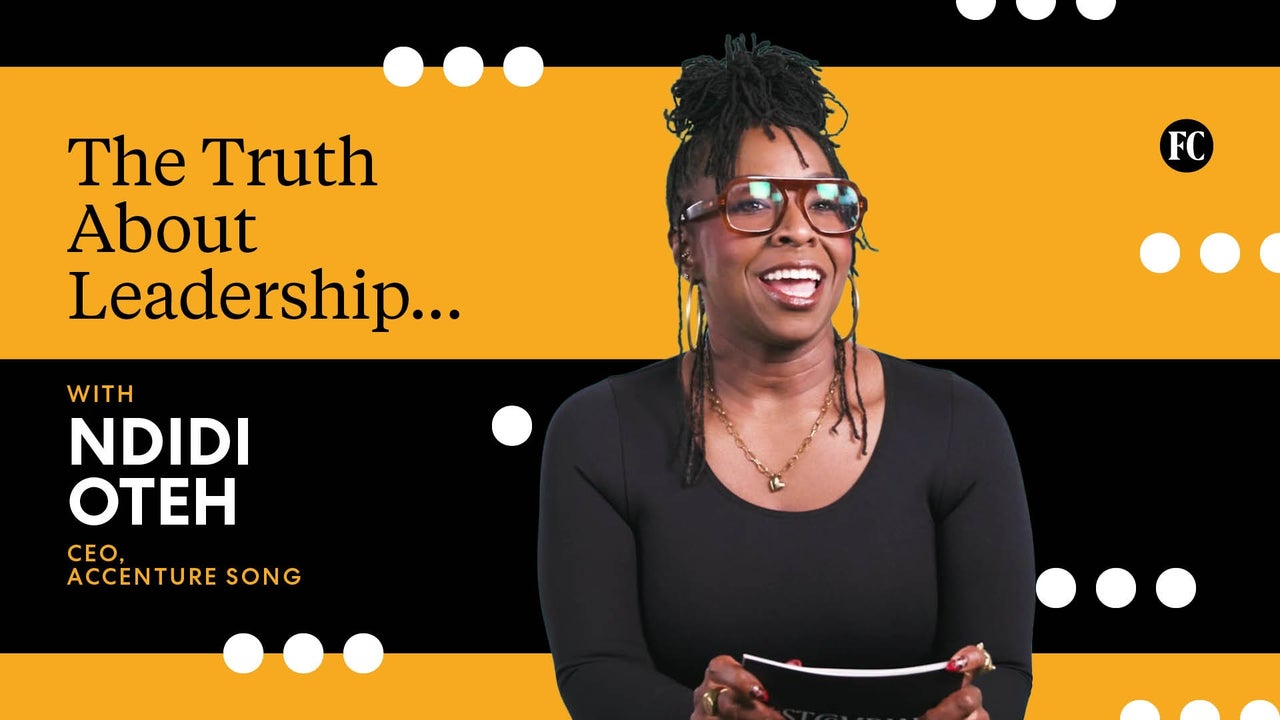
Ndidi Oteh discusses how creativity goes beyond being a cultural ideal to become a key driver of innovation, transformation, and sustained business success.
Substack has launched a new feature that lets readers see how much of a newsletter may have been generated with AI assistance. This initiative highlights a growing trend toward greater transparency in the creation of AI-supported content, aiming to build trust and clarity between writers and their audiences.

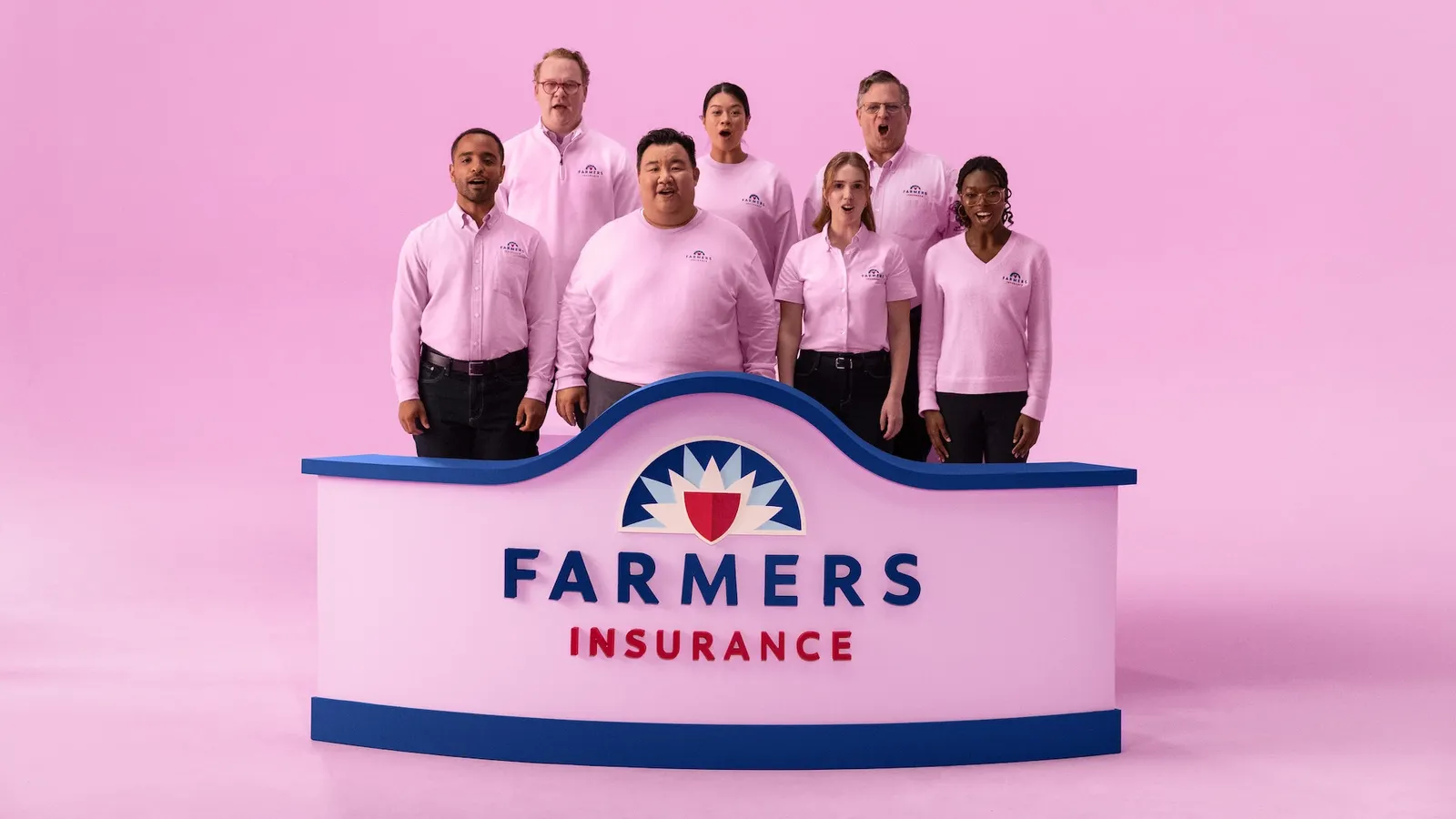
In an effort to differentiate itself in a crowded insurance market, Farmers Insurance has overhauled its classic jingle and adopted a bold all-pink rebrand. Eleanor Solomon, the brand's head of creative, explained that this change aims to break through the "sea of sameness" that characterizes the industry.

The research, combining findings from four studies in diverse creative fields such as short-story writing and sustainability solutions, reveals a compelling dual effect of AI assistance on creativity. While AI improves the creativity of individuals, especially those with lower baseline creativity, it simultaneously reduces the diversity of ideas across groups, leading to more similar and less varied outcomes. Crucially, when AI is used during the early stages of ideation, it narrows creativity, but using AI only during idea selection preserves diversity comparable to human-only efforts. This suggests that human leadership in early creative tasks is essential to maintaining a broad range of innovative ideas. Practical strategies for organizations include keeping humans in charge of initial ideation, diversifying AI inputs by varying prompts and models, employing multi-agent AI systems to create varied outputs, and establishing mindful restrictions on AI use to preserve human creative skills. Ultimately, successful integration of AI into creative workflows depends on intentional design that leverages AI’s productivity while keeping human originality central to foster breakthrough innovation.


In today’s AI-driven world, original ideas are quickly integrated into vast knowledge systems, but the recognition of their source often gets lost. I've experienced this firsthand, seeing how AI can absorb creative work without giving credit where it’s due.

At a recent TIME100 Talks panel in Cannes, executives from diverse industries—including Nespresso, Luma AI, Philip Morris International, and Publicis Sapient—discussed how artificial intelligence is reshaping creativity in their companies. They emphasized the vital synergy between human insight and AI technology, highlighting that AI enhances human capabilities rather than replaces them. For example, Nespresso utilizes AI to deepen customer engagement by personalizing the coffee experience via its app. Leaders noted a growing curiosity and willingness among younger, AI-native workers to experiment and learn continuously. They also stressed the importance of investing equally in AI tools and human talent to unlock true creative potential. While AI can analyze vast data, it cannot replace the nuanced understanding gained from direct human interaction. Overall, AI acts as an amplifier for creativity when coupled with human intuition, agility, and thoughtful risk-taking in the workplace.
