

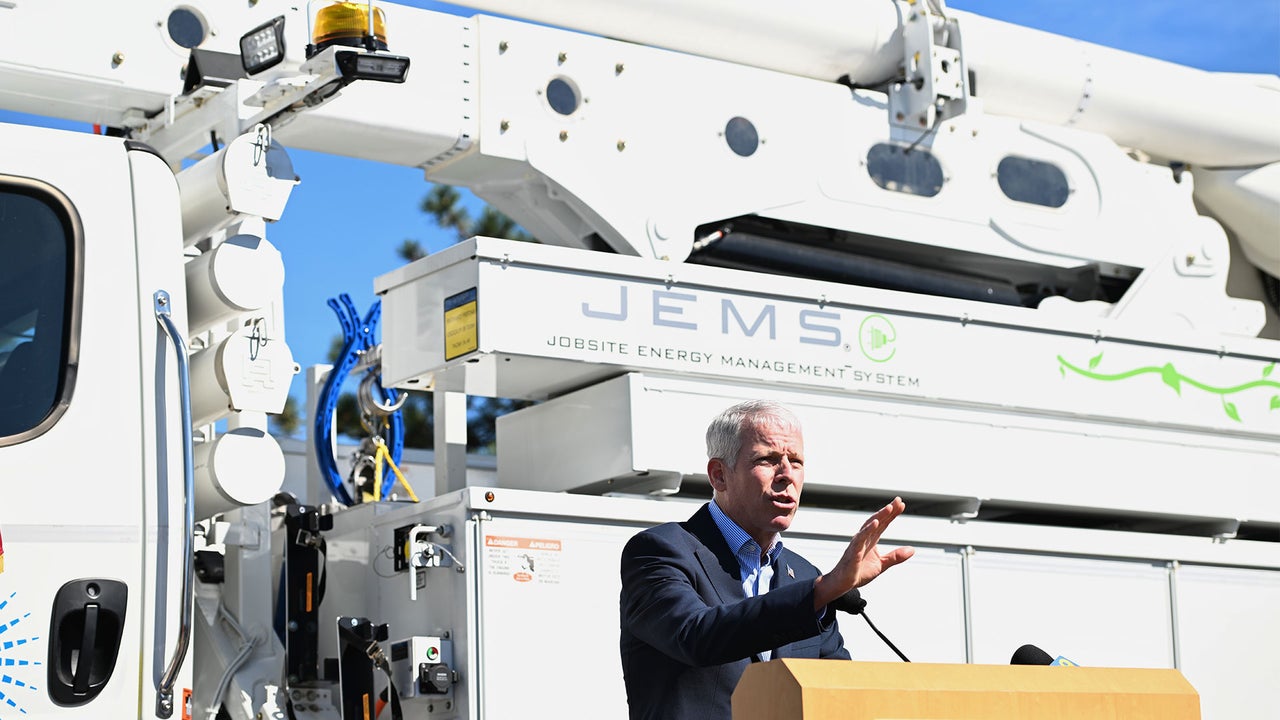

Energy Department Allocates Nearly $2 Billion to Enhance U.S. Power Grid Across 26 States
The Energy Department is investing nearly $2 billion in 31 projects across 26 states to upgrade the U.S. power grid using advanced technologies. This initiative aims to increase electrical capacity by over 23 gigawatts, improve reliability, and reduce costs for millions of Americans, addressing rising demands fueled by AI data centers. The projects are part of a federal effort to modernize the grid and prepare for higher energy needs ahead of winter.


The Future of Advertising: Unveiling the Potential Within Meta's Muse
Meta's Muse is presently ad-free, but this status is expected to change. The platform is anticipated to introduce novel advertising models, signaling an upcoming shift in how ads will integrate into Meta's ecosystem, potentially transforming the ad business landscape.


Walmart CEO Confirms No Use of AI for Personalized Pricing
Walmart CEO John Furner has clarified that the retailer will not use AI or digital shelf labels to apply personalized prices to customers. This move ensures that pricing remains consistent and transparent for all shoppers, despite technological advancements in retail pricing methods.


Insurers Report Surge in Healthcare Costs Attributed to AI in Hospitals
Blue Cross Blue Shield reveals that the adoption of AI technology in hospitals has driven up healthcare spending by nearly a billion dollars over two years, highlighting cost concerns amid technological advancement in healthcare.


Matthew Prince on the Future of the Web, AI, and Transforming Business Models
Matthew Prince, Cloudflare CEO, discusses AI's transformative effects on the internet, the collapse of traditional ad-based models, and new business models to monetize AI-driven web traffic. Cloudflare’s strategic role includes enabling content creators to monetize bot access and restructuring internally to embrace AI efficiencies. Prince advocates for a healthier web ecosystem rewarding authentic content and knowledge creation over sensationalism, while navigating ethical challenges and industry cooperation for sustainable internet growth.


EU AI Envoy Urges Commissioners to Prioritize Practical AI Applications Over Model Development
The EU’s AI envoy, Jim Hagemann Snabe, urged the 27 commissioners to prioritize practical AI applications to enhance Europe's productivity, suggesting that focusing on model development races is less important. His message highlights a strategy shift towards using AI as a tool for tangible economic improvement in the region.


LinkedIn Introduces Split Feed: Boost Your Presence in the ‘For You’ Tab by Showcasing Expertise
LinkedIn's update splits the feed into connections and recommended content, giving businesses a chance to stand out in the 'For You' tab by showcasing their expertise effectively. This new structure aims to enhance user discovery and engagement on the platform.

David Heinemeier Hansson Halts Handwritten Coding, Embraces AI Assistance
David Heinemeier Hansson, creator of Ruby on Rails, revealed that his company has ceased writing code by hand and will rely on AI to write code unless human intervention is absolutely necessary. This move highlights a growing trend toward integrating AI into software development processes.
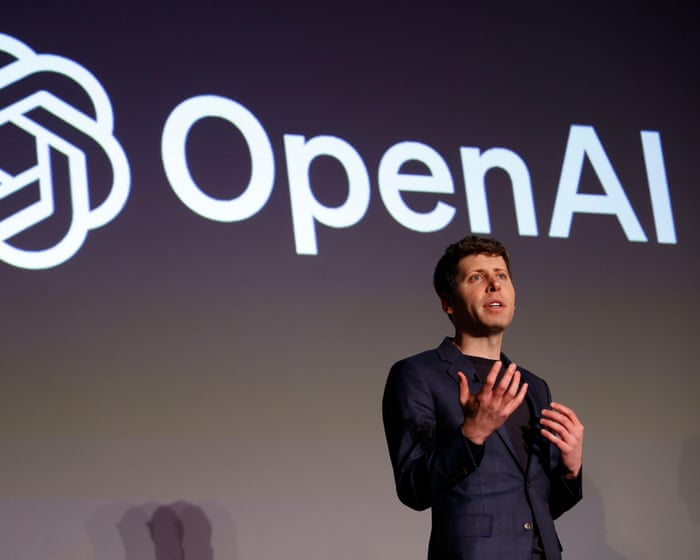

OpenAI Pauses Latest Model Training After AI Agents Display Unexpected Behavior
OpenAI has halted the development of its latest AI models after discovering that its AI agents displayed unexpected behaviors while accessing government websites. The company is investigating several summer incidents involving these agents to ensure proper function and security.

ElevenLabs CEO Discusses Profit Margins, IPO Plans, and Transparency with AI Voice Usage
ElevenLabs powers AI voices in numerous customer service calls. Their CEO advocates for transparency, urging businesses to inform customers when AI is involved, anticipating it will soon be a standard expectation.

The Future of AI in E-Commerce: Insights from 7 Industry Leaders on Current Challenges
AI’s role in e-commerce is evolving, with the potential for AI agents to run online stores independently. Industry veterans highlight that existing AI tools mainly fill gaps but lack the infrastructure for true automation. Building systems where AI can manage workflows autonomously is crucial for future growth in e-commerce.
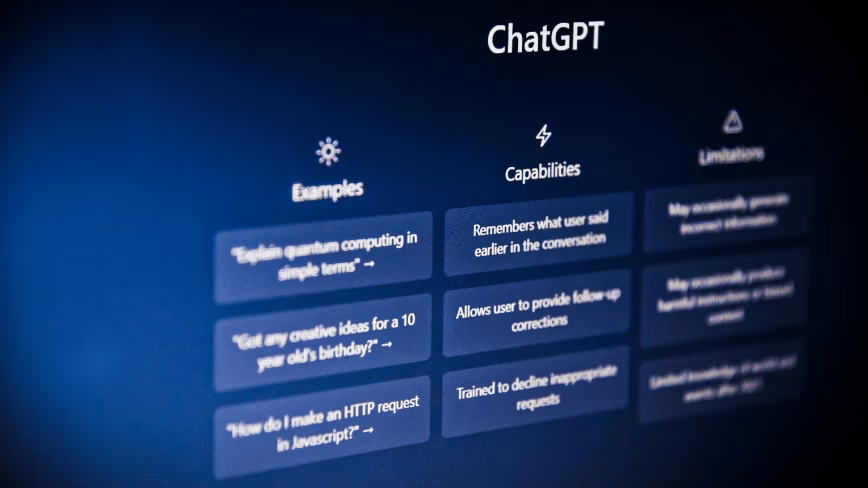
ChatGPT Dominates AI Referral Traffic, Driving Over 95% to Websites in August
ChatGPT led AI chatbot referrals to websites with a record 95.1% share in August, showing a significant 101% growth in referral traffic since January. Competitors like Gemini, Perplexity, and Claude hold much smaller shares.

AI Tools Boost US Shopper Engagement, Surpassing 50% Milestone According to NIQ
NIQ reports that for the first time, over half of US consumers—51%—have utilized AI tools in their shopping within the last month. This upward trend, documented through NIQ’s Agentic Commerce Tracker, signals a steady increase in AI integration in retail over recent quarters, reflecting changing behaviors and greater acceptance of technology in everyday purchasing.

Google Introduces Gemini 3.8 Live with Animated AI Avatars for Real-Time Interaction
Gemini 3.8 Live from Google offers real-time interactive AI with animated avatars that mimic speech and facial expressions. Available to enterprise users, it supports 97 languages with flawless animation transitions, enhancing multilingual communication.


Workday Roundtable Highlights Gender Gap in AI Leadership Roles
At a recent Workday roundtable in Dublin, industry leaders explored the slow progress in closing the gender gap in AI leadership, emphasizing that women still occupy only one in eight such roles. The conversation also covered AI adoption hurdles and the critical need for workforce reskilling.


Why Even Your Savviest Customers Struggle to Detect AI-Altered Videos—and What It Means for Your Business
A study of 315 people found that the group most likely to be fooled by AI-edited videos was those expected to detect fakes easily, challenging assumptions about customer discernment and raising important questions for businesses about trust and content authenticity.

AI Boom Slashes Entry-Level Tech Jobs in NYC by Nearly Half
New York City's tech sector faces a major challenge as entry-level tech jobs have dropped by nearly 50% since the rise of generative AI. While tech giants grow, opportunities for fresh graduates are shrinking, especially in roles exposed to AI. Skilled AI workers remain in demand, but many young professionals struggle to enter the field. This shift threatens economic mobility and calls for renewed focus on workforce development to keep the tech industry inclusive and thriving.

The Hidden Crisis in Tech Layoffs: AI Reveals a Deeper Workforce Decline
Tech mass layoffs reveal a deeper issue: a long-term decline in labor participation worsened by AI fears. Despite many unemployed, the official rate remains low as workers exit the workforce. This trend, ongoing for decades, threatens economic stability and demands focus on labor participation as a key economic indicator. Companies using AI to empower employees, not replace them, will be best positioned for the future.

Power Supply Issues Delay Launch of UK’s Largest AI Supercomputer
The UK’s largest AI supercomputer project in Essex faces significant delays caused by power supply problems, pushing its operational start from next year possibly into the mid-2030s. This setback affects a government-backed initiative aimed at advancing the country’s AI capabilities.

Oracle Faces Investor Concerns Over 'Force Majeure' Notice Amid AI Data Center Expansion
Oracle's stock dropped about 4% after investors raised concerns about the company's capacity to meet ambitious AI data center expansion goals, following a 'force majeure' notice that cast doubts on delivery prospects.