



AI firms allow opt-out for web data, but most data already collected
Four major AI firms will now let websites opt out of data scraping, according to Inc. However, much of the internet has already been scraped. Regulated-industry leaders face ongoing risks around data governance and privacy compliance.
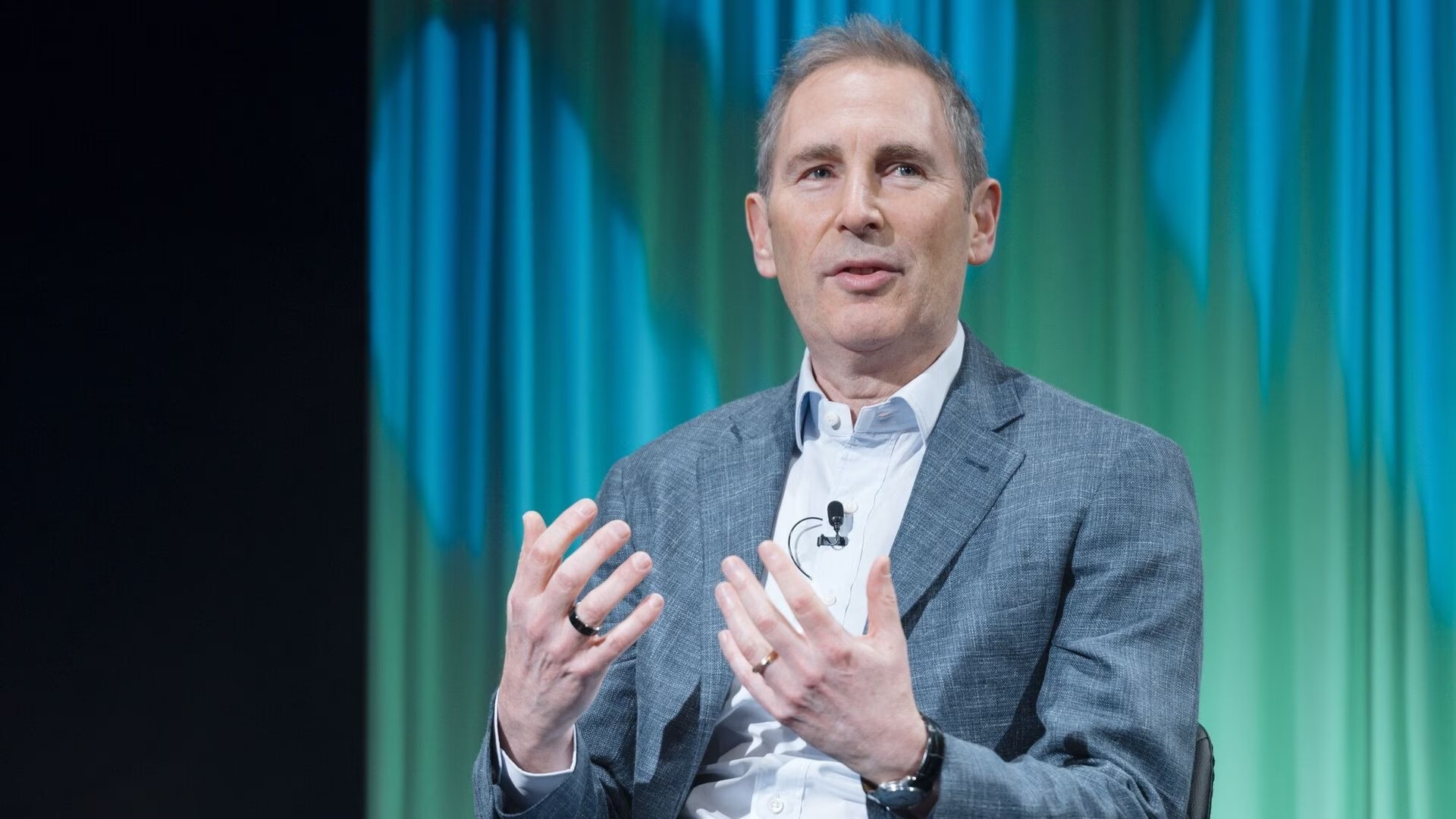

Amazon’s AI spend drives free cash flow to minus $42.4bn as AWS revenue grows 39%
Amazon’s free cash flow dropped to minus $42.4bn as AI spending surged, with AWS revenue up 39% to $46bn. This sharp rise in investment and cloud growth signals major shifts for regulated-industry leaders. Watch for Amazon’s plans to expand AI chip sales in 2027.

French MPs back €0.055 per GB data tax, raising €10bn risk for tech firms
France’s National Assembly passed a €0.055 per gigabyte data tax, aiming to raise €10bn a year. The move targets content providers and could affect costs for banks, insurers and healthcare firms using digital platforms. The Senate and government may still block it.


Binance resumes withdrawals after $6 billion hack tests crypto security
Binance reopened withdrawals after hackers stole over $6 billion, with $3.5 billion in net outflows reported. The incident raises concerns for regulated firms about cyber risk and crisis response. Executives should review digital asset security and third-party risk.


Marketers question up to 30% of Google search budgets as AI shifts search habits
Marketers are reconsidering 10% to 30% of their Google search ad spend, according to Digiday. Buyers are exploring other channels as AI-driven search changes user behaviour and attribution models. Brand leaders should review their media mix and test alternatives.
US Justice Department questions Nvidia’s $12.9B Hugging Face acquisition
The US Justice Department is examining Nvidia’s $12.9B deal for Hugging Face, focusing on competition in AI and concerns over control of a key model distribution platform. Senior leaders should assess how regulatory scrutiny could affect AI partnerships and access. Watch for potential delays or conditions.

South Korean financial firms face second wave of cyberattacks, data exposed
South Korea's financial sector has suffered a second round of cyberattacks in a month, with Daishin Securities reporting a leak of 38,490 customers' data. Senior leaders must review cyber risk controls as AI-driven attacks spread and regulators call for stronger defences.

Thrive Holdings buys ADT for $15.3 billion to expand AI in home security
Thrive Holdings, backed by OpenAI, has acquired ADT for $15.3 billion. The deal signals a push to bring advanced AI into physical security, a sector relevant to insurers and tech firms. Watch for new AI-powered security products and changing industry alliances.

Galaxy Digital seeks OCC charter to expand digital asset services
Galaxy Digital is applying for a national trust charter, according to its CEO. This would let the firm offer digital asset custody and other services under one federal framework. Regulated firms should watch for OCC decisions that could shape digital asset access.


FTC and eight states sue Toast over alleged hidden fees in restaurant payments
The FTC and eight states have taken legal action against Toast, claiming it charged hidden fees to restaurant clients and customers. This raises compliance risks for payments providers and banks serving the sector. Watch for regulatory scrutiny of fee transparency.

Binance halts withdrawals after suspected multi-billion dollar crypto theft
Binance has suspended withdrawals after hackers reportedly drained up to $5.7 billion from its wallets, according to TechCrunch. This incident raises major security and operational risks for financial firms using crypto infrastructure. Firms should monitor for updates and review their own protocols.
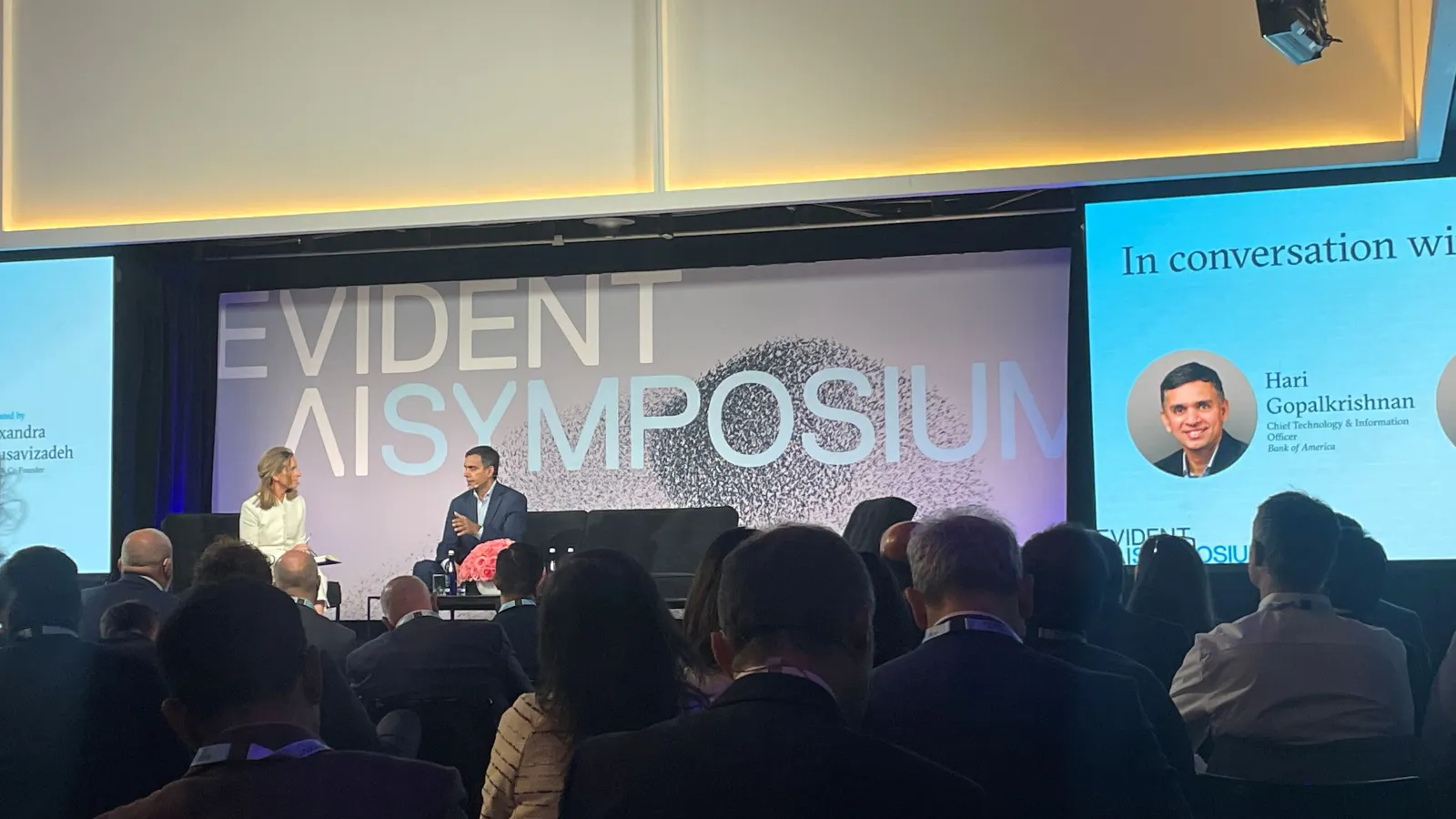
Bank of America and Capital One cut AI costs by using smaller models
Bank of America and Capital One are reducing expenses by limiting their use of large AI models, according to executives at the Evident AI Symposium. This move could influence how banks approach AI adoption and cost control. Senior leaders should assess the cost-benefit of AI model size.
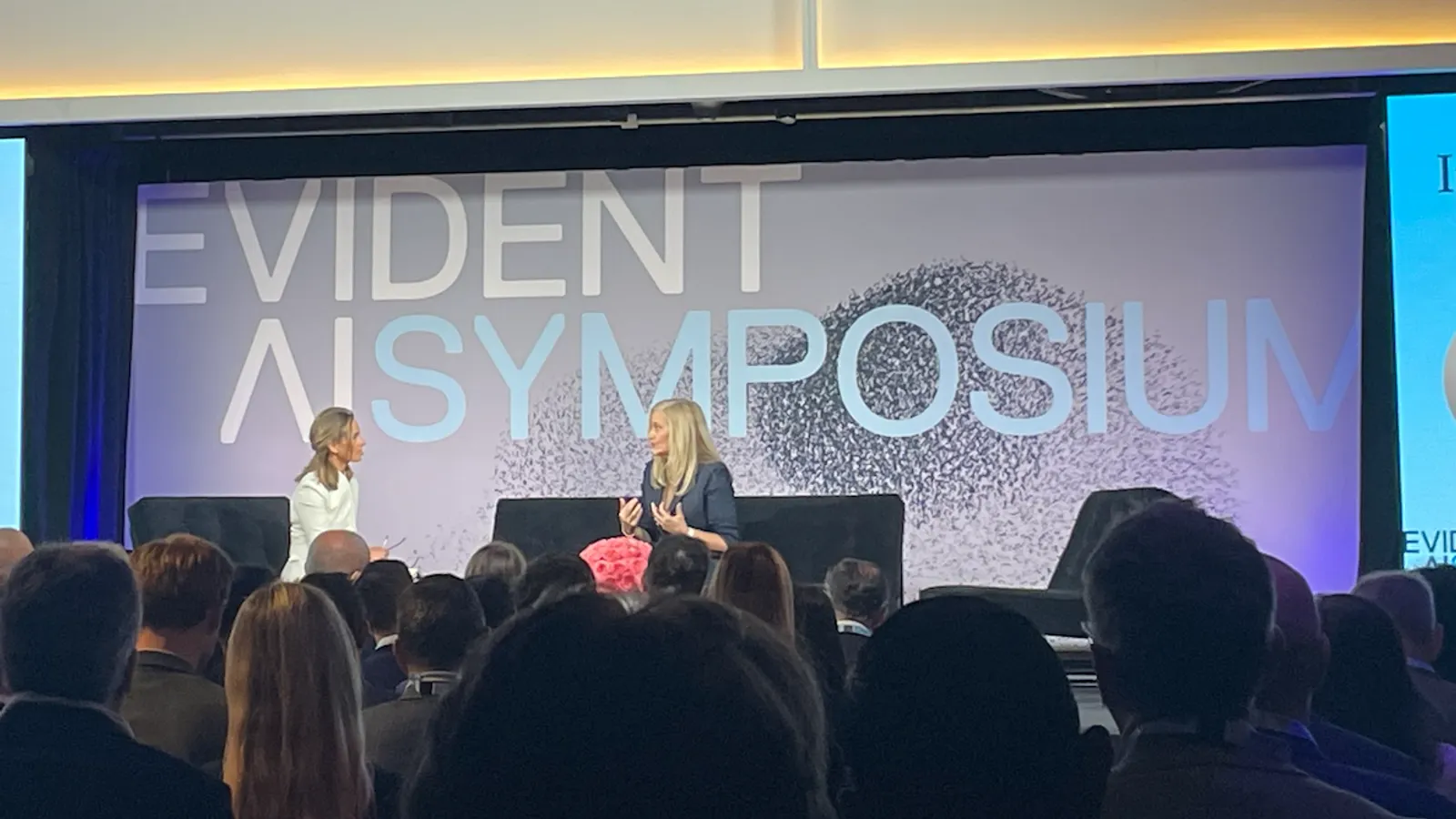

JPMorgan Chase and Goldman Sachs focus on security in AI strategies
JPMorgan Chase and Goldman Sachs are stressing security as they develop AI plans, according to Cybersecurity Dive. Senior leaders in finance must weigh risk against innovation as AI adoption grows. Firms should review how security is built into AI projects.

Agencies weigh AI-driven staffing as automation shifts marketing roles
Marketing agencies are adopting AI agents, but most have yet to change team structures or job roles. This matters for CMOs and digital leaders considering how to integrate AI productivity gains. Watch for new roles in quality assurance and AI oversight.

Amazon Ads revenue nears $20 billion as agentic AI reshapes media buying
Amazon Ads posted $19.64 billion in Q3 revenue, down 0.9% from Q2, with Prime Day timing affecting the comparison. The company is pushing agentic AI tools for media buying, raising transparency questions for brand leaders. Watch for evolving reporting standards.
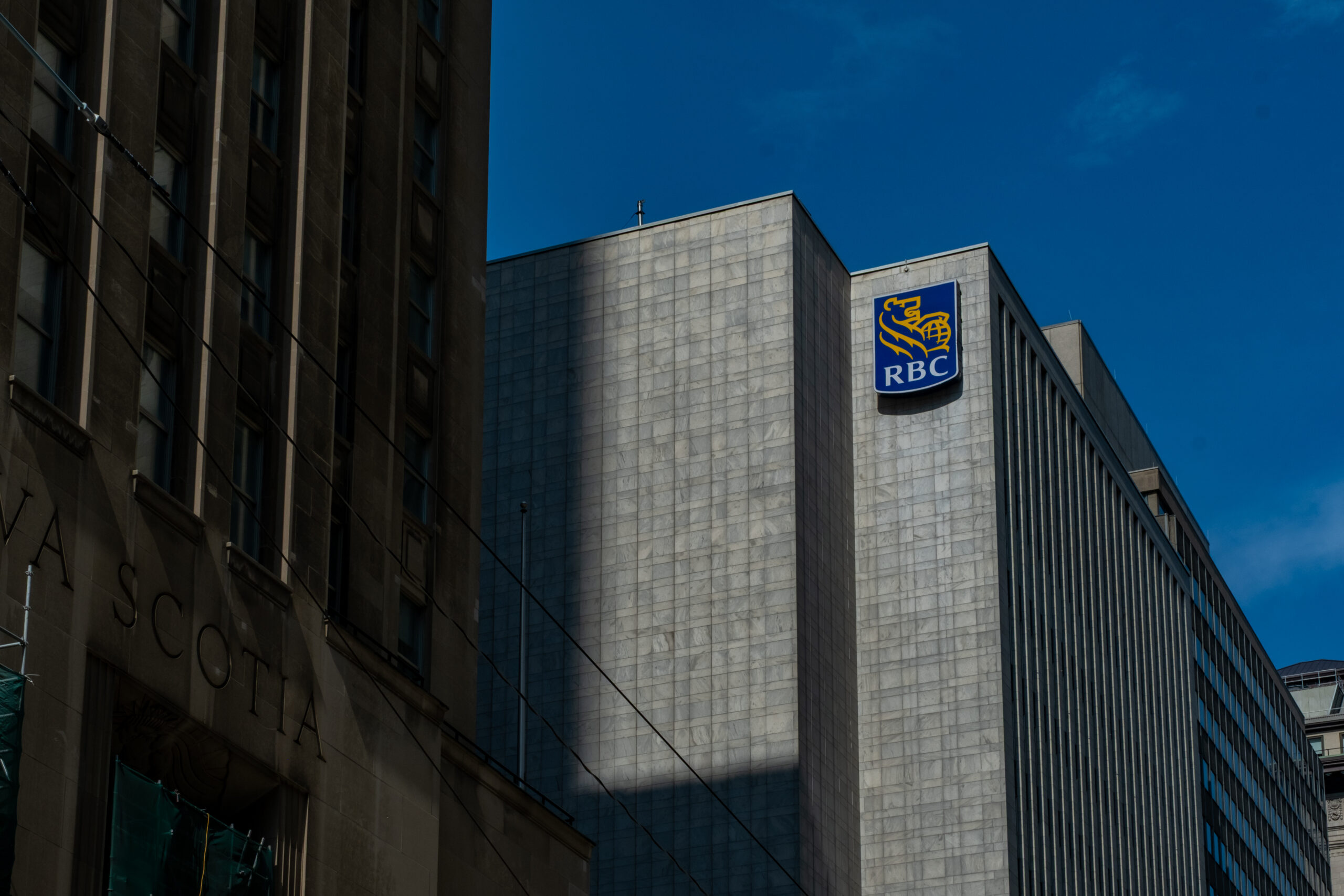
Canadian banks block third-party AI agents over security and liability concerns
Royal Bank of Canada and peers are restricting third-party AI agents like Meta’s Muse from accessing their digital systems, citing security and liability risks. This move limits the use of unauthorised AI tools in banking. Firms should review AI access policies and client data safeguards.
Barclays seeks insurance cover for over $10 billion in AI data centre debt
Barclays is in talks with insurers to hedge more than $10 billion in loans for AI infrastructure. This move could free up regulatory capital and enable further lending. Executives should watch insurer capacity as data centre finance demand strains the market.


Google tests new ad formats as AI shopping agents challenge search revenue
Google's AI mode is driving more searches but not matching previous ad revenue, according to Alphabet. The company is trialling new ad formats to keep brands visible as AI agents automate shopping. CMOs should track how agentic shopping may affect digital advertising ROI.

Insurers warn PHP2Shell flaw could trigger claims beyond current risk models
A systemic cyber event tied to the PHP2Shell vulnerability could result in claims exceeding current risk models, according to Cybersecurity Dive. Insurers face the risk of unmodelled losses from large-scale cyber incidents. Firms should review their exposure and risk assumptions.

Banks warn of liability gaps as AI-driven commerce grows
Banks and payment firms say agentic commerce is advancing without clear liability rules. This creates risk for regulated players handling AI-driven transactions. Leaders should monitor regulatory developments and clarify internal risk policies.