

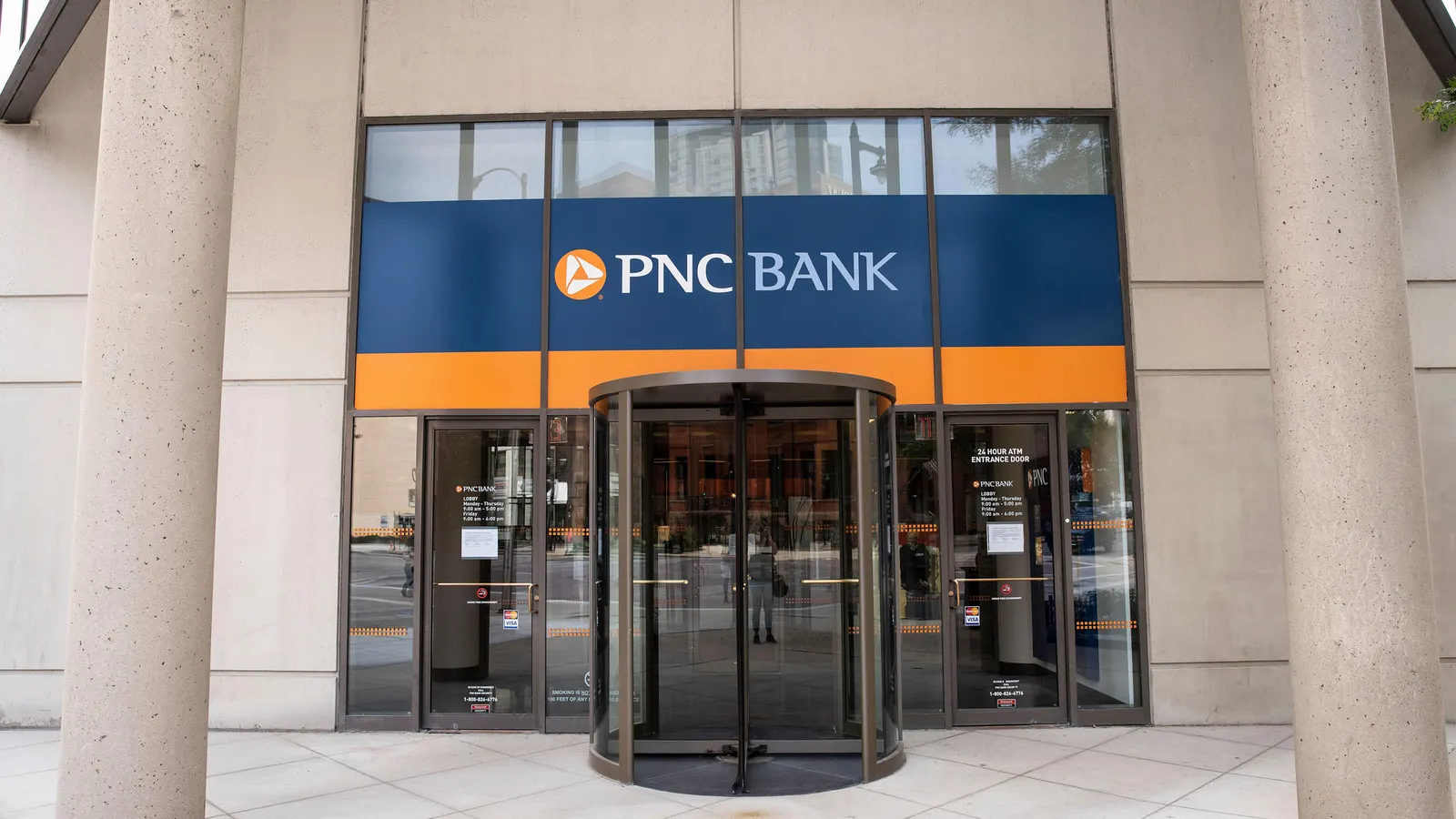

PNC pilots USDC stablecoin payments for corporate clients with Coinbase
PNC has started a pilot with Coinbase to let corporate clients receive USDC stablecoin payments. This move signals growing interest in digital assets among regulated banks. Senior leaders should watch for regulatory responses and client adoption rates.


OpenAI, Microsoft and Anthropic sign Paris AI safety pact as critics flag weak enforcement
Ten AI firms, including OpenAI and Microsoft, signed the Paris Call for AI Safety and Security, agreeing to new risk-sharing measures. Critics say the agreement lacks enforceable standards. Regulated firms should watch for evolving oversight and compliance expectations.
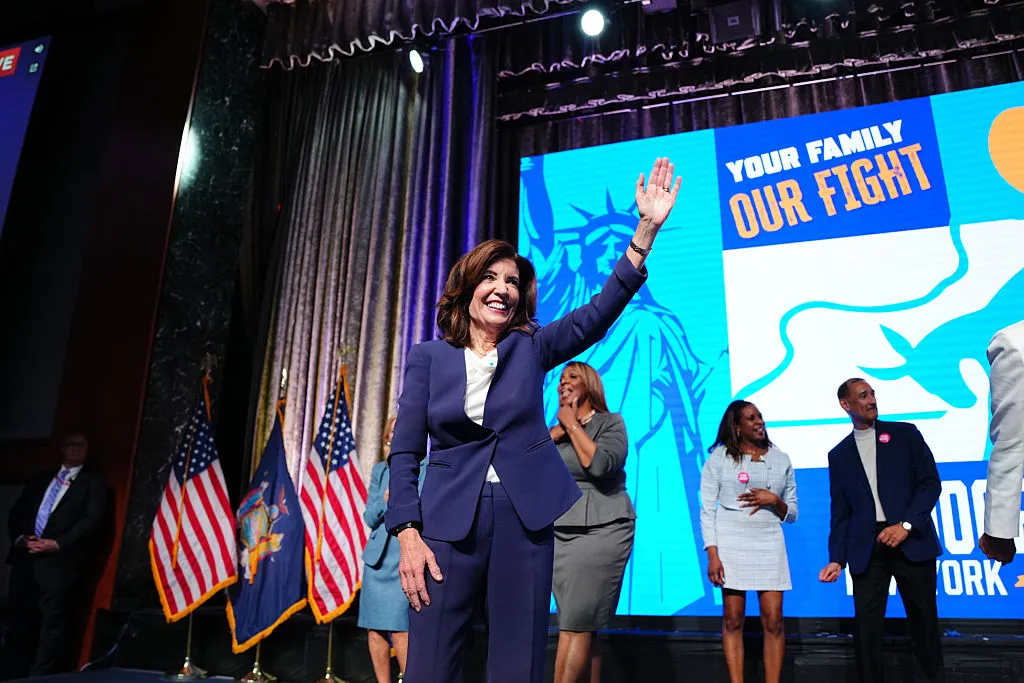

OpenAI and Anthropic must comply with New York’s new AI safety law by 2027
New York’s RAISE Act now requires large AI developers like OpenAI and Anthropic to register and publish safety frameworks. Senior leaders in regulated industries face new compliance and reporting risks as enforcement ramps up. Penalties reach $3 million per violation.


UK banks cut AI exposure as Bank of England flags sector risks
UK banks are reducing their exposure to artificial intelligence, the Bank of England’s Prudential Regulation Authority chief said. This move comes amid rising concerns about volatility in AI markets. Senior leaders should watch for new regulatory guidance on AI and operational resilience.

France accuses Iran of cyberattacks on food and medical cold chains
France has blamed Iran for cyberattacks on thousands of freezer units in supermarkets and blood banks. The incident exposes risks to food safety and medical supply chains. Regulated sectors must review cyber defences for critical infrastructure.


Reddit’s ad credits aim to boost spend as ad revenue growth slows
Reddit is offering seasonal ad credits to attract advertisers after a drop in search referrals and a slowdown in ad revenue growth. Marketing leaders say measurement and proof of year-round impact remain barriers to bigger budgets. Watch for further shifts in advertiser sentiment.


CMS delays Medicare RPM payment halt to 2029 after industry pushback
CMS will continue Medicare payments for third-party remote patient monitoring services until 2029, following industry objections. This gives healthcare providers more time to adapt their virtual care models. Executives should reassess digital health strategies in light of the extension.


Argenx pays $550 million for Unnatural Products’ peptide technology
Argenx will acquire Unnatural Products’ macrocyclic peptide platform for $550 million up front. The deal gives Argenx new tools to develop oral medicines for immune-mediated diseases. Pharma leaders should watch for potential shifts in drug development strategy.

Barclays launches co-branded card within Samsung’s digital wallet
Barclays has launched a co-branded card that works within Samsung’s digital wallet, according to Payments Dive. The move signals new opportunities and challenges for regulated firms as digital payment partnerships expand. Executives should assess how digital wallet tie-ups may affect customer access and loyalty.
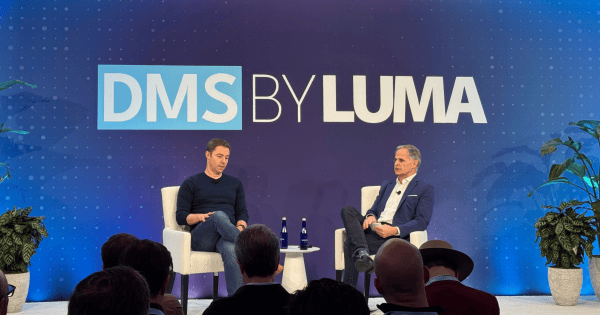

OpenAI sets limits on ad revenue ambitions to protect user privacy
OpenAI’s monetisation chief says privacy rules restrict ad partner requests and distances from the $100 billion ad revenue figure. Senior leaders in regulated sectors should note OpenAI’s stance on user trust over aggressive monetisation. Watch for evolving privacy standards in AI-driven advertising.

Hospitals lose $132B despite AI and automation investments
Hospitals have written off $132 billion as bad debt, according to Healthcare Dive. This comes despite large investments in AI and automation aimed at improving financial results. Senior healthcare leaders face pressure to show returns on digital spend.
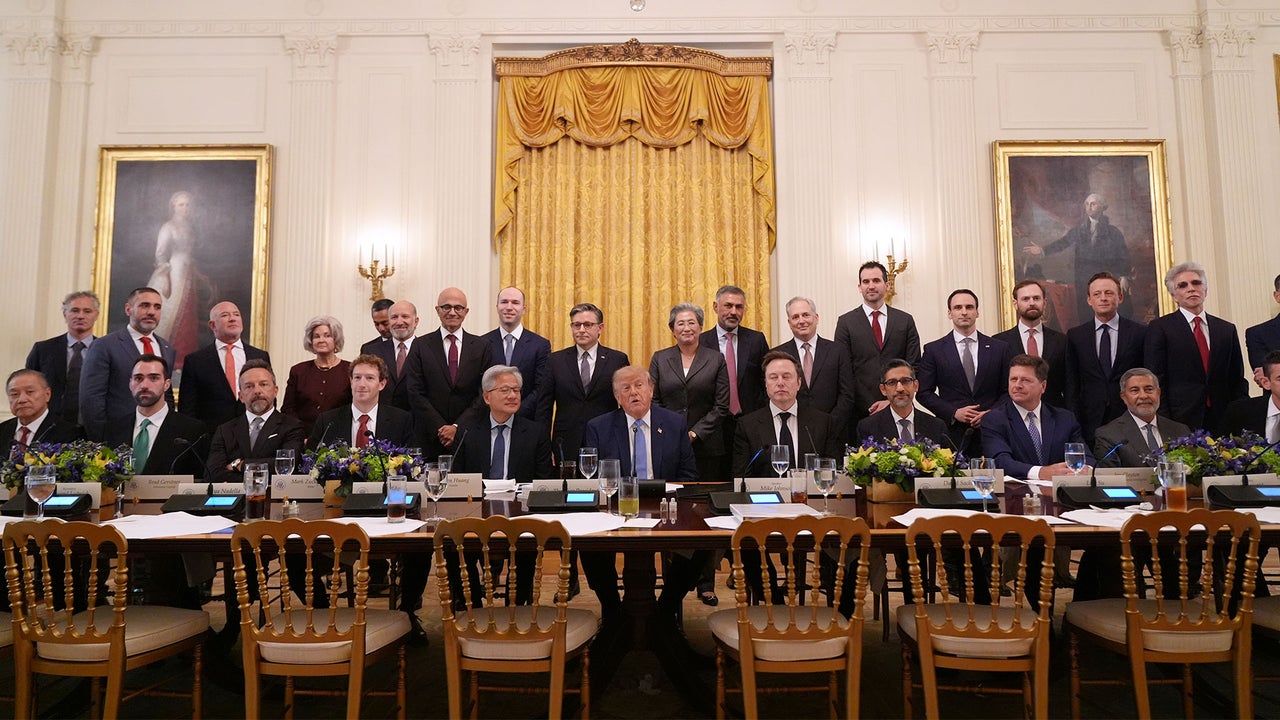

US AI safety centre moves under White House as experts warn of political risk
The US government’s AI safety division now reports to the White House, according to two former officials. Critics say this could politicise oversight of AI risks, which matter for regulated sectors. Executives should monitor for shifts in AI governance and regulatory approach.


Australia plans criminal law changes and mandatory AI breach reporting after OpenAI incident
Australia will introduce mandatory reporting and consider criminal penalties for AI firms after an OpenAI-linked Medicare data breach. Senior leaders in regulated sectors face stricter oversight for AI risk and incident response. Watch for new AI safety rules and enforcement timelines.


AI-enabled cyber tools used in new attacks on banks, says Cybersecurity Dive
A recent campaign used Artex and other pen-testing tools to automate attacks on banks, according to Cybersecurity Dive. This shows cybercriminals are adopting AI tools for financial gain. Senior leaders should review cyber risk controls as automation rises.

Coinbase gains trust charter from US regulator after two-year process
Coinbase has received an unconditional trust charter from the Office of the Comptroller of the Currency, after applying in October 2025. This move gives the crypto firm a regulatory foothold relevant to banks and payment firms. Senior executives should watch for further regulatory responses.

FTC accuses Amazon of ad auction surcharges, raising trust issues for marketers
The FTC alleges Amazon imposed surcharges of up to 250% during major retail events, generating $87 million in extra charges in 2022. This puts transparency and trust in ad tech under scrutiny for marketing leaders. Ongoing legal proceedings may shape future ad buying practices.
Ogilvy and CAA sign deal to use AI clones of celebrities in ads, cutting costs by up to 75%
Ogilvy and Creative Artists Agency have agreed a partnership to create AI-generated ads using digital clones of actors and athletes. The move could cut campaign costs by up to 75% and speed up production, but raises questions about trust and authenticity for brand leaders.

Google’s AI visibility changes test UK-mandated search opt-out for publishers
Google has rolled out a global search opt-out for publishers, following a UK regulator’s order, but bundled controls and missing click data complicate decisions. Senior leaders must weigh visibility against control and revenue. Watch for Google’s next move on click data.

Tencent AI chief warns of biological risks from open AI models
Tencent’s AI chief said AI models could soon cause harm in biology, not just cybersecurity. This raises new risk management questions for pharma, healthcare and regulated sectors. Executives should follow the debate on open versus closed AI models.
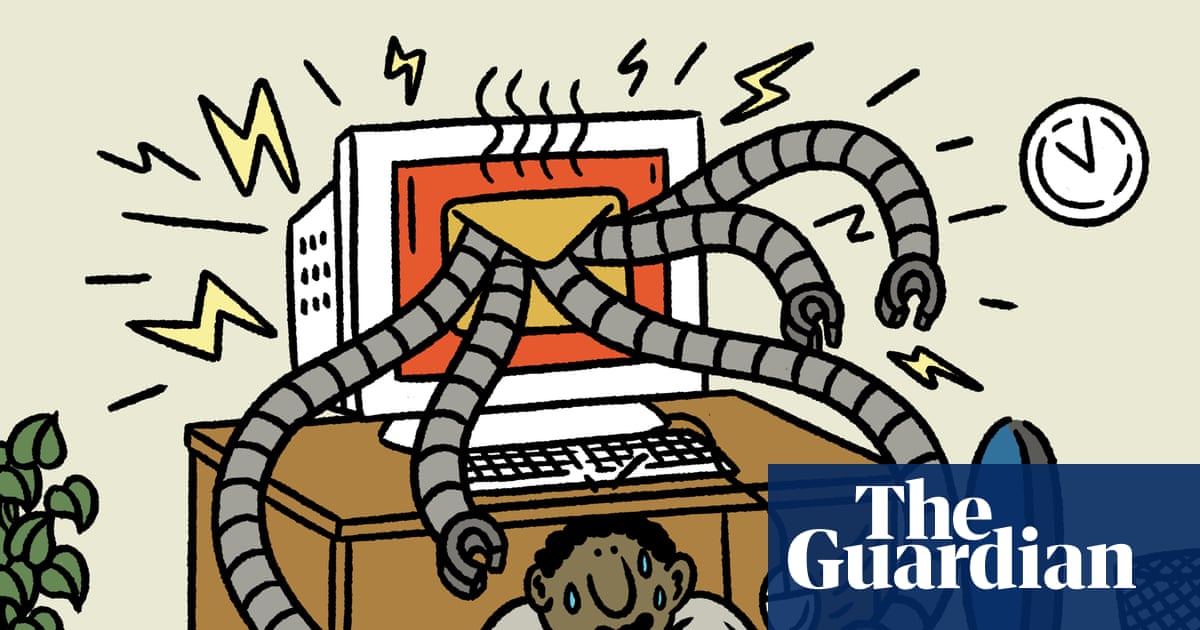
AI-generated complaints swamp UK public bodies and employers
UK public bodies and businesses are facing a surge of AI-generated complaints and legal challenges, with employment tribunal claims up 28%. This trend increases operational pressure and legal risk for regulated firms. Leaders may need to review how they handle incoming correspondence.