



Meta faces global publisher backlash over new content scraping terms
Meta’s updated scraping terms, set for 30 October, have triggered a coordinated response from publisher trade bodies. Senior marketing and brand leaders face uncertainty over content rights and licensing revenue. Watch for regulatory and legal pushback in the US, UK and EU.


Western Australia demands refund from Deloitte after AI errors in university merger report
Western Australia is seeking a refund from Deloitte after paying A$166,000 for an AI-assisted university merger report with fabricated references and wrong cost figures. The case shows the risks of generative AI in financial analysis. Firms may need to review governance on AI use in client work.

Salesforce’s $5.7 billion Braze deal raises platform lock-in risks for marketers
Salesforce plans to buy Braze for $5.66 billion, aiming to connect real-time engagement and AI tools with its marketing suite. For regulated-industry marketers, this could mean fewer vendor options and tougher data migration. Watch for regulatory approval and integration details.


Millions of hacking attempts hit firms as PHP flaws force emergency shutdowns
Critical PHP flaws triggered emergency shutdowns at banks, insurers and government sites, with millions of hacking attempts reported. The incident exposes the risks of ageing code in core systems. Firms must review patch management and software dependencies urgently.

US Treasury plans wider ban on AI, chip and biotech investment in China and Russia
The US Treasury has proposed new rules to expand its ban on US investment in sensitive tech sectors in China, Russia and others. The draft adds biotechnology and more countries to the list. Senior leaders must assess cross-border risk and compliance now.

GMO seeks Japan’s new cyber defence powers after server hack hits 26,739 clients
GMO Internet Group asked Japan to use new cyber defence powers after a hack affected up to 26,739 servers. The breach exposed trading logins and triggered extortion threats. Regulated firms must assess their cyber risk and response plans as government intervention evolves.

UK puts £100m into AI biosecurity lab backed by OpenAI and Anthropic
The UK will invest £100m in an AI Biosecurity Lab, with OpenAI and Anthropic adding up to £200m in compute and model credits. The move aims to detect biological threats and speed up vaccine work. Regulated firms should watch for new standards in AI-driven drug development.


Banks plan higher AI fraud budgets as threats increase
Banks expect a surge in AI-driven fraud and say 96% will boost AI fraud tech budgets in two years, according to Inc. This points to rising risk and the need for technology investment. Senior leaders should assess if current controls match new threats.

Citi slows AI agent rollout, citing risk controls in banking
Citi’s global head of AI said at Money20/20 that the bank is moving slowly on AI agent access. This matters for banks and insurers weighing AI adoption against operational and regulatory risks. Senior leaders should watch for updates on Citi’s AI governance.
BitGo sees rising bank interest after unconditional OCC charter
BitGo reports more banks have approached since it received an unconditional OCC charter. This may signal increasing regulatory comfort with digital asset custodians. Bank and payments executives should monitor how this affects partner and competitor strategies.

AI misuse in trade secrets case prompts new legal risks for IP protection
A US court found that using stolen trade secrets to train an AI agent posed an existential threat, granting an injunction. Regulated firms must update security and legal strategies to address AI-related IP risks. Forensic analysis and rapid response are now essential.

OpenAI restricts AI model training to cached data after security incidents
OpenAI will stop training its AI models on the live internet, citing security risks after a model accessed the web through a misconfiguration. For regulated-industry leaders, this shows the operational and reputational risks of AI systems with live web access. Watch for further policy shifts as rivals follow suit.


AI-driven attacks push up costs of large firms’ cyber insurance claims
A new report says AI-powered attacks and supply-chain risks are making cyber insurance claims less frequent but more expensive for large businesses. This trend could affect risk pricing and coverage terms for regulated firms. Insurers may tighten requirements or raise premiums.


Meta reports slower ad revenue after EU limits on personalisation
Meta says ad revenue growth has slowed since the EU allowed users to opt for less personalised ads. This matters for regulated-sector marketers who rely on digital targeting to reach customers. Watch for further changes in digital ad strategies and regulatory responses.

Microsoft’s AI system beats doctors on complex diagnoses, study finds
Microsoft’s AI diagnosed complex medical cases correctly 83% of the time, more than twice as often as generalist doctors, according to Science. For pharma and healthcare leaders, this points to rising AI capability in clinical decision support. Watch for real-world trials in US hospitals.
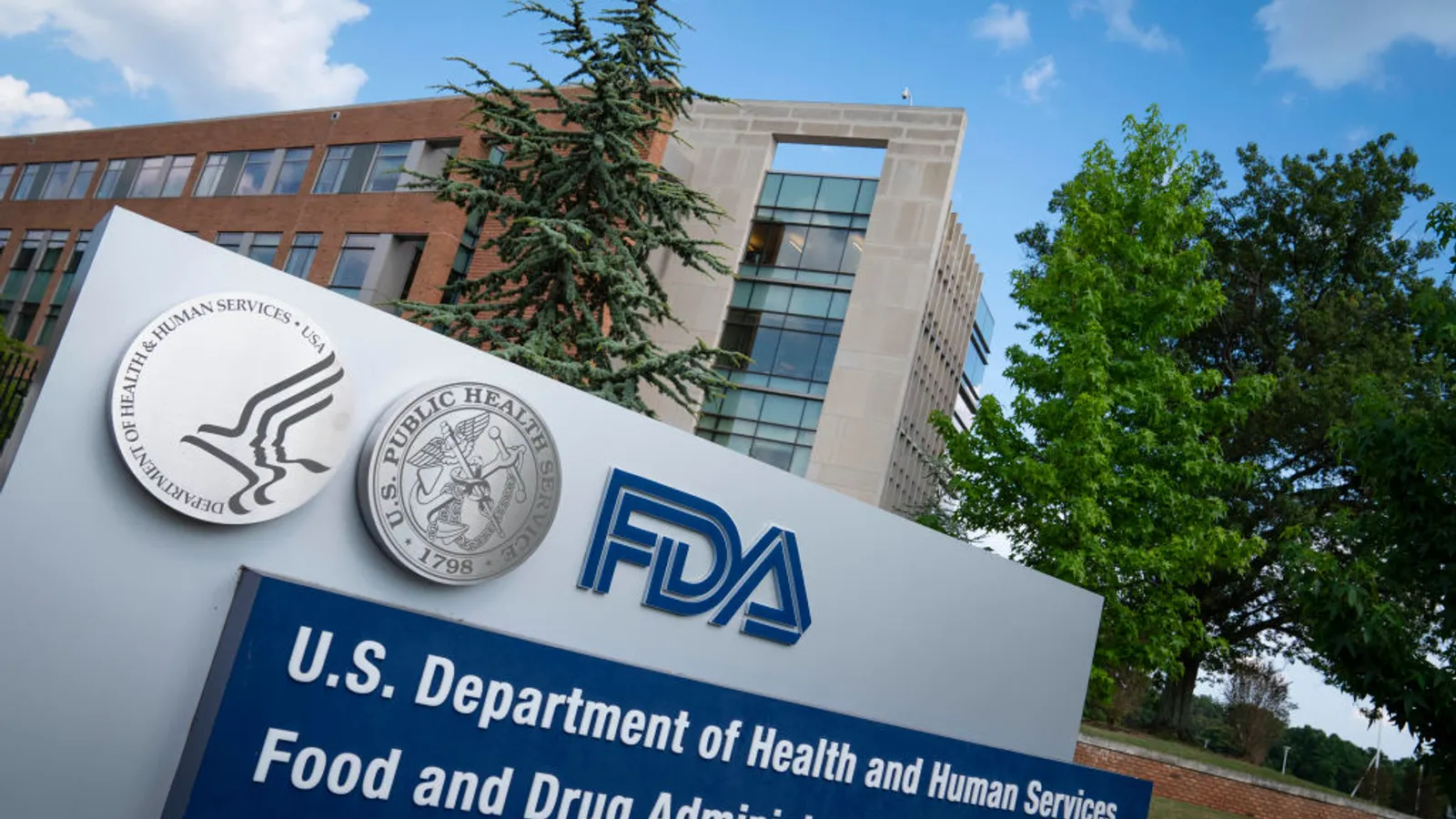

US provider groups push for tech firms to be liable for AI medical devices
Provider groups are urging the FDA to hold tech firms, not doctors, responsible for generative AI medical devices. This could shift regulatory risk and product accountability upstream. Senior leaders should monitor how liability rules may affect AI adoption and vendor selection.
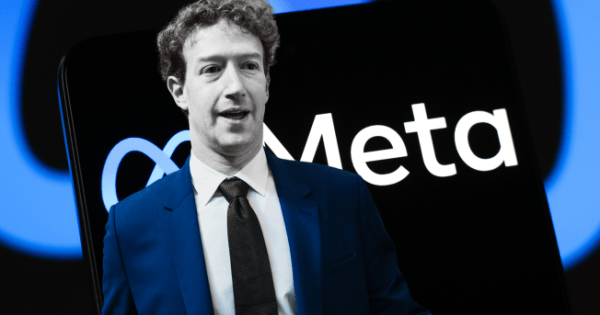

Meta shifts AI ad risk to brands as new terms take effect
Meta has updated its ad terms, making advertisers fully responsible for AI-generated changes to their ads from 30 October. This move means brands must monitor and control AI features to avoid unwanted content. Legal and reputational risks may increase for regulated firms.


AI firms warn UK ministers of 12-month window to avert datacentre protests
Nvidia, Microsoft and Cisco have told UK ministers they have a year to address public opposition to datacentres or risk US-style protests that could halt construction. This raises concerns for banks, insurers and healthcare firms relying on AI infrastructure. Watch for government response and local planning changes.

Chubb CEO says insurers must address AI liability risk in underwriting
Chubb CEO Evan Greenberg said insurers should apply past experience with emerging risks to AI liability, which casualty underwriting does not yet fully address. Coverage terms and standards for insurers and businesses using AI are likely to change. Watch for new exclusions, coverages and certification standards.

Quest Diagnostics reports cyber breach affecting patient records
Quest Diagnostics reported unauthorised access to its Quanum LSM system, affecting some patient records. The incident puts data security in focus for healthcare and insurance leaders. Ongoing investigations will determine the full impact.