



Critics Label AI Climate Benefit Claims as Greenwashing
Tech companies are accused of greenwashing by conflating traditional AI benefits with the high energy costs of generative AI technologies. This results in misleading claims about AI's potential to combat climate change, ignoring the significant environmental impact of advanced AI models.


How Corporate Social Responsibility Drives Loyalty, Reputation, and Sustainable Growth
This article explores how embracing Corporate Social Responsibility (CSR) can enhance customer loyalty, strengthen brand reputation, and contribute to long-term business success by actively supporting community initiatives.


Unlocking Value Through Retro-Innovation: Blending Past and Present Technologies
Consumers are embracing retro-innovation, blending nostalgic products with modern features to address digital fatigue, environmental concerns, and authenticity challenges. This trend, led by younger generations, revives older technologies like feature phones and vinyl records with contemporary upgrades. Businesses succeed by leveraging legacy assets, creating hybrid products, and thoughtfully simplifying designs, demonstrating that progress can mean embracing the past in new ways.


Terradot, Supported by Google and Microsoft, Expands Carbon-Removal Reach with Competitor Acquisition
Terradot's recent acquisition of a carbon-removal competitor, with support from Google and Microsoft, could initiate consolidation in the carbon-removal industry. This shift aims to tackle the persistent issue of high removal costs, which still exceed buyer expectations.

Apeiron Labs Secures $9.5M to Deploy Autonomous Underwater Robots for Ocean Exploration
Apeiron Labs has raised $9.5 million to advance the use of autonomous underwater robots aimed at enhancing ocean data collection. Current tools offer limited ocean insights compared to satellite data, impacting multiple industries reliant on detailed ocean information.


Tech Industry Invests Millions to Improve Public Perception of Data Centers
The tech industry is heavily investing in marketing campaigns to counter growing criticism of data centers, emphasizing their clean energy use and economic benefits. However, research suggests these centers create fewer local jobs and strain resources, fueling community opposition and prompting new regulations. The ongoing debate highlights the clash between industry growth and environmental impact, with companies striving to improve public perception amid political pushback.

How Data Centers Supported Power Supply During Winter Storm Fern
Winter Storm Fern caused widespread power outages in the U.S. Southeast in 2026. To meet emergency energy demands, authorities activated data centers’ backup generators, providing crucial power but raising pollution concerns. As data centers’ electricity needs soar, experts suggest flexible energy use, renewables, and demand response to sustainably support the grid during crises.


Envetec and BD Demonstrate Feasibility of Recycling Medical-Grade Plastic Waste in Tipperary
Envetec and BD's joint study confirms that medical-grade plastics from the medtech industry can be recycled into functional new materials, marking significant progress in sustainable waste management.

Reclaiming Our Humanity in the Age of Technology | Rebecca Solnit
Silicon Valley’s tech-driven lifestyle threatens meaningful connection and our bond with nature. Rebecca Solnit emphasizes the importance of collective effort to reclaim genuine human experiences and the tranquility found in nature, urging us to resist the isolating effects of technology.

Eco-Friendly Coding: Should Sustainable Software Be Your Next Priority?
Balancing functionality with environmental responsibility in programming is achievable and increasingly important. This approach encourages developers to integrate sustainability into their coding practices without compromising on use cases.

Obvious Ventures Raises $360M for Fund V to Support Planetary and Human Health
Obvious Ventures has raised $360 million for its fifth fund, emphasizing investments that promote planetary, human, and economic health. The firm's distinctive fund amount underlines its commitment to holistic impact.

2150 Launches €210M Fund to Back Climate Tech Innovations for Urban Sustainability
Venture capital firm 2150 has raised €210 million to invest in startups developing solutions that mitigate the carbon emissions of cities. The fund targets innovative climate technologies to foster more sustainable urban environments and tackle climate challenges effectively.

Venture Capital Focuses on Climate Tech Growth with Key Prerequisite
Venture capital investment in AI-based climate technology reached $6.6 billion, propelled primarily by significant deals in mining and data center companies. This trend highlights focused investor interest in climate tech with scalable impact potential.
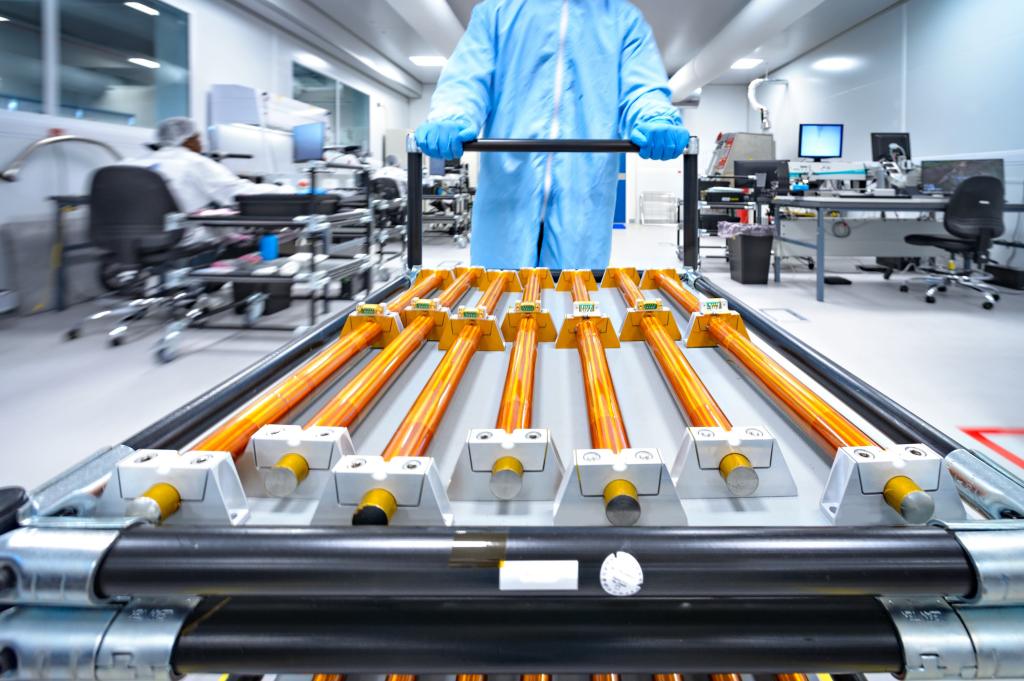
Innovative Startup Uses Prebiotics to Unlock Copper Amid Shortage
Transition Metal Solutions is pioneering an eco-friendly technique that uses prebiotics to activate microbes for enhanced copper extraction, helping to mitigate the global copper shortage by making ore processing more effective and sustainable.

Microsoft Partners with Varaha for Long-Term Carbon Dioxide Removal
Microsoft is securing a significant carbon dioxide removal partnership by buying over 100,000 tons of credits from India's Varaha over three years, showcasing its commitment to durable environmental sustainability.

Microsoft Expands Data Centers Nationwide Without Increasing Your Power Costs
Microsoft is expanding its AI data centers across the country, emphasizing its commitment to environmental responsibility and assuring customers that electricity costs will not increase as a result of this growth.
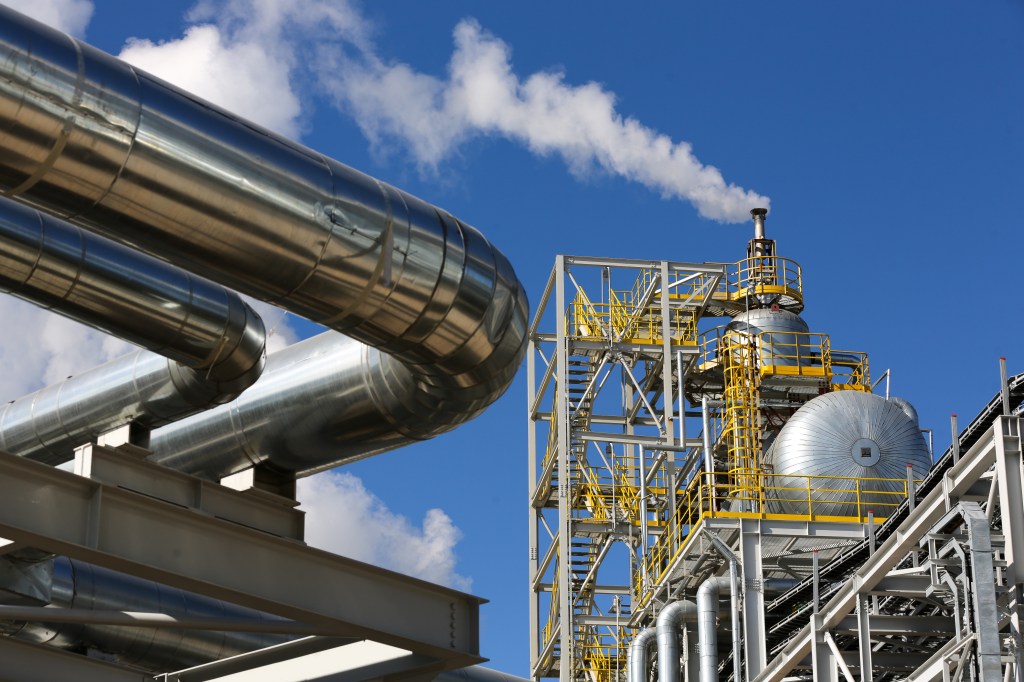
Ammobia Revolutionizes Ammonia Production with Modern Twist on Haber-Bosch Process
Ammobia introduces a groundbreaking upgrade to the traditional Haber-Bosch ammonia synthesis process. This innovation could revolutionize industries like power generation and maritime shipping by offering a more sustainable and efficient alternative, with far-reaching environmental and economic benefits.

Superorganism Secures $25M to Support Startups Focused on Biodiversity
Superorganism has raised $25 million to fund startups that are developing technology to prevent extinction, addressing climate and biodiversity challenges, and creating tools to support conservationists. This initiative aims to advance efforts in protecting biodiversity through innovation and focused investment.
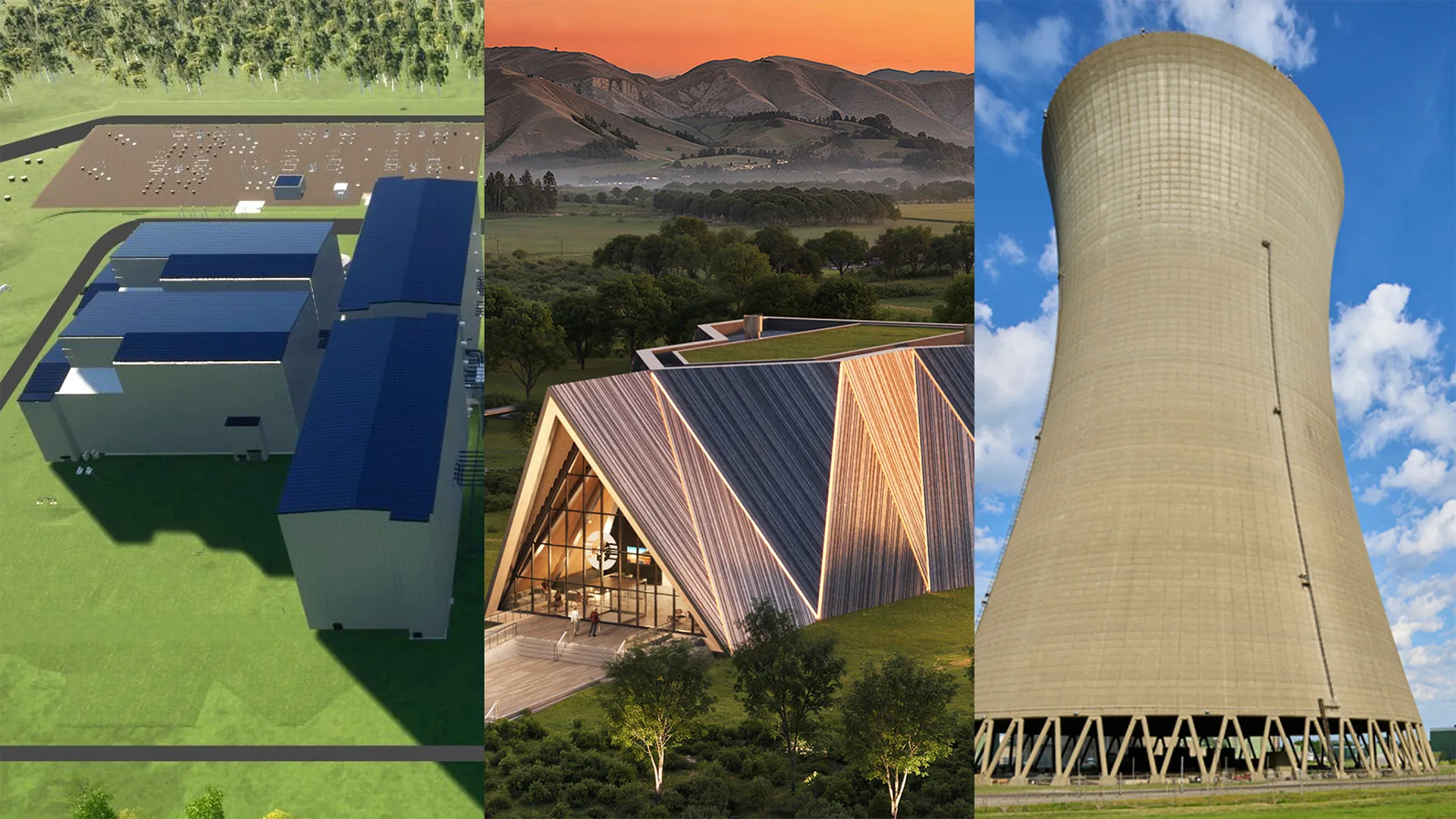
Mark Zuckerberg Champions Nuclear Energy to Power Meta's AI Innovation
Meta is leveraging nuclear energy to power its next-generation AI supercluster through collaborations with three nuclear firms, highlighting a commitment to sustainable innovation in technology.

Meta Partners with Nuclear Energy Firms to Power Its AI Data Centers
Meta is securing nuclear power deals with TerraPower, Oklo, and Vistra to fuel its Prometheus AI data center in Ohio. These agreements aim to provide up to 6.6 gigawatts of clean energy by 2035, promoting American nuclear infrastructure and supporting thousands of jobs. The partnerships complement Meta’s ongoing commitment to sustainable energy for its expanding AI operations.