

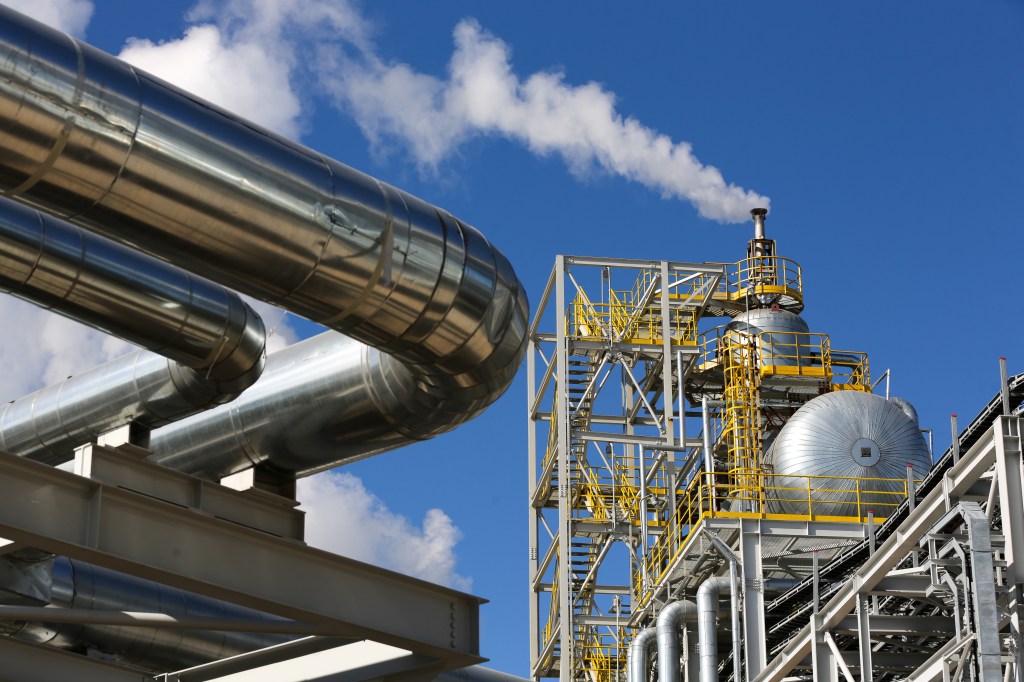

Ammobia Revolutionizes Ammonia Production with Modern Twist on Haber-Bosch Process
Ammobia introduces a groundbreaking upgrade to the traditional Haber-Bosch ammonia synthesis process. This innovation could revolutionize industries like power generation and maritime shipping by offering a more sustainable and efficient alternative, with far-reaching environmental and economic benefits.

Superorganism Secures $25M to Support Startups Focused on Biodiversity
Superorganism has raised $25 million to fund startups that are developing technology to prevent extinction, addressing climate and biodiversity challenges, and creating tools to support conservationists. This initiative aims to advance efforts in protecting biodiversity through innovation and focused investment.
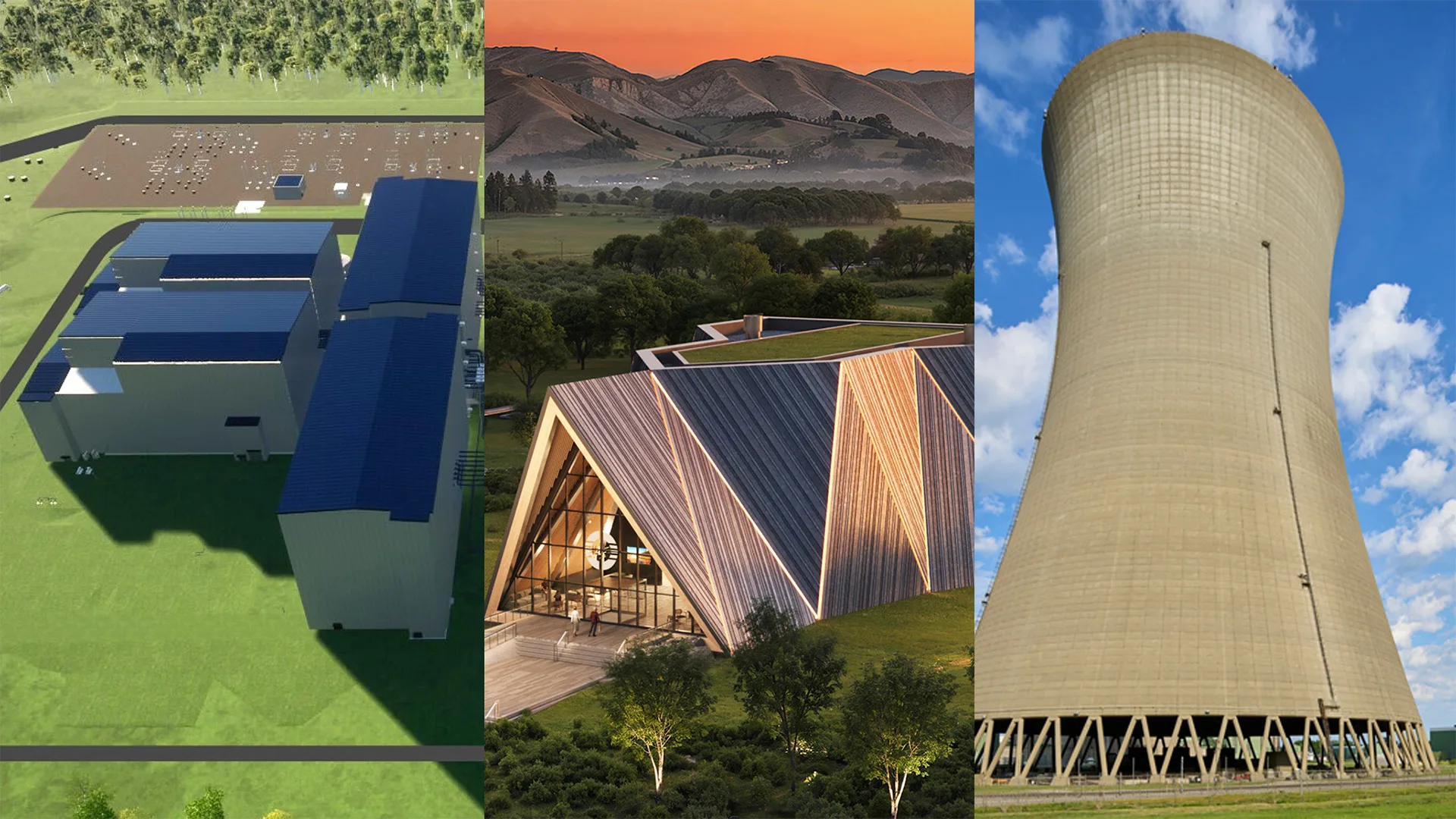

Mark Zuckerberg Champions Nuclear Energy to Power Meta's AI Innovation
Meta is leveraging nuclear energy to power its next-generation AI supercluster through collaborations with three nuclear firms, highlighting a commitment to sustainable innovation in technology.


Meta Partners with Nuclear Energy Firms to Power Its AI Data Centers
Meta is securing nuclear power deals with TerraPower, Oklo, and Vistra to fuel its Prometheus AI data center in Ohio. These agreements aim to provide up to 6.6 gigawatts of clean energy by 2035, promoting American nuclear infrastructure and supporting thousands of jobs. The partnerships complement Meta’s ongoing commitment to sustainable energy for its expanding AI operations.


The Environmental Cost of AI: Unseen Pollution and Its Climate Impact
While AI is championed for its role in addressing climate challenges, the substantial carbon footprint and methane emissions from AI data centers present a hidden environmental threat. This pollution, often overlooked, could undermine efforts to mitigate the climate crisis, prompting urgent calls for cleaner energy solutions in AI development.

12 Investors Share Their Predictions for Climate Tech in 2026
Venture investors stay positive about climate tech's future in 2026, driven by rising electricity and material demands from data centers despite recent market challenges.

Harnessing AI to Address Its Own Energy Challenges
AI is driving unprecedented innovation but also creating major energy demands that strain aging infrastructure. By using AI's power to forecast demand accurately, manage maintenance, and optimize energy use dynamically, industries can build smarter, more resilient, and cost-effective energy systems. Achieving this requires collaboration across utilities, regulators, businesses, and governments to modernize the grid and treat energy as a strategic asset. This collective effort can transform today's energy challenges into tomorrow’s competitive advantage.


Transforming the Plastic Waste Challenge into a $125 Billion Renewable Energy Breakthrough
Plastic pollution is escalating rapidly, but an innovative company is turning this challenge into a $125 billion opportunity by converting plastic waste into renewable energy, providing a sustainable response to environmental concerns.


Cleantech Investment Faces Challenges but Ends Year with Renewed Momentum
Cleantech investment experienced a challenging year with the lowest funding in five years, despite a strong global spending environment and high venture capital levels. Political changes affected early-year investments, but sectors such as nuclear power and battery technologies saw notable funding rounds. The year closed on a positive note, suggesting a hopeful outlook for cleantech growth ahead.

Whole Foods to Deploy AI-Driven Food Recycling to Convert Scraps into Chicken Feed
Whole Foods is set to launch AI-enabled food recyclers in stores from 2027 to convert food scraps into chicken feed. This initiative highlights the grocer's commitment to innovative waste reduction and sustainable practices.

Key Drivers Shaping Corporate Sustainability in 2025
In 2025, corporate sustainability is being shaped by various dynamic forces that direct companies toward innovative environmental and social practices, signaling a multifaceted evolution in the business approach.

Who Should Bear the Cost of Expanding the Power Grid for Data Centers?
Data centers' rapid growth creates uncertainty for utilities building power infrastructure. States employ different strategies to fairly allocate costs among utilities, data centers, and other consumers, balancing risk and payment security as the electricity system adapts to new demands.
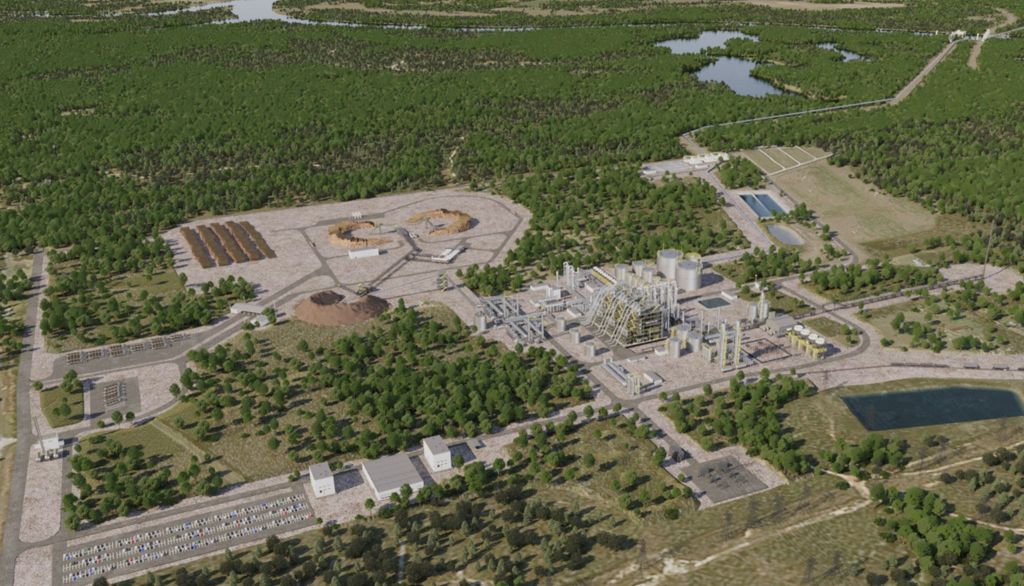
Microsoft Commits to Large-Scale Carbon Removal with Bioenergy Plant Purchase
Microsoft is addressing its growing carbon emissions from expanding data centers by investing in 3.6 million metric tons of carbon removal credits from a bioenergy plant, reinforcing its commitment to remove more carbon than it emits by 2030.

Fervo Energy Secures $462 Million to Expand Geothermal Power Using Underground Heat
Fervo Energy, backed by Bill Gates and Google, has raised $462 million to develop geothermal technology that taps into hot underground rocks for electricity generation, advancing sustainable energy solutions.

Zillow Removes Climate Risk Scores Amid Agent Concerns Over Impact on Sales
Zillow has stopped showing climate risk scores after real estate agents argued that the information was causing a decline in home sales. This decision limits buyers’ access to essential climate risk data that was previously available on the platform.
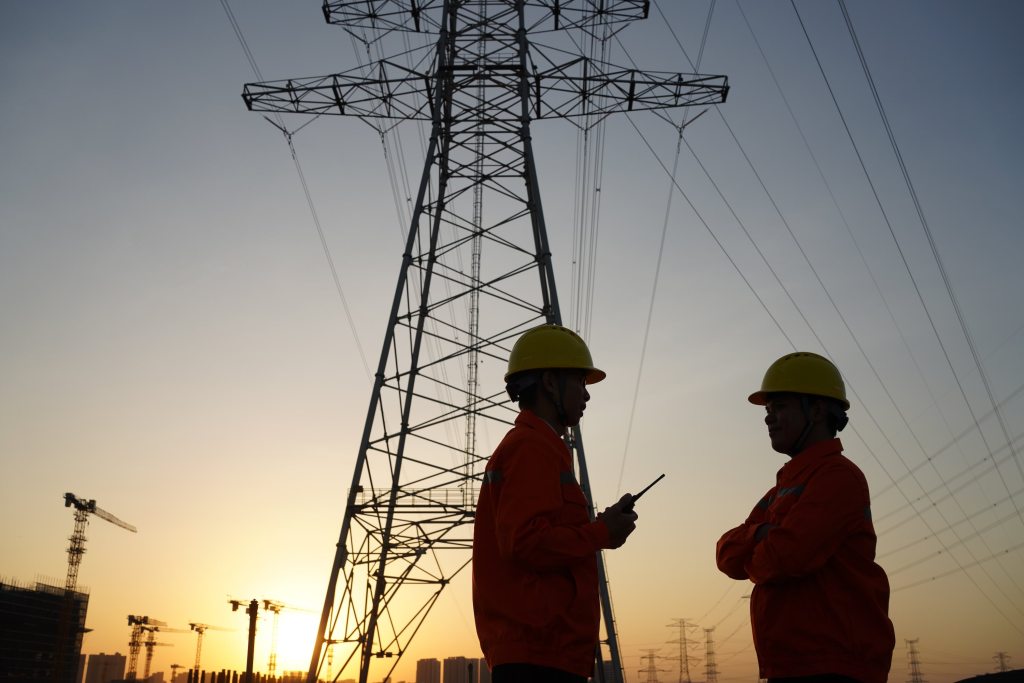
Data Center Energy Consumption Projected to Triple by 2035
Upcoming data centers are forecasted to triple their energy use by 2035, putting pressure on the power grid and contributing to higher electricity costs according to grid monitors.
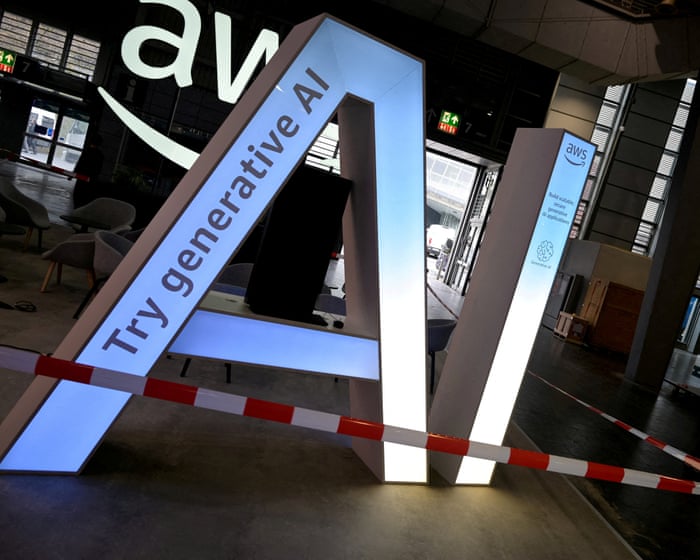
Over 1,000 Amazon Employees Raise Alarm Over Fast-Paced AI Implementation Impacting Jobs and Environment
More than a thousand Amazon workers have signed an open letter expressing deep worries about the company's accelerated AI rollout. They highlight risks including job losses, threats to democracy, and environmental harm, especially in light of recent mass layoffs tied to greater AI integration.
Meta to Enter Electricity Trading to Support Data Center Energy Needs
Meta is aiming to accelerate the construction of new power plants by entering the electricity trading business. This move will help secure energy supply for its growing data centers, enhancing its infrastructure capabilities.
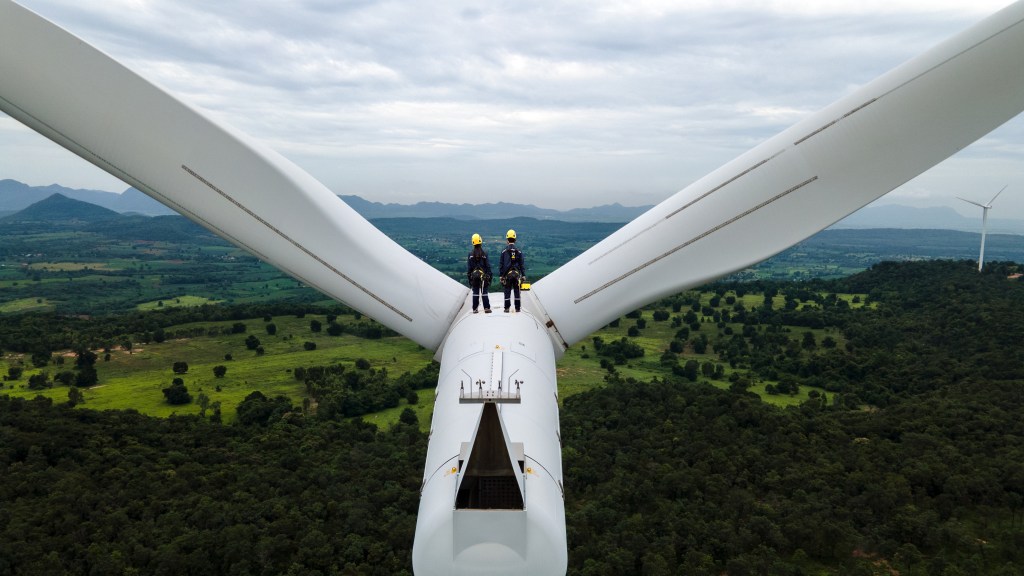
Why This Moment Marks a Turning Point for Climate Tech Investment
Over the last decade, public and business perspectives on climate change have changed drastically, setting the stage for groundbreaking developments in climate technology and investment opportunities.

Rethinking R&D: Bridging Innovation with Impact
Research and Development must evolve beyond isolated experimentation. Leaders today blend scientific discovery with strategic vision, sustainability principles, and people-centric approaches to create meaningful outcomes that drive progress and value.