



Rethinking Sustainability: Addressing the Human Element for Real Impact
Sustainability efforts often fail due to human factors rather than flaws in strategy alone. Success depends on engaging people and fostering a culture that supports sustainable practices, highlighting the importance of the human element in driving impactful change.

Deloitte Reveals Rising Impact of Extreme Weather on Workforce
Deloitte highlights that extreme weather events are increasingly affecting employee health, transportation, and productivity, signaling significant operational challenges for businesses linked to climate change.


Rana el Kaliouby: Championing a Human-Centered Approach for AI's Future
Rana el Kaliouby highlights the need for AI development that centers human well-being. She advocates for ethical practices, human-centric innovation, and collaboration while navigating challenges such as misconceptions about AI's market and its true potential in industries like healthcare and sustainability.

Leadership Lessons from Gen Z Founders on Gaining Respect at Work
Gen Z founders leverage unique internship experiences to build leadership styles centered on ownership, impact, and transparency. Despite youth and skepticism from others, they balance humility with confidence, using mentorship and innovation to command respect in the workplace.


Senate Proposes Power Usage Transparency for Data Centers
Senators demand greater transparency in data centers' electricity consumption to assess their impact on the power grid, urging the Energy Information Administration to gather comprehensive usage data.


€36 Million Fund Supports 341 Groundbreaking Research Initiatives
Over €36 million in funding will support 341 innovative research projects focused on cancer treatments, sustainable food solutions, and energy-efficient batteries, promoting progress in health, sustainability, and energy technology.
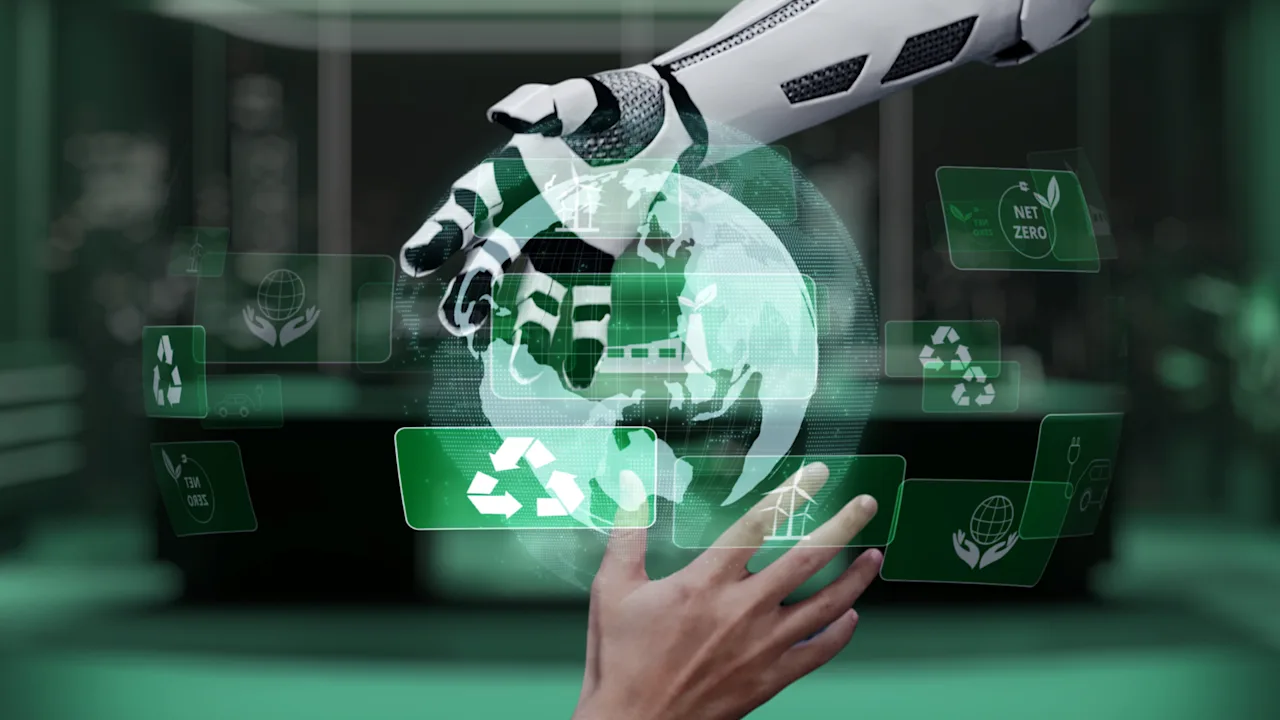
Purpose Over Sustainability: Navigating Business Success in the Age of AI
Sustainability and ESG topics are losing their spotlight in business discussions, replaced by the rise of AI. Yet, true long-term success lies in a company’s clear sense of purpose — a commitment to why they exist beyond profits or trends. Purpose, amplified by AI’s capabilities, enables meaningful personalization and builds trust amid increasing market sameness and consumer skepticism. As consumer focus shifts from collective ideals to individual needs, businesses must operationalize purpose deeply to foster loyalty, differentiation, and resilience. Abandoning purpose risks losing connection with customers and employees, while integrating it strategically is key for thriving in the AI-driven future.


Finnish Startup Elea & Lili Secures €2.5M to Develop Plastic Alternatives
Finnish startup Elea & Lili has raised €2.5 million to create sustainable alternatives to plastic in disposable nappies. The current material, polyacrylate, is petroleum-based, non-biodegradable, and contributes to long-term environmental pollution, highlighting a pressing need for innovation in the hygiene industry.

Building a Legacy: How to Establish a Business That Endures Beyond Its Founder
This article explores the key strategies for building a sustainable business designed to thrive long after its founder has stepped away. It emphasizes the importance of long-term planning and sustainable practices to ensure lasting success.


Closing the Leadership Generation Gap for Tomorrow’s Success
Today's workforce is largely young, but business leadership is aging, creating a generational gap. Bridging this gap with age-diverse leadership teams brings innovation and resilience by combining experience with fresh perspectives. Strategies such as mentoring, shared decision rights, and leadership development pipelines enable organizations to harness the strengths of all generations, ensuring adaptability and sustained success.
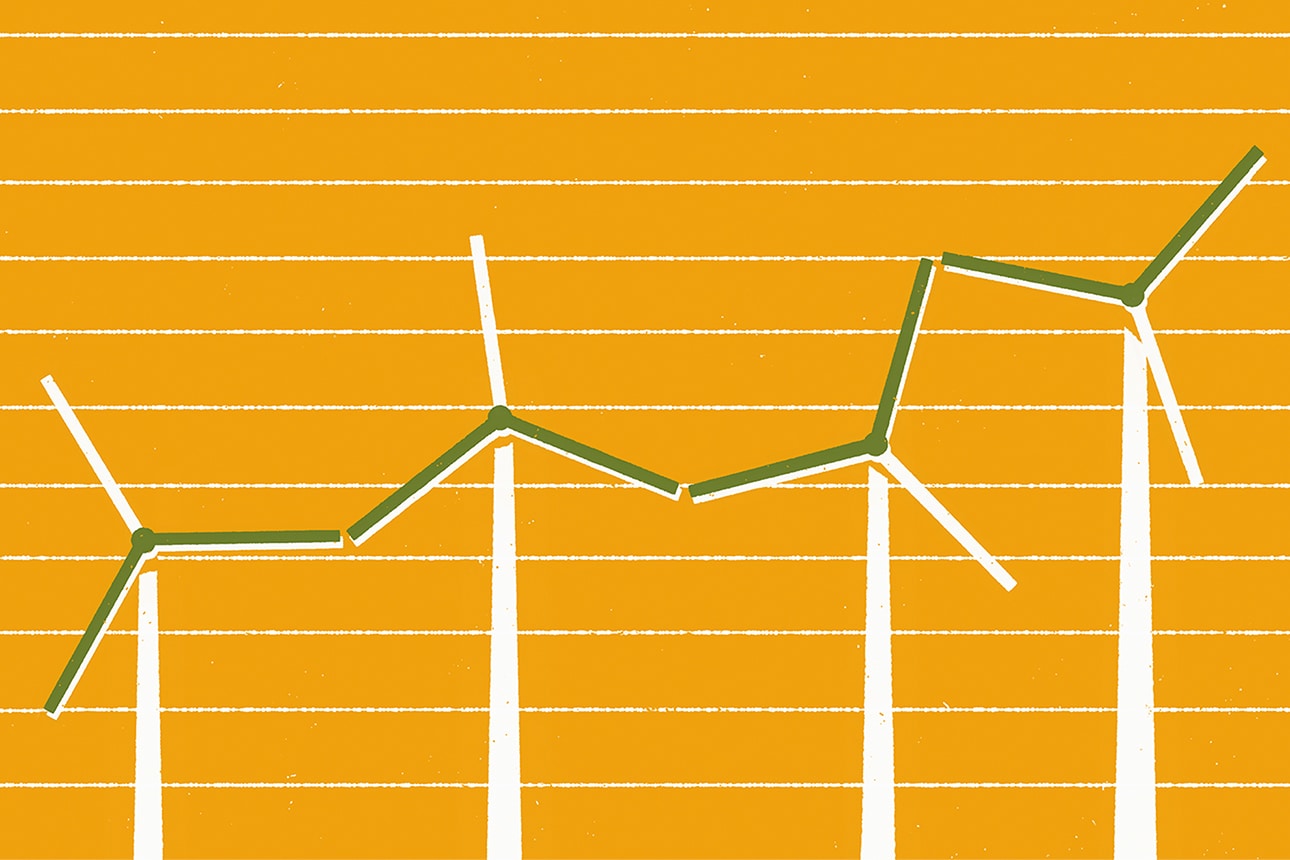
Schneider Electric's Strategic Expansion of AI Across Products and Operations
Schneider Electric leads in scaling AI by embedding it within existing products and operations, avoiding pilots to ensure impact. The company balances internal and customer-facing AI applications, prioritizes business value, and employs tailored training. Its strategic deployment and governance model serve as a benchmark for enterprises aiming to achieve significant AI-driven efficiency and growth.


Why People Struggle to Change Their Tech Habits Despite Feeling Guilty — A Business Opportunity
Research shows that although many feel guilty about their tech habits and their environmental effects, this concern rarely leads to behavior change, presenting a unique opportunity for businesses to bridge this gap.

Four Strategies for Entrepreneurs to Drive Growth and Create Meaningful Change
This article provides entrepreneurs with four effective strategies to grow their businesses profitably while ensuring their efforts result in measurable and positive social and economic impacts.


Merrell Launches New Global Campaign to Inspire Outdoor Connection
Merrell's inaugural global brand platform encourages people to find solace in nature, offering a refreshing escape from the stress and demands of today's digital world. The initiative highlights the outdoors as a vital refuge for mental and emotional well-being.


Breaking Free from Big Tech: Exploring Ethical Alternatives to Amazon, Google, Meta, Apple and Others
Big tech companies control much of the internet and our data, raising concerns about privacy, misinformation, and ethics. Ethical, often European alternatives are emerging as viable options to these dominant firms. Consumers should be aware of the trade-offs involved in using big tech products, which often prioritize profit over user benefit.

Growing Public Resistance to AI Data Center Expansion
Increasing public resistance to the expansion of AI data centers is driving stringent policies and bans on new construction projects to address environmental and social concerns.


Crafting Sustainable UI: A Modern Designer's Approach
In 2026, sustainable UX is about minimizing digital footprint by rethinking design elements like high-res images and complex animations, prioritizing responsible performance over sheer visual complexity.

Sam Altman Defends AI's Energy Use Amid Criticism From Climate Experts
Sam Altman, CEO of OpenAI, defended the environmental impact of AI by comparing its energy use to that of humans, sparking criticism from climate experts who find the comparison flawed and misleading. Experts warn AI's growth will significantly increase demand on water and energy resources. Altman acknowledges these concerns and advocates for renewable energy, but climate scientists suggest his stance reflects a tech-centric optimism that downplays the urgent climate risks AI poses.
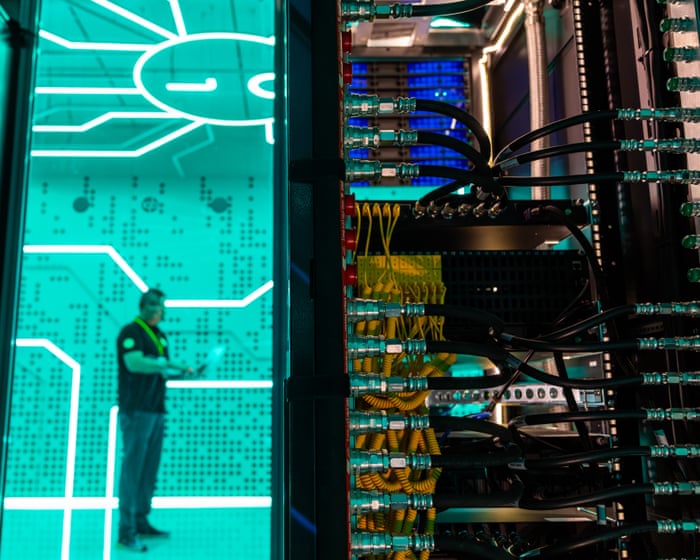
Ofgem Warns New AI-Driven Datacentres Could Double UK's Peak Electricity Demand
Ofgem has raised concerns that 140 upcoming AI-powered datacentres in Great Britain may require more electricity than the current national peak demand, potentially increasing power consumption by 50 gigawatts. This situation poses major challenges for energy infrastructure amid rapid technological growth.

Who Decides Our Food When AI Replaces Human Jobs?
Amid growing concerns about AI replacing human labor, an important but neglected question is how society will provide food for everyone if jobs disappear. Historical parallels suggest resilience but highlight the need for serious planning now.