



ECB’s Lagarde calls for more climate insurance and grid investment in Europe
ECB President Christine Lagarde urged Europe to expand climate-related insurance and invest in power infrastructure. This signals pressure on insurers, banks and corporates to address climate risks and resilience. Watch for public-private reinsurance proposals at COP31.
Barclays increases client reviews to track flood risk as UK insurance access tightens
Barclays has intensified its client review process to monitor flood exposure, citing rising climate risks and insurance challenges. This matters for banks and insurers as UK firms struggle to secure cover and adjust capital allocation. Watch for regulatory scrutiny and insurance market shifts.

EU to require national climate resilience plans as 3C warming looms
The EU plans to require all 27 member states to submit climate resilience plans by 2030, preparing for a possible 3C rise in global temperatures. Insurers and banks face rising risk exposure as adaptation becomes mandatory. Watch for final adoption and sector-specific guidance.


Germany eases data centre heat rules to boost AI, risking climate backlash
Germany plans to double its data centre capacity by 2030, but has eased waste heat recycling rules after industry pushback. For regulated-industry leaders, this shift may speed AI infrastructure growth but raises climate compliance risks. Watch for further regulatory changes.


European Commission Boosts Research and Innovation Funding by €500 Million
The European Commission has announced a €500 million increase in its research and innovation funding, raising the total budget to around €14.8 billion. This expanded investment targets progress in critical areas including biodiversity and AI, underscoring the EU's commitment to innovation and sustainable development.


Leveraging Energy Efficiency for Strategic Business Success
Global companies are harnessing digital data and AI to slash energy use, cut costs, and boost resilience. Comprehensive strategies combining real-time energy tracking, operational redesign, and energy-smart products create lasting competitive advantages. Leading firms like Clariant and Georg Fischer demonstrate how integrating energy efficiency into business priorities supports sustainability and growth, particularly amid rising and volatile energy costs.


Senate Democrats Reject Data Center Energy Bill, Citing Ineffectiveness
Senate Democrats opposed the Ratepayer Protection Act, arguing that the bill fails to effectively address data centers' impact on energy consumption and consumer costs. The bill was narrowly rejected in the Republican-led Senate, with a small group of Democrats supporting it.


Data Center Faces $1.07 Million Penalty Over Premature Power Activation Risks
A data center was fined $1.07 million after powering up before the electrical grid was ready, highlighting challenges as data centers shift to new fuel sources. This incident has prompted states to enhance regulatory frameworks to manage the evolving energy demands and mitigate risks associated with grid integration.
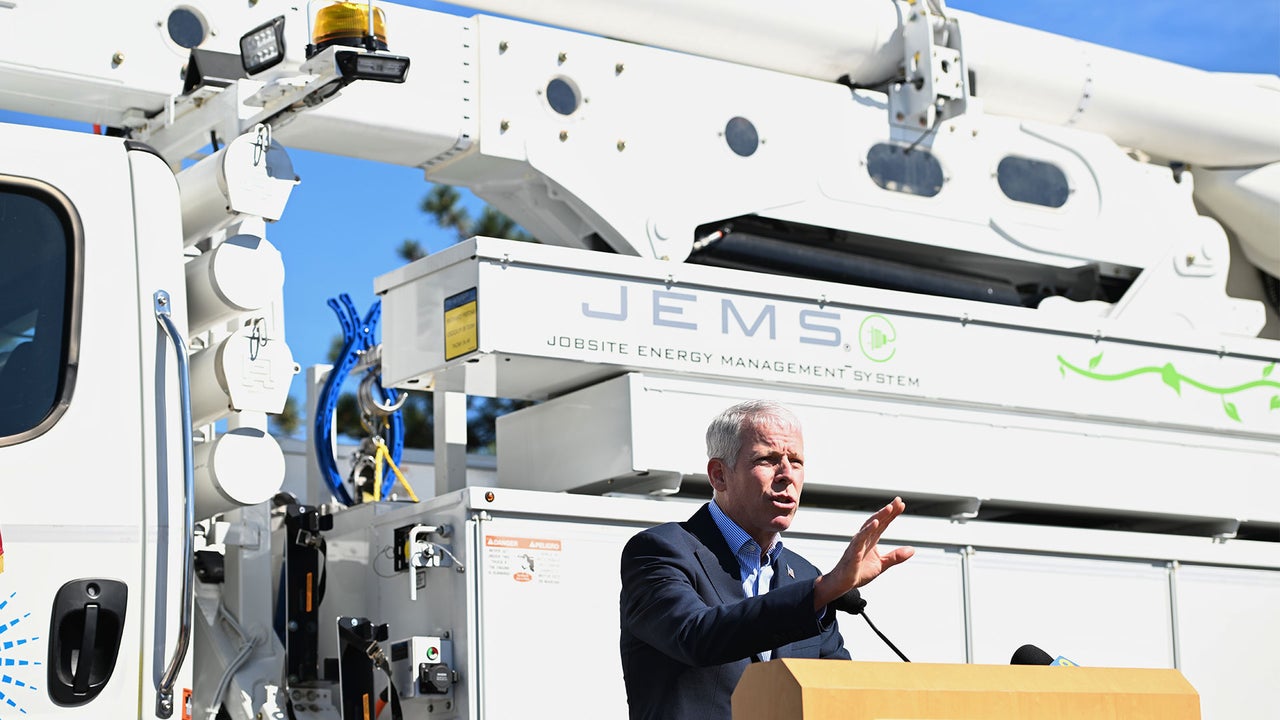

Energy Department Allocates Nearly $2 Billion to Enhance U.S. Power Grid Across 26 States
The Energy Department is investing nearly $2 billion in 31 projects across 26 states to upgrade the U.S. power grid using advanced technologies. This initiative aims to increase electrical capacity by over 23 gigawatts, improve reliability, and reduce costs for millions of Americans, addressing rising demands fueled by AI data centers. The projects are part of a federal effort to modernize the grid and prepare for higher energy needs ahead of winter.


California Moves to Increase Transparency on Data Centers' Resource Use
California has enacted new laws mandating data centers to report their electricity and water usage more openly, addressing community concerns about resource strain from AI infrastructure development. This initiative aims to provide better transparency and empower local communities regarding environmental impacts.

Why Mercy Corps Became Prosper Global: Insights from CEO Tjada McKenna
Tjada McKenna, CEO of Prosper Global (formerly Mercy Corps), explains the rebrand as a shift from emergency aid to long-term prosperity for vulnerable communities worldwide. Amid global crises and climate challenges, Prosper Global focuses on sustainable solutions and innovation to help people not just survive but thrive.

EU Introduces Unified Energy Efficiency Rating for Data Centres
The EU is proposing a standardized energy rating system for data centres to address the growing energy demands anticipated with a planned capacity increase over the next several years, aiming to enhance sustainability in the sector.

Why Sustainability Initiatives Often Lose Momentum and How to Keep Them on Track
Sustainability transformations often lose momentum not due to lack of conviction but because early team mindsets and decisions lock in pragmatic or idealistic approaches that limit flexibility. Successful ventures balance profit and purpose through a tension-holding mindset, enabling adaptable decision-making. Corporate sustainability leaders can prevent drift by building cognitively diverse teams, seeking early stakeholder feedback, and starting programs simply to maintain flexibility under pressure.


OpenAI Explores Data Centre Opportunities in Canada Due to Energy and Land Benefits
OpenAI is evaluating partnerships for data centres in Canada because of the country's ample land and energy resources. Previously, OpenAI paused a UK project due to regulatory and energy cost concerns. The move reflects OpenAI's strategic efforts to expand infrastructure in regions with supportive conditions.

Lidl Launches Autonomous Electric Truck Service in Germany with Einride
Lidl has started daily operations of Einride's driverless electric truck between a logistics center and store in Germany, facilitated by a pioneering permit from the transport authority. This marks a key step forward in autonomous vehicle usage for short-distance logistics within the country.


Massachusetts Enacts New Clean Energy Regulations for Data Centers
Massachusetts has introduced new clean energy rules targeting data centers, marking the third state to take such action recently. The regulations focus on requiring more sustainable power usage in data center developments to address environmental impacts and promote greener technology infrastructure.

Google and NASA JPL Unveil AI Model to Detect Global Methane Emissions
Google Research and NASA JPL have launched a sophisticated AI model that maps methane emissions globally with high precision, detecting many more plumes than human analysts. The model identified thousands of new sources, including major landfills, supporting efforts fueled by new European methane regulations aimed at better monitoring and reducing emissions.

Enhancing the Integrity and Impact of Digital Critical Infrastructure
Digital critical infrastructure—ranging from search engines to social media—has become essential to society but often lacks the safeguards and transparency found in traditional infrastructure like food and water systems. Failures in these systems pose significant risks, including misinformation and privacy exploitation. Implementing human-centered design, transparency, and regulatory protections can create digital infrastructure that better serves public well-being and supports a healthier, safer digital environment.

TCS Pledges $7.4 Billion for Green AI Data Center Campus in Hyderabad
Tata Consultancy Services is investing $7.4 billion in a green AI data center in Hyderabad, focusing on sustainability through the use of renewable energy and water-neutral design. The center will meet EU requirements for water usage reporting for data centers exceeding 500kW capacity.


The IPO Window Narrows: 8 Startups to Watch in 2026
2026's IPO landscape is highlighted by SpaceX's historic debut, with a shrinking window for other major venture-backed startups to go public. Crunchbase identifies eight key startups across AI, fintech, crypto, and green tech sectors likely to IPO within six months, including Anthropic, Oura, Notion, and Kraken. These companies represent diverse innovations and market potential amid a strong year for venture-backed listings, signaling shifts in investor enthusiasm and strategic timing for public offerings.