



Essential Q4 Strategy Adjustments for CEOs to Avoid Next Year's Pitfalls
This practical guide offers CEOs a clear framework to recalibrate their strategies in Q4, ensuring they address ongoing issues effectively and avoid repeating the same mistakes in the upcoming year.
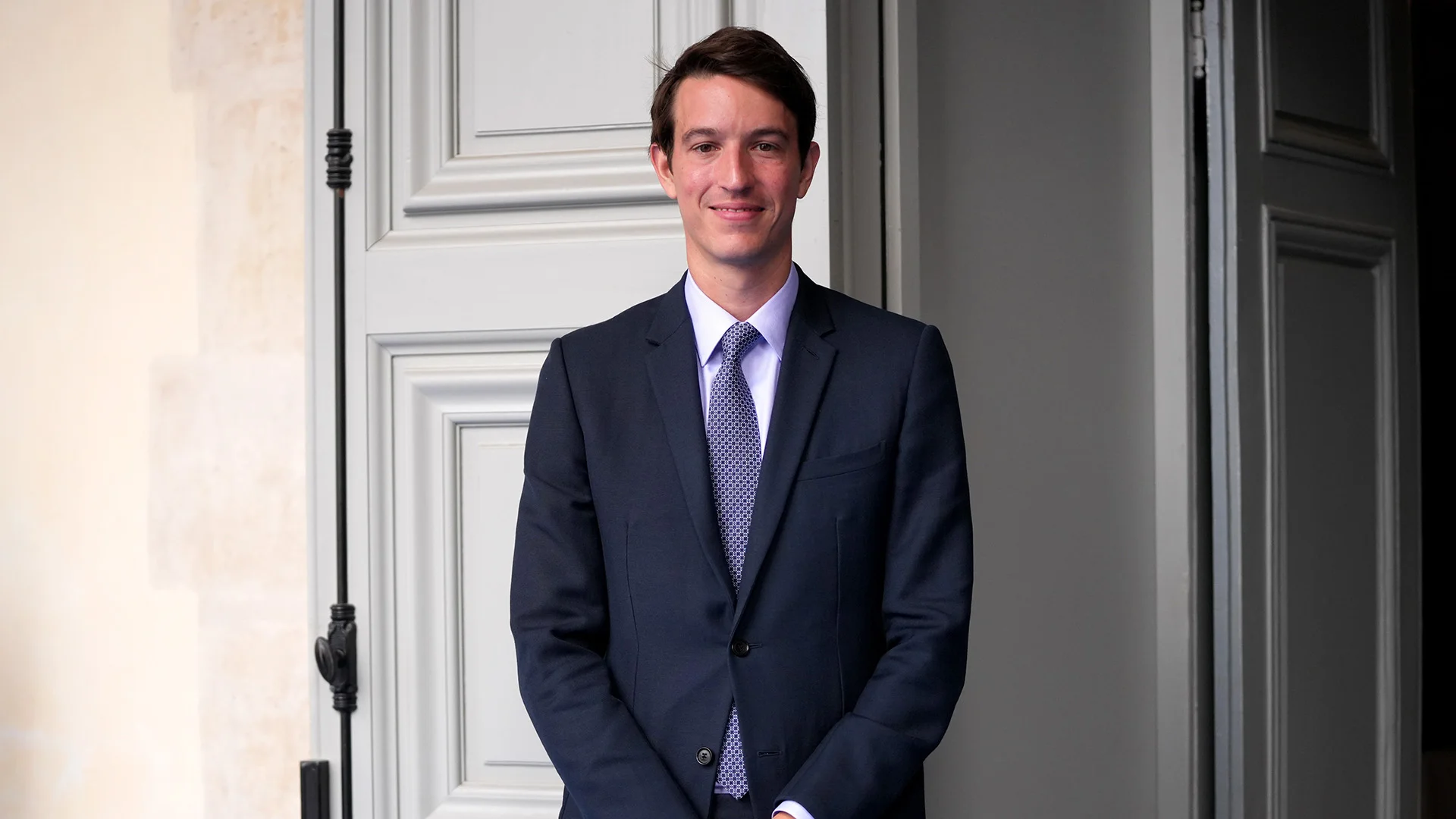

Nike Taps Luxury Industry Veteran Alexandre Arnault for Board as Part of Strategic Shift
Nike recently appointed Alexandre Arnault, a luxury market veteran from LVMH and Tiffany, to its board. This signals a deliberate strategy to infuse luxury industry knowledge into Nike’s business, supporting its broader comeback and innovation plans.

Uber Cuts 20% of Its Managers: A Cautionary Tale for Other Companies
Uber's decision to cut 20% of its management team highlights the potential downsides of flatter organizational structures. While these setups aim to lower costs and accelerate decision-making, they may also eliminate crucial managers who ensure strategies are effectively implemented.


Guiding a Company Through Its Next Phase of Growth
Match Group CEO Spencer Rascoff discusses how the company is navigating a critical transformation by adapting its strategies and leadership approach to thrive in a rapidly changing market shaped by AI. He emphasizes speed, accountability, and innovation as key drivers for the company’s next chapter.


McKinsey Prioritizes Technical Talent Over Traditional MBAs
McKinsey is evolving its hiring strategy by focusing on recruiting more technically skilled engineers rather than relying primarily on traditional MBA holders. This shift reflects the firm's commitment to strengthening its technical capabilities to better serve client needs.
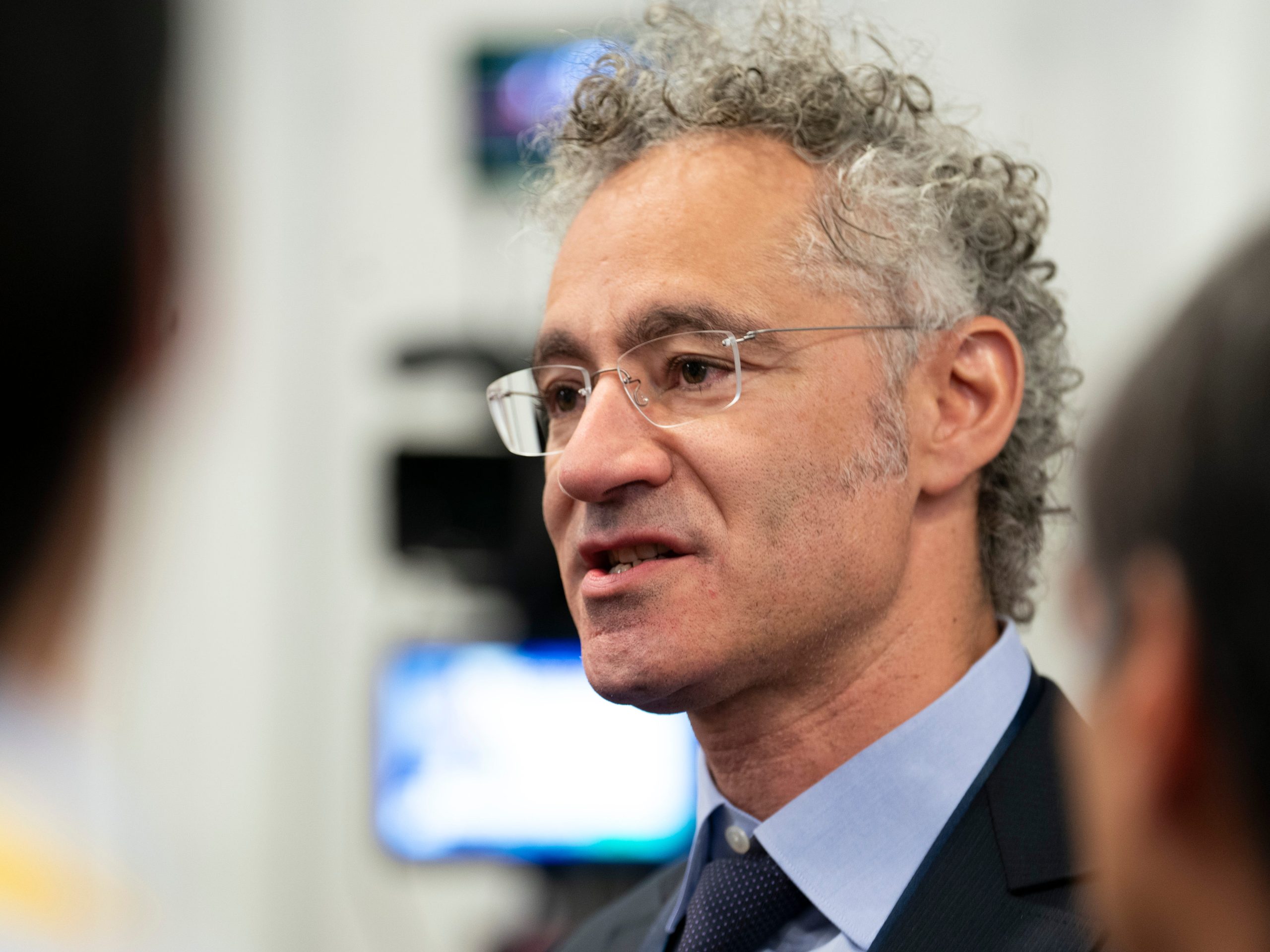
Alex Karp Highlights Nationalization as Core Issue in AI Safety Debate
Alex Karp, CEO of Palantir, emphasizes that the AI safety discussion often masks a deeper issue: the potential nationalization of top AI labs due to intellectual property concerns. He points out that this could become a significant factor in how AI development is governed and controlled.
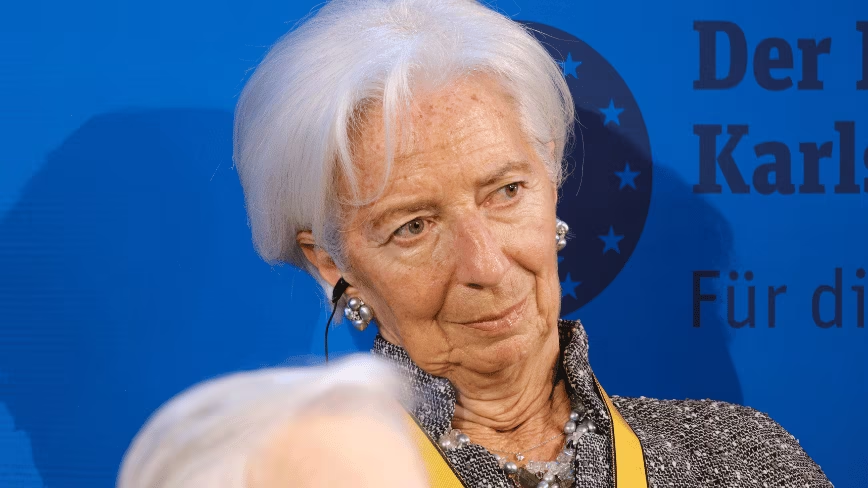

Lagarde Urges Europe to Develop Independent AI Capabilities to Avoid Geopolitical Risks
Christine Lagarde, ECB President, highlighted Europe’s need to create its own AI technologies to prevent reliance on foreign systems that could be used as bargaining leverage by other countries. She underscored this risk during a speech in Vienna, advocating for European AI self-sufficiency to secure economic and political autonomy.
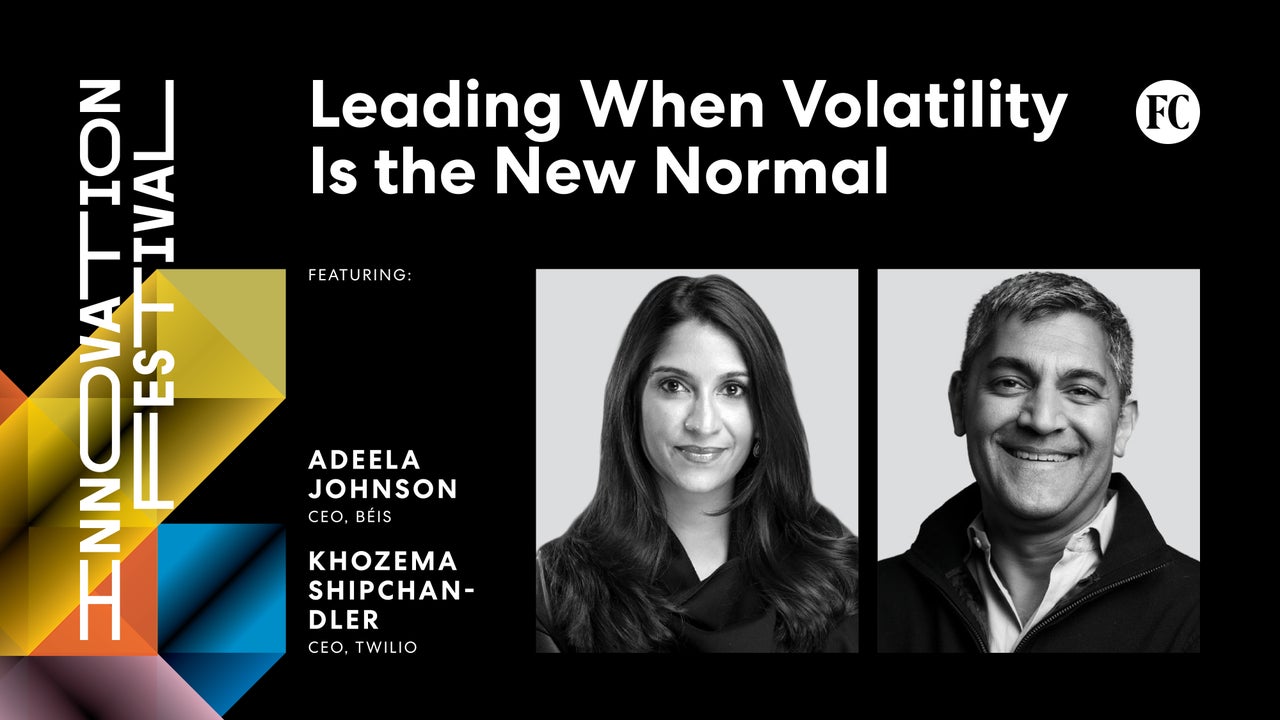
Leading Through Constant Change: Navigating Uncertainty with Confidence
In a world where uncertainty is constant, leaders like Adeela Johnson and Khozema Shipchandler share insights on adapting management strategies to thrive amid AI disruption, geopolitical unrest, and economic pressures. The focus is on building agile, resilient organizations that can respond effectively to unforeseen challenges rather than waiting for perfect clarity.

Oracle CFO Addresses Layoffs, Suggests 'Doing More with Less' Isn't Always Effective
Oracle's CFO spoke candidly in an all-hands meeting, cautioning against the mindset of 'doing more with less' as a catch-all solution. This statement coincides with the company's latest round of layoffs, highlighting ongoing organizational changes. The CFO's message suggests a need for thoughtful management beyond mere cost-cutting.
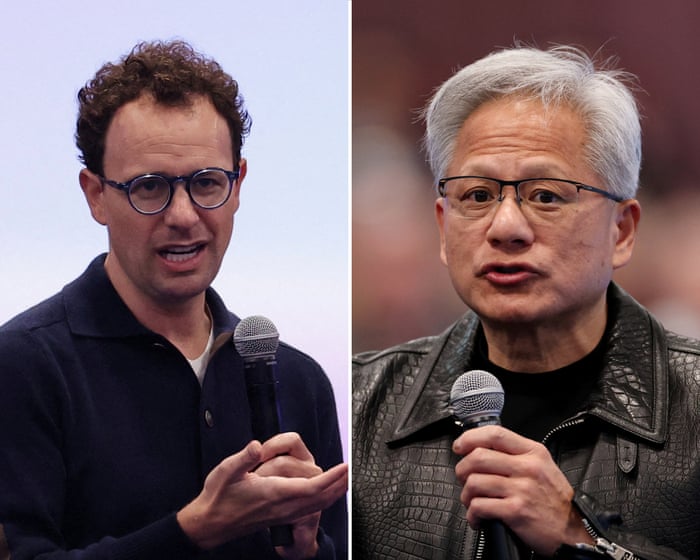

Anthropic and Nvidia CEOs Clash Over Pace of AI Development
At a key San Francisco event, Anthropic's CEO urged a pause in AI development to ensure safety and responsibility, likening it to how car companies respond to brake failures. Nvidia's CEO disagreed, advocating for continued acceleration. The discussion highlights the ongoing debate about managing AI risks without stifling innovation.

15 Experts Share Key Economic Metrics Every Business Should Track
Fifteen industry leaders emphasize the importance of tracking varied economic indicators beyond traditional metrics. From regulatory changes to healthcare expenses, labor participation, AI innovation speed, liquidity, inflation, and trust, these metrics provide vital insights to help businesses adapt, grow, and stay competitive in an increasingly complex environment. Paying attention to these indicators allows companies to anticipate challenges and capitalize on emerging opportunities.

Greg Abel’s Silent Leadership Statement: A New Era for Berkshire Hathaway
Greg Abel, succeeding Warren Buffett as Berkshire Hathaway CEO, demonstrated powerful leadership by investing billions in the company’s future, signaling confidence and trust. His bold financial moves earned market and analyst approval, reinforcing the value of backing your own vision to inspire trust and drive growth.


Nscale Welcomes Former OpenAI Executive Fidji Simo to Board as IPO Plans Take Shape
Fidji Simo, former OpenAI executive and leader of Instacart's 2023 IPO, has joined the board of Nscale as the company prepares for a possible IPO. Her expertise is expected to play a key role in guiding Nscale's growth and public debut.

Why Most AI Implementations Fail: It's Not About Training
Many AI initiatives stumble not due to technical training issues, but because companies lack the cultural foundation that encourages employee experimentation, adaptability, and risk-taking, which are crucial for AI to drive real performance improvements.

Top VC Firm Highlights Growing Importance of Marketing Leaders Amid CMO Decline in Fortune 500
Andreessen Horowitz’s decision to add a marketing leader to its C-suite reflects a broader debate about the evolving significance of marketing roles, especially as CMOs become less common in Fortune 500 companies. This move suggests that marketing expertise is more critical than ever in driving business success and innovation.

AI is Transforming Work Dynamics, Not Just Replacing Jobs
AI is not merely replacing jobs; it is fundamentally restructuring work by breaking down traditional roles into tasks and capabilities. This shift challenges organizations to find new ways to develop expertise, especially as AI takes over repetitive entry-level tasks. Successful workforce strategies will focus on capability ecosystems, strategic use of workforce data, and intentional work redesign that balances AI efficiency with human creativity and judgment.
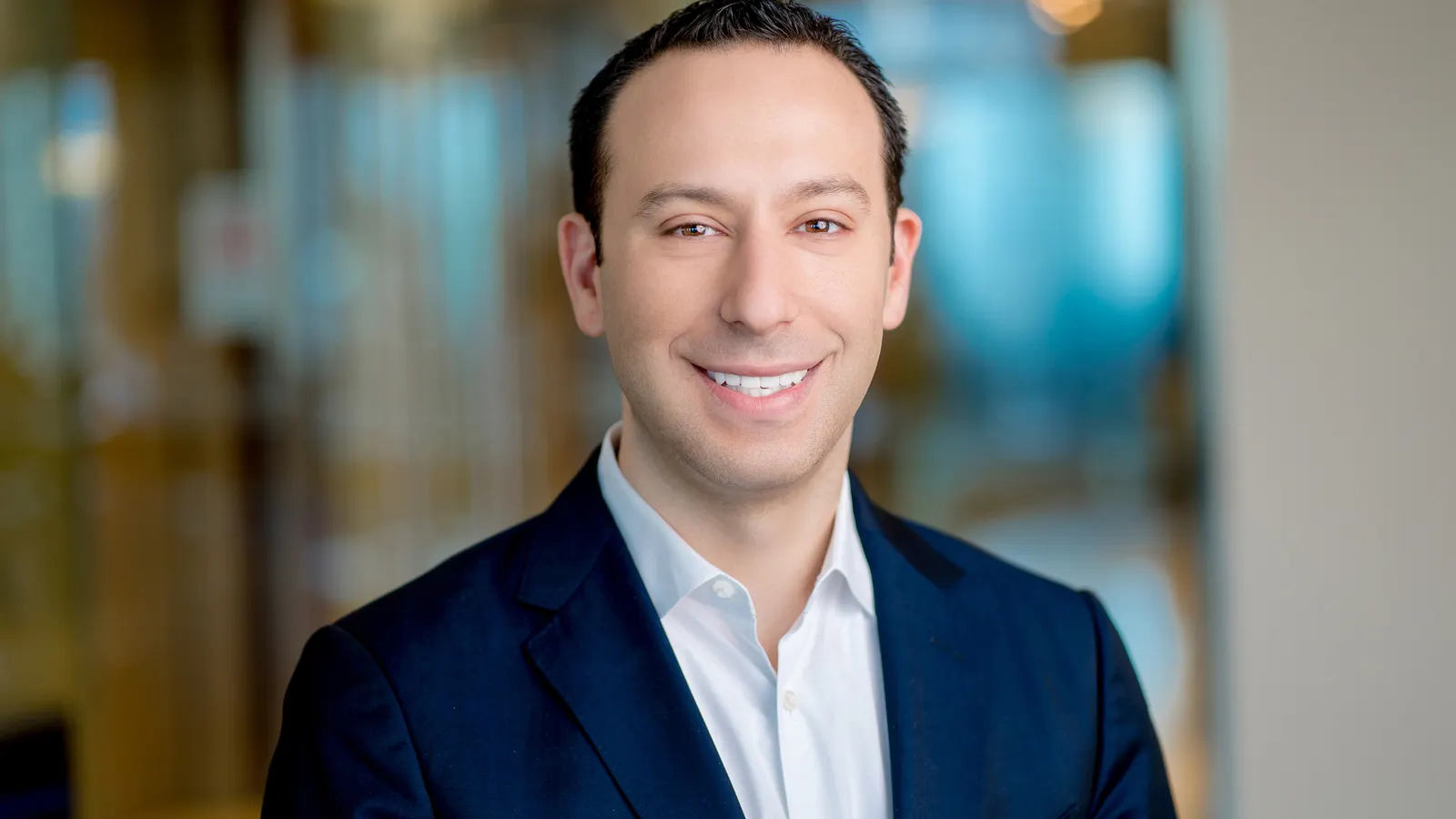

Hilton's Chief Marketing Officer Mark Weinstein to Depart After 16 Years
Mark Weinstein, Hilton's global CMO, is leaving the company after 16 years to explore career opportunities beyond the travel sector, as confirmed by a company representative.

AI Experts Warn: Businesses Rushing AI Adoption Without Proper Risk Controls
Steven Mills of Boston Consulting Group warns that companies deploying AI agents often overlook proper risk management, which could lead to serious regulatory and operational problems. Rapid AI scaling pressures executives to accelerate without sufficient controls, risking costly failures. Past incidents demonstrate the critical need for governance, human oversight, and accountable leadership in AI projects.

Transformation Happens Beyond the Boardroom: Empowering Frontline Managers
True transformation occurs not in executive meetings, but in the daily decisions of frontline managers. Success depends on simplifying complex workforce data and integrating transformation into everyday workflows. AI can accelerate this only if supported by connected data and real-time insights. Leaders must focus on removing complexity, enabling managers to lead effectively and making new ways of working the easiest and most natural choice.

Meta Reinstates Management Roles for Some Applied AI Employees in Latest Restructuring
Meta is reversing its flattened team approach by asking certain Applied AI employees to return to managerial roles, highlighting a strategic shift in its organizational structure.