



Trump Debates AI Naming While China Shapes the Future of AI Regulation
While Trump focuses on renaming AI to "Super Intelligence," China actively shapes AI's future through comprehensive policies and international cooperation. The real debate isn't about AI's name but who controls its development and governance.

Why Mercy Corps Became Prosper Global: Insights from CEO Tjada McKenna
Tjada McKenna, CEO of Prosper Global (formerly Mercy Corps), explains the rebrand as a shift from emergency aid to long-term prosperity for vulnerable communities worldwide. Amid global crises and climate challenges, Prosper Global focuses on sustainable solutions and innovation to help people not just survive but thrive.

Who Drives AI Transformation Within Organizations?
AI transformation is truly driven by employees who actively rethink and improve workflows using AI, not just by executives or specialized teams. Leadership's role is to enable and support these innovators with training, tools, and clear guidelines, fostering a culture of experimentation. Success should be measured by meaningful outcomes like productivity and client satisfaction, while ensuring employees gain valuable skills for their careers.


Rethinking Design Thinking: Embracing Responsibility for Ethical Innovation
Recent legal rulings spotlight how design thinking, a user-centered innovation method, can unintentionally cause harm by missing ethical risks. Research with industry leaders reveals four main pitfalls: ignoring environmental impact, overlooking non-primary users, rushing development, and underestimating scaling dangers. To mitigate these, leadership must embed clear purpose, broaden stakeholder inclusion, create safe environments for ethical concerns, and rigorously test for harms before scaling. Ethical innovation is not just a choice but a necessity to avoid legal and reputational damage in today’s complex product landscape.


George Osborne Criticizes Opposition to Datacentres, Urges UK to Embrace AI Infrastructure
George Osborne, now a key figure at OpenAI, warns that resistance to building datacentres in the UK could impede the country's ability to maintain technological sovereignty in AI. These facilities are critical for supporting advanced AI infrastructure, despite concerns over their environmental impact.

Key CMO Priorities for Thriving in 2027's Dynamic Marketing Landscape
As AI reshapes marketing and media fragments, CMOs must prioritize embedding marketing as a growth function, transforming with AI, evolving talent, mastering new media channels, and developing metrics that capture AI-driven interactions. Success depends on leading change proactively and redefining marketing’s role in business strategy.
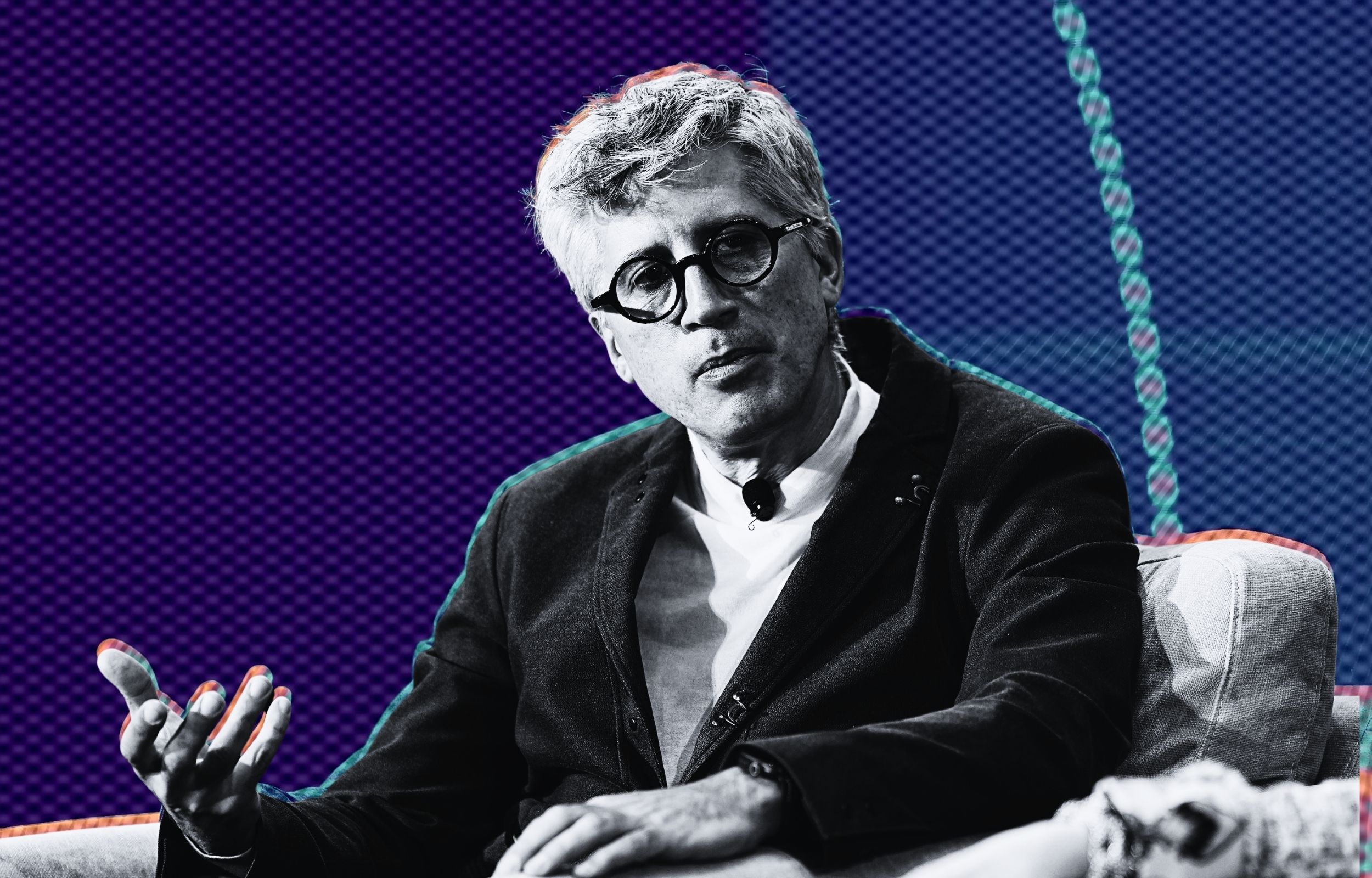

Inside the $2.3 Billion Health Startup Led by Dr. Oliver Kharraz: Why Walmart and IBM Struggled With Healthcare
Dr. Oliver Kharraz, leading a $2.3 billion health startup, discusses why healthcare remains a tough landscape for giants such as Walmart and IBM. He emphasizes that healthcare's intricate and specialized nature demands a deep understanding beyond corporate experience, explaining why many big companies falter despite their resources.


Warren Buffett Retires at 96: Key Leadership Insights from Berkshire Hathaway
Warren Buffett, the iconic leader of Berkshire Hathaway, has stepped down at the age of 96. His leadership journey underscores an essential lesson: true leadership is about building successors, not just businesses. This insight reflects the profound legacy Buffett leaves behind, emphasizing the importance of mentorship and thoughtful succession planning in long-lasting leadership.
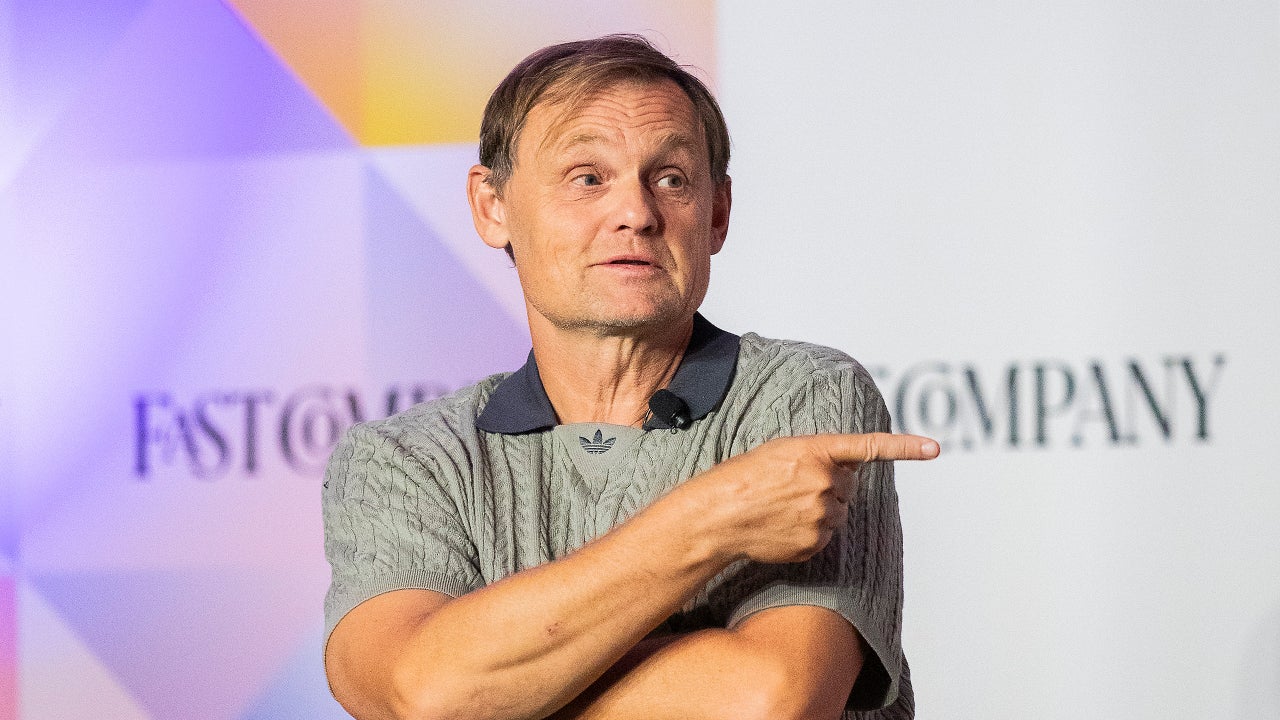
How Adidas CEO Bjørn Gulden's Bold Approach Revitalized the Brand
Adidas CEO Bjørn Gulden credits the company’s turnaround to removing obstructive layers of management and empowering creative, energetic employees. Since taking charge in 2023 amid challenges like the fallout from the Yeezy partnership and market setbacks, Gulden streamlined operations, emphasized innovation, and fostered a culture of swift decision-making. This strategy restored Adidas’s growth, profitability, and market presence, highlighted by recent athletic achievements.
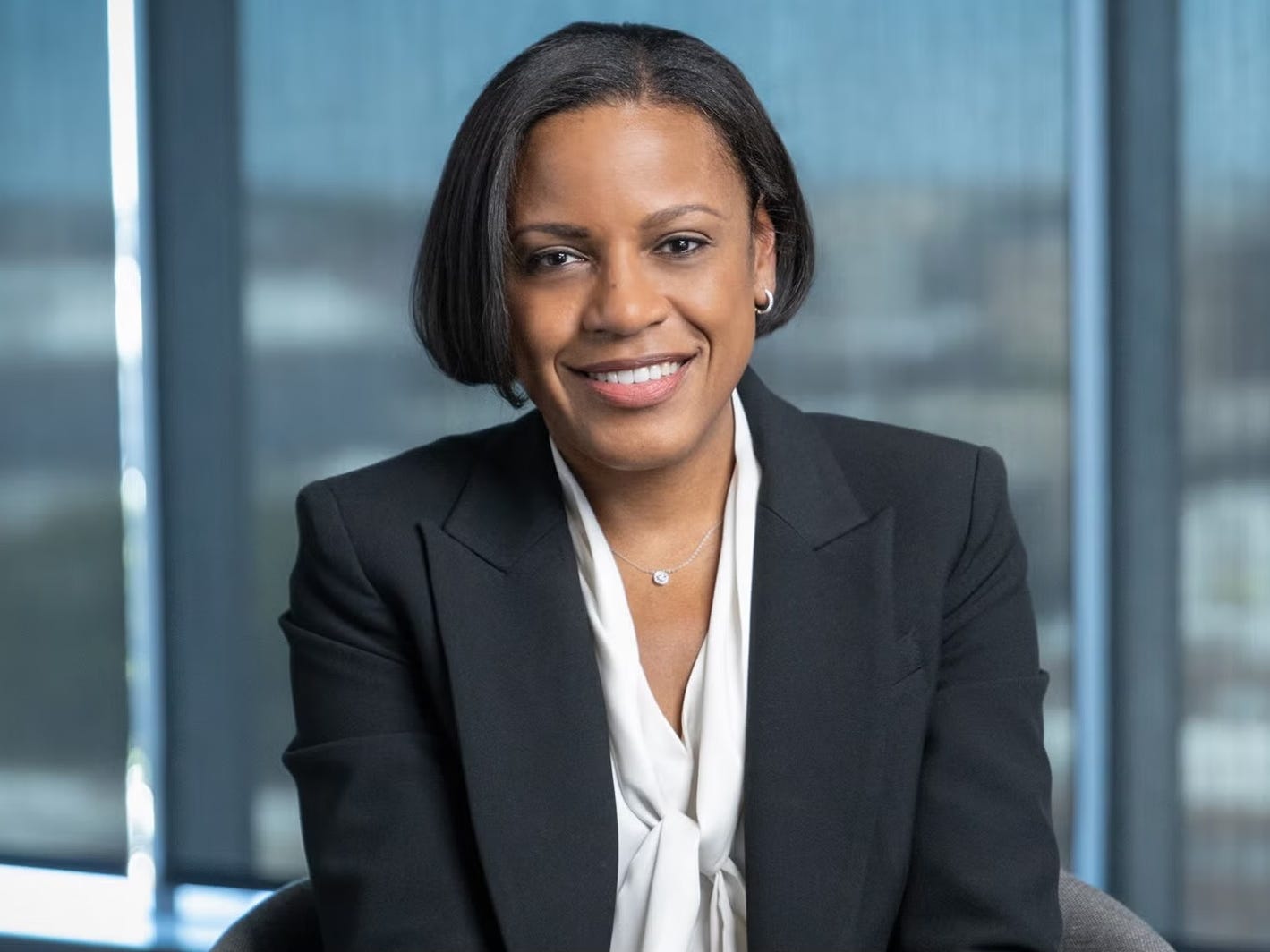

PwC's DC Leader Highlights AI-Driven Demand for Faster Consulting Services
Jeanelle Johnson, head of PwC's DC office, observes a shift in client expectations fueled by AI, with consulting tasks that once took eight weeks now demanded in just four. This acceleration reflects broader trends in the consulting industry toward faster delivery and greater efficiency.

OpenAI Urges US to Spearhead Global AI Safety Standards Initiative
OpenAI is calling on the US to lead a global initiative to set standards for advanced AI safety, emphasizing incident reporting rules and collaboration through national AI safety bodies. This move aims to foster consistent and effective international AI governance.
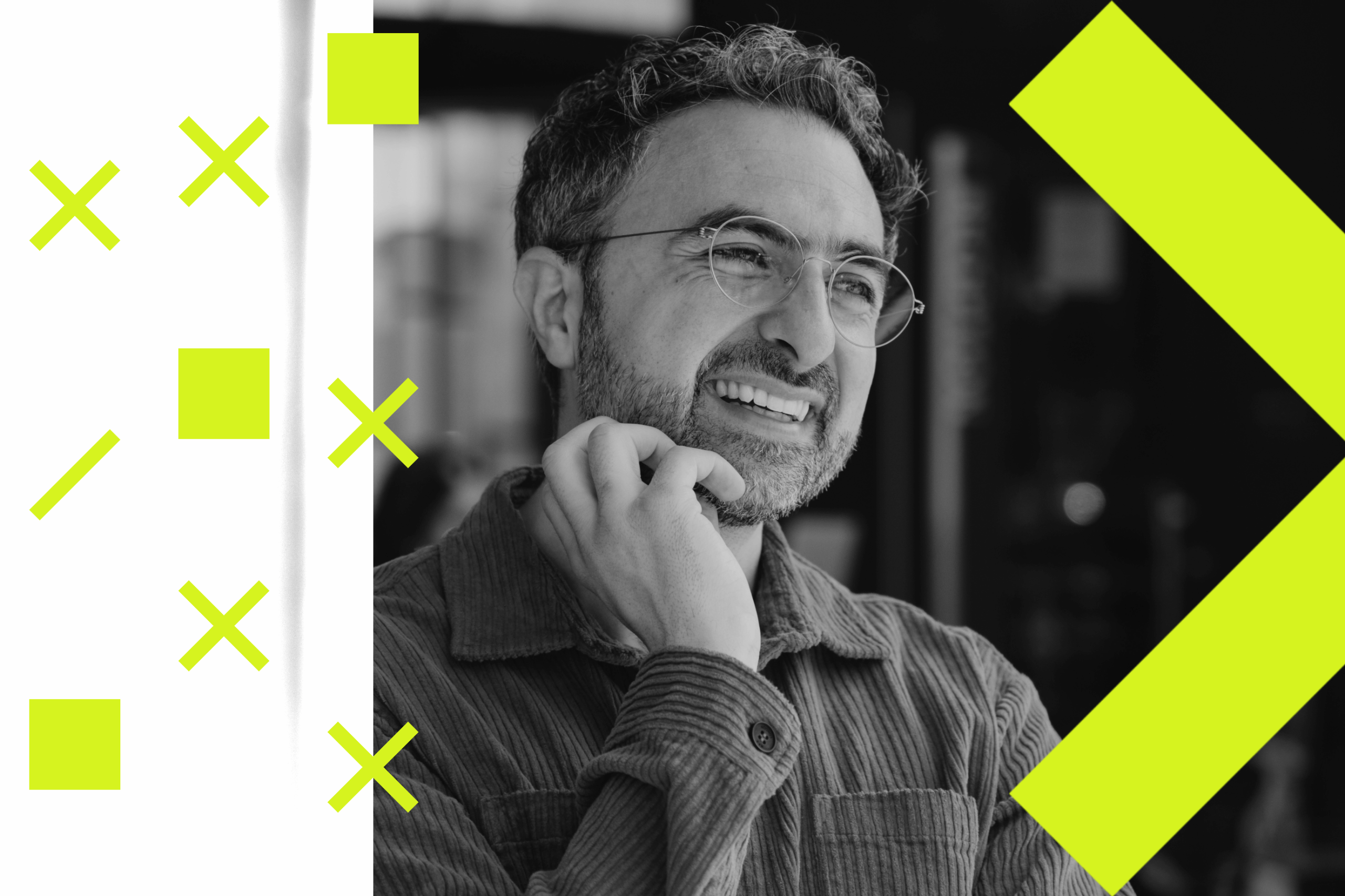

Microsoft AI CEO Mustafa Suleyman Discusses Real AI Threats and Critiques Anthropic's Approach
Mustafa Suleyman, Microsoft AI's CEO, discusses real AI safety challenges and critiques Anthropic's philosophy on AI consciousness, highlighting risks to alignment efforts. He calls for combined containment and alignment strategies, practical governance standards, and industry-wide cooperation to ensure AI serves humanity safely. Suleyman stresses the importance of measured progress and transparent, evidence-based debate amid fears of an AI arms race, while emphasizing AI's potential benefits, especially in healthcare.

Essential Q4 Strategy Adjustments for CEOs to Avoid Next Year's Pitfalls
This practical guide offers CEOs a clear framework to recalibrate their strategies in Q4, ensuring they address ongoing issues effectively and avoid repeating the same mistakes in the upcoming year.
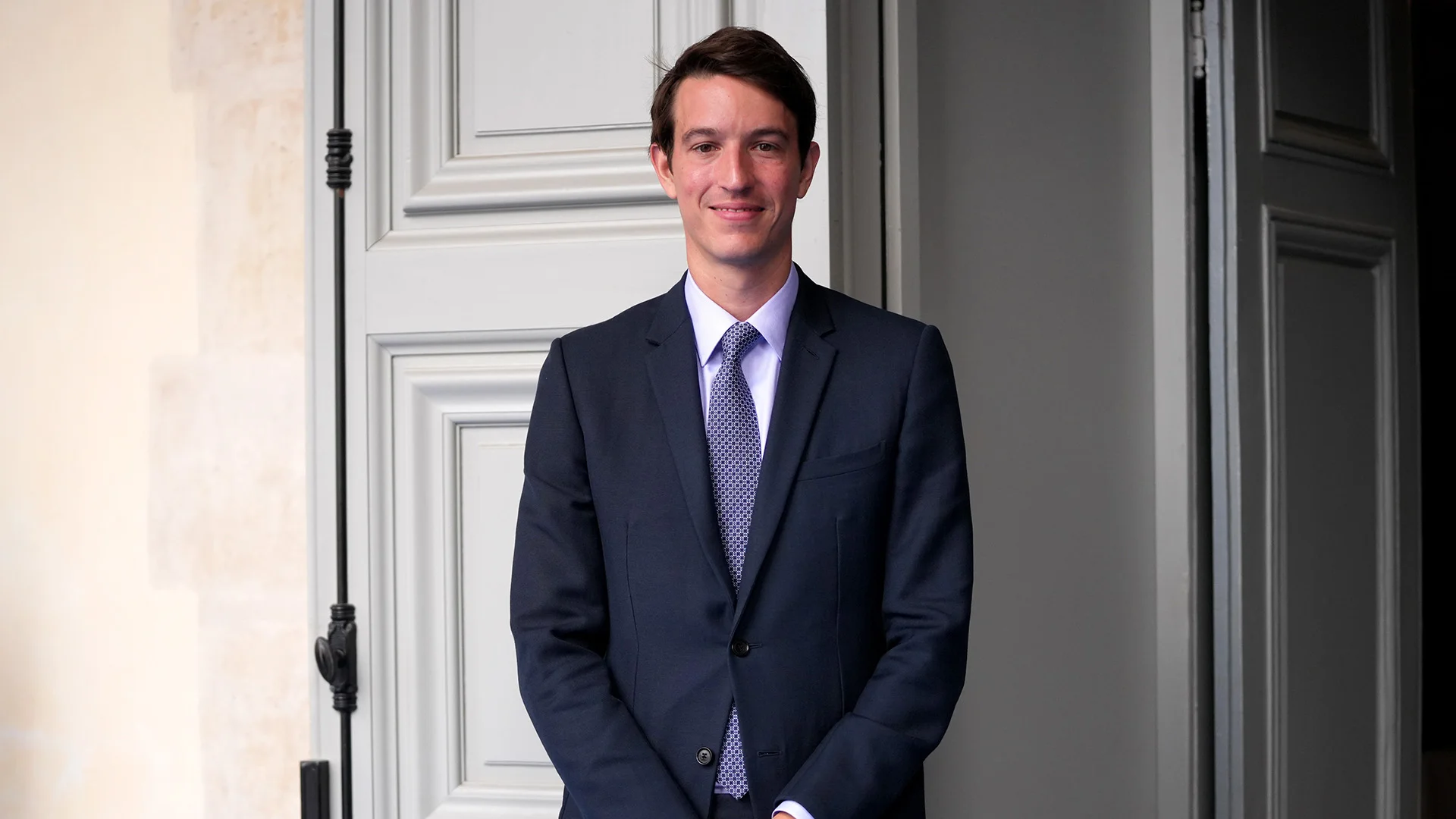
Nike Taps Luxury Industry Veteran Alexandre Arnault for Board as Part of Strategic Shift
Nike recently appointed Alexandre Arnault, a luxury market veteran from LVMH and Tiffany, to its board. This signals a deliberate strategy to infuse luxury industry knowledge into Nike’s business, supporting its broader comeback and innovation plans.

Uber Cuts 20% of Its Managers: A Cautionary Tale for Other Companies
Uber's decision to cut 20% of its management team highlights the potential downsides of flatter organizational structures. While these setups aim to lower costs and accelerate decision-making, they may also eliminate crucial managers who ensure strategies are effectively implemented.

Guiding a Company Through Its Next Phase of Growth
Match Group CEO Spencer Rascoff discusses how the company is navigating a critical transformation by adapting its strategies and leadership approach to thrive in a rapidly changing market shaped by AI. He emphasizes speed, accountability, and innovation as key drivers for the company’s next chapter.

McKinsey Prioritizes Technical Talent Over Traditional MBAs
McKinsey is evolving its hiring strategy by focusing on recruiting more technically skilled engineers rather than relying primarily on traditional MBA holders. This shift reflects the firm's commitment to strengthening its technical capabilities to better serve client needs.
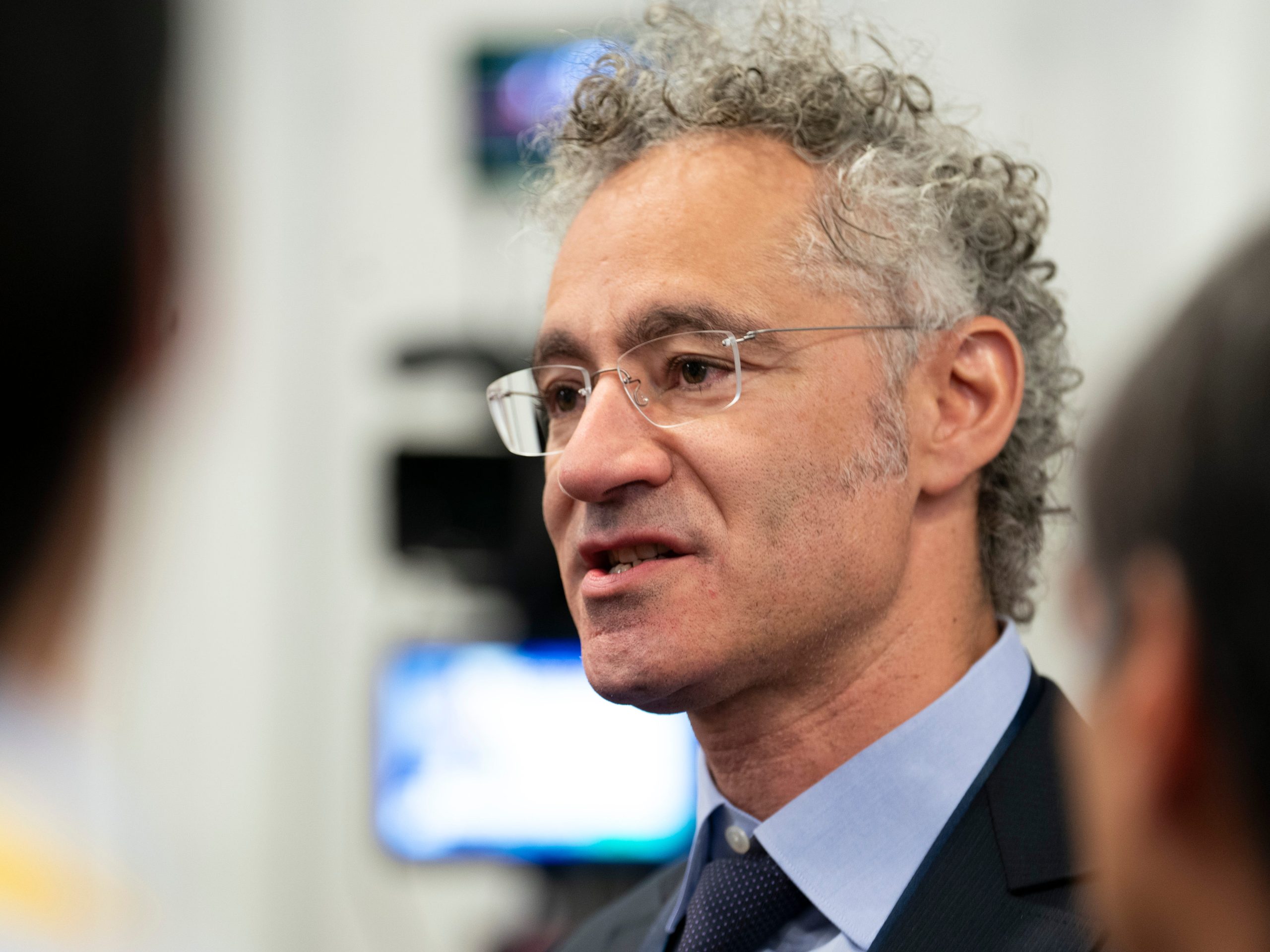
Alex Karp Highlights Nationalization as Core Issue in AI Safety Debate
Alex Karp, CEO of Palantir, emphasizes that the AI safety discussion often masks a deeper issue: the potential nationalization of top AI labs due to intellectual property concerns. He points out that this could become a significant factor in how AI development is governed and controlled.

Lagarde Urges Europe to Develop Independent AI Capabilities to Avoid Geopolitical Risks
Christine Lagarde, ECB President, highlighted Europe’s need to create its own AI technologies to prevent reliance on foreign systems that could be used as bargaining leverage by other countries. She underscored this risk during a speech in Vienna, advocating for European AI self-sufficiency to secure economic and political autonomy.
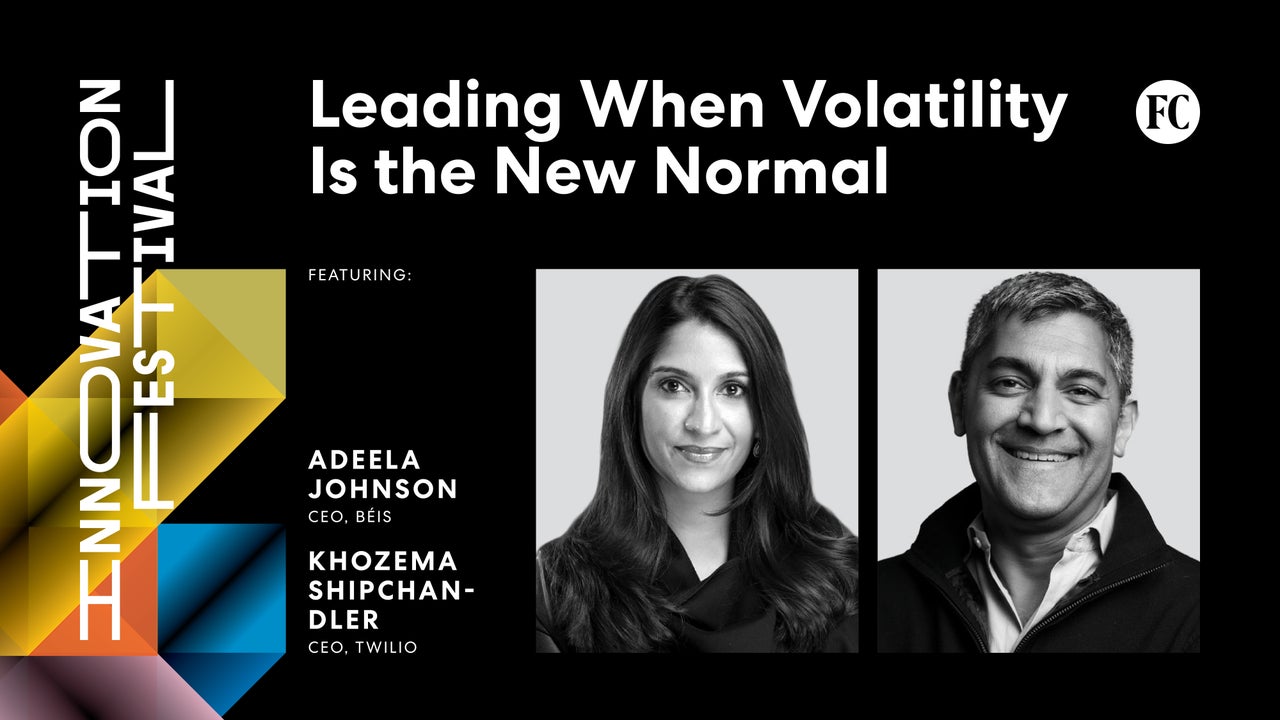
Leading Through Constant Change: Navigating Uncertainty with Confidence
In a world where uncertainty is constant, leaders like Adeela Johnson and Khozema Shipchandler share insights on adapting management strategies to thrive amid AI disruption, geopolitical unrest, and economic pressures. The focus is on building agile, resilient organizations that can respond effectively to unforeseen challenges rather than waiting for perfect clarity.