



Oracle CFO Addresses Layoffs, Suggests 'Doing More with Less' Isn't Always Effective
Oracle's CFO spoke candidly in an all-hands meeting, cautioning against the mindset of 'doing more with less' as a catch-all solution. This statement coincides with the company's latest round of layoffs, highlighting ongoing organizational changes. The CFO's message suggests a need for thoughtful management beyond mere cost-cutting.


Anthropic and Nvidia CEOs Clash Over Pace of AI Development
At a key San Francisco event, Anthropic's CEO urged a pause in AI development to ensure safety and responsibility, likening it to how car companies respond to brake failures. Nvidia's CEO disagreed, advocating for continued acceleration. The discussion highlights the ongoing debate about managing AI risks without stifling innovation.


15 Experts Share Key Economic Metrics Every Business Should Track
Fifteen industry leaders emphasize the importance of tracking varied economic indicators beyond traditional metrics. From regulatory changes to healthcare expenses, labor participation, AI innovation speed, liquidity, inflation, and trust, these metrics provide vital insights to help businesses adapt, grow, and stay competitive in an increasingly complex environment. Paying attention to these indicators allows companies to anticipate challenges and capitalize on emerging opportunities.

Greg Abel’s Silent Leadership Statement: A New Era for Berkshire Hathaway
Greg Abel, succeeding Warren Buffett as Berkshire Hathaway CEO, demonstrated powerful leadership by investing billions in the company’s future, signaling confidence and trust. His bold financial moves earned market and analyst approval, reinforcing the value of backing your own vision to inspire trust and drive growth.


Nscale Welcomes Former OpenAI Executive Fidji Simo to Board as IPO Plans Take Shape
Fidji Simo, former OpenAI executive and leader of Instacart's 2023 IPO, has joined the board of Nscale as the company prepares for a possible IPO. Her expertise is expected to play a key role in guiding Nscale's growth and public debut.


Why Most AI Implementations Fail: It's Not About Training
Many AI initiatives stumble not due to technical training issues, but because companies lack the cultural foundation that encourages employee experimentation, adaptability, and risk-taking, which are crucial for AI to drive real performance improvements.

Top VC Firm Highlights Growing Importance of Marketing Leaders Amid CMO Decline in Fortune 500
Andreessen Horowitz’s decision to add a marketing leader to its C-suite reflects a broader debate about the evolving significance of marketing roles, especially as CMOs become less common in Fortune 500 companies. This move suggests that marketing expertise is more critical than ever in driving business success and innovation.

AI is Transforming Work Dynamics, Not Just Replacing Jobs
AI is not merely replacing jobs; it is fundamentally restructuring work by breaking down traditional roles into tasks and capabilities. This shift challenges organizations to find new ways to develop expertise, especially as AI takes over repetitive entry-level tasks. Successful workforce strategies will focus on capability ecosystems, strategic use of workforce data, and intentional work redesign that balances AI efficiency with human creativity and judgment.
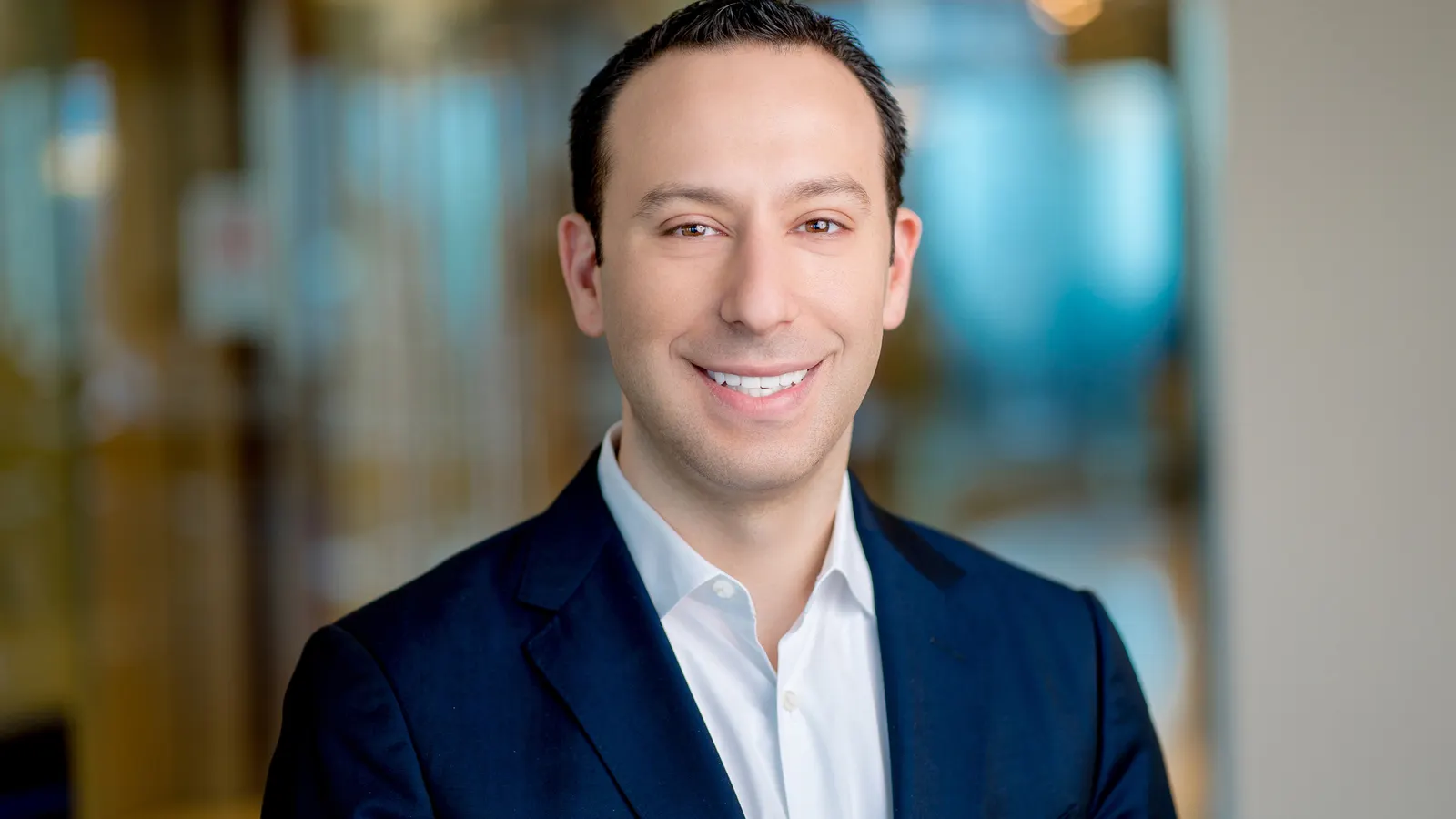

Hilton's Chief Marketing Officer Mark Weinstein to Depart After 16 Years
Mark Weinstein, Hilton's global CMO, is leaving the company after 16 years to explore career opportunities beyond the travel sector, as confirmed by a company representative.

AI Experts Warn: Businesses Rushing AI Adoption Without Proper Risk Controls
Steven Mills of Boston Consulting Group warns that companies deploying AI agents often overlook proper risk management, which could lead to serious regulatory and operational problems. Rapid AI scaling pressures executives to accelerate without sufficient controls, risking costly failures. Past incidents demonstrate the critical need for governance, human oversight, and accountable leadership in AI projects.

Transformation Happens Beyond the Boardroom: Empowering Frontline Managers
True transformation occurs not in executive meetings, but in the daily decisions of frontline managers. Success depends on simplifying complex workforce data and integrating transformation into everyday workflows. AI can accelerate this only if supported by connected data and real-time insights. Leaders must focus on removing complexity, enabling managers to lead effectively and making new ways of working the easiest and most natural choice.

Meta Reinstates Management Roles for Some Applied AI Employees in Latest Restructuring
Meta is reversing its flattened team approach by asking certain Applied AI employees to return to managerial roles, highlighting a strategic shift in its organizational structure.


Navigating the Unending Wave of AI Disruption
AI disruption no longer follows a clear finish line but instead creates a constant, accelerating cycle of change. Organizations pushing only for speed risk exhausting their teams. To thrive, companies need to build dedicated AI units, work with dual innovation paces, and embed continuous learning into daily roles. This new approach relieves individual burden, combats burnout, and fosters sustained adaptation in an era of perpetual AI advancement.


AMA CEO: AI Will Complement Doctors, Not Replace Them
John Whyte, AMA CEO, highlights that AI's role in healthcare is to support doctors and improve the system, not to replace human professionals or reduce the healthcare workforce.

Enhancing Remote Team Performance Without Enforcing Office Days
Leaders can improve remote team performance by focusing on clear objectives for office time and measuring outcomes like productivity, retention, work quality, and communication, without enforcing strict office attendance policies.

How CEOs Can Help Managers Focus on Leadership Amid Growing Demands
Managers are struggling to balance multiple priorities, which prevents them from fully focusing on leadership. CEOs can play a crucial role in alleviating these pressures to enable managers to lead more effectively and drive better performance.

Why the Chief Marketing Officer Role is Far from Obsolete
The idea that the Chief Marketing Officer (CMO) is becoming obsolete is misleading. While AI and automation are transforming marketing execution, the role of the CMO remains essential for strategic decision-making, brand building, and aligning business functions around growth. CMOs add value by navigating market complexity, focusing on customer understanding, and shaping company strategy, proving that leadership in marketing is more important than ever despite technological advances.

The Value of Good Followers Versus Ineffective Leaders
Effective leadership requires more than just holding power; good followers play a critical role by supporting, challenging, and enhancing team performance. Many leaders are promoted beyond their abilities, highlighting the need to value followership alongside leadership. Organizations should reward exceptional followers to improve overall success.

Reinventing Companies Through Core Capabilities: Lessons from Ørsted and Microsoft
Successful corporate reinvention hinges on identifying and leveraging deep, transferable core capabilities or "kernels of reinvention." Companies like Ørsted and Microsoft exemplify how existing strengths can be repurposed to navigate disruptive changes—shifting industry focus while maintaining competitive advantage. Reinvention requires diagnosing disruption, excavating latent capabilities, building new growth engines, managing transformation, and communicating continuity, enabling sustainable evolution without discarding the past entirely.

Boston Beer Appoints AI and Data Expert Allison Stransky as CMO to Elevate Marketing Strategy
Boston Beer has appointed Allison Stransky as Chief Marketing Officer. Stransky brings expertise in big data and AI from her previous role at Samsung Electronics America, positioning Boston Beer to strengthen its data-driven marketing strategies and drive innovation in its campaigns.