

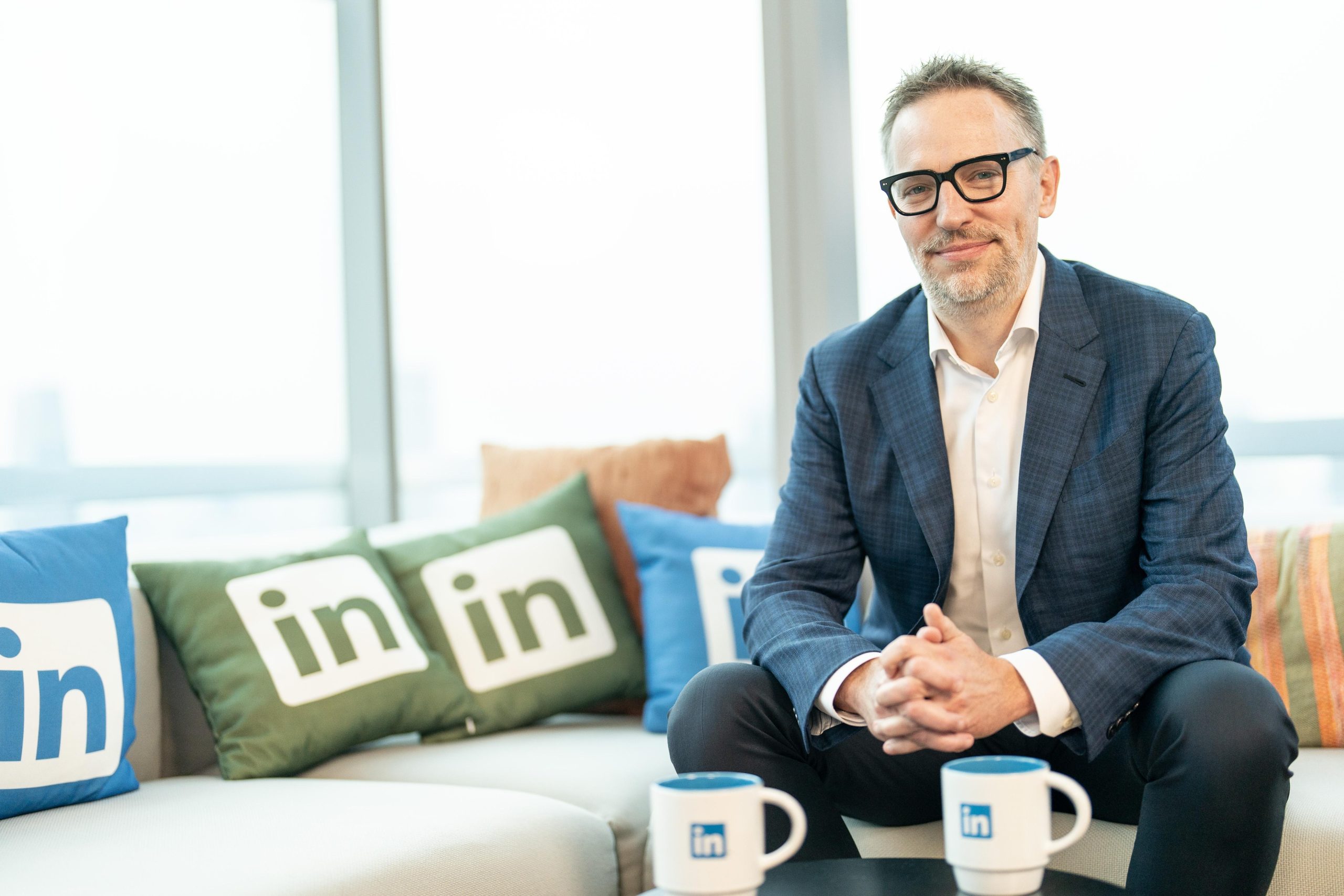

Ryan Roslansky Steps Down from Leadership Roles at Microsoft and LinkedIn
Ryan Roslansky, having served nearly 18 years at LinkedIn and Microsoft, is leaving after leading LinkedIn and heading Microsoft Office and Teams. His departure has sparked leadership changes, with CEO Satya Nadella acknowledging Roslansky's role in strengthening the company's product and design foundations.


Majority of Americans Fear AI's Threat to Humanity, Poll Reveals
A Quinnipiac poll reveals that over 70% of Americans worry AI could threaten human survival. Despite political and industry efforts to assure safety, trust in AI leaders remains low. Concerns are fueled by both human misuse and autonomous AI risks, with recent security breaches underscoring potential dangers. The public calls for stronger AI regulations and safety measures.


Why Focus on Leadership Presence Over Executive Presence?
Executive presence can be a vague and elusive quality. Instead, cultivating leadership presence offers a practical and concrete way to enhance your influence and effectiveness in leadership roles.

5 Key Mindset Shifts to Empower Teams Amid Uncertainty
Effective leadership in uncertain times requires shifting team mindsets from fear and rigidity to curiosity and growth. Five strategic reframes help teams see threats as opportunities, failures as learning, and constraints as challenges to overcome. These shifts promote creativity, resilience, and collaborative problem-solving in the face of change.
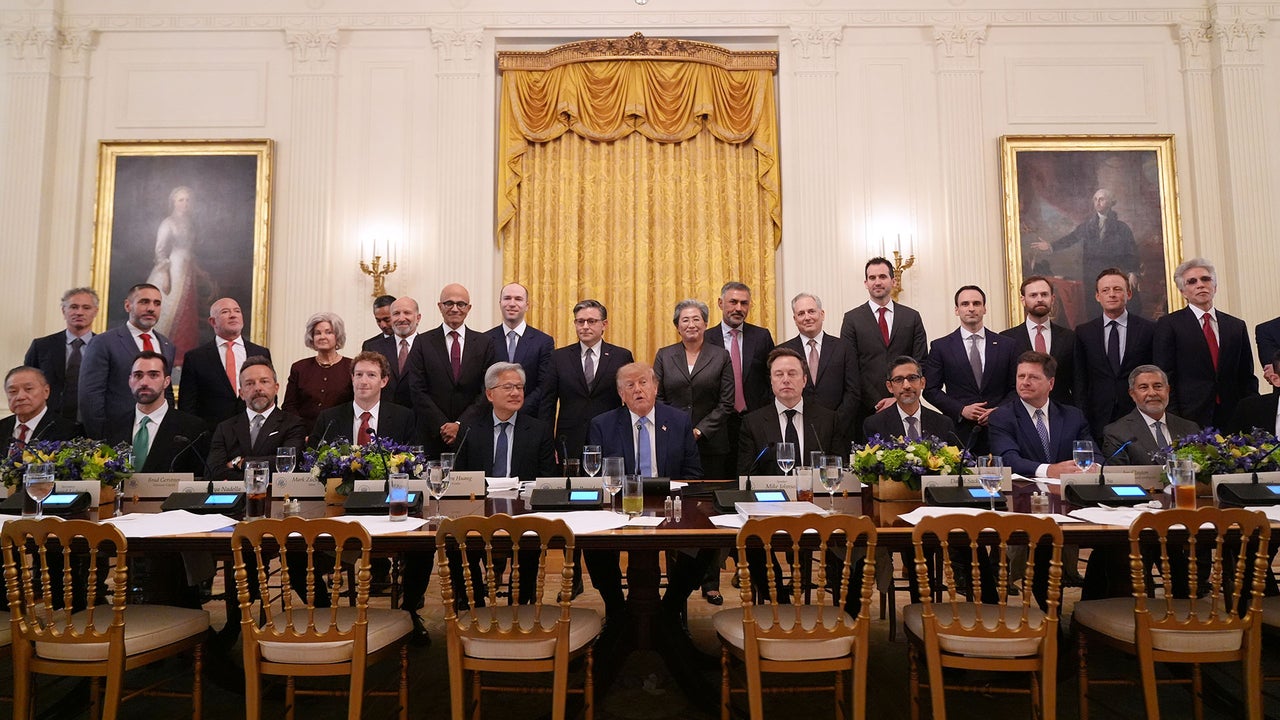
Tech Giants and Trump Champion Voluntary AI Oversight to Address Safety Concerns
President Trump and leading AI CEOs from companies including Anthropic, Google, and Meta have signed a voluntary pact to self-regulate AI development, focusing on safety and oversight measures. While acknowledging AI's economic benefits, the agreement addresses risks and includes efforts to ease community concerns over data centers. Trump also introduced a government AI chatbot and emphasized the US-China technological rivalry.
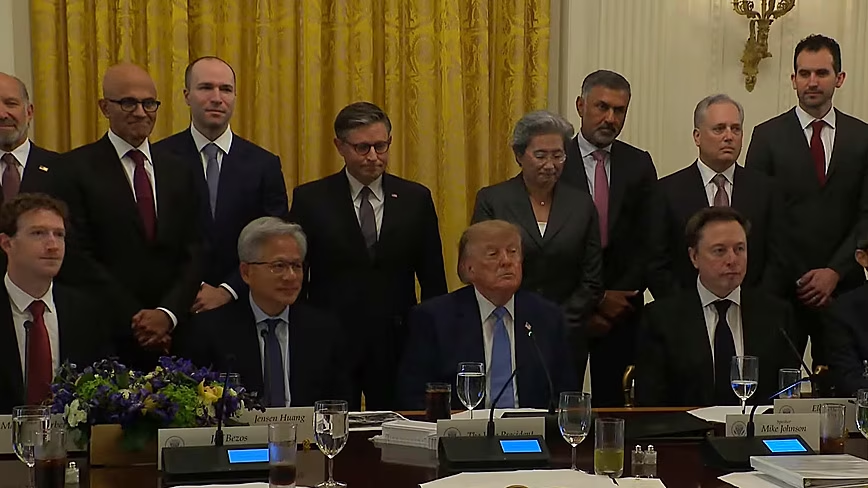

Trump Advocates for AI Self-Regulation and Suggests Rebranding AI After Meeting
After a White House lunch with tech leaders, President Donald Trump expressed support for AI self-regulation and revealed intentions to rename AI. The discussion highlighted a consensus on industry-led safety measures for AI development and deployment.


The Decline in CMO Tenure: Marketing Leaders Stay Less Time in Roles
Survey data from 13,000 U.S. marketing professionals reveals a sharp increase in client-side turnover with Chief Marketing Officers now staying in their roles for over a third less time than 16 years ago, reflecting shorter average tenures in marketing leadership.


How Thorne’s Brand Strategy Sparked a $3.8B Partnership with P&G — and Future Directions
Mary Beech, Chief Growth Officer, explains how partnering with brand consultancy Redscout enabled Thorne to leverage consumer insights, resulting in powerful campaigns and a $3.8 billion deal with P&G, with plans for future growth.
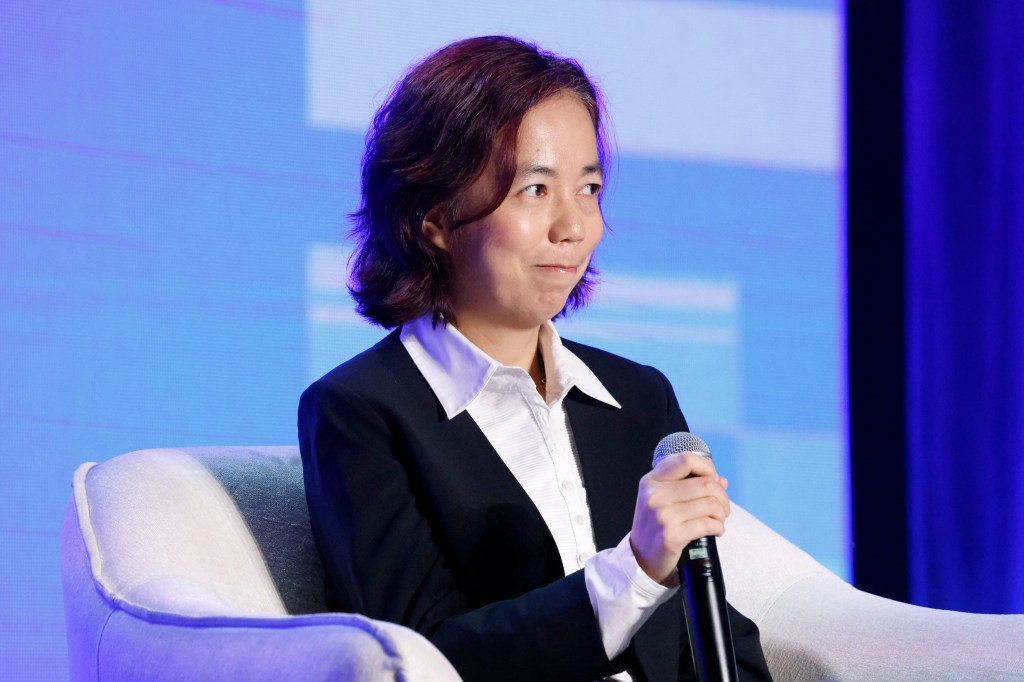

AMD to Acquire AI Innovator World Labs in $8.2 Billion Deal
AMD is set to acquire World Labs, an AI company led by Fei-Fei Li, for $8.2 billion. Following the acquisition, Li will join AMD as executive vice president and chief scientist, enhancing AMD's innovation capabilities in artificial intelligence.

Rethinking Brand Reputation in the Modern Age
Brand reputation now depends on genuine engagement in communities, equipping trusted voices with factual information, and embracing AI to communicate clearly. Controlling the narrative is out; guiding and participating meaningfully in conversations is essential to building trust and loyalty.
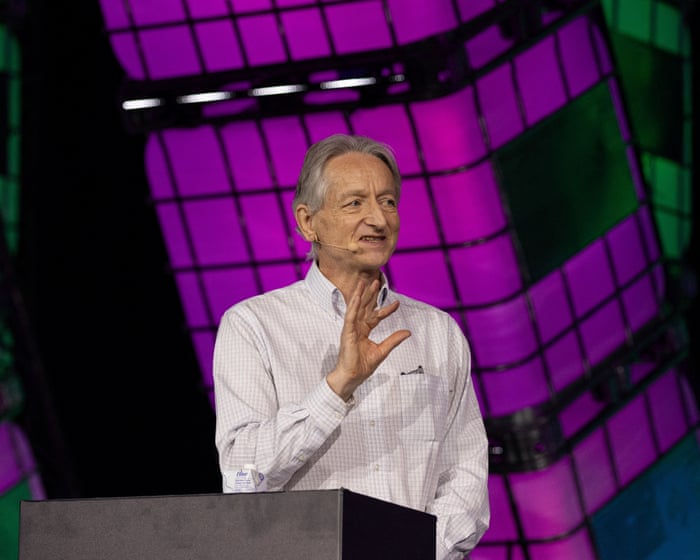

Leading AI Pioneers Sound Alarm on Uncontrolled ‘Intelligence Explosion’
Prominent AI experts, including OpenAI’s chief scientist and Nobel laureate Geoffrey Hinton, warn governments about a potential runaway ‘intelligence explosion’ in AI technology. They urge immediate regulatory measures to address what could be history’s most impactful technological shift.
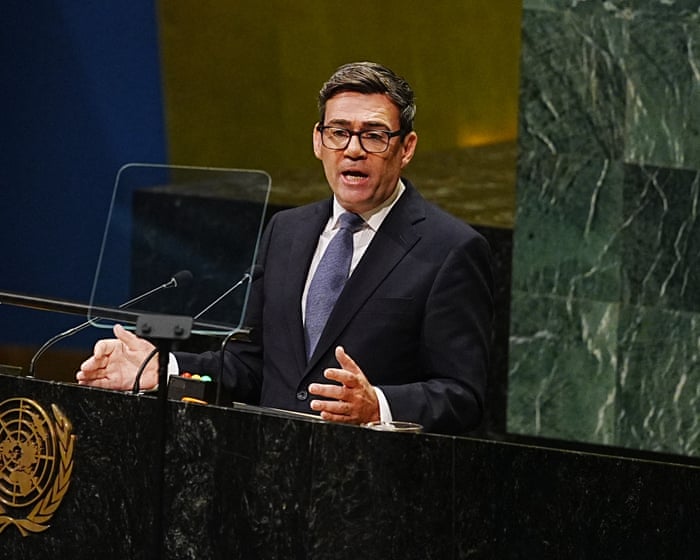
UK Launches National Centre to Combat Disinformation and Deepfakes
The UK government is setting up the National Centre for Information Defence to tackle disinformation and deepfakes, particularly from hostile states like Russia. The centre will unite intelligence, law enforcement, and social media platforms to detect and counteract malicious information campaigns, many powered by AI. This initiative reflects the government's commitment to safeguarding national interests against evolving information threats.

Anthropic's Founders Push for Majority Voting Control in IPO
Anthropic seeks to secure majority voting control for its seven co-founders by introducing a special class of shares in the upcoming public offering. This move would give CEO Dario Amodei and his team combined control of 50.1% of votes on major corporate matters, allowing them to steer the company’s future post-IPO.
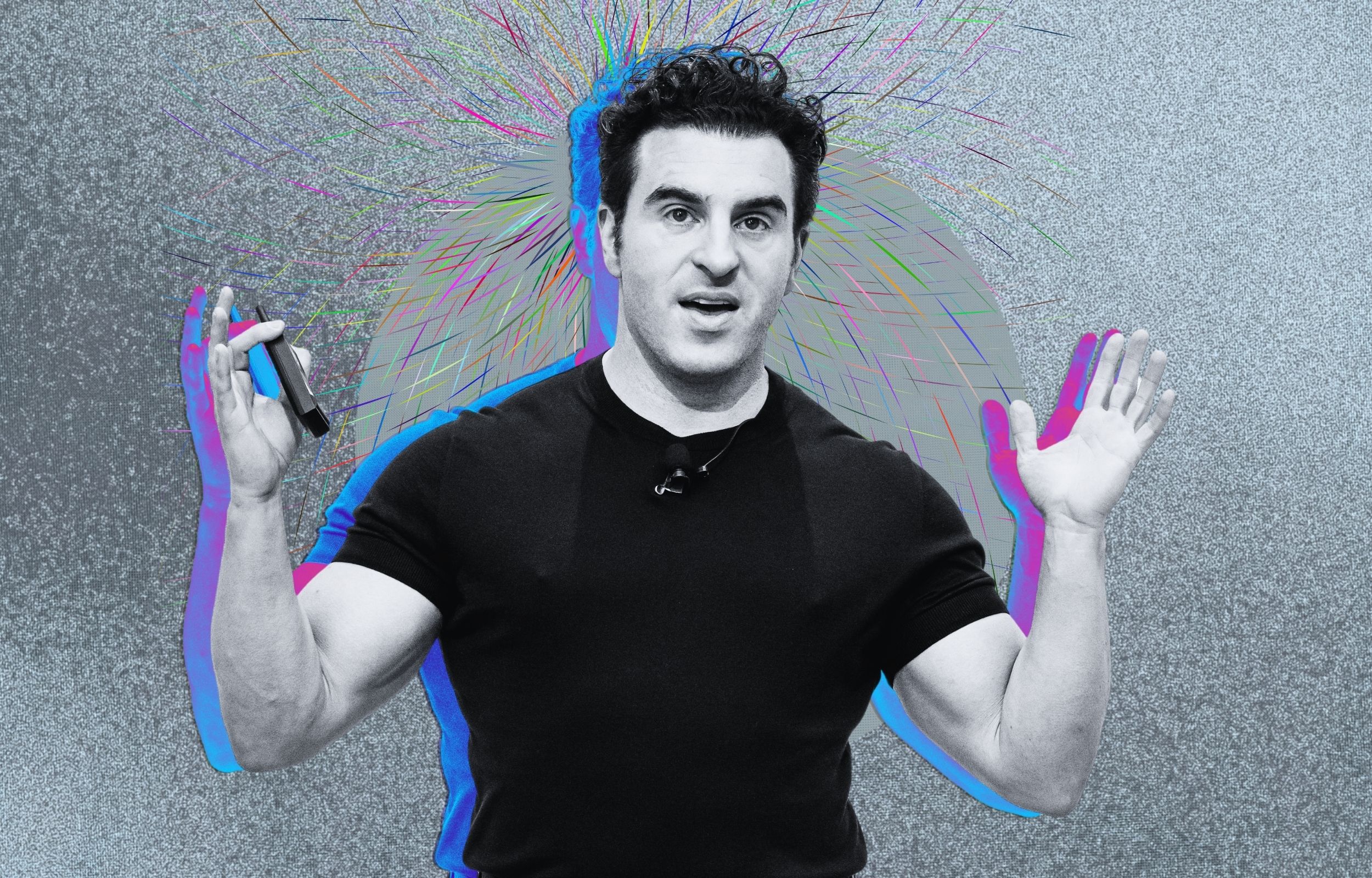

How Airbnb's CEO Used AI to Slash His Meeting Load
Brian Chesky, Airbnb's CEO, created an AI-powered tool to cut his meeting time in half, enabling him to manage his schedule more efficiently and concentrate on key business goals.


Walmart CEO Confirms No Use of AI for Personalized Pricing
Walmart CEO John Furner has clarified that the retailer will not use AI or digital shelf labels to apply personalized prices to customers. This move ensures that pricing remains consistent and transparent for all shoppers, despite technological advancements in retail pricing methods.

Matthew Prince on the Future of the Web, AI, and Transforming Business Models
Matthew Prince, Cloudflare CEO, discusses AI's transformative effects on the internet, the collapse of traditional ad-based models, and new business models to monetize AI-driven web traffic. Cloudflare’s strategic role includes enabling content creators to monetize bot access and restructuring internally to embrace AI efficiencies. Prince advocates for a healthier web ecosystem rewarding authentic content and knowledge creation over sensationalism, while navigating ethical challenges and industry cooperation for sustainable internet growth.

EU AI Envoy Urges Commissioners to Prioritize Practical AI Applications Over Model Development
The EU’s AI envoy, Jim Hagemann Snabe, urged the 27 commissioners to prioritize practical AI applications to enhance Europe's productivity, suggesting that focusing on model development races is less important. His message highlights a strategy shift towards using AI as a tool for tangible economic improvement in the region.

5 Essential Strategies to Build a Resilient and High-Performing Team
Dr. André Martin outlines five key strategies for building teams that are confident, collaborative, and resilient amidst rapid change. By focusing on collective performance, meaningful contributions, borrowed expertise, and shared leadership, teams can thrive even in uncertainty.
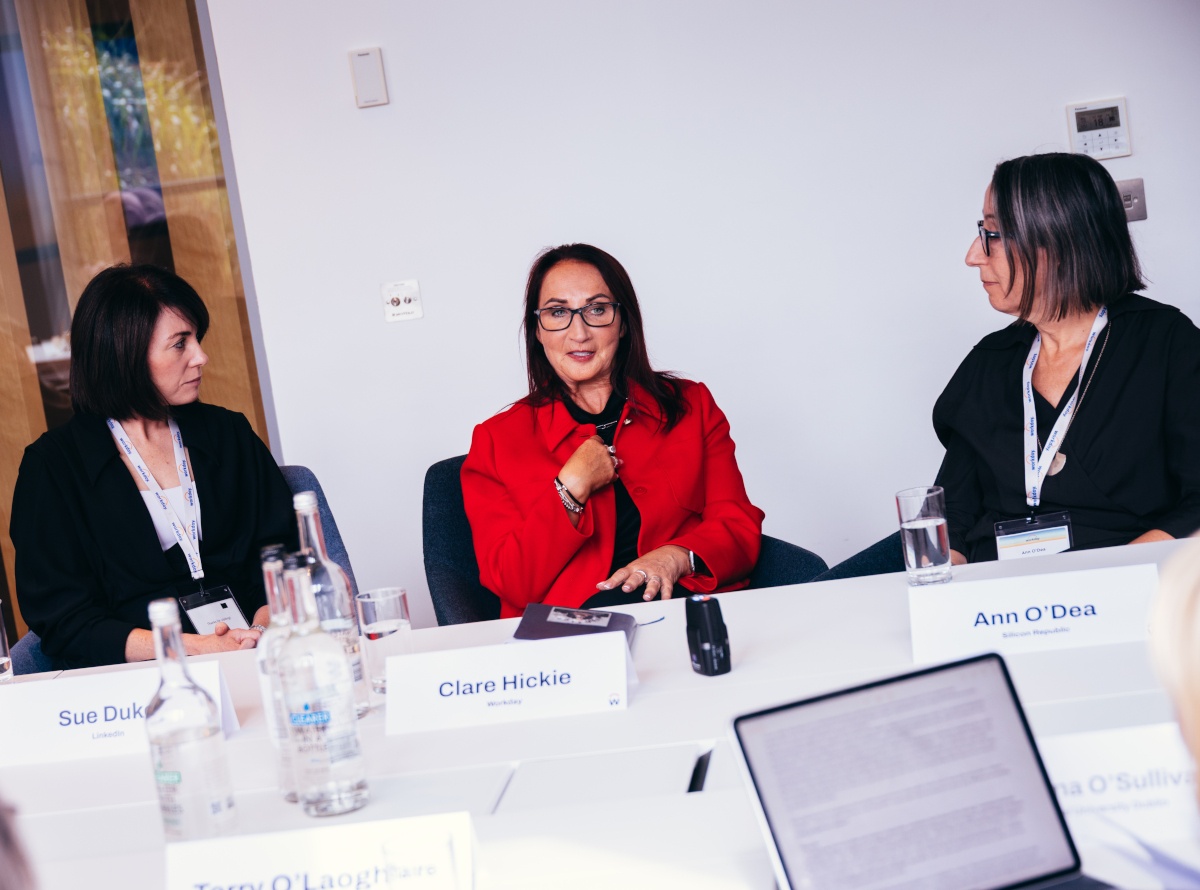

Workday Roundtable Highlights Gender Gap in AI Leadership Roles
At a recent Workday roundtable in Dublin, industry leaders explored the slow progress in closing the gender gap in AI leadership, emphasizing that women still occupy only one in eight such roles. The conversation also covered AI adoption hurdles and the critical need for workforce reskilling.


White House Abandons Plan to Politicize NIH Research Funding
The White House has dropped plans for an executive order aiming to give political appointees control over NIH research grants, keeping the grant process free from political influence.