US Government's Intel Investment Soars to $36 Billion After Equity Conversion
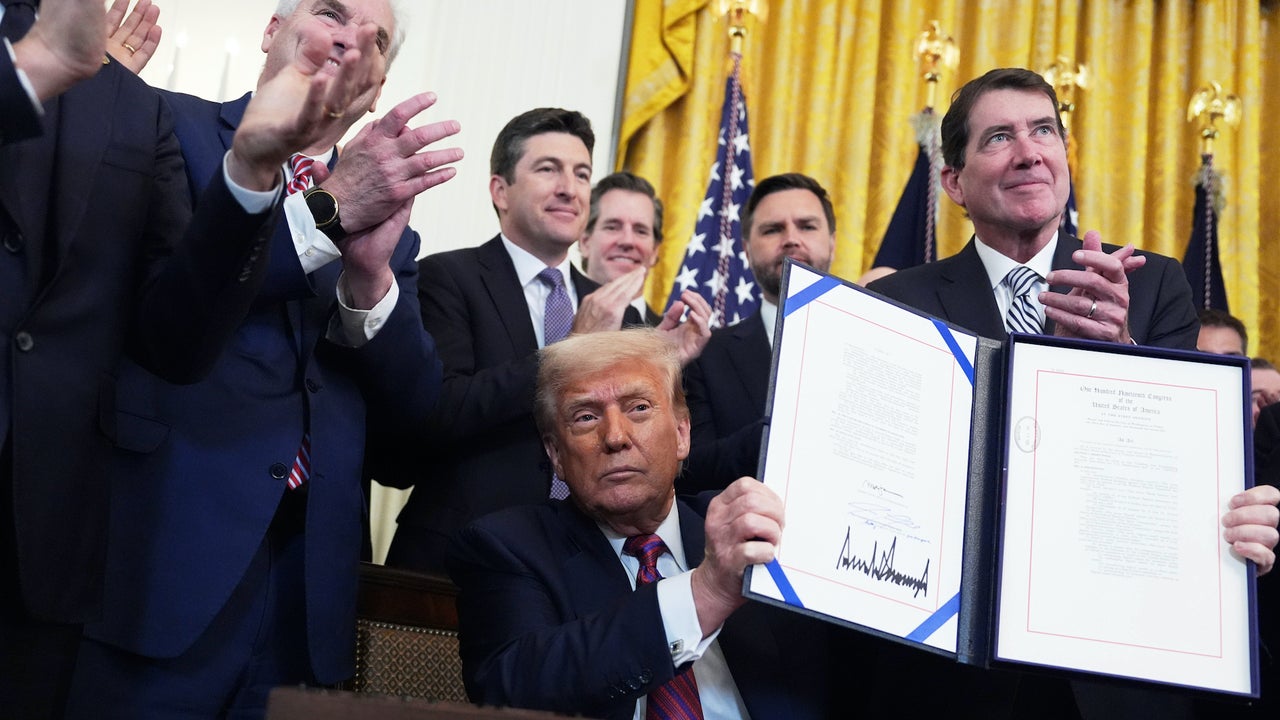
The US government's equity stake in Intel, originally bought for $8.9 billion through CHIPS Act grants conversion, has surged to $36 billion after Intel’s strong quarterly earnings boosted its stock price by over 20%. This marks a $26.5 billion unrealized gain, showcasing a remarkable investment success.
SoftBank to Transform Former Sharp LCD Facility into Major Battery Production Site for AI Data Centers
SoftBank is converting a former Sharp LCD factory in Osaka into a large-scale battery plant dedicated to AI data centers, with production expected by 2031. This move is part of SoftBank's integrated approach to support AI infrastructure, covering chip development and data center manufacturing.
Google Commits Up to $40 Billion to Anthropic, Surpassing Gemini
Google is investing up to $40 billion in Anthropic, with an initial $10 billion cash infusion at a $350 billion valuation and $30 billion tied to performance goals, alongside five gigawatts of compute over five years. This investment coincides with Anthropic's rapid revenue growth to $30 billion ARR, marking a significant milestone for the company.
Intel Surpasses Expectations for Sixth Consecutive Quarter, Driven by Strong AI CPU Demand
Intel continues its impressive streak by beating earnings estimates for six quarters in a row, fueled by rising AI demand in its CPU business. Q1 revenue and EPS surpassed analyst predictions, with significant growth in the Data Centre and AI division. The stock has rallied more than 80% year-to-date, while Intel partners with Elon Musk on a new chip project.
China Set to Restrict US Investment in Leading AI Firms Without Govt Approval
China plans to impose strict limits on US investments in its premier AI firms, requiring government approval before any capital inflow. This shift represents an escalation in the US-China tech rivalry, extending controls beyond semiconductor chips and exports to cover investment and control over AI technologies. The policy aims to safeguard national security and maintain technological independence.
Cohere and Aleph Alpha Merge to Form a $20 Billion AI Powerhouse in Berlin
Cohere and Aleph Alpha have merged to create a $20 billion AI company, with Cohere shareholders owning the majority stake. The German government is expected to be a major customer, emphasizing the strategic importance of this transatlantic partnership in AI technology.
AI Steps Up as Primary Care Doctors Become Scarce in America
With a growing shortage of primary care doctors in the U.S., companies like OpenAI, Amazon, and Google are leveraging AI technologies to support healthcare providers and improve patient care.
AI Startups Accused of Inflating Revenue Figures to Attract VC Investment, Founder Claims
Scott Stevenson, CEO of Spellbook, exposes AI startups for inflating revenue metrics by mixing real subscription revenue with future projected contracts. This practice misleads investors and journalists, inflating annual recurring revenue figures significantly and creating pressure across the sector. The resulting misrepresentation may foster risky business behaviors and confusion about the true state of AI startups' financial health.
McDonald’s AI Chatbot Didn't Malfunction, but Prompt Injection Remains a Serious Concern for Businesses
Users often manipulate AI chatbots to bypass their intended roles, a risk called prompt injection. While McDonald’s bot wasn’t exploited as claimed, real cases like Amazon’s AI assistant being tricked show the dangers. These vulnerabilities lead to legal, reputational, and financial challenges for companies relying on AI customer service bots.
Inside the xAI Turnover: The Exodus of Elon Musk’s AI Talent Amid Company Reorganization
Elon Musk's AI company xAI faces a major wave of employee departures amid mergers, restructurings, and strategic shifts. While evolving its AI offerings and merging operations with SpaceX and X, the startup grapples with leadership exits and public controversies surrounding its chatbot Grok. This turnover highlights the intense competition for AI talent and ongoing challenges for xAI as it prepares for growth and an IPO.
Future of Marketing Insights: Taste as the Ultimate Edge in an AI-Driven World
As AI makes marketing outputs increasingly similar, the unique quality of taste stands out as the critical factor driving sustained competitive advantage in the industry.
Critical Security Oversight: How Underestimated CVEs Led to Mass Root Access on Palo Alto Networks Devices
Attackers exploited two seemingly moderate Palo Alto vulnerabilities together to gain root access on over 13,000 devices. This highlights critical flaws in current vulnerability scoring systems that assess risks independently, missing compound threat impacts. Experts call for updated patching strategies, enhanced identity controls, and improved capacity planning amid a surge in vulnerabilities driven by AI advancements.
DeepSeek-V4 Launches: High-Performance AI at a Fraction of Competitors' Costs
DeepSeek-V4, a new 1.6T parameter AI model from Chinese startup DeepSeek, rivals leading closed-source AIs in performance but at about one-sixth the cost. Its innovative architecture and open-source licensing offer affordable, high-intelligence AI with a massive 1 million token context window, potentially reshaping AI access globally while keeping advanced capabilities within reach of enterprises.
85% of Enterprises Test AI Agents, but Only 5% Deploy Them with Confidence
Despite widespread AI agent pilot programs in enterprises, only a small fraction advances to production due to trust issues. Cisco's new security framework, integrations with Nvidia, and a shift toward AI-driven product development aim to bridge this gap. Trusted delegation, telemetry, and rapid detection are key to safe adoption. Security teams are advised to focus on governance, identity controls, and detailed monitoring to enable confident AI agent deployment.
Bret Taylor's Sierra Acquires YC-Backed AI Startup Fragment
Sierra, led by Bret Taylor, has acquired the Y Combinator-backed French AI startup Fragment to enhance its AI customer service technology. This acquisition strengthens Sierra's position in the AI customer service sector.
Sean Plankey Withdraws Nomination to Lead U.S. Cybersecurity Agency After Leadership Turmoil
Sean Plankey has stepped back from his nomination to head the U.S. Cybersecurity and Infrastructure Security Agency after a year plagued by leadership instability, signaling ongoing challenges in the agency's management.
Salmon Secures $100M in Funding to Deliver Digital Credit Solutions to Underbanked Filipinos
Salmon has raised $100 million through equity and debt financing to expand its digital credit services targeting underbanked Filipinos lacking credit history or facing issues with current lenders. This funding will help improve financial inclusion in the Philippines by offering more reliable credit options.
Samsung Workers Plan Extended Strike Amid Concerns Over Memory Chip Supply
Samsung Electronics faces potential disruption as tens of thousands of workers prepare for an 18-day strike at the company's Pyeongtaek campus. This move highlights increasing unrest that could exacerbate existing challenges in the memory chip supply market.
Meta to Cut 8,000 Jobs Amid Major AI Shift, Employees Asked to Help Train Successors
Meta is undergoing a major reorganization by cutting 8,000 jobs and canceling 6,000 open roles to pivot its workforce toward AI development. This strategy involves shifting teams into AI-focused units with a significant investment plan for AI infrastructure, signaling a deep commitment to future technologies while managing workforce transformation.
White House Alleges China’s Large-Scale AI Model Theft, Pledges Collaboration with Top US AI Firms
The White House OSTP has charged China with large-scale theft of US AI technology and is enhancing intelligence cooperation with major AI firms OpenAI, Anthropic, and Google to combat such activities. This includes allegations of fake account schemes by entities like DeepSeek, MiniMax, and Moonshot AI. The US is exploring stricter accountability measures to protect its technological assets.