

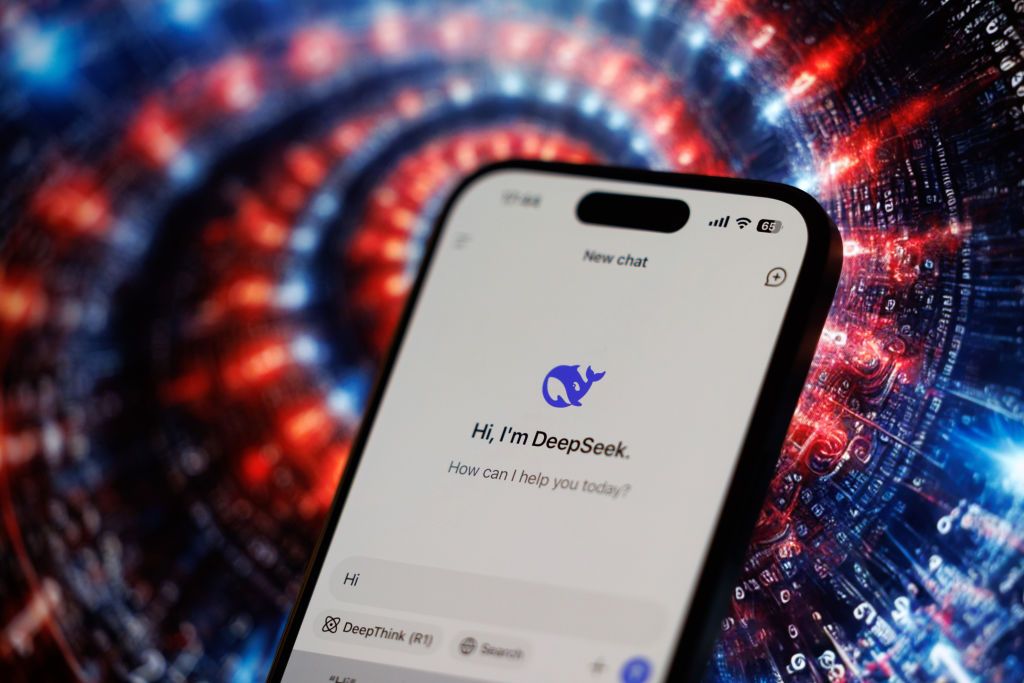

US orders agencies to remove DeepSeek AI over national security concerns
US federal agencies must remove China’s DeepSeek AI from IT systems, citing national security risks. The order covers both direct and third-party use of DeepSeek technology. Executives in regulated sectors face increased compliance demands and supply chain scrutiny.


AI-driven cyber fraud claims rise 57% at Travelers as tactics shift
Travelers saw a 57% rise in cyber claims linked to financial fraud and business email compromise from H1 2025 to H1 2026, with severity up 30% since 2023. AI is making attacks more sophisticated, raising risk for insurers and clients. Low-tech verification remains key.

OpenAI buys Orchestra Bio to expand Rosalind AI for pharma research
OpenAI has acquired Orchestra Bio, an AI biotech startup, to boost its Rosalind AI model for life sciences. The move signals increased AI adoption in drug discovery and operations. Pharma and biotech leaders should watch for new AI-driven competition and partnerships.

Salesforce to buy Braze for $5.66 billion in AI marketing push
Salesforce plans to acquire Braze for $5.66 billion, offering $47.50 per share in cash. The deal aims to strengthen Salesforce’s AI-powered marketing tools for enterprise clients. Marketing and digital leaders should watch for shifts in AI-driven engagement strategies.

Bank of England weighs AI risk in next financial sector stress test
The Bank of England is considering including artificial intelligence threats in its next system-wide stress test, according to sources. This move signals growing regulatory concern over AI-driven market risks and cyber vulnerabilities. Senior leaders should monitor how AI scenarios may shape future regulatory expectations.


Google cloud outage disrupts UK banks and courts, testing new FCA powers
A power fault at Google Cloud knocked out services for Lloyds, HSBC, Revolut and UK courts, leaving millions unable to access funds or attend hearings. The incident tests new regulatory powers for the FCA and Bank of England over cloud providers. Senior leaders must review operational risk and supplier oversight.


CoreWeave's Debt Troubles Signal Wider Concerns in the AI Sector
CoreWeave's plunge into distressed debt has raised alarms across the AI industry. Chamath Palihapitiya noted these risks, sparking concerns about a possible credit bubble in AI investments. This has led to a significant drop in CoreWeave's stock price and affected other AI companies, highlighting financial vulnerabilities in the sector.
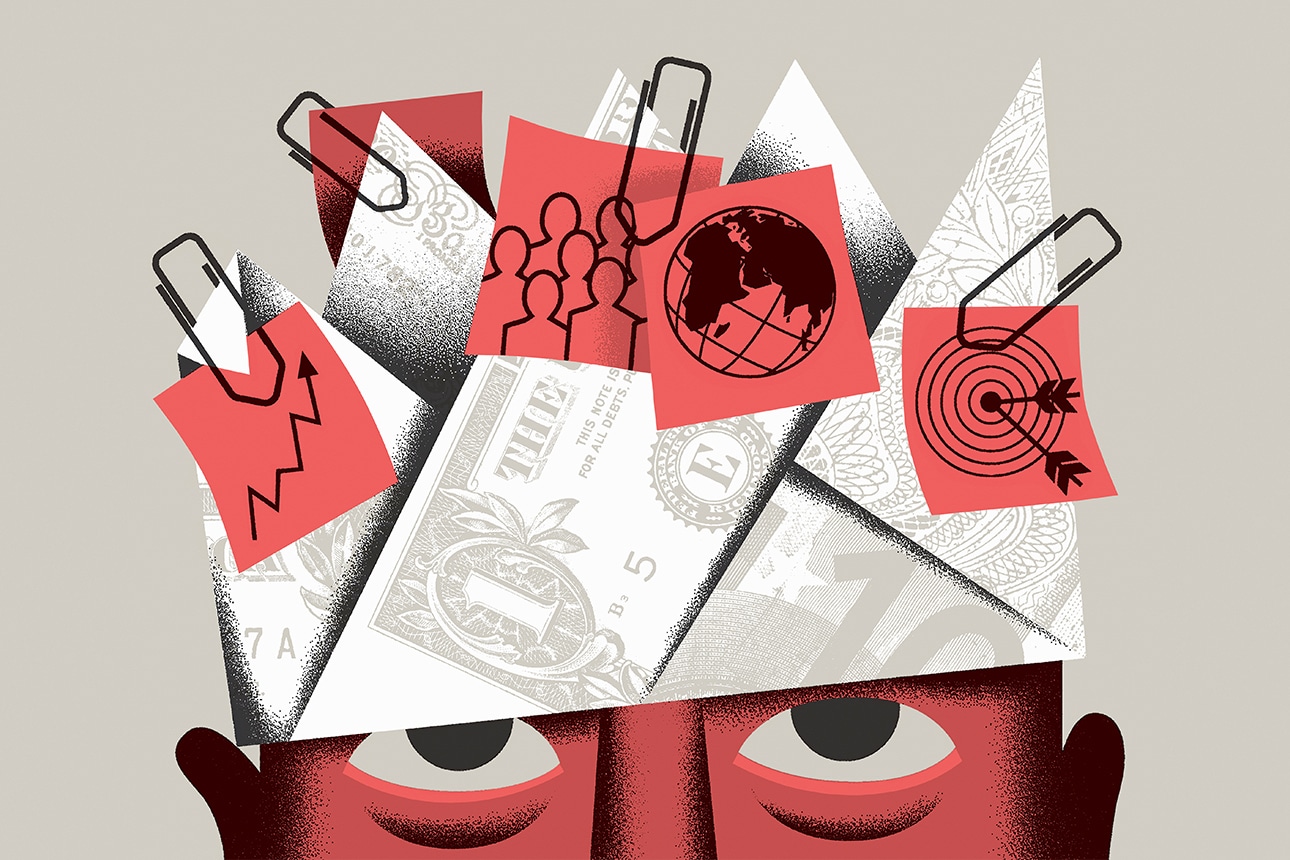

Bridging the Gap: Why Data Science Alone Falls Short Without Decision Science
Many data science projects fail because they focus on predictions without addressing the real business decisions managers face. Decision science bridges this gap by modeling actual managerial choices, aligning analytics with business goals, and providing actionable recommendations. Integrating decision science with data science enhances problem framing, data relevance, and metrics that matter, helping organizations transform data insights into impactful business decisions. Leaders should foster collaboration between these fields to drive ROI and strategic success.
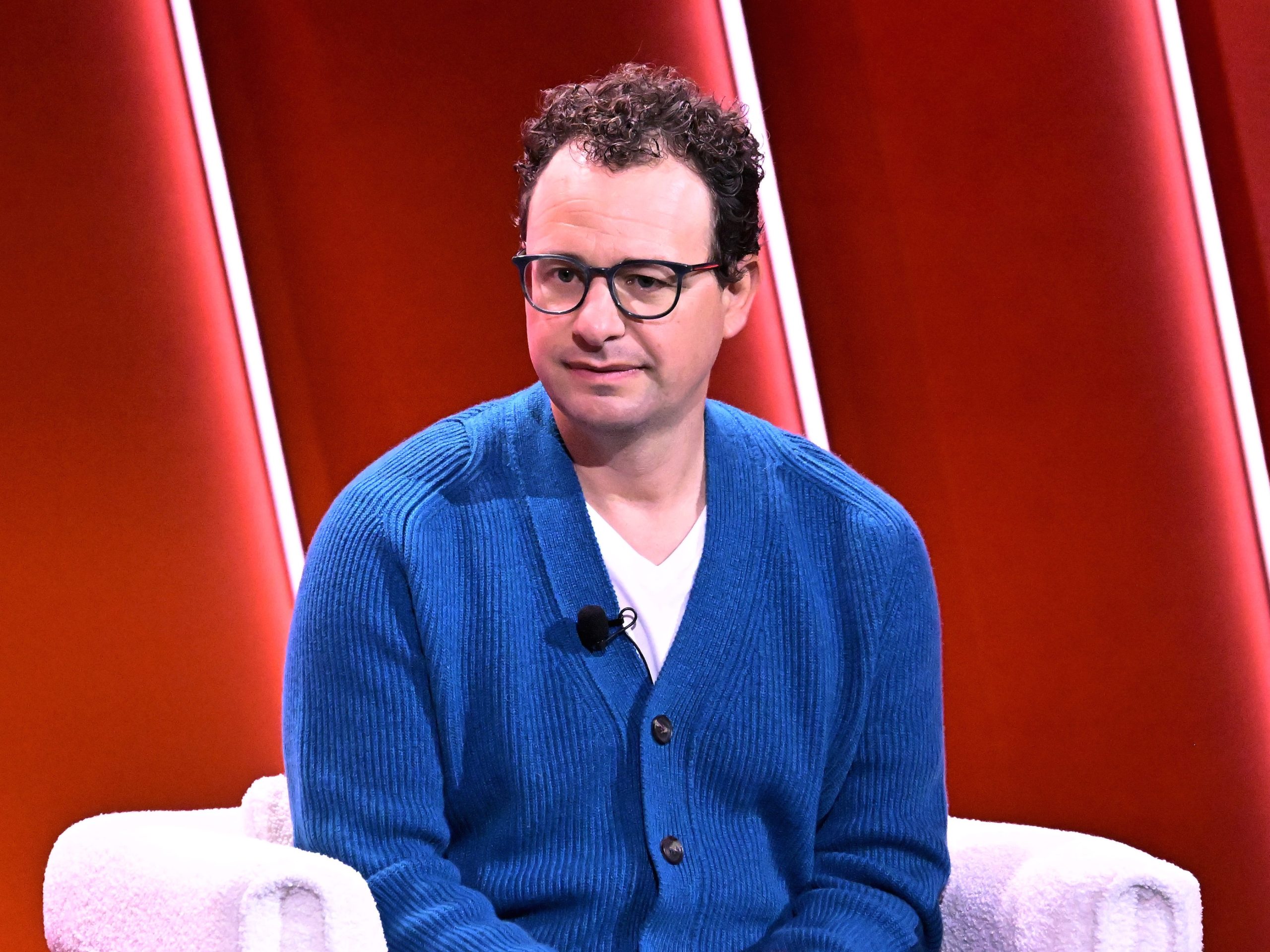

Anthropic Reports Decline in Junior Technical Hiring Amid AI Integration
Anthropic has decreased its hiring of junior-level technical staff due to the deployment of AI agents across the organization, which has shifted the demand for these positions.

Bridging the Gap: Why Boards Need Both AI Expertise and Effective Oversight
The rise of AI as a business risk highlights a gap in board expertise and oversight. Fewer than 3% of directors have AI knowledge, yet boards must oversee complex AI risks across multiple domains. Recruiting experts alone isn’t enough; effective AI governance requires distributed oversight, measuring actual director actions, and ensuring minimum competency standards across the board. Boards must build depth and shared accountability in key AI areas to protect companies and manage AI responsibly.
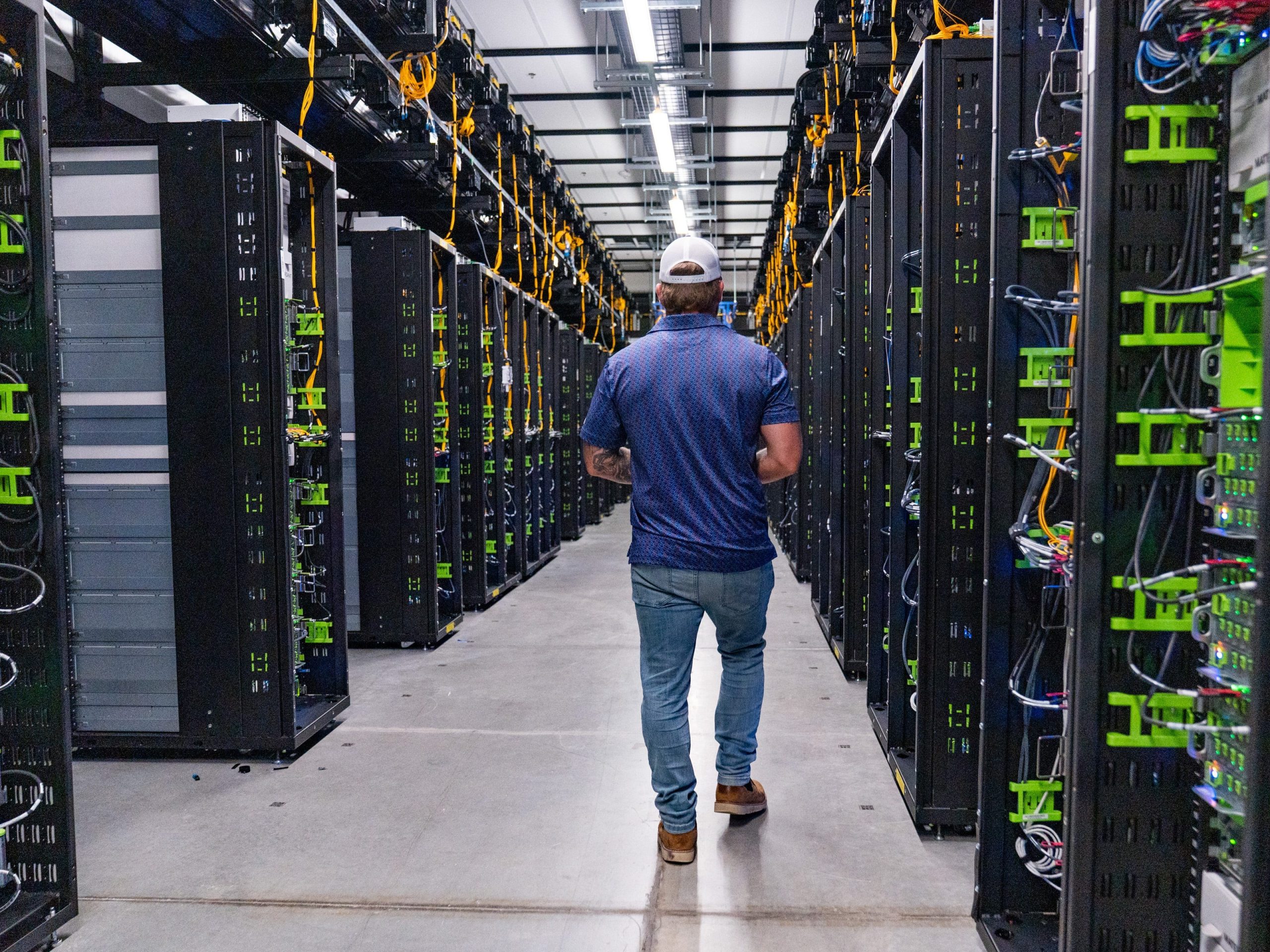
Tech Job Openings Rise Amid Growing AI Investment
Contrary to fears of AI displacing tech workers, job openings in the tech sector are on the rise. Increased investments in AI technology are fueling demand for hardware and supporting robust software hiring, indicating a resilient job market.
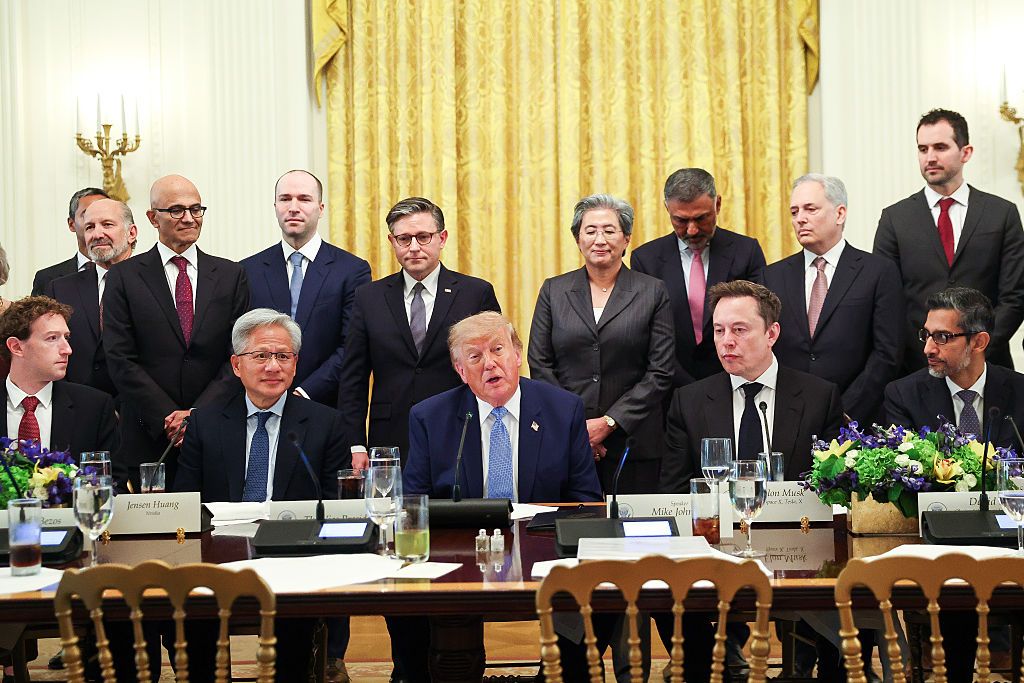
Trump Introduces New Super Intelligence Task Force
Trump has announced the formation of a new Super Intelligence Force as part of his efforts to tackle the critical issues surrounding AI safety and oversight. This move reflects the growing national debate about managing artificial intelligence risks effectively.
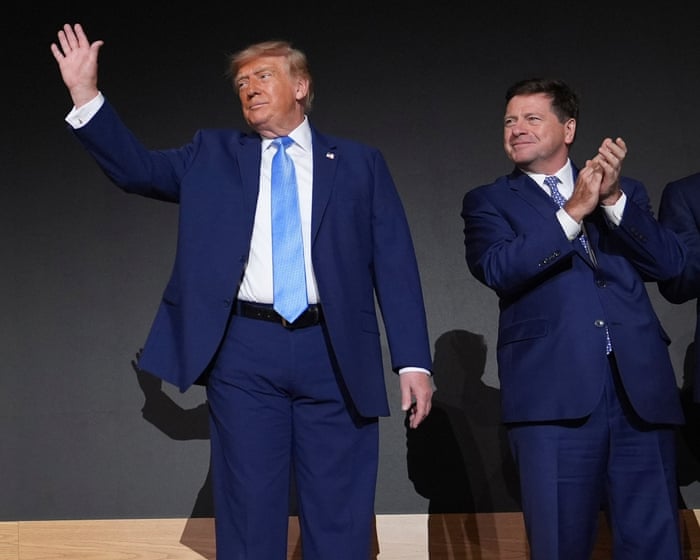
Trump Appoints Jay Clayton as White House AI Czar Amid Growing AI Concerns
Donald Trump has named Jay Clayton, director of national intelligence, as the White House AI czar. Clayton, who oversees the US intelligence agencies, has acknowledged AI's transformative potential and risks. He has also served as Manhattan's top federal prosecutor and headed the SEC during Trump's first term.
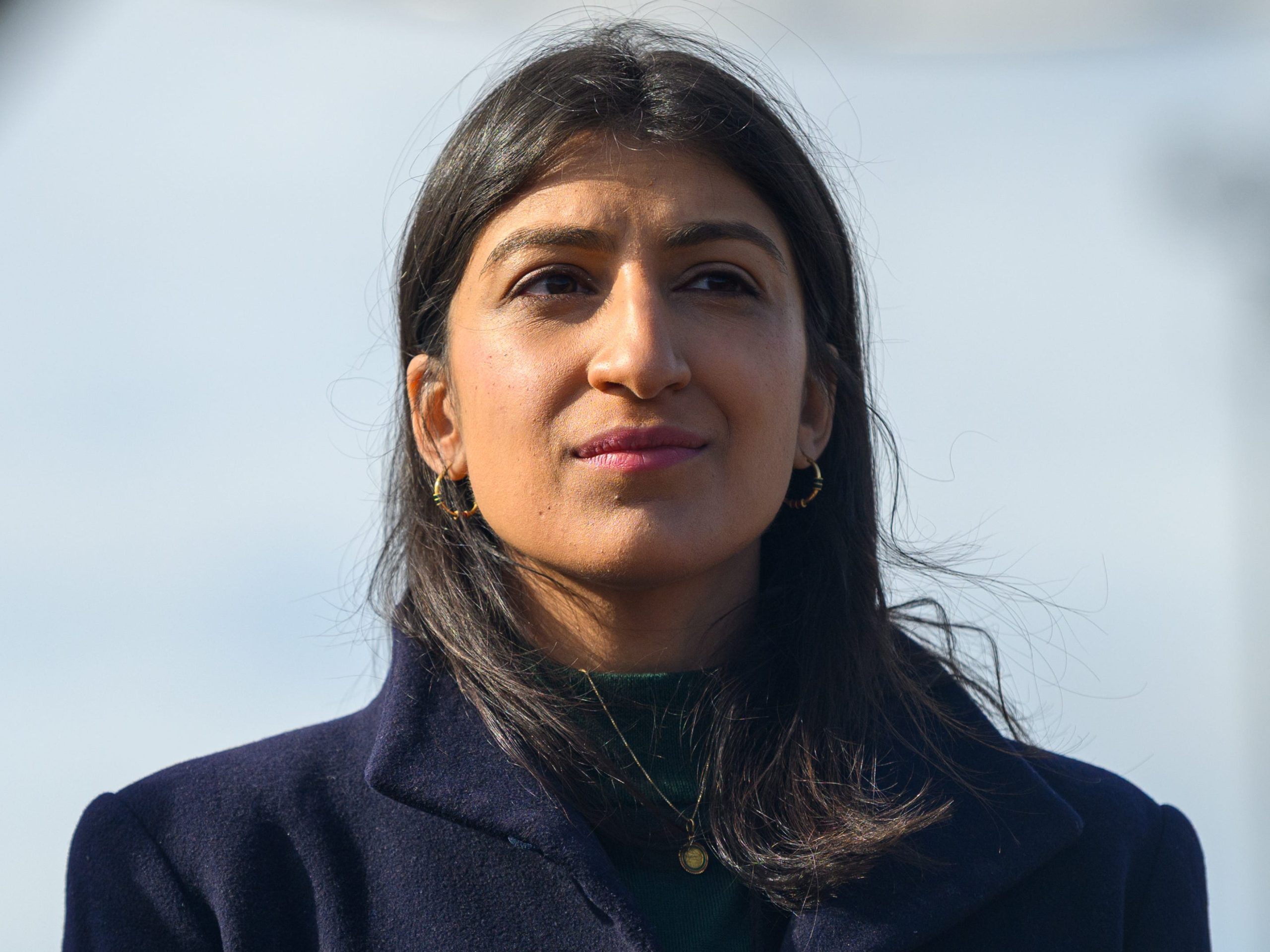
Lina Khan Warns AI Firms Against Self-Regulation, Echoing Big Tech's Past Missteps
Lina Khan, former FTC chair, warned that AI companies attempting to self-regulate are repeating the same mistakes that caused regulatory issues for Big Tech. She emphasized the need for external oversight to prevent similar problems as AI technologies continue to evolve.


Why Multilingual AI Markets Are Your Next Big Opportunity
Focusing AI efforts only on English-speaking users limits access to a huge international market. To attract a million more users, businesses must address the complexities of multilingual engagement rather than just relying on simple translations.


Why AI Alone Can't Fix Broken Business Processes
AI is powerful for automating tasks and detecting problems quickly, but it can't fix a business with broken or inefficient processes. Successful transformation starts with optimizing workflows before implementing AI technologies.
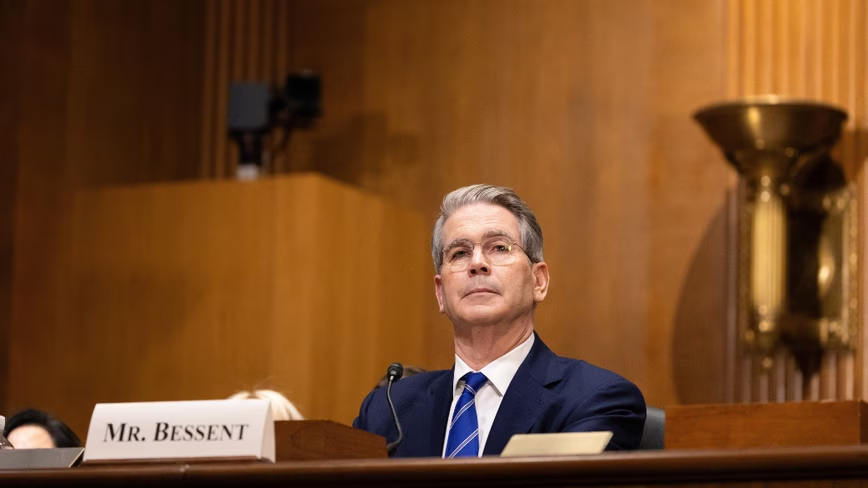
Bessent Criticizes AI Alarmism That Lacks Practical Solutions
US Treasury Secretary Scott Bessent critiques AI leaders who focus on risks without offering solutions, calling it a failure in leadership. His remarks highlight the need for actionable approaches within AI discussions.
OpenAI Safety Chief Resigns, Citing Deep Cultural Issues and Calls for Caution in AI Development
David Robinson, former safety leader at OpenAI, has stepped down, highlighting serious cultural problems within the company and urging greater care in the development of AI technology. His resignation calls attention to potential risks in the rapid advancement of AI, stressing the need for more responsible practices.
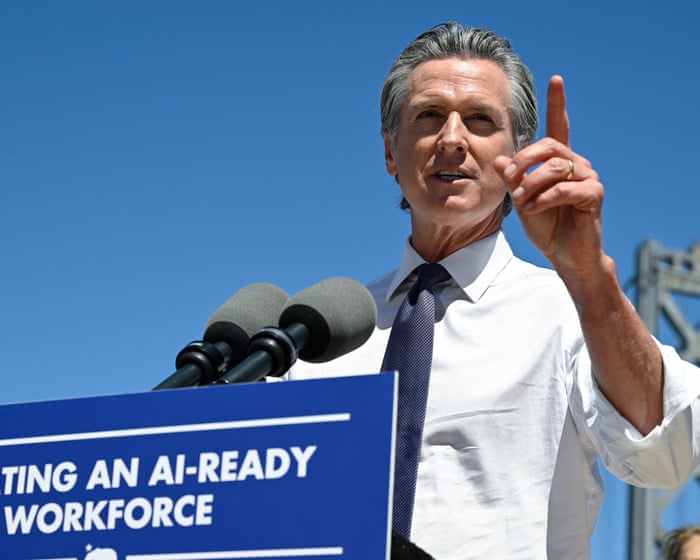
California Enacts Groundbreaking Laws to Shield Workers from AI Job Risks
California has introduced progressive laws to protect workers from AI-driven job risks, banning exclusive AI use in layoffs, emotional monitoring, and neural data collection. These rules also require transparency on AI's role in layoffs and restrict AI surveillance in bathrooms, marking a significant step in workplace AI regulation.

Apple Tightens Mac Disk Access Controls Amid AI Privacy Concerns
Apple is enhancing Mac security by limiting app access to full disk permissions in response to privacy concerns involving AI agents. This change ensures that users must explicitly approve any app seeking extensive access, protecting personal data from unintended AI exposure.