


Stop Prompting AI; Start Mastering Its Direction
This article explores how professionals can move beyond simple AI prompting to directing agentic AI systems. By configuring AI agents with the right context, capabilities, and analytical orientations, professionals can uncover deeper insights through multiple lenses, surface organizational silences, bridge analysis across levels, and stress-test categories. The approach emphasizes discovery over answers, treating unexpected findings as valuable signals and applying professional judgment to evaluate AI-generated proposals, enriching organizational understanding and decision-making.


The Emerging Role of the Chief AI Officer in Business
As AI increasingly intertwines with product development, businesses face the need to blend these disciplines to drive innovation and growth. Embracing this dual approach is essential for leadership to harness AI’s full potential.


Flexibility and Remote Work Influence Women’s Job Application Decisions More Than Men’s
Women value remote work and flexible schedules more than men when applying for jobs, prioritizing work-life balance and meaningful engagement. Though salary is important to both, flexibility strongly influences women’s job decisions and retention. This highlights the need for adaptable workplace policies to support female employees and boost overall productivity and growth.

Target SVP Emphasizes the Competitive Edge in AI Ecosystem Beyond Just Models
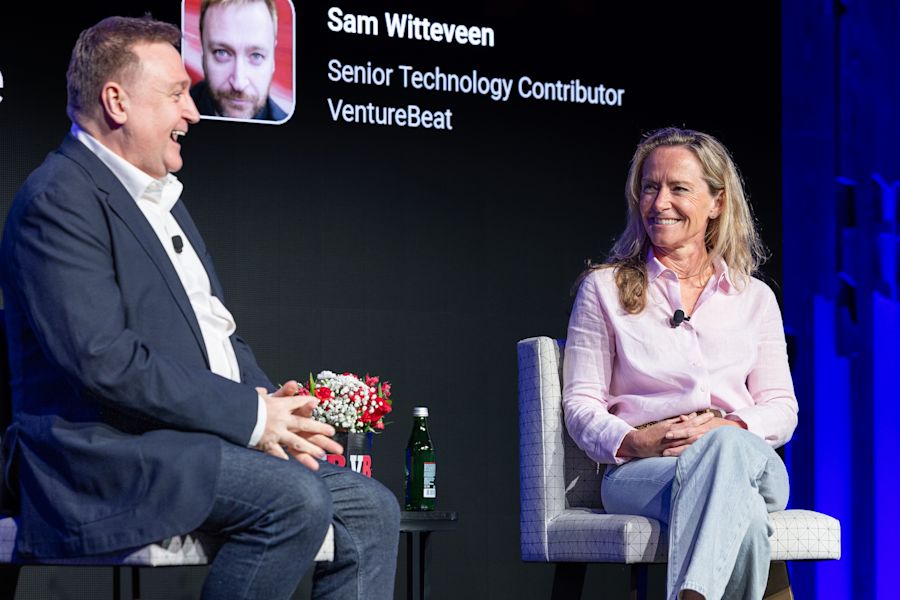
Target's AI strategy focuses on building strong systems and governance around AI models to create a real competitive advantage. AI agents at Target earn autonomy over time and are closely monitored for performance and compliance, ensuring reliability and scalability. This comprehensive approach includes cultural shifts within teams to manage AI-human workflows effectively, underlining the importance of architecture, security, and continuous evaluation in leveraging AI for business value.


Unveiling Gen Z's Leadership Aspirations Contrary to Popular Belief
Contrary to common assumptions, Gen Z shows a strong desire to lead, though they may not express it through typical channels like seeking promotions. The data reveals a different perspective on their leadership ambitions.

Fostering a Healthy Work Culture to Support Trauma Survivors
Childhood trauma, or adverse childhood experiences (ACEs), affects many employees’ well-being and workplace behavior. However, healthy work cultures characterized by respect, stability, autonomy, and supportive leadership can promote brain adaptability and recovery through neuroplasticity. Such environments help trauma survivors reduce anxiety, build self-worth, and regain agency, improving resilience and performance over time.


Tesla Considers Selling China Operations Amid SpaceX Merger Plans
Tesla is reportedly exploring the sale of its China business as a strategic precaution in light of potential geopolitical risks involving Taiwan, coinciding with its efforts toward a merger with SpaceX.


Media Measurement Gains Prominence in Executive Discussions on Ad Spending
Major advertisers emphasized media effectiveness during earnings calls, indicating that C-suite executives are increasingly valuing media measurement when evaluating ad spend strategies.

The Marketing Capability Dilemma: Seven Challenges Undermining Your Team's Effectiveness
Marketing teams face a critical paradox: while rapidly evolving AI-driven marketing demands new capabilities, organizations are underinvesting in training and staffing needed to meet these changes. Despite recognizing the importance of agility and technology, companies favor short-term results over building sustainable skills, creating a widening capability gap. Weak CFO partnerships and a rigid preference for internal development exacerbate the problem. To thrive amid AI-driven shifts, marketing leaders must secure stable investment, reframe capability building as a strategic asset, and explore external partnerships.


Microsoft Urges Employees to Curb AI Token Usage and Introduces Division AI Budgets
Microsoft is working to manage its AI-related costs by instructing employees to reduce excessive token usage and setting budgets for AI spending at the division level. This follows a switch to a more affordable OpenAI model for internal use, highlighting the company's focus on optimizing AI resource consumption.

Tim Cook’s Departure: A Powerful Lesson in Leadership Transition
Tim Cook's decision to exit Apple exemplifies wise leadership succession, highlighting the importance of recognizing the right time to leave as a key leadership quality. This approach ensures stability and continued success for the organization.

Crafting Clear and Credible Sustainability Narratives in a Dynamic Business World
Sustainability storytelling must be clear, credible, and tightly connected to real business drivers. By focusing on material issues and simplifying communication, companies can build trust and demonstrate how sustainability creates value through operational efficiencies and growth. A ‘‘back to basics’’ approach with focused commitments helps unify strategies and strengthen impact, ensuring sustainability is a true driver of business resilience.

Asana's AI Agents Enable Company-Wide Collaboration While Safeguarding Confidential Information
Asana's Agentic Work Management (AWM) transforms AI chatbots into collaborative teammates by leveraging a company-wide data graph to share memory and update workflows, while implementing strict safeguards for confidential data. This approach overcomes common AI limitations by creating persistent, efficient, and secure task management solutions, already proven by early enterprise adopters like CoreWeave.

The Complex Reality of Merit-Based Hiring
Organizations have often abandoned DEI initiatives claiming merit-based hiring, yet true meritocracy is often elusive due to flawed criteria and subjective methods. Valid merit-based hiring requires scientifically validated and standardized assessments, which many managers overlook in favor of intuition. Despite skepticism towards certain valid methods, diversity and merit can coexist when hiring practices are based on rigorous validation and expert HR management.

How to Reengage Your High-Performing Employee Who’s Checked Out
When a previously high-performing employee becomes disengaged, managers must first understand the root cause, whether personal issues, conflicting values or goals, or workplace frustrations. By approaching the situation with empathy and open communication, managers can offer support, realign responsibilities, or address barriers to help the employee reengage and regain their motivation. Sometimes, finding a better fit elsewhere may be the best solution.

Porsche Implements Bold Workforce Strategy After Massive Profit Drop
After experiencing a sharp 98 percent drop in profits, Porsche responded by launching a major restructuring plan focused on securing its long-term success and stability, including decisive changes to its workforce management.


Resilience Over Speed: The Real Challenge in AI Talent Management
AI innovation is promising but unstable, posing risks for enterprises reliant on platforms like Anthropic and OpenAI. Cost-effective open-source models are closing gaps in quality and accessibility, prompting a shift toward systems that allow quick model changes and strong collaboration between AI agents and humans. The key to sustainable AI adoption is building flexible, resilient infrastructure that avoids vendor lock-in, embraces change, and upholds strict security and governance. This approach fosters agility, team morale, and long-term stability in enterprise AI.


Why Some CEOs Gain Investor Confidence While Others Don’t Despite Similar Financials
Companies with identical financial statements can face very different market responses. This discrepancy arises from the varying degrees of trust investors place in CEOs rather than differences in financial performance. Leadership credibility plays a crucial role in shaping investor confidence.

Patreon Announces Workforce Reduction Amid Market Adjustments
Patreon is reducing its workforce by 20% to adapt to changing market conditions and ensure financial stability, despite maintaining a strong core business, according to a memo from leadership.

Why Viewing Customer Experience as a Cost Center Hurts Your Revenue Growth
Treating customer experience as a cost center limits revenue growth by overlooking its strategic value. Viewing it as a growth function instead can help companies realize significant new opportunities and boost revenue.