



Trump Appoints Jay Clayton as White House AI Czar Amid Growing AI Concerns
Donald Trump has named Jay Clayton, director of national intelligence, as the White House AI czar. Clayton, who oversees the US intelligence agencies, has acknowledged AI's transformative potential and risks. He has also served as Manhattan's top federal prosecutor and headed the SEC during Trump's first term.


Why AI Alone Can't Fix Broken Business Processes
AI is powerful for automating tasks and detecting problems quickly, but it can't fix a business with broken or inefficient processes. Successful transformation starts with optimizing workflows before implementing AI technologies.


Rising Pressure on CMOs as Their Tenures Shorten and Responsibilities Grow
A recent study reveals that CMOs are under increasing pressure as their average tenure decreases and job demands multiply. Notably, new marketers tend to have stronger AI skills than longer-serving CMOs, indicating a shift in the expertise required in marketing leadership roles.


Ryan Roslansky Steps Down from Leadership Roles at Microsoft and LinkedIn
Ryan Roslansky, having served nearly 18 years at LinkedIn and Microsoft, is leaving after leading LinkedIn and heading Microsoft Office and Teams. His departure has sparked leadership changes, with CEO Satya Nadella acknowledging Roslansky's role in strengthening the company's product and design foundations.


Why Focus on Leadership Presence Over Executive Presence?
Executive presence can be a vague and elusive quality. Instead, cultivating leadership presence offers a practical and concrete way to enhance your influence and effectiveness in leadership roles.


5 Key Mindset Shifts to Empower Teams Amid Uncertainty
Effective leadership in uncertain times requires shifting team mindsets from fear and rigidity to curiosity and growth. Five strategic reframes help teams see threats as opportunities, failures as learning, and constraints as challenges to overcome. These shifts promote creativity, resilience, and collaborative problem-solving in the face of change.


Leveraging Energy Efficiency for Strategic Business Success
Global companies are harnessing digital data and AI to slash energy use, cut costs, and boost resilience. Comprehensive strategies combining real-time energy tracking, operational redesign, and energy-smart products create lasting competitive advantages. Leading firms like Clariant and Georg Fischer demonstrate how integrating energy efficiency into business priorities supports sustainability and growth, particularly amid rising and volatile energy costs.


The Decline in CMO Tenure: Marketing Leaders Stay Less Time in Roles
Survey data from 13,000 U.S. marketing professionals reveals a sharp increase in client-side turnover with Chief Marketing Officers now staying in their roles for over a third less time than 16 years ago, reflecting shorter average tenures in marketing leadership.

Rethinking Entry-Level Marketing Roles as AI Shifts Industry Demands, Says Gartner
Gartner predicts that AI will transform marketing roles by 2030, reducing the need for traditional entry-level jobs. Instead of cutting these positions, the recommendation is to empower new hires with more responsibility to foster development and meet evolving market needs.


AMD to Acquire AI Innovator World Labs in $8.2 Billion Deal
AMD is set to acquire World Labs, an AI company led by Fei-Fei Li, for $8.2 billion. Following the acquisition, Li will join AMD as executive vice president and chief scientist, enhancing AMD's innovation capabilities in artificial intelligence.


Disney Encourages Employees to Use AI for Performance Reviews Amid Potential Challenges
Disney has introduced the use of AI chatbots for employees to assist in crafting their annual self-reviews, highlighting a technological shift in performance evaluations. However, this strategy may present challenges, including potential drawbacks in AI-driven assessments.
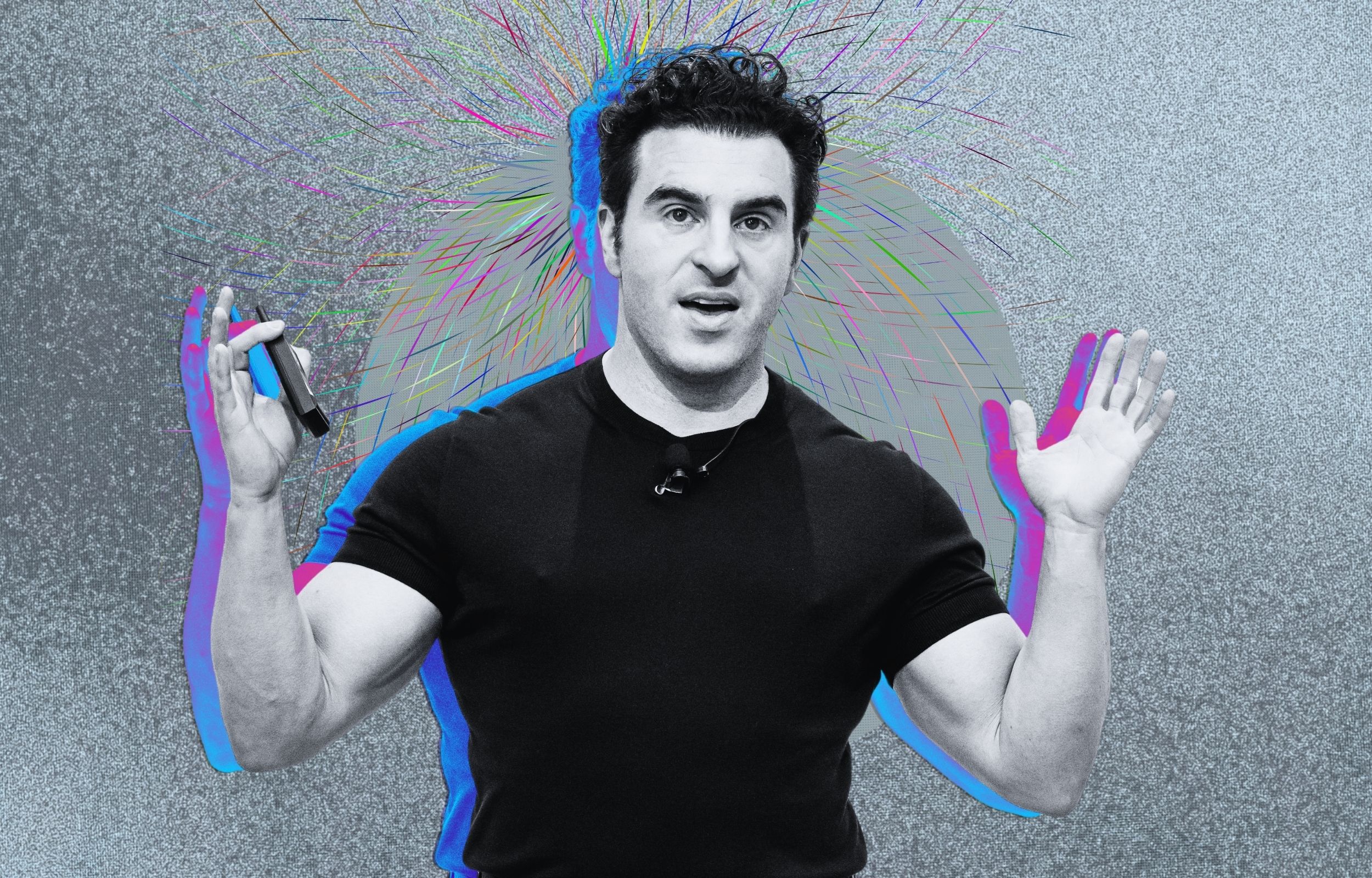

How Airbnb's CEO Used AI to Slash His Meeting Load
Brian Chesky, Airbnb's CEO, created an AI-powered tool to cut his meeting time in half, enabling him to manage his schedule more efficiently and concentrate on key business goals.

Matthew Prince on the Future of the Web, AI, and Transforming Business Models
Matthew Prince, Cloudflare CEO, discusses AI's transformative effects on the internet, the collapse of traditional ad-based models, and new business models to monetize AI-driven web traffic. Cloudflare’s strategic role includes enabling content creators to monetize bot access and restructuring internally to embrace AI efficiencies. Prince advocates for a healthier web ecosystem rewarding authentic content and knowledge creation over sensationalism, while navigating ethical challenges and industry cooperation for sustainable internet growth.

5 Essential Strategies to Build a Resilient and High-Performing Team
Dr. André Martin outlines five key strategies for building teams that are confident, collaborative, and resilient amidst rapid change. By focusing on collective performance, meaningful contributions, borrowed expertise, and shared leadership, teams can thrive even in uncertainty.

Dataiku Survey Reveals 81% of CIOs Lack Visibility into AI Agents Developed Outside IT Control
Dataiku's survey of 685 CIOs reveals that 81% lack complete oversight of AI agents built outside approved IT systems, underscoring a widespread governance challenge in managing AI developments within organizations.


How Netflix's Product Team Earned Creative Trust for an AI Transformation
Netflix's AI implementation combined traditional communication and thorough planning to successfully gain the trust of thousands of creatives, highlighting the importance of thoughtful human interaction alongside technological innovation.

Who Drives AI Transformation Within Organizations?
AI transformation is truly driven by employees who actively rethink and improve workflows using AI, not just by executives or specialized teams. Leadership's role is to enable and support these innovators with training, tools, and clear guidelines, fostering a culture of experimentation. Success should be measured by meaningful outcomes like productivity and client satisfaction, while ensuring employees gain valuable skills for their careers.

Rethinking Design Thinking: Embracing Responsibility for Ethical Innovation
Recent legal rulings spotlight how design thinking, a user-centered innovation method, can unintentionally cause harm by missing ethical risks. Research with industry leaders reveals four main pitfalls: ignoring environmental impact, overlooking non-primary users, rushing development, and underestimating scaling dangers. To mitigate these, leadership must embed clear purpose, broaden stakeholder inclusion, create safe environments for ethical concerns, and rigorously test for harms before scaling. Ethical innovation is not just a choice but a necessity to avoid legal and reputational damage in today’s complex product landscape.

Warren Buffett Retires at 96: Key Leadership Insights from Berkshire Hathaway
Warren Buffett, the iconic leader of Berkshire Hathaway, has stepped down at the age of 96. His leadership journey underscores an essential lesson: true leadership is about building successors, not just businesses. This insight reflects the profound legacy Buffett leaves behind, emphasizing the importance of mentorship and thoughtful succession planning in long-lasting leadership.
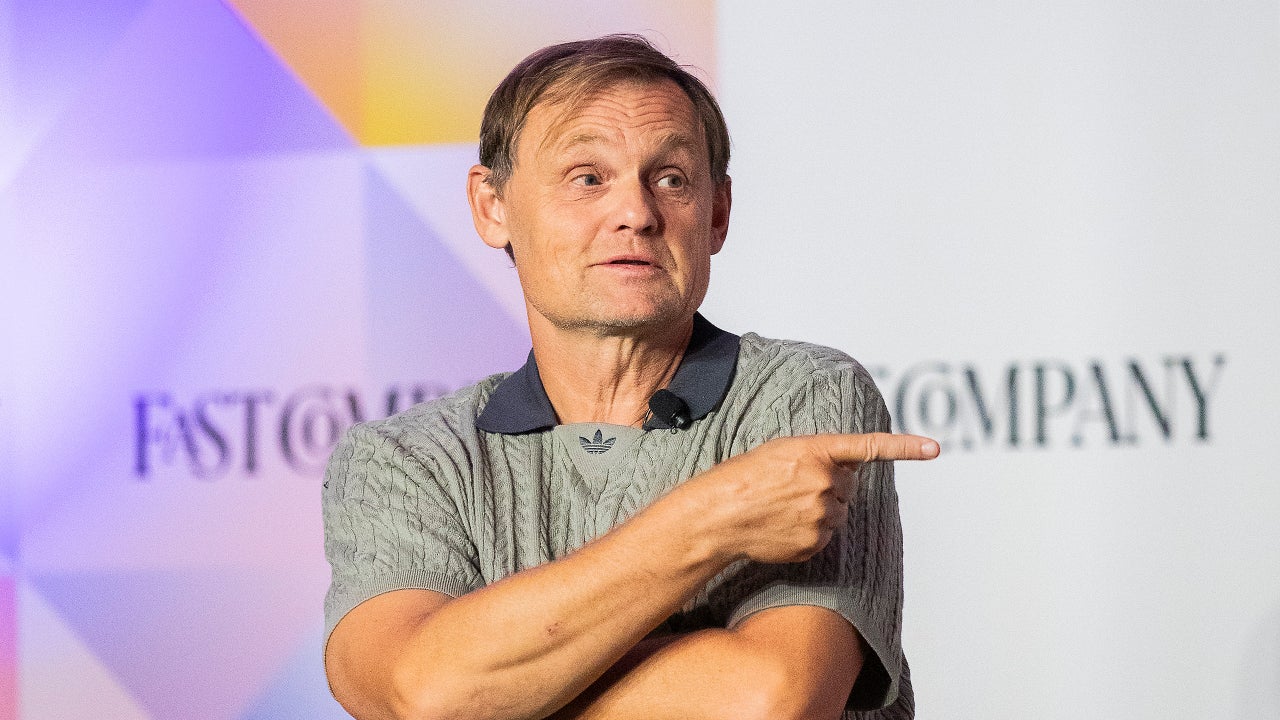
How Adidas CEO Bjørn Gulden's Bold Approach Revitalized the Brand
Adidas CEO Bjørn Gulden credits the company’s turnaround to removing obstructive layers of management and empowering creative, energetic employees. Since taking charge in 2023 amid challenges like the fallout from the Yeezy partnership and market setbacks, Gulden streamlined operations, emphasized innovation, and fostered a culture of swift decision-making. This strategy restored Adidas’s growth, profitability, and market presence, highlighted by recent athletic achievements.