


Why Your Team Isn't Responding to Your Clear Message — Uncovering the Hidden Barriers
Sometimes, even when a message is clear, the underlying systems and processes cause teams to act differently. This highlights the importance of understanding the environment and barriers that influence decision-making beyond just communication.

Cutting Down on Feature Bloat: How to Maximize Your Product's Value
Many products suffer from feature bloat, where a large portion of features remain unused. Learning to identify and remove these dead weight features helps focus on the functionalities that truly improve customer satisfaction and support business growth.


Navigating the Challenges of AI as Our Most Accessible Work Companion
AI is becoming the go-to "colleague" for many, boosting efficiency but risking workplace loneliness and weakened social skills. This shift is especially evident with Gen Z and raises concerns about maintaining authentic human connections crucial for trust and collaboration. Leaders should prioritize meaningful interactions and mentorship to balance AI's benefits with the need for relational resilience, ensuring a healthy, connected workplace culture.
22 Overlooked AI Risks Every Leader Should Acknowledge
Leaders often overlook the full scope of AI risks, including data quality, diminished judgment, security, cost, and cultural impact. Embracing AI requires balancing technology with human insight, governance, and alignment to drive meaningful transformation.

The Power of One Question to Drive Team Innovation
Phil Haid reveals how one straightforward question can change the way teams work together, leading to greater collaboration and breakthrough innovation. This insight highlights the importance of thoughtful inquiry in fostering a creative and productive environment.


Meta Appoints Assaf Keren as Chief Information Security Officer
Assaf Keren has been named Meta's new chief information security officer, succeeding Guy Rosen. Keren joins Meta from Qualtrics, where he was chief security officer for two years, and has also held the CISO role at PayPal, bringing strong expertise in cybersecurity leadership.

Monday.com Plans Major Workforce Reduction to Focus on AI Integration
Monday.com is cutting around 20 percent of its employees, totaling 620 jobs, to reshape its business around an AI-focused platform. The decision, revealed in an SEC filing, reflects the company's intent to streamline operations and prioritize artificial intelligence in its project management solutions.


Opinion: Who's Ensuring Proper Oversight of AI in Hospitals?
Senior hospital leaders need to actively oversee AI governance daily instead of delegating it to quarterly technology committees, ensuring responsible and consistent management of AI tools in healthcare.

Why Your Team Opts for the Safer Route Despite New Process Implementation
Teams frequently default to safer, familiar methods even after new processes are introduced, leading to failures in execution. Recognizing and addressing the reasons behind this behavior is crucial for effective change management and successful implementation.

JPMorgan CEO Jamie Dimon Reveals the Key Flaw That Undermines Leaders
Jamie Dimon, CEO of JPMorgan, highlights a crucial character flaw he believes hinders leaders, emphasizing its importance when promoting individuals to significant leadership positions.


Why Established Companies Often Overlook Early Market Shifts
Established companies frequently miss the early indicators of shifting market trends, leading to a gradual decline in their relevance. Recognizing and adapting to these changes early is crucial for sustained success.

From Buzz to Real-World AI Impact
Effective AI adoption requires business leaders to carefully navigate critical preparatory steps to move beyond the hype and realize tangible impact within their organizations.


A Fresh Approach to Improving Team Dynamics through Personality Insights
This article explores a novel method to enhance team dynamics by using the Big Five personality assessment to uncover psychological differences among team members. Testing with global executive teams revealed patterns such as like-mindedness, polarization, and outliers that can inhibit productivity. Visualizing "team DNA" helps teams recognize challenges and leverage diversity. Facilitated discussions create a safe space for sharing insights, boosting collaboration, reducing conflict, and accelerating cohesion. This approach encourages leaders and teams to embrace personality differences as valuable assets, improving decision-making and group effectiveness.


Are Forward Deployed Engineers the Future of AI Implementation?
Forward Deployed Engineers are increasingly being brought into companies to address the challenges and complications arising from AI technology implementation. This emerging role aims to manage and fix AI-related issues, potentially changing how businesses integrate AI solutions effectively.


Why the Recent Drop in AI Confidence Signals Progress Rather Than Setback
A recent decline in AI confidence among IT leaders actually marks a positive shift toward honesty about the real challenges of deploying AI at scale. As organizations move AI agents from pilots into production, they confront issues of governance and accountability, especially around non-human AI identities. This recalibration reflects a maturing AI landscape where firms build stronger infrastructures and set higher standards for responsible AI use, paving the way for confident, sustainable expansion.

Empowering Front-Line Innovation: The Crucial Role of Leaders and Middle Management
Front-line employees often have valuable ideas but lack support due to operational pressures and unsupportive management. Middle managers play a crucial role in fostering innovation by encouraging experimentation and reinforcing employees' identity as innovators. Senior leaders must back these managers with resources and visible commitment to embed innovation into daily work. Practical strategies like protected idea spaces, timely feedback, and recognizing contributions help cultivate a culture where creativity thrives alongside operational excellence.

Intel Announces Job Cuts in Data Center Division Amid Positive Stock Momentum
Intel is cutting jobs in its data center unit during a broad restructuring, while its stock continues to rise strongly on positive investor sentiment about the company's turnaround under CEO Lip-Bu Tan.


Omnicom Media Adapts Agency Model Amid AI Automation Shift
As AI automates media tasks, Omnicom Media Group is reshaping the agency business model, emphasizing strategy, data, and unique capabilities to stay competitive rather than relying solely on scale.
Atlassian's Research Reveals: Maximizing AI ROI Requires Team-Centric Adoption, Not Just Individual Use
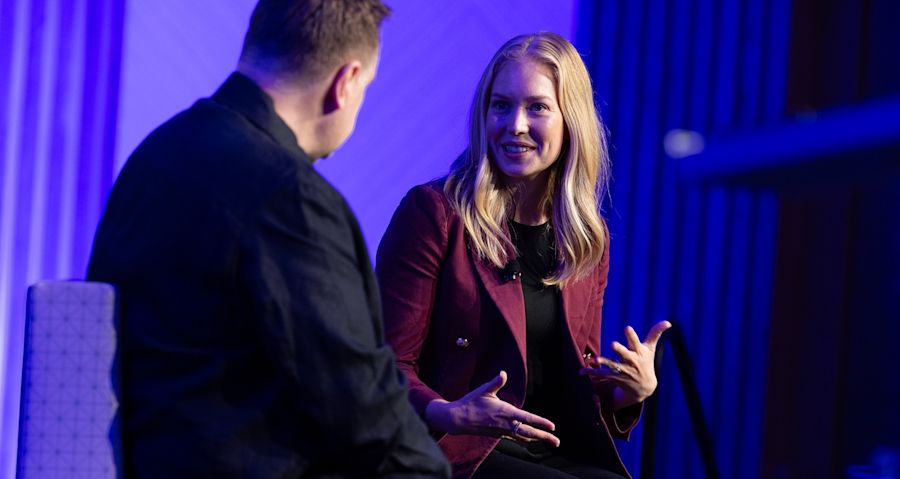
Atlassian research shows that real AI value comes from team-level collaboration, not just individual use. Successful teams create shared contexts, redesign workflows, and foster a culture of experimentation. Organizations that treat AI as a team effort, with clear agreements and shared knowledge, achieve better ROI and higher quality outcomes.

Harnessing AI for Shared Prosperity: Insights from Stanford's Erik Brynjolfsson
Erik Brynjolfsson of Stanford urges us to focus on how we use AI, emphasizing human choices and institutions over technology itself. His research reveals AI’s mixed impact on employment and productivity, highlighting the need for new skills and business models. Advocating mindful optimism, he stresses AI as an amplifier of human intention, calling for conscious efforts to shape AI-driven growth toward shared prosperity.