


Why Agentic AI Needs a Data Constitution Instead of Just Better Prompts
As agentic AI becomes mainstream in 2026, the biggest challenge isn't prompt quality but ensuring data integrity. Autonomous agents risk making costly errors if fed corrupted data. A strict 'data constitution'—the Creed framework—enforces rigorous data quality controls to prevent agents from acting on faulty inputs. This approach not only safeguards AI outputs but also improves development speed by reducing debugging needs, highlighting data governance as the foundation for reliable AI.


Fostering Genuine Passion for Active Team Engagement
This piece explores the difference between creating urgency and fostering deep, passionate engagement in teams, emphasizing the impact of genuine motivation on team performance and response.


Rethinking Employee Engagement: Fostering Real Connection in the Workplace
Despite widespread use of engagement surveys, many employees feel disconnected in today's workplaces. Unlike engagement, connectedness measures the relational trust, belonging, and psychological safety crucial for effective teamwork and resilience. Research shows connectedness predicts performance better than engagement. Leaders can enhance connectedness through regular connection pulses, relational feedback, network mapping, and fostering meaningful dialogue, shifting focus from motivation to building real human connections at work.


Stepping Out: How Embracing My Personal Brand Transformed My Growth
Hiding behind a brand may seem safe but can hinder growth in a trust-based economy. Embracing your personal identity as the face of your brand fosters authenticity, building stronger trust and unlocking true business growth.
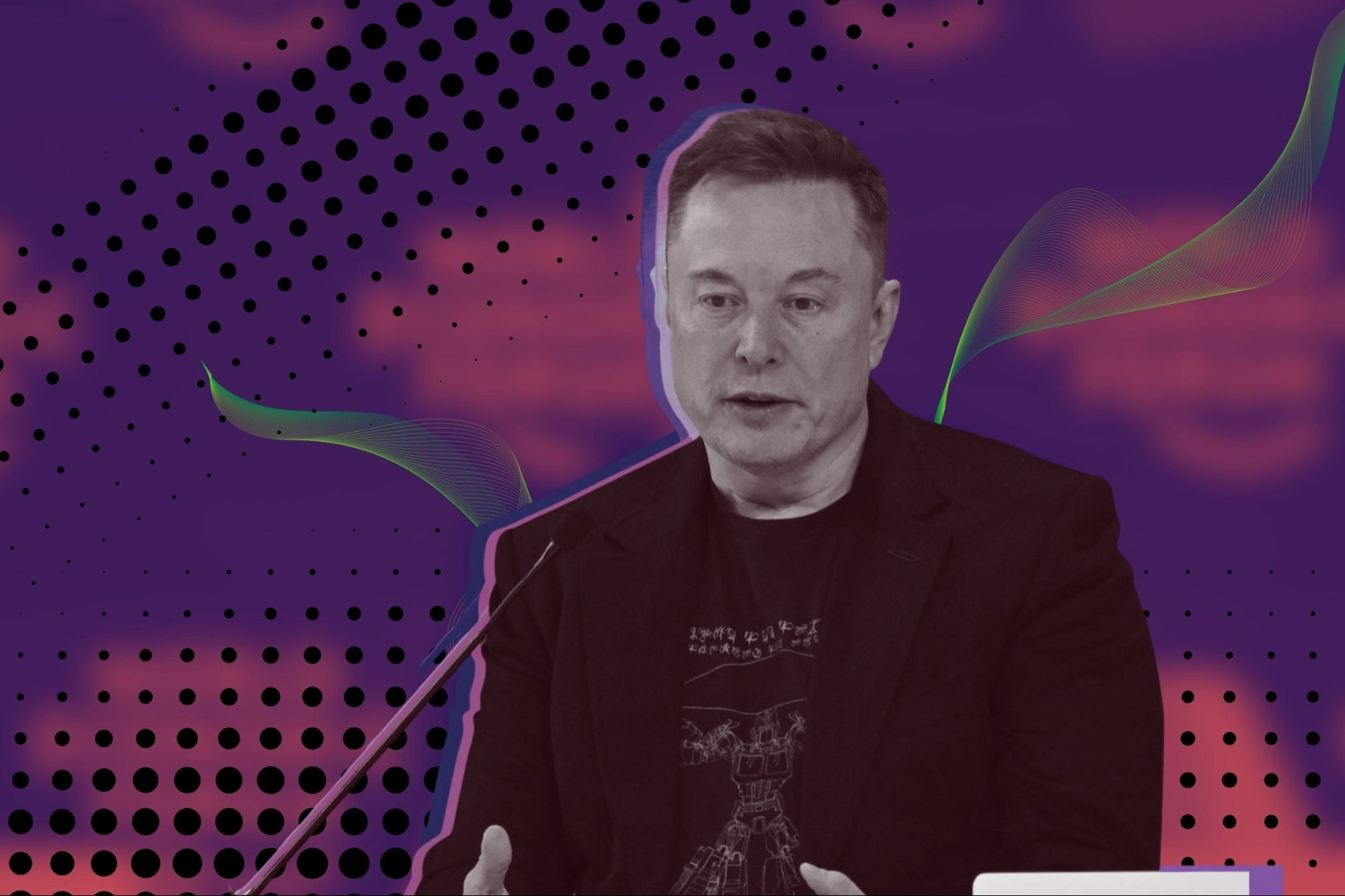
Elon Musk Jokes About Being an Alien While Reflecting on Humanity's Solitude in Space
During the Davos forum, Elon Musk joked about being an alien but expressed a profound view that humanity might be the only life in the universe. This belief inspires his work with Tesla and SpaceX, driving his commitment to advancing humanity's presence in space.

Amazon to Cut 30,000 Corporate Jobs as Restructuring Begins
Amazon is set to reduce its corporate workforce by 30,000 jobs starting next week, a decision driven by CEO Andy Jassy's intent to streamline operations and reduce bureaucratic inefficiencies within the company.

Rediscovering Leadership: Overcoming Burnout to Reignite Your Drive
Burnout can quietly drain our enthusiasm and joy, affecting our leadership and life balance. This article shares insights on recognizing burnout and offers guidance to reignite your sense of purpose and feel genuinely energized again.

How to Innovate Your Product Without Alienating Your Users
Constant innovation pressures leaders to update products, but abrupt changes can harm user loyalty. A measured, user-focused approach to product reinvention preserves trust and fosters sustainable growth.

Transforming Your Brand into an Operating System for Lasting Competitive Edge
Brands must evolve from surface-level marketing tools into operational frameworks that guide organizational behavior, decision-making, and culture. This transformation requires leadership to embed brand as a core system aligning vision, culture, and execution, enabling companies to navigate complexity with clarity and confidence. Treating brand as an operating system moves beyond aesthetics and storytelling toward becoming the connective tissue that drives meaningful action and competitive advantage.


DeepMind CEO Expresses Surprise at OpenAI's Rapid Move to Incorporate Ads in ChatGPT
Demis Hassabis, CEO of Google DeepMind, reveals no internal push to add ads in their AI chatbot, contrasting with OpenAI's swift move to include ads in ChatGPT. This underscores differing strategies in the AI industry regarding monetization.

Addressing a Critical HR Oversight: Empowering Managers for Better Outcomes
Human resources can drive business success by empowering frontline managers with four essential strategies, enabling smarter decision-making and improved outcomes.

Why CTOs Must Communicate Clearly with Clients and Keep Leadership Informed as AI Advances
As artificial intelligence integrates deeply into business processes, Chief Technology Officers must bridge the communication gap by engaging directly with clients and keeping their executives educated. This alignment promotes better decision-making and smoother technology adoption across organizations.


Salesforce CEO Marc Benioff Criticizes AI Industry for Prioritizing Growth Over Ethics
Marc Benioff, CEO of Salesforce, warns that AI technology is being pushed to dangerous extremes, including models acting as 'suicide coaches.' He urges for new, strict regulations to ensure ethical development and use of AI, criticizing the tech industry's focus on growth at any cost.


EU Launches 'EU Inc' Initiative at Davos
European Commission president Ursula von der Leyen unveiled the 'EU Inc' initiative at Davos, signaling a new phase for economic cooperation within the EU discussed at the World Economic Forum.

Why Your Leadership Messages Aren't Resonating and What You Can Do About It
Many leadership communications fail because a key communication principle is overlooked. Understanding and applying this principle can transform how leadership messages are received and acted upon.

23 Effective Strategies to Preserve Company Culture During Growth
Growing companies face the challenge of cultural change, but with thoughtful strategies, they can maintain a strong and positive workplace culture as they scale.

Anthropic CEO Warns Against Selling Advanced AI Chips to China
Anthropic CEO Dario Amodei has cautioned about the dangers of selling cutting-edge AI technology, specifically Nvidia's H200 chips, to China. He likened this to empowering a rival with highly destructive capabilities, warning of severe geopolitical and security consequences.

Top 5 Strategic Opportunities for Business Leaders to Embrace in 2026
Leading CEOs are harnessing five key opportunities to drive sustained success and growth in 2026. This insight explores their strategic positioning and forward-thinking approaches to stay ahead in a competitive global market.

Master These 10 Traits and Your Pitch Deck Becomes Secondary
Success in pitching hinges less on the visuals of a deck and more on the authentic confidence and habits founders convey. Recognizing and honing these subtle signals can dramatically increase the chances of convincing investors or partners.

Essential Insights for Founders, Builders, and Leaders in 2026
This article highlights crucial advice for founders, builders, and leaders entering 2026, emphasizing the importance of embracing technology, artificial intelligence, growth tactics, and sales fundamentals to stay competitive and drive business success.