


Balancing Authenticity and Adaptability: How Leaders Navigate Self-Expression and Responsibility
Effective leadership balances authentic self-expression with adaptability to others’ needs. Leaders communicate empathetically, regulate emotions, and anchor behavior in values while remaining flexible. True leadership prioritizes impact and relational trust over rigid identity or unfiltered honesty.


The Emerging Role of AI in Workplace Management
Kirk Chang highlights the growing presence of AI in managerial roles within the workplace, signaling a shift in how businesses might operate and lead teams in the near future.


Mastering Execution: How CEOs Can Build Systems That Last Beyond Motivation in 2026
This guide empowers CEOs to transcend reliance on motivation by developing durable systems that sustain execution, support growth, and maintain focus within their organizations throughout 2026.


Building Culture Starts Early, Not on Paper
Startup founders often overlook the importance of cultivating their company culture early on, mistakenly believing it can be defined later or simply documented. However, true culture is reflected in actions and behaviors, not just words on paper.

AI Proficiency: The Essential Skill Driving Career Success Today
AI skills have become indispensable in today's job market, unlocking faster career growth, new opportunities, and strategic advantages. Experts highlight the importance of mastering focused AI tools, integrating human strengths, and leveraging AI to innovate, automate, and create. This blend enables individuals to stand out, adapt swiftly, and lead in a rapidly transforming workplace.


PwC Survey Reveals CEOs Skeptical About AI's Impact on Business Performance
According to PwC's survey of 4,500 CEOs worldwide, more than half report no noticeable revenue or cost benefits from AI investments, indicating ongoing doubts among top executives about the technology's immediate impact on business outcomes.


Harnessing Customer Complaints as Catalysts for Innovation
Vaud University Hospital in Switzerland transforms customer complaints into powerful tools for innovation by analyzing feedback to fix systemic issues and improve patient care. Partnering with a hospitality school, they enhance staff skills, reducing burnout and boosting service quality. Their approach—viewing complaints as assets, co-creating solutions with customers, and adopting hospitality expertise—demonstrates how frustration can spur meaningful organizational improvements and greater trust.

Figma CEO Dylan Field Prefers Hiring Young Professionals for Their AI Savvy
Dylan Field, CEO of Figma, reveals a preference for hiring younger workers because of their inherent AI skills, which provide them an edge in a workforce increasingly shaped by artificial intelligence. This hiring bias is seen as a strategic move to adapt to the shifting demands of the job market driven by AI innovations.

Balancing AI Adoption with Nurturing Critical Thinking in Your Organization
While AI accelerates productivity, over-automation can weaken critical thinking skills. Organizations need to integrate AI thoughtfully to preserve and cultivate human judgment and decision-making abilities.

How Transparent Metrics Drive Success in Global Teams
Transparent and well-defined performance metrics empower employees by providing clear success criteria, leading to more productive and high-achieving global teams.

Harnessing Outcomes for Strategic Growth and Learning
The DIRS framework—Decompose, Interpret, Reward, and Scale—guides organizations in learning strategically from business outcomes to foster sustainable growth. Through case studies like a European logistics company, it illustrates how breaking down results, interpreting insights, rewarding learning behaviors, and scaling effective practices build resilience and agility, turning outcomes into engines for repeatable success.


Anthropic Reorganizes Leadership to Boost Growth of Internal 'Labs' Incubator
Anthropic is expanding its internal "Labs" incubator to focus on experimental AI products. Instagram co-founder Mike Krieger is transitioning from chief product officer to co-lead the Labs team, joining forces with product engineering lead Ben Mann. This reorganization highlights Anthropic's commitment to innovation and growth within its AI startup framework.


Why Middle Management Remains Essential in the Age of AI
Middle management continues to be vital despite advances in AI. Its core functions are not vanishing but adapting, highlighting the ongoing importance of human oversight and strategic coordination within organizations.

The High Cost of Staying Neutral in Crisis — And How to Take Action Fast
In today's fast-paced environment, neutrality during crises can lead to significant losses. Leaders must act quickly, clearly communicate their positions, and build strong relationships with stakeholders to steer their companies toward success.
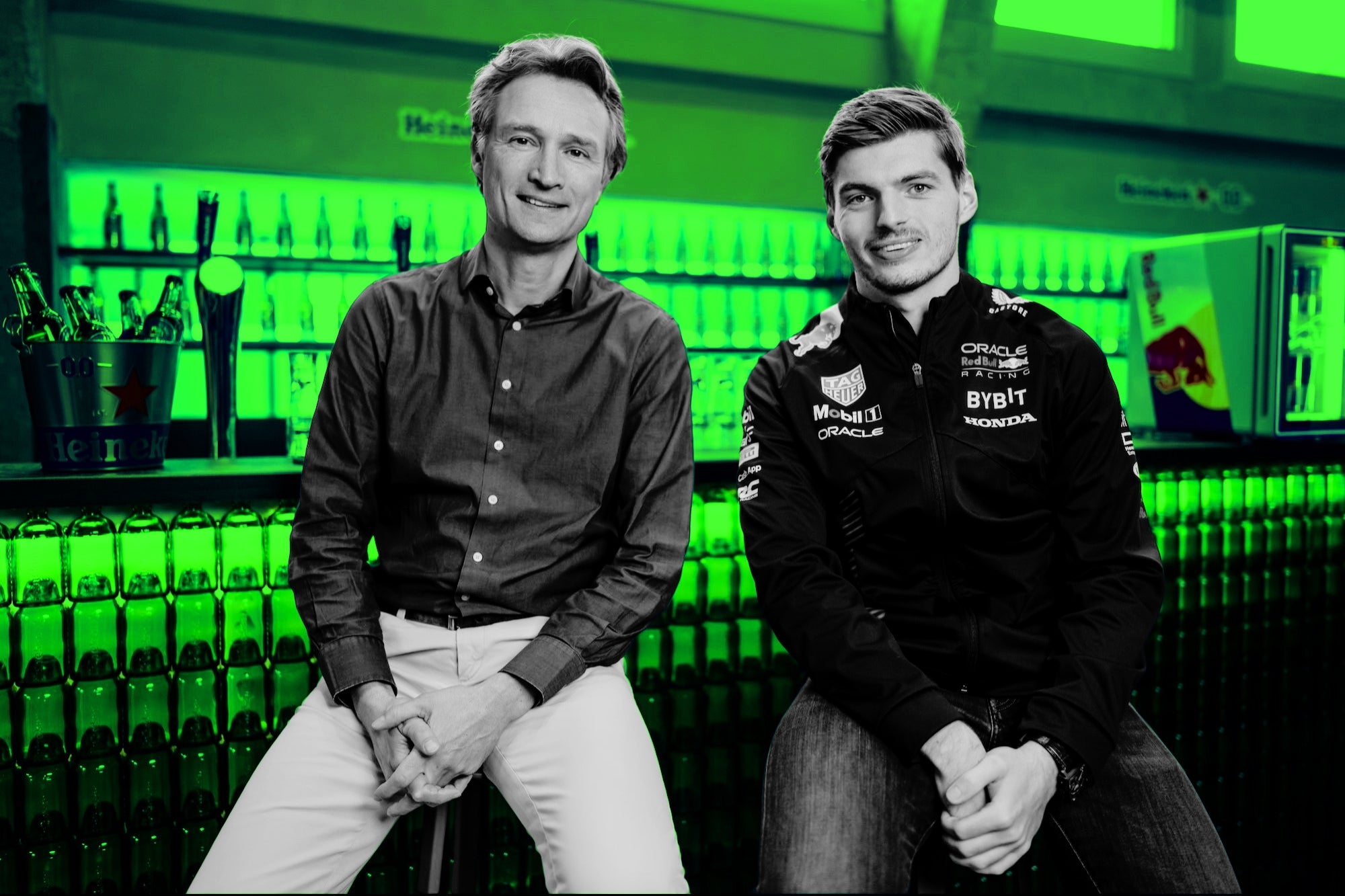
Heineken's CEO Resigns Amid Industry Challenges and Stagnant Growth
After six years at the helm of Heineken, CEO Dolf van den Brink is resigning as the company grapples with stagnant growth and an evolving beer market. This move highlights the brewing sector's ongoing struggle to adapt to new consumer trends and industry challenges.

How Focusing on Team Culture Built a 60-Million-User Company
The key to building a successful company with 60 million users was fostering a team environment centered on ownership, curiosity, and trust, rather than relying solely on technology or capital. This unique team culture created a competitive edge that was hard to replicate.

Rethinking Success: Finding Balance Beyond Business Achievements
Many millennials believe that business success demands personal sacrifices. However, creating a balanced personal plan is vital to avoid burnout and loneliness, fostering both professional and personal well-being.

Effective Leadership Communication in 2026: A Strategic 3-Tier Approach
Strong communication is a critical investment for organizations aiming to enhance performance, build a healthy culture, and develop effective leadership. The 3-tier communication framework provides essential guidance for leaders navigating the challenges of 2026.

Visionaries in Space, Healthcare, and AI Share What Will Shape 2026
Leaders in space, healthcare, and AI reveal their visions for 2026, focusing on accelerating antibiotic development, sustaining American space presence, advancing drug innovation in microgravity, and applying AI for precision medicine. These innovations promise to shape how we address urgent challenges in medicine and exploration.
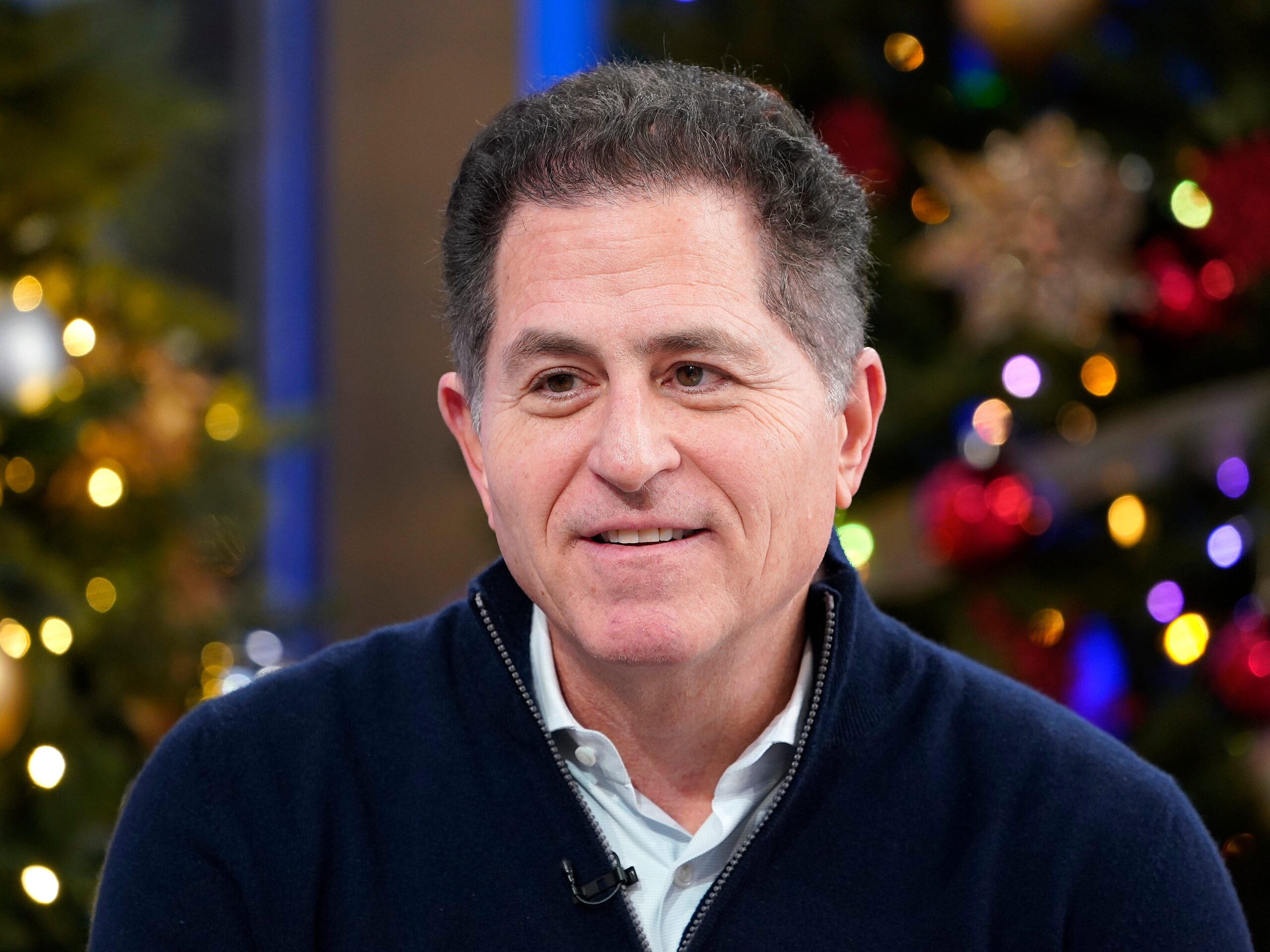
Dell Prepares Staff for Major Company-Wide Transformation, Says COO
Dell is gearing up for the largest transformation in its 42-year history, according to COO Jeff Clarke. The company is poised for significant change that will reshape its future.