


Sam Altman Responds to Molotov Cocktail Incident and Rising AI Concerns
Sam Altman, CEO of OpenAI, shares his perspective on a Molotov cocktail attack on his home and the anxieties surrounding AI's increasing influence, sparked by a provocative New Yorker article.


How to Break Free From the Anchoring Trap in Negotiations
Anchoring, the tendency to fixate on the first number offered in negotiations, traps even experienced negotiators. Research shows that adopting a "choice mindset"—reminding yourself you have multiple options—can reduce anchoring by expanding your range of counteroffers. Taking a brief pause to consider alternatives before responding and preparing several counteroffers in advance further weakens this effect. Mental focus during negotiations is critical, as distractions increase anchoring. This strategy shifts negotiations from reactive haggling to proactive problem-solving, empowering you to set terms that better reflect your objectives.
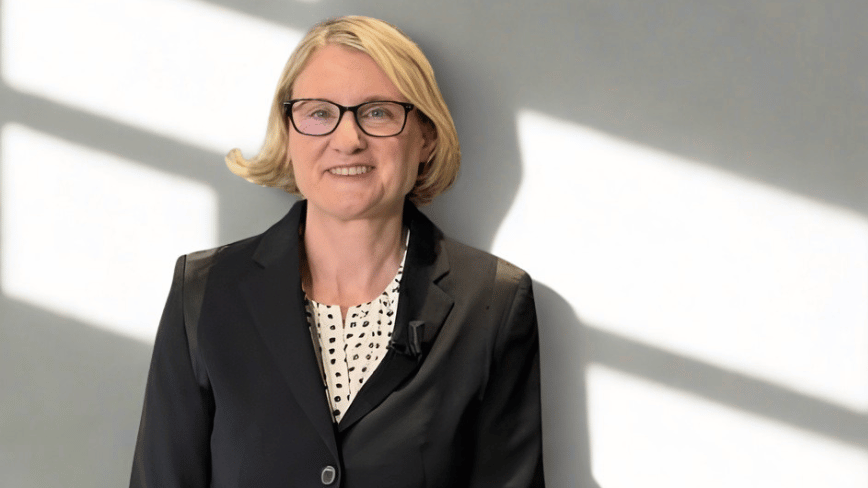

Oracle Names Hilary Maxson as CFO Amid $50 Billion AI Data Center Investment
Hilary Maxson joins Oracle as CFO starting April 2026, bringing experience from Schneider Electric. She will oversee finances during Oracle's ambitious $50 billion initiative to grow its AI data center capabilities.

Demis Hassabis on DeepMind's Revival Through Startup Spirit Post-Google Brain Merger
Demis Hassabis revealed how Google DeepMind revitalized its growth by merging Google Brain’s computing power with its own research culture and embracing a startup mindset, leading to faster innovation and enhanced agility.

Peter Bailis Transitions from Workday CTO to Technical Staff Role at Anthropic
Peter Bailis left his CTO position at Workday to take on a technical engineering role at Anthropic, focusing on reinforcement learning. This change moves him from executive leadership to direct technical involvement with cutting-edge AI work.
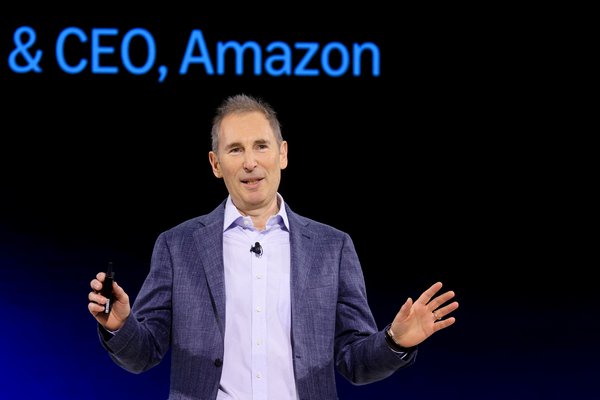

Amazon CEO Andy Jassy Backs Bold AI Investment Strategy
Amazon CEO Andy Jassy reaffirms the company's aggressive approach to AI investment, highlighting a planned $200 billion capital expenditure for 2026, underscoring confidence in their strategic direction rather than cautious spending.

Employees: The First Touchpoint of Your Brand
Effective leadership sets the tone for company culture, influencing employees' brand experience ahead of any external marketing efforts. This internal foundation impacts how the brand is ultimately perceived by customers.

Redefining Accountability in the Era of AI Innovation
As AI technologies become increasingly autonomous, traditional models of accountability fall short. The concept of narrative responsibility advocates for a collective, ongoing approach to understanding and sharing accountability. By mapping out full organizational stories, distributing ownership, and embedding reflection into daily routines, organizations can foster learning and resilience. This shift is essential for adapting to the complexity and speed of decision-making in AI-powered environments, offering a more meaningful path beyond simple blame.

The $1.7 Trillion Challenge: How Unaddressed Trauma Impacts Workplace Culture
Unprocessed trauma in the workplace is proving to be a $1.7 trillion challenge, with business leaders recognizing its critical impact on employee performance and company culture.


Why Applying Traditional Metrics Could Be Undermining Your AI Initiatives
Traditional business metrics like short-term ROI often fail to capture the true value of early-stage AI initiatives, leading to misjudged performance and stalled projects. Instead, organizations should adopt measurement approaches that emphasize learning, workflow integration, adoption, and capability building to drive meaningful AI transformation and competitive advantage.
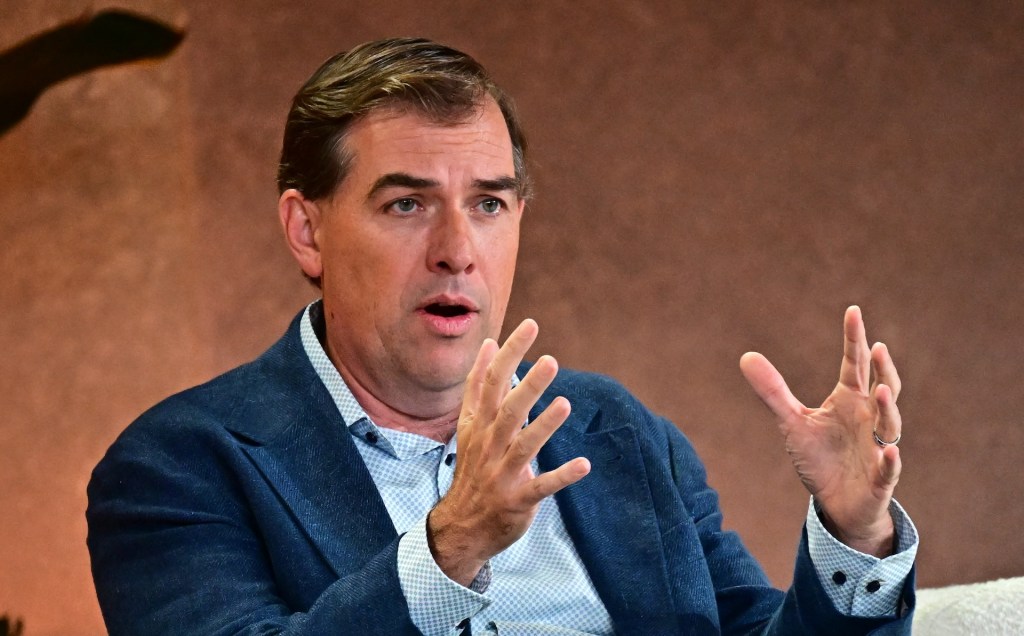

AWS Executive on Balancing Investments in Anthropic and OpenAI Amidst Competition
AWS embraces competition even with its partners, enabling the company to invest heavily in both Anthropic and OpenAI. This approach reflects the tech giant's culture of managing competitive relationships effectively within the cloud industry.


Microsoft's Developer Division Head Julia Liuson Steps Down After 34 Years
After a 34-year career at Microsoft, Julia Liuson, head of the Developer Division, is resigning her role, having overseen key initiatives like the GitHub acquisition and open source expansion. She will shift to an advisory position starting July.


How Leaders Can Foster Open AI Use Among Employees
Employees are quietly leveraging AI at work to boost their productivity, often without informing their leaders. This trend highlights the importance for leaders to promote transparency and cultivate a culture where AI tools are embraced openly to maximize benefits while managing risks.

3 Essential Leadership Practices to Empower and Inspire Your Team
Bestselling author Marcus Buckingham highlights critical leadership behaviors in his new book, demonstrating how these actions drive performance and inspire growth within teams and organizations.

The Power of Giving: How Supporting Others Leads to Business Success
Career growth often comes from helping others win rather than chasing deals aggressively. By prioritizing support and collaboration, you create stronger business opportunities and lasting success.

Why Great Leaders Embrace Early Failures and Learn from Them
Successful leaders understand that early failures are not the end, but essential steps in growth. They learn from these setbacks, using failure as a powerful teacher to improve and innovate continually.

Artemis II Astronauts Reveal Power of One Word in Exemplifying True Leadership
The Artemis II astronauts highlighted humility as the fundamental attribute of effective leadership, demonstrating that true leadership goes beyond grand gestures to embody modesty and sincerity.

David Ko Steps Down as Calm CEO After Expanding the Meditation App's Global Reach
David Ko has stepped down as CEO of Calm after scaling the meditation app to 180 million downloads worldwide. He discusses the enormous pressures of leadership, the complex mental health landscape, and the importance of vulnerability and quality sleep. Ko remains connected to Calm's mission as a senior adviser, focusing on broader global impact amid growing demands in wellness technology and mental health integration.
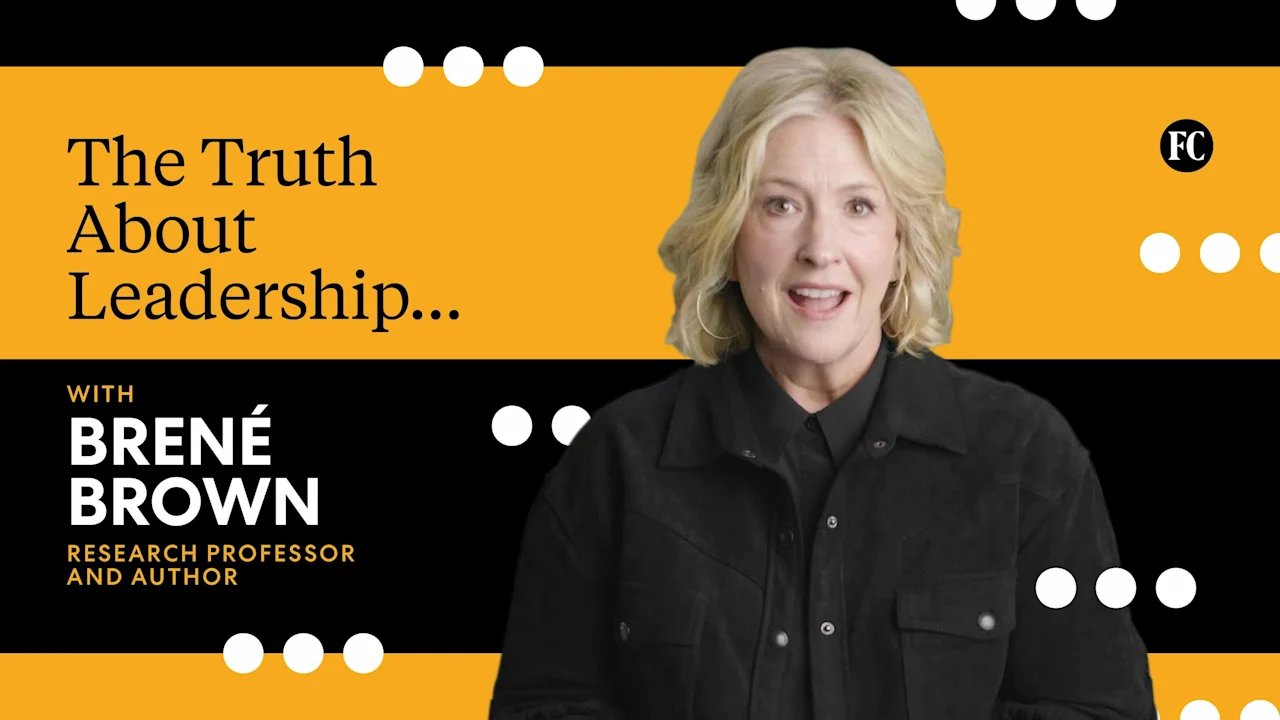
Leadership Insights Brené Brown Wishes She Had Embraced Sooner
Brené Brown reflects on essential leadership skills she wishes she had developed earlier in her career. These insights emphasize the value of learning from experience and adapting leadership approaches to meet evolving challenges, underscoring why these skills are increasingly vital.

Emma Grede on Embracing Imperfection in Effective Leadership
Emma Grede reveals that true leadership is not about knowing everything but about maintaining a commitment to excellence and avoiding the trap of trying to satisfy everyone. Her candid advice challenges conventional leadership norms and highlights a mindset vital for success.