


Essential AI Roleplay Scenarios for Optimizing Customer-Facing Team Performance
AI roleplay enables customer-facing teams to practice real-life scenarios anytime, receiving instant AI-driven feedback on skills like empathy, objection handling, and product knowledge. This dynamic training helps employees confidently handle diverse customer situations and continuously improve beyond traditional onboarding.


Remote Employee with Disabilities Wins Discrimination Case Over Mandatory Camera Use
Laura Tait, a remote worker with anxiety, ADHD, and autism, won a discrimination case after her employer insisted she keep her camera on during training sessions, despite her disabilities. The UK tribunal ruled this requirement as a failure to make reasonable adjustments and awarded her compensation.


What Do Employers Prioritize in 2026: AI Skills or People Skills?
Experts Murugan Anandarajan and Cuneyt Gozu analyze what traits will be most valued by employers in 2026, focusing on the balance between AI expertise and interpersonal skills when evaluating job applicants.


Will AI Elevate Female-Dominated ‘Relational’ Work — Or Leave Women Behind?
AI is transforming the labor market by boosting the value of relational work, predominantly done by women. While this could mean higher pay and prestige, history shows that when men enter these fields, they often reap the benefits, leaving women behind. The challenge is ensuring women who built these professions benefit fairly as AI elevates their work’s importance.


Why the AI Job Apocalypse May Still Be Overhyped
Despite concerns that AI will eradicate many entry-level jobs soon, current analyses indicate the feared job apocalypse isn't imminent. AI will transform labor markets, but widespread displacement and economic disruption are unlikely to occur rapidly. The key issue is managing AI's benefits alongside social and economic inequalities.


Patreon Announces Workforce Reduction Amid Market Adjustments
Patreon is reducing its workforce by 20% to adapt to changing market conditions and ensure financial stability, despite maintaining a strong core business, according to a memo from leadership.

Navigating the Challenges of AI as Our Most Accessible Work Companion
AI is becoming the go-to "colleague" for many, boosting efficiency but risking workplace loneliness and weakened social skills. This shift is especially evident with Gen Z and raises concerns about maintaining authentic human connections crucial for trust and collaboration. Leaders should prioritize meaningful interactions and mentorship to balance AI's benefits with the need for relational resilience, ensuring a healthy, connected workplace culture.

Monday.com Plans Major Workforce Reduction to Focus on AI Integration
Monday.com is cutting around 20 percent of its employees, totaling 620 jobs, to reshape its business around an AI-focused platform. The decision, revealed in an SEC filing, reflects the company's intent to streamline operations and prioritize artificial intelligence in its project management solutions.


A Fresh Approach to Improving Team Dynamics through Personality Insights
This article explores a novel method to enhance team dynamics by using the Big Five personality assessment to uncover psychological differences among team members. Testing with global executive teams revealed patterns such as like-mindedness, polarization, and outliers that can inhibit productivity. Visualizing "team DNA" helps teams recognize challenges and leverage diversity. Facilitated discussions create a safe space for sharing insights, boosting collaboration, reducing conflict, and accelerating cohesion. This approach encourages leaders and teams to embrace personality differences as valuable assets, improving decision-making and group effectiveness.
How AI is Motivating Tech Workers to Organize
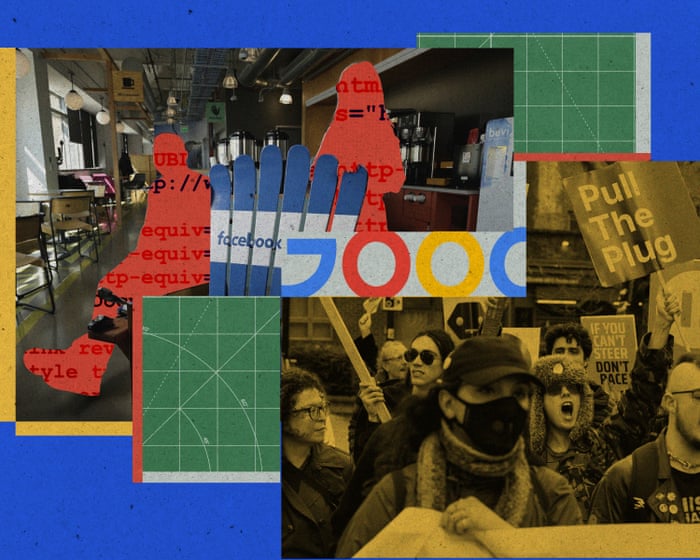
Tech workers are joining unions in response to AI-driven layoffs, job insecurity, and ethical concerns about AI use in their workplaces. Once protected by generous benefits and culture, they now seek collective bargaining to address these challenges.


Why More Efficient Hiring Processes Are Leaving Candidates Overlooked—and What Companies Can Do
The increasing efficiency in hiring processes is causing candidates to feel invisible, not because of automated resume rejections, but due to overlooked human factors in recruitment. Employers have full control to fix this growing problem by adopting more considerate hiring practices.


Revamping Entry-Level Roles for the AI-Driven Workplace
As AI transforms the workplace, companies face the critical challenge of reshaping entry-level positions. It is essential to cultivate inexperienced employees into trusted decision-makers to meet evolving business needs in an AI-driven era.

Gender Perceptions in Executive Leadership: A Divided View of the Workplace
Surveys over 60 years reveal persistent gender gaps in executive leadership perceptions. Women experience greater scrutiny, unequal promotion criteria, and tougher career climbs than men. Despite progress, underrepresentation and higher burnout remain significant challenges in senior corporate roles.

Google Employees Rally for Layoff Safeguards Amidst AI Expansion
Over 4,500 Google employees have petitioned CEO Sundar Pichai for layoff protections and buyout options amid ongoing workforce reductions in the tech industry, despite significant investments in AI and record company valuations. Union leader Parul Koul emphasized that these cuts prioritize profit over people.

Verizon to Cut 3,000 Retail Jobs, Shift Stores to Franchise Model Amid AI Integration
Verizon is cutting 3,000 jobs in its corporate retail stores and shifting 274 locations to franchises as AI transforms customer service operations. This restructuring will leave the company with 1,000 stores under direct ownership and 5,000 operated by independent franchises, marking a significant shift in its retail strategy.

How Tech Companies Are Nurturing R&D Talent Pipelines for 2026
Vimalraj Sampathkumar highlights the need for tech companies to adopt long-term strategies in recruiting and nurturing R&D talent, ensuring a robust talent pipeline for 2026 and beyond.

Walmart Invests in 10 High-Paying Jobs Resistant to AI Disruption
Walmart outlines a proactive approach to counter AI-driven workplace changes by focusing on 10 resilient job roles offering six-figure salaries. Their method emphasizes reducing employee turnover, enhancing loyalty, and developing leadership among future workforce, providing valuable insights for founders.

How Embracing AI in Hiring Transforms Talent Evaluation
Warp revolutionizes hiring by allowing candidates to use AI tools during interviews, revealing that sound judgment and problem-solving skills are more crucial than AI prompt mastery. This approach prioritizes real-world skills and deep understanding over execution speed, reflecting how AI transforms talent evaluation in the modern workplace.


Former Meta Workers Sue Over Alleged AI Bias in Layoff Decisions
Twenty-six ex-Meta employees are suing the company, alleging AI tools biased layoff decisions against those on parental or medical leave. The lawsuit claims the AI systems failed to exclude protected leaves from performance rankings, causing disproportionate layoffs. This case raises important questions about fairness and ethics in AI-based personnel decisions.

Thomson Reuters Streamlines Workforce by 500 Amid Expanding AI Integration
Thomson Reuters is reducing its workforce by 500 jobs as it intensifies the integration of AI technologies. The company emphasizes reallocating capacity to better serve its customers, reflecting a strategic shift towards AI-driven solutions.