


As AI-Driven Messaging Grows, Genuine Human Connections Gain Importance
With AI enabling faster and larger-scale communication, organizations building trust prioritize quality human interaction over message volume. AI streamlines announcements and updates, but genuine connections remain essential for effective communication.

The Growing Challenge of Trust and Verification in Modern Recruitment
The recruitment landscape has shifted from trust to skepticism. With widespread use of AI by both candidates and hiring managers, verifying authenticity has become critical, posing a complex challenge for recruiters who now must balance efficiency with trustworthiness in their hiring decisions.


Visa Reduces Workforce by 7% Amid Strategic Shift Toward AI
Visa has announced a layoff affecting 7% of its workforce as it shifts focus towards artificial intelligence integration. This strategic move aims to enhance its technological capabilities in the competitive payments sector, reflecting broader industry trends toward automation and innovation.


Why Clarity in Direction Matters More Than Certainty for Your Team
Teams thrive not by having certainty about outcomes but by receiving clear direction on what steps to take in the present. Providing this clarity empowers your people to navigate uncertainty confidently.

The Crucial Role of Onboarding in Employee Commitment
Employee commitment often begins during the first weeks of onboarding, making this process essential for fostering organizational loyalty and long-term engagement.


DOJ Takes Charge of OpenAI's Green-Card Sponsorship Practices
The DOJ has stepped in to oversee OpenAI's green-card sponsorships, citing concerns that the company did not sufficiently attempt to hire U.S. citizens prior to sponsoring visa holders for permanent residency.

Mark Cuban Forecasts AI Revolutionizing Employee Onboarding in Corporations
Mark Cuban envisions AI revolutionizing the corporate world by taking over vital components of new employee onboarding, streamlining the experience and changing how businesses integrate talent.


Over Half of Leaders Regret AI-Driven Layoffs as Big Companies Reverse Course on Hiring
Many companies are reversing AI-related layoffs, with giants like Ford and IBM rehiring former employees due to flawed technology rollouts and the irreplaceable value of human talent. This marks a significant shift in corporate hiring strategies as leaders acknowledge past mistakes.

Rethinking Hiring: Embrace Culture Add, Not Just Culture Fit
This article challenges the traditional hiring practice of prioritizing culture fit and advocates for seeking candidates who add new dimensions to the company culture, thereby strengthening the team with diverse perspectives and experiences.

How to Handle Employee AI-Driven Salary Expectations in Pay Negotiations
Employees are now using AI-generated salary data during pay discussions. Leaders need to recognize that compensation involves more than just data and respond thoughtfully to preserve trust, company culture, and employee retention.

Effective Ways to Motivate Employees Without Increasing Salaries
Motivating employees doesn't always require increasing their pay. This article explores practical and affordable strategies to engage and inspire your team, helping build a motivated workforce without adding to payroll expenses.

How Brands Are Leveraging Employees as Key Sales Drivers
Brands are increasingly using their own employees and micro-creators as ambassadors to boost sales, a strategy that is proving more effective than relying on traditional large-scale influencers. This shift marks a new approach in marketing investments.


Is AI Eliminating Jobs? Some Employers Are Actually Expanding Their Workforce
Despite fears sparked by layoffs at major companies like Visa, recent research shows many firms are hiring more due to AI, which is changing job roles and accelerating recruitment rather than causing widespread job losses. Entry-level jobs face the most risk as AI takes over routine tasks, while workers must adapt to new skills. Employers are preparing to retrain staff, highlighting a shift in job nature rather than elimination. Perceptions of AI's impact also differ between men and women.

Flexibility and Remote Work Influence Women’s Job Application Decisions More Than Men’s
Women value remote work and flexible schedules more than men when applying for jobs, prioritizing work-life balance and meaningful engagement. Though salary is important to both, flexibility strongly influences women’s job decisions and retention. This highlights the need for adaptable workplace policies to support female employees and boost overall productivity and growth.

Job Hunters Using Hidden AI Prompts in Applications to Outsmart Automated Screening
Job seekers are embedding hidden AI prompt commands in their résumés to manipulate automated screening tools. This emerging tactic aims to give candidates an edge in highly competitive job markets where employers increasingly use AI to filter applications. Experts highlight the ethical debates and the evolving challenges of hiring amid AI integration.

Forward-Deployed Engineers: The Critical Talent Driving AI Success
With just 2,000 skilled engineers in the U.S., companies are aggressively hiring forward-deployed engineers to scale AI implementations and achieve significant ROI, highlighting a critical talent gap in the AI sector.
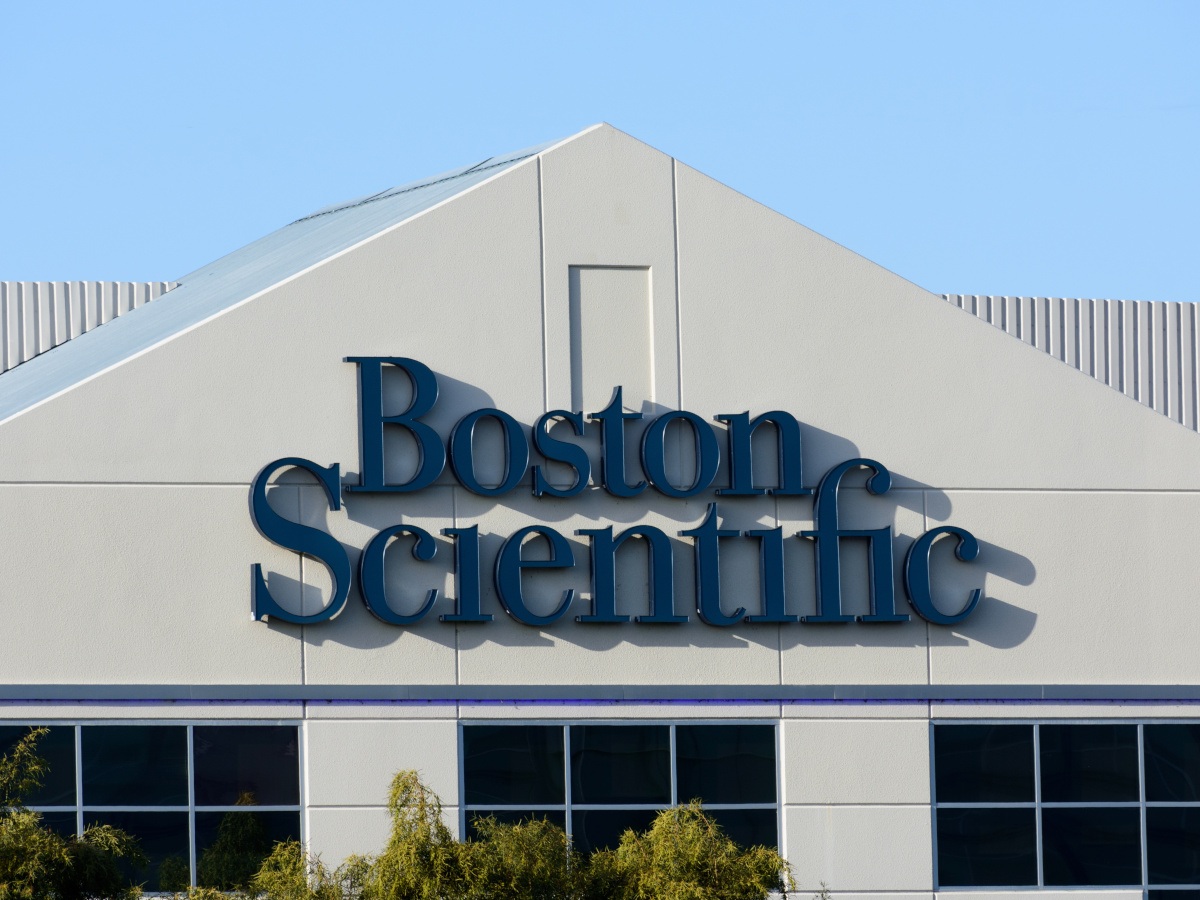
Boston Scientific Announces Job Reductions in Ireland Despite Recent Galway Expansion
Boston Scientific is set to cut jobs in Ireland following a significant $75 million expansion in Galway, reflecting its strategy to manage growth alongside workforce changes.

Unveiling Gen Z's Leadership Aspirations Contrary to Popular Belief
Contrary to common assumptions, Gen Z shows a strong desire to lead, though they may not express it through typical channels like seeking promotions. The data reveals a different perspective on their leadership ambitions.


Fostering a Healthy Work Culture to Support Trauma Survivors
Childhood trauma, or adverse childhood experiences (ACEs), affects many employees’ well-being and workplace behavior. However, healthy work cultures characterized by respect, stability, autonomy, and supportive leadership can promote brain adaptability and recovery through neuroplasticity. Such environments help trauma survivors reduce anxiety, build self-worth, and regain agency, improving resilience and performance over time.

How AI Is Changing the Landscape of Executive Recruitment
AI is prompting businesses to change their approach to executive hiring by prioritizing a candidate's future abilities over previous accomplishments. This shift highlights the growing influence of AI in shaping talent acquisition strategies to better align with evolving business needs.