


AI at Work: Productivity Gains Shadowed by Rising "Workslop" Challenges
While AI tools promise enhanced productivity, many employees find themselves overwhelmed by "workslop"—AI-generated work that appears polished but demands extensive revision due to errors and inaccuracies. This can lead to frustration and reduced job satisfaction, highlighting a complex downside of AI in the workplace.


IBM Settles with DOJ, Paying $17M Over DEI Practice Allegations
IBM has reached a $17 million settlement with the U.S. Department of Justice over allegations that its diversity, equity, and inclusion programs breached legal guidelines. This agreement resolves the DOJ's claims and closes the case against IBM regarding its DEI practices.


Why Gen Z’s Doubts About AI Could Impact the Future of Work
Gen Z, known for their tech-savviness, is growing wary of AI's role in the workplace, raising critical concerns about job anxiety and burnout. This skepticism could have significant implications for employers as they navigate the integration of AI technologies.

How AI is Changing Workplace Culture and Growing a Gender Divide
AI is not only transforming productivity and job landscapes in businesses but is also contributing to emerging gender disparities, altering workplace culture in significant ways. This transformation highlights critical challenges and opportunities for businesses to create more inclusive environments.

The True Workplace AI Challenge: Skill Development Over Job Displacement
Emerging data and expert perspectives reveal that the primary risk of AI in the workplace is not job loss but the inability of companies to quickly develop employee skills, which is crucial for staying competitive in a fast-changing market.


Dispelling Common Misconceptions About AI in Recruitment
AI in recruitment is often misunderstood. Contrary to popular myths, AI can reduce bias, improve candidate experience, and focus on skills over appearances. The adoption of AI in hiring should be driven by talent leaders, not just technical teams, to enhance fairness and accuracy. Embracing AI tools is essential to modernizing hiring processes and avoiding outdated limitations.
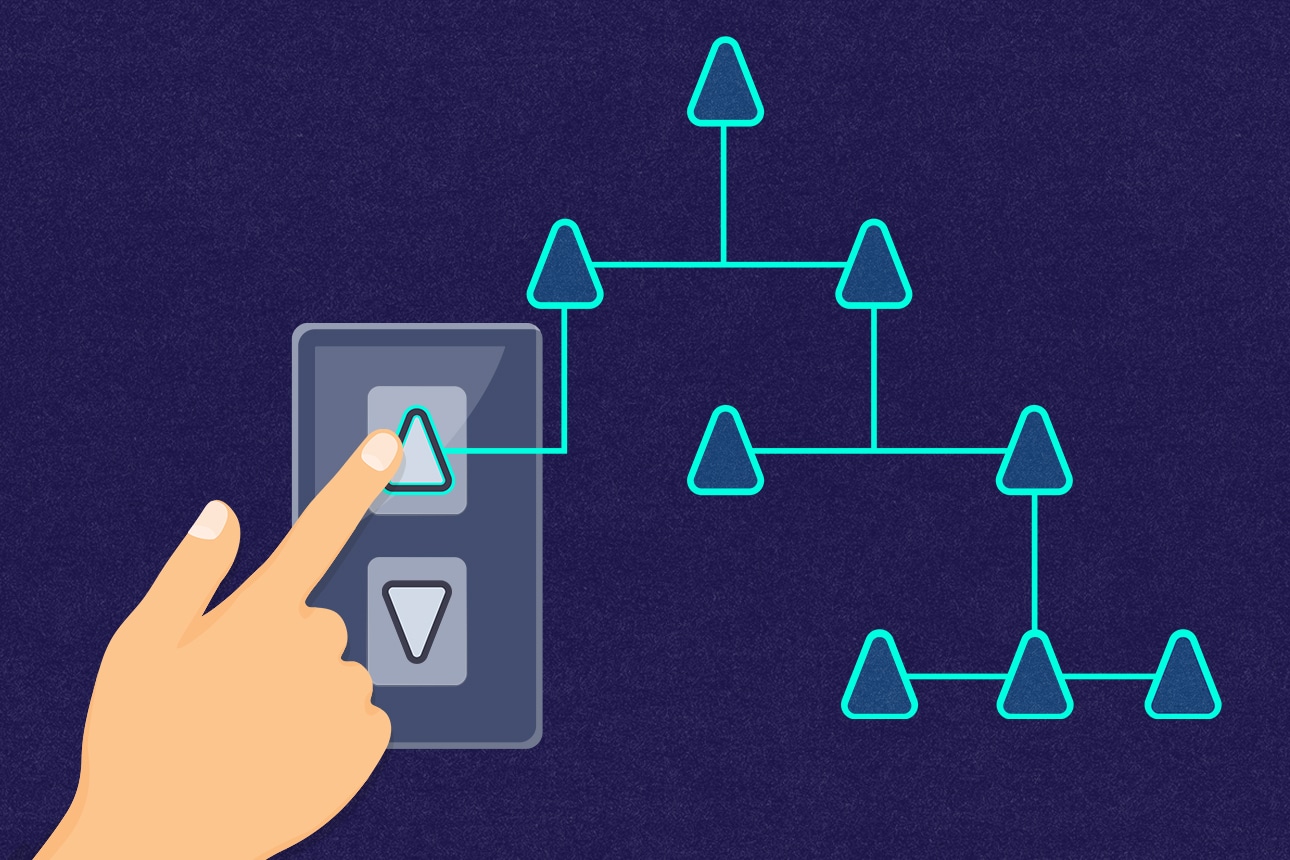

Mastering the Art of Managing Up for Career and Organizational Success
Mastering upward leadership is essential for career growth and organizational success, especially as AI reshapes management layers. Effective managing up involves balancing the roles of buffer, translator, and advocate. By actively listening, respectfully communicating, and strategically influencing superiors, leaders create trust and alignment. Continuous self-assessment and relationship-building foster candid dialogue, enabling professionals to navigate challenges and opportunities with confidence.
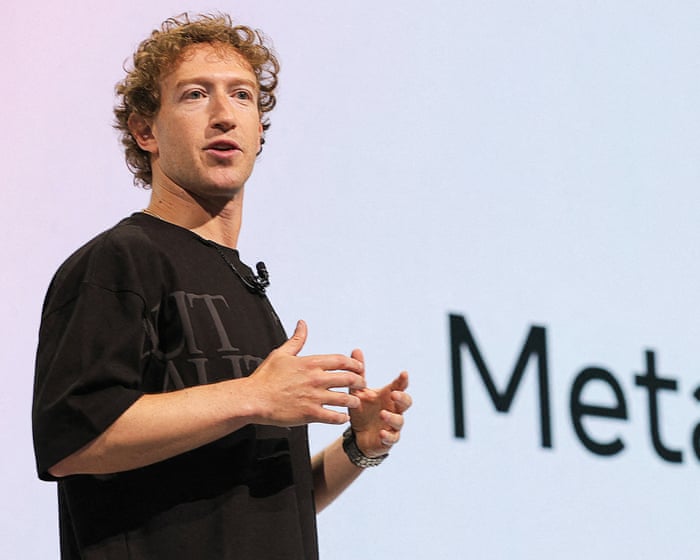
Meta Develops AI Replica of Mark Zuckerberg for Employee Interaction
Meta is creating an AI clone of CEO Mark Zuckerberg to assist its employees in getting immediate responses and staying connected with leadership. This digital replica mimics his tone, thoughts, and strategic approach to facilitate communication across the company.


How One CEO Selects Just 4% of 75,000 Job Applicants with a Distinctive Test
This CEO's company receives an overwhelming 75,000 applications for only 3,000 positions. To narrow down the pool, the firm employs a distinctive hiring test, resulting in the selection of just 4% of applicants. This approach reflects a rigorous and innovative recruitment process aimed at identifying the best talent.

How Managers Can Overcome Burnout with These 5 Daily Practices
Managerial burnout can drain team energy and productivity, but it can be prevented. This article outlines five essential daily habits that managers can incorporate to stay resilient, lead effectively, and support their teams.

How Costco’s Commitment to Employees Drives Its Success, Not Just Its $1.50 Hot Dog
Costco’s success is often attributed to its low prices, but the company’s true strength lies in its outstanding employee treatment. By prioritizing workforce well-being and maintaining high standards for staff care, Costco fosters a positive culture that drives its growth and customer satisfaction.

Rethinking Sustainability: Addressing the Human Element for Real Impact
Sustainability efforts often fail due to human factors rather than flaws in strategy alone. Success depends on engaging people and fostering a culture that supports sustainable practices, highlighting the importance of the human element in driving impactful change.

The Hidden Career Barriers Faced by Women with Autoimmune Diseases
Many women with autoimmune diseases face an unseen 'career ceiling' that limits their opportunities due to the invisible nature of their symptoms and the need to manage their health quietly. A survey found 70% of women with these conditions feel their career potential is restricted, often choosing stability and health insurance over advancement. Employers can support by fostering flexible work options and safe disclosure environments, ultimately benefiting both employees and organizations.

Employees: The First Touchpoint of Your Brand
Effective leadership sets the tone for company culture, influencing employees' brand experience ahead of any external marketing efforts. This internal foundation impacts how the brand is ultimately perceived by customers.


Report Highlights the Risks of Unequal Investment in AI Training Within Workforces
Forrester's research underscores the importance of inclusive, ongoing AI education within companies. Failure to invest evenly in AI skills across the workforce risks creating a skills gap that can negatively affect organizational growth and resilience.

Deloitte Reveals Rising Impact of Extreme Weather on Workforce
Deloitte highlights that extreme weather events are increasingly affecting employee health, transportation, and productivity, signaling significant operational challenges for businesses linked to climate change.

The $1.7 Trillion Challenge: How Unaddressed Trauma Impacts Workplace Culture
Unprocessed trauma in the workplace is proving to be a $1.7 trillion challenge, with business leaders recognizing its critical impact on employee performance and company culture.

How Leaders Can Foster Open AI Use Among Employees
Employees are quietly leveraging AI at work to boost their productivity, often without informing their leaders. This trend highlights the importance for leaders to promote transparency and cultivate a culture where AI tools are embraced openly to maximize benefits while managing risks.

The Hidden Mental Drain of AI in the Workplace—and How to Combat It
AI tools speed up work but increase mental exhaustion due to constant decision-making and multitasking. Overuse of multiple tools can cause productivity to drop as managing AI becomes a task itself, leading to fatigue and longer workdays. Experts suggest optimizing AI use through smarter workflows, managerial support, clear AI usage rules, cognitive load tracking, and transparent communication to prevent burnout and improve work quality.

Gen Z Embraces a Growing Field with $75K Starting Salaries and Strong Job Security
Gen Z is increasingly drawn to a revitalized field that combines attractive starting salaries with high job placement rates, signaling promising career stability and demand.