


Meta Announces Major Workforce Reduction of 8,000 Employees to Boost AI Investments
Meta plans to reduce its workforce by 8,000 employees starting 20 May, part of a broader reduction effort since 2022 totaling 25,000 layoffs. This move accompanies a strategic pivot to invest billions in AI infrastructure, highlighting Meta's commitment to advancing artificial intelligence capabilities. Additional cuts are expected in late 2026.


When Constant Communication Disrupts Team Productivity
Continuous interruptions from constant communication can hinder your team's productivity, making it difficult for them to concentrate on their work despite appearing distracted.

Uncovering Hidden Leadership Talent: Early Indicators to Watch For
Emerging research sheds light on subtle, early indicators of leadership potential, suggesting that the best leaders may be those who are often overlooked. Recognizing these signs can help organizations identify and nurture future leaders more effectively.

Jack Dorsey on Block’s Strategic Shift Towards AI and Workforce Optimization
Jack Dorsey discusses Block's strategic embrace of AI and the challenging 3-week decision that resulted in 4,000 layoffs, emphasizing timeless lessons that shape the company's pursuit of excellence.


Significant Discrepancy Found Between Leadership Qualities and Employee Expectations, Reports Hogan Assessments
A recent study by Hogan Assessments reveals a notable disconnect between the traits of current leaders and the expectations of employees. The report underscores the importance of leaders adapting their approach to better meet workforce needs and foster alignment in organizational goals.

Goldman Sachs Highlights Long-Term Impact of AI-Induced Job Loss on Earnings
Goldman Sachs research reveals that job losses caused by AI can negatively affect workers' earnings for up to a decade, with slower wage growth and longer recovery periods compared to other types of layoffs.

What Employees Must Truly Learn Amid Rapid AI Tool Evolution
Businesses risk lagging behind if they only chase after the latest AI tools. The real edge goes to companies investing in skill development for their employees to effectively leverage technology.

Addressing Burnout Among Middle Managers: Practical Solutions
Middle managers often bear the brunt of organizational pressures, leading to burnout that isn't due to personal failings but systemic issues within the workplace. Addressing these causes can improve their well-being and effectiveness.
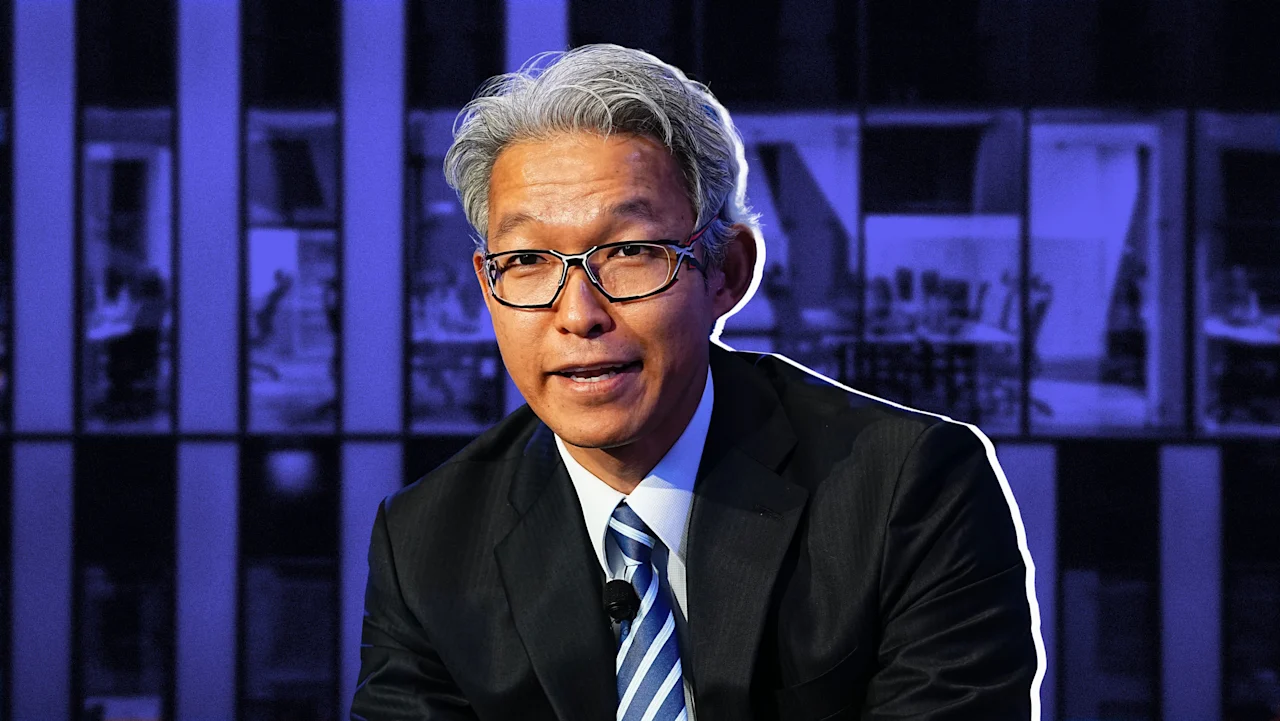

Indeed CEO Highlights Aging Workforce, Not AI, as Biggest Threat to Labor Market
Indeed CEO Hisayuki Idekoba warns that the aging workforce, not AI, is the biggest immediate threat to the labor market, with a projected decline of 20 million workers in the next 15 years due mainly to retirements. Tight immigration policies and insufficient pipelines in trades exacerbate labor shortages. While AI may aid some industries, many critical jobs cannot be easily automated, making demographic shifts the key challenge ahead.
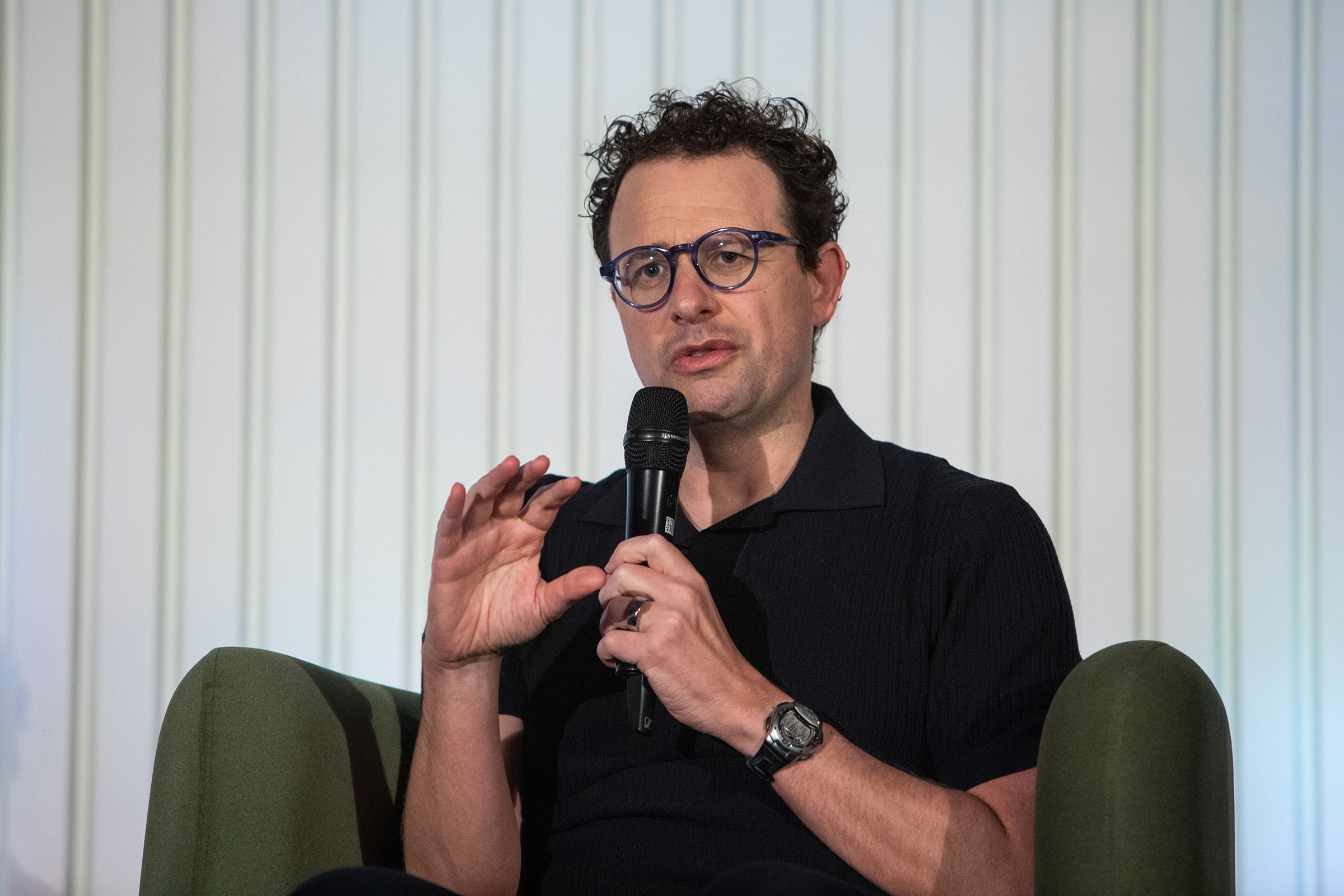

Anthropic Plans Significant Expansion in London Amid US Government Tensions
Anthropic is set to expand its London office space significantly, planning to increase its local headcount from 200 to 800 amid rising tensions with the US government. The new office underscores the company's strategy to deepen its UK footprint.
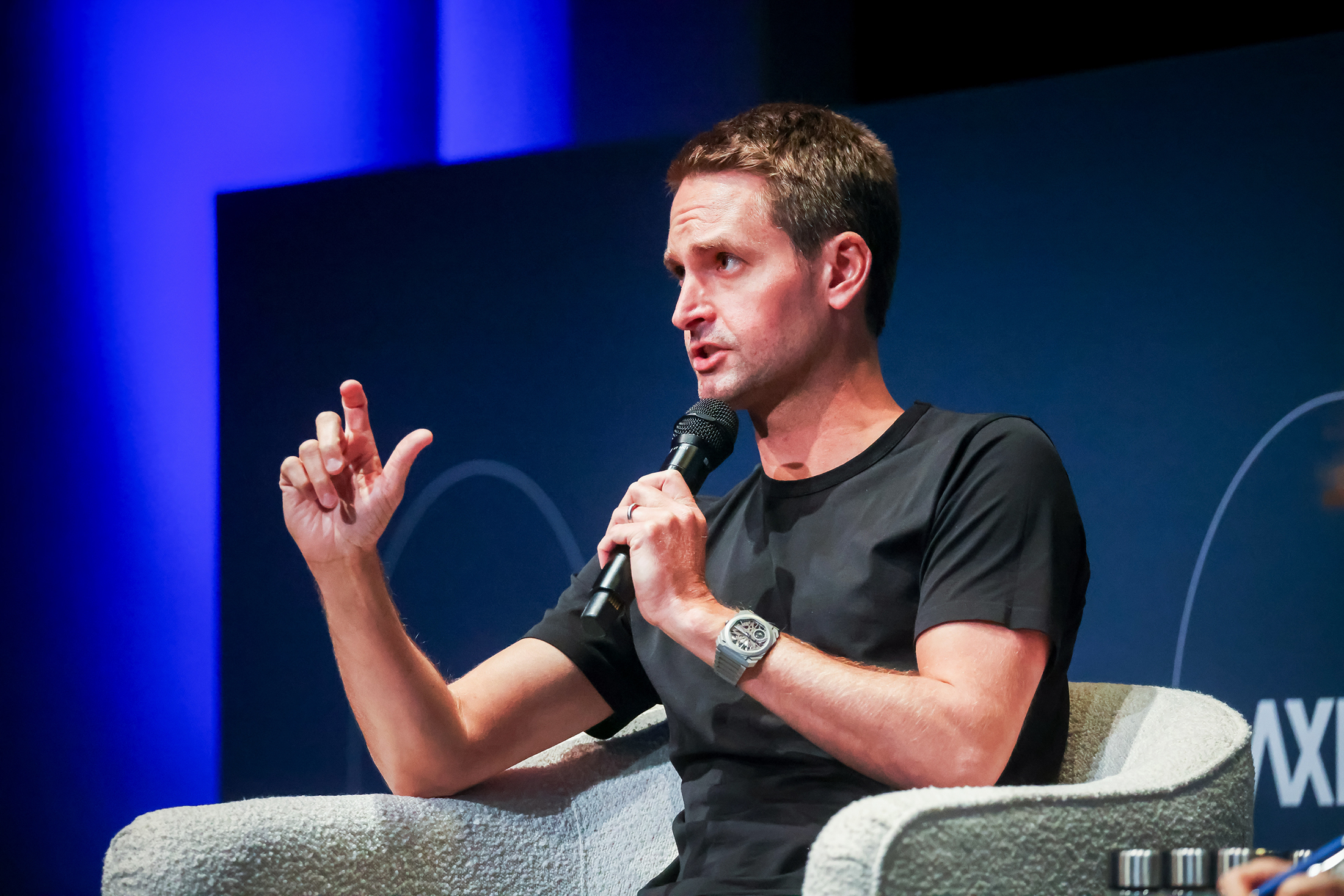

Snap to Cut 1,000 Jobs Following Activist Investor’s Call for Leaner Workforce
Snap plans to eliminate about 1,000 positions, cutting 16% of its staff after activist investor Irenic Capital highlighted excessive hiring. The company aims to enhance efficiency through this significant workforce reduction.
The Surprising Truth About Hard Skills in Google's Leadership Study
Google's decade-long research into effective management reveals surprising findings about the role of hard skills in leadership, emphasizing the habits that distinguish great managers.

Eldercare: The Unseen Leadership Challenge Affecting Today's Workforce
Eldercare is a hidden leadership challenge impacting millions of employees who juggle family caregiving alongside professional roles. Drawing on insights from Shari Hofer, a caregiver and leader, this article highlights the need for organizations to recognize caregiving as a vital leadership and workforce issue. It calls for normalizing open conversations about capacity, redefining performance with empathy, and aligning workplace culture with genuine support, warning that ignoring caregiving responsibilities risks burnout and talent loss while embracing it can create stronger, more resilient organizations.


Media Agencies Vie for SEO Experts Amid Rising Demand for AI-Driven Search Skills
Media agencies are competing to hire top SEO professionals with specialized skills in AI-driven zero-click search, driven by the growing importance of AI in organic search strategies across the industry.

Hiring Decline Linked to Economic Factors, Not AI, LinkedIn Reports
LinkedIn data highlights a 20% decline in hiring since 2022, with economic factors like increasing interest rates identified as the primary cause, rather than AI technologies. This insight challenges common assumptions about AI's role in the current job market slowdown.
Balancing Data and AI Talent Demands with Employee Desire for Job Security
Organizations are planning to grow their data and AI teams, but many employees prefer to stay with their current employers for stability in 2026. This highlights a potential tension between evolving talent needs and workforce preferences.

Duolingo Revises AI Use Metrics After Employee Concerns
Duolingo has stopped using AI usage as a metric in employee evaluations after workers raised concerns, focusing instead on overall job performance. Though AI has helped increase productivity and expand course offerings, limitations remain in areas like content creation and coding. The company maintains a commitment to its workforce despite AI advancements, reflecting a balanced approach to technology integration.
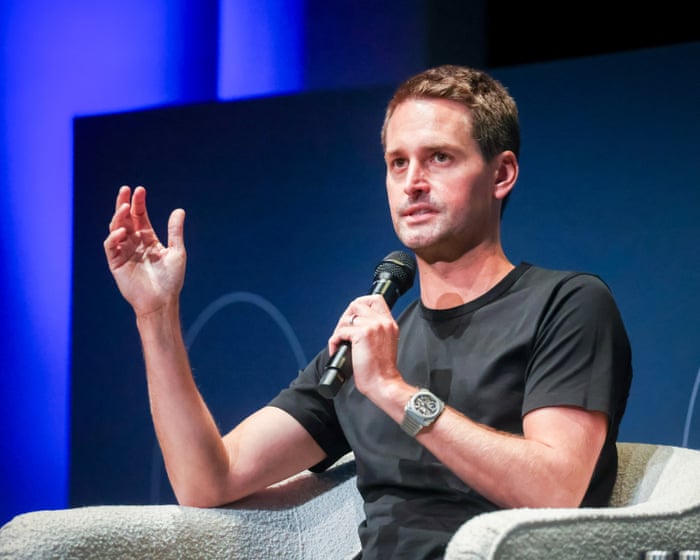

Snap Inc to Cut 1,000 Jobs Citing AI Advancements Amid Investor Pressure
Snap Inc is laying off 16% of its employees, around 1,000 workers, following pressure from an activist investor and a drop in stock price. CEO Evan Spiegel cited rapid AI advancements as a factor, suggesting AI could replace some human roles and help the company return to profitability. This mirrors a wider industry trend of tech layoffs linked to AI.

Duolingo CEO Revises Performance Review Criteria Following Employee Feedback
Duolingo's CEO, Luis von Ahn, has revised the company’s performance review system after receiving critical feedback from staff, aiming to make assessments more equitable and transparent.

Almost One in Three Employees Admit to Undermining Their Company’s AI Initiatives
A recent survey shows 29% of workers in the U.S., U.K., and Europe admit to sabotaging their company's AI efforts, driven by fears of job loss and dissatisfaction with AI tools. Gen Z exhibits higher resistance at 44%, reflecting their unique employment challenges. The study highlights a disconnect between employee fears and executive plans regarding AI literacy and workforce changes.