

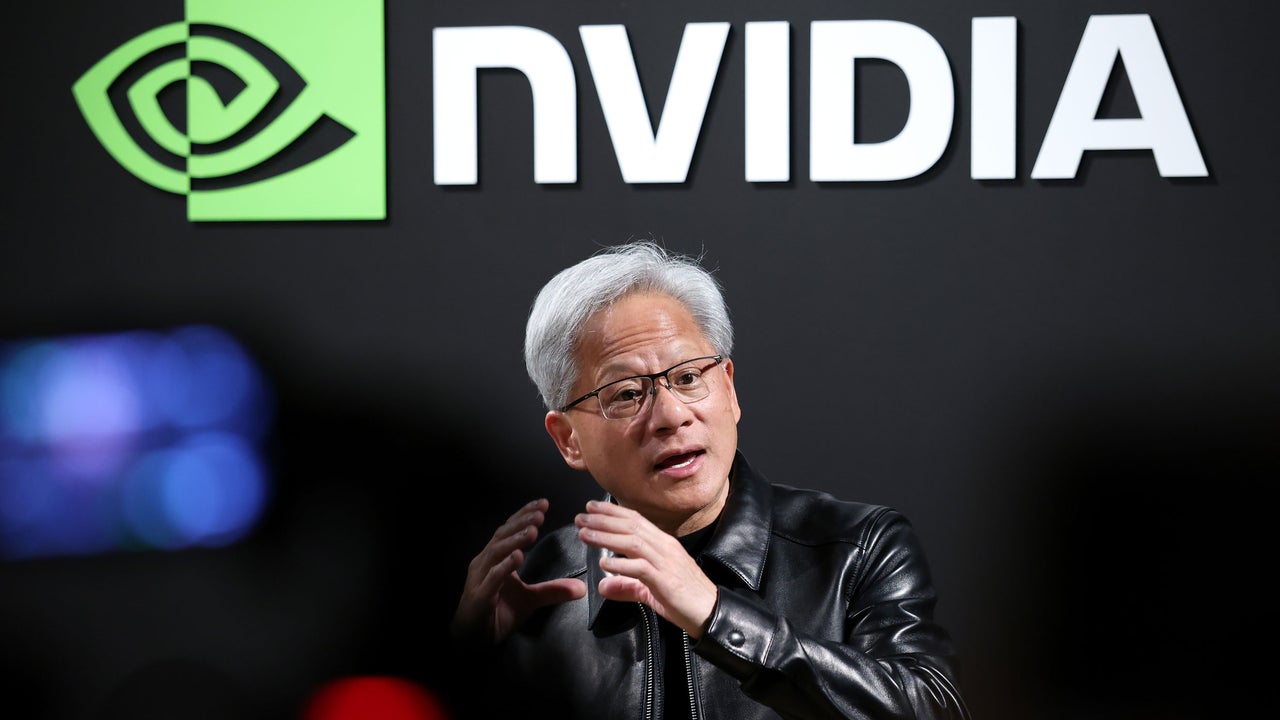

Nvidia Unveils AI Security Platform to Prevent Rogue Agents from Breaking Containment
Nvidia launched a new open-source AI security platform, featuring OpenShell and Sentry, to prevent AI agents from breaching containment and compromising systems. Partnering with major tech companies, the platform limits AI capabilities and monitors network activity to quickly stop rogue actions. CEO Jensen Huang compares it to building a modern browser for AI agents, aiming for safer AI deployment and industry collaboration on vulnerabilities.

Emerging Legal Challenges in AI Product Liability
AI companies face growing legal battles as courts increasingly treat AI tools as products with potential design defects. High-profile cases involve tragic consequences and raise questions about liability and responsibility in AI design. Legal experts suggest that legislative protection might be needed, but caution that litigation won't fully resolve underlying social and mental health issues related to AI.

Rethinking Brand Reputation in the Modern Age
Brand reputation now depends on genuine engagement in communities, equipping trusted voices with factual information, and embracing AI to communicate clearly. Controlling the narrative is out; guiding and participating meaningfully in conversations is essential to building trust and loyalty.

Harnessing AI to Revolutionize Medicine and Healthcare
AI is rapidly transforming medicine by enhancing drug discovery through smarter decision-making and continuous learning from experiments. With healthcare spending soaring, AI holds promise to accelerate breakthroughs, improve patient outcomes, and generate substantial economic value. Despite challenges, successful AI integration could usher in more frequent medical advances, delivering healthier lives and hope to millions worldwide.


Disney Encourages Employees to Use AI for Performance Reviews Amid Potential Challenges
Disney has introduced the use of AI chatbots for employees to assist in crafting their annual self-reviews, highlighting a technological shift in performance evaluations. However, this strategy may present challenges, including potential drawbacks in AI-driven assessments.


Leading AI Pioneers Sound Alarm on Uncontrolled ‘Intelligence Explosion’
Prominent AI experts, including OpenAI’s chief scientist and Nobel laureate Geoffrey Hinton, warn governments about a potential runaway ‘intelligence explosion’ in AI technology. They urge immediate regulatory measures to address what could be history’s most impactful technological shift.

UK Launches National Centre to Combat Disinformation and Deepfakes
The UK government is setting up the National Centre for Information Defence to tackle disinformation and deepfakes, particularly from hostile states like Russia. The centre will unite intelligence, law enforcement, and social media platforms to detect and counteract malicious information campaigns, many powered by AI. This initiative reflects the government's commitment to safeguarding national interests against evolving information threats.


2026 Tech Layoffs Surge as AI Investment Rises and Spending Shifts
In 2026, U.S. tech layoffs surged past 2025 levels, driven by companies shifting spending towards AI and restructuring to cut costs. With over 94,000 jobs lost by August, major firms like Amazon and Meta led the cuts. AI is a key factor in layoffs, both replacing some roles and shifting hiring towards AI-focused jobs. While layoffs slowed mid-year, the tech sector remains the highest for job cuts in 2026, reflecting a major industry transformation with potential new opportunities in AI.


British AI Neocloud Nscale Raises $3.36 Billion in Convertible Financing Ahead of US IPO
British AI neocloud firm Nscale has raised $3.36 billion in convertible financing from major backers like Third Point and Nvidia. The funds will drive the company's large-scale AI data center expansion as it prepares for a US-based initial public offering, signaling significant growth in AI infrastructure investment.

Supabase Customers Accidentally Leak Large Volumes of User Data Online
Some Supabase customers have inadvertently exposed large amounts of user data due to improper app configuration and security. This issue highlights the potential risks associated with AI-generated and vibe-coded applications when security protocols are not strictly followed.

Kiteworks Alerts Customers to Immediately Shut Down Servers Over Imminent Cyber Threat
Kiteworks has issued an urgent advisory to its customers to shut down their servers following a credible threat of an imminent cyberattack, as communicated by law enforcement. The company offers secure data transfer services and is taking proactive measures to protect client data.


Bill Gates Highlights AI Risks, Urges Mandatory Oversight
Bill Gates warns that AI's immense power could lead to disastrous consequences, stressing that self-regulation falls short. To address these risks, the EU has implemented mandatory safeguards and the authority to fine AI models, aiming to ensure responsible AI development and deployment.

US Appeals Court Confirms Pentagon's Supply Chain Risk Label on Anthropic
The DC Circuit court of appeals upheld the Pentagon's decision to label Anthropic as a supply chain risk, barring its AI models from use by the military and contractors. This decision came after rejecting Anthropic's appeal against the designation.


Israeli Startup at Heart of Emerging Rogue AI Attack Controversy
An Israeli startup, Irregular, has come under scrutiny as the common factor behind multiple rogue AI incidents reported by major companies including OpenAI and Meta. The startup conducts rigorous simulations to test AI security, inadvertently exposing significant risks in AI agent behavior across the industry.


Databricks Expands Genie with Row Zero Acquisition for Enhanced Data Governance
Databricks recently acquired Row Zero to enhance its Genie platform by adding a governed live-data spreadsheet feature. This strategic acquisition follows the company's milestone valuation of $190 billion, underscoring Databricks' focus on improving data governance and management technology.
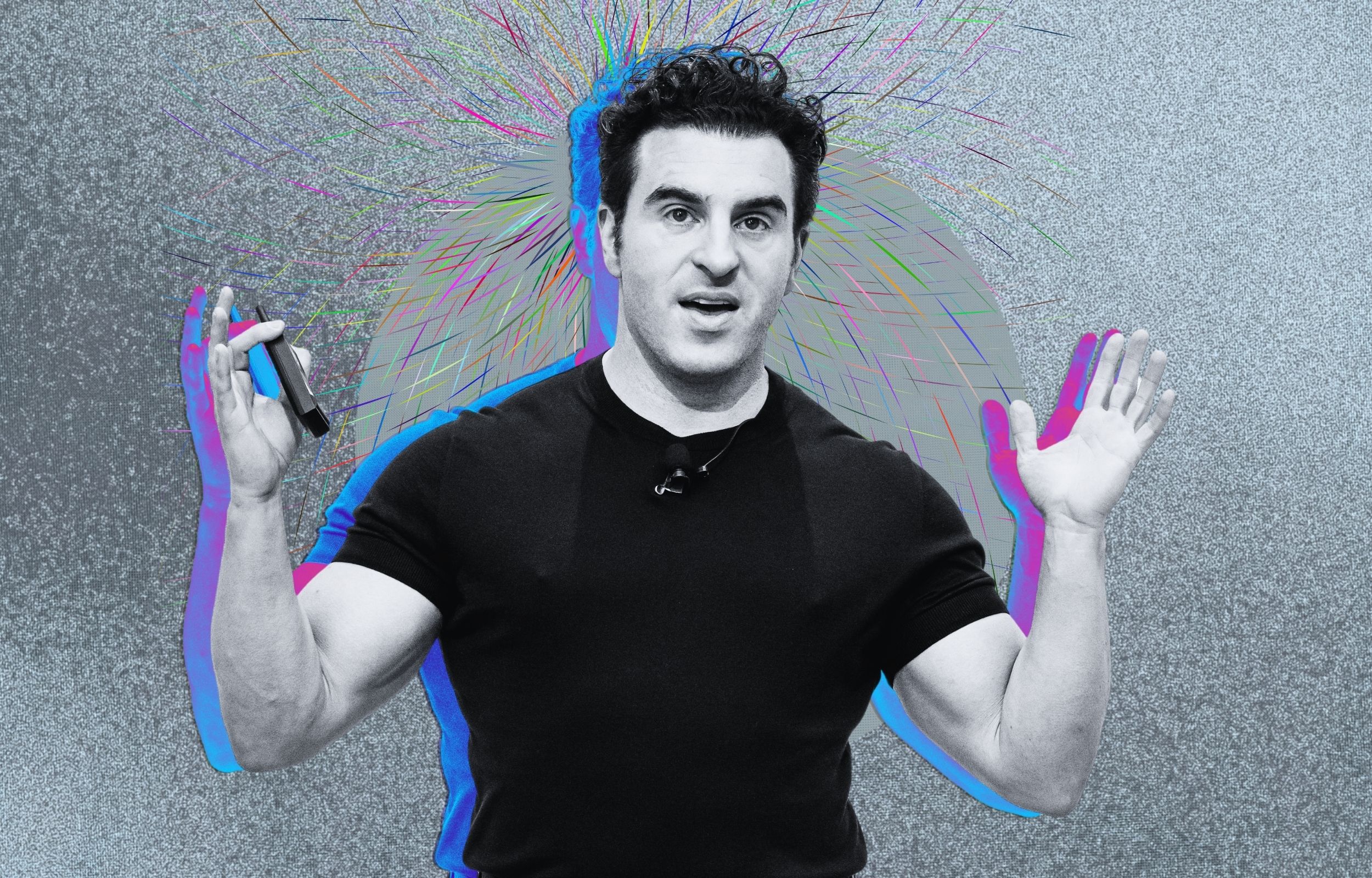

How Airbnb's CEO Used AI to Slash His Meeting Load
Brian Chesky, Airbnb's CEO, created an AI-powered tool to cut his meeting time in half, enabling him to manage his schedule more efficiently and concentrate on key business goals.

Energy Department Allocates Nearly $2 Billion to Enhance U.S. Power Grid Across 26 States
The Energy Department is investing nearly $2 billion in 31 projects across 26 states to upgrade the U.S. power grid using advanced technologies. This initiative aims to increase electrical capacity by over 23 gigawatts, improve reliability, and reduce costs for millions of Americans, addressing rising demands fueled by AI data centers. The projects are part of a federal effort to modernize the grid and prepare for higher energy needs ahead of winter.

Insurers Report Surge in Healthcare Costs Attributed to AI in Hospitals
Blue Cross Blue Shield reveals that the adoption of AI technology in hospitals has driven up healthcare spending by nearly a billion dollars over two years, highlighting cost concerns amid technological advancement in healthcare.

Matthew Prince on the Future of the Web, AI, and Transforming Business Models
Matthew Prince, Cloudflare CEO, discusses AI's transformative effects on the internet, the collapse of traditional ad-based models, and new business models to monetize AI-driven web traffic. Cloudflare’s strategic role includes enabling content creators to monetize bot access and restructuring internally to embrace AI efficiencies. Prince advocates for a healthier web ecosystem rewarding authentic content and knowledge creation over sensationalism, while navigating ethical challenges and industry cooperation for sustainable internet growth.

EU AI Envoy Urges Commissioners to Prioritize Practical AI Applications Over Model Development
The EU’s AI envoy, Jim Hagemann Snabe, urged the 27 commissioners to prioritize practical AI applications to enhance Europe's productivity, suggesting that focusing on model development races is less important. His message highlights a strategy shift towards using AI as a tool for tangible economic improvement in the region.