



Palantir’s US commercial revenue overtakes government business at $984m
Palantir’s US commercial revenue rose 148% to $984m, surpassing US government sales for the first time. The shift signals growing demand from regulated industries for AI-driven software. Executives should watch for how rivals and regulators respond to Palantir’s expansion.


UK cyber security body warns AI-powered malware will target critical infrastructure by 2028
The UK National Cyber Security Centre says AI-driven malware is likely to hit power, transport, health and finance by 2028. The warning raises the stakes for risk and resilience planning across regulated sectors. Boards should review cyber investment and response plans now.


Google’s AI-driven search slows ad revenue growth, Alphabet shares drop 12%
Alphabet’s Q3 results show search queries growing at their fastest rate in five years, but AI-powered search is not yet delivering ad revenue at the pace of traditional search. This signals risk for digital leaders banking on AI monetisation. Watch for further investor scrutiny.


Publicis completes $2.2 billion LiveRamp deal, keeps platform independent
Publicis has finalised its $2.2 billion acquisition of LiveRamp, keeping the data platform independent under CEO Scott Howe. The FTC imposed five years of neutrality requirements. Brand leaders should watch how this affects data control and agency relationships.


AMA says AI vendors and health systems share liability for clinical AI
The AMA has set out that physicians, AI developers and healthcare organisations each hold responsibility for clinical AI. This widens the scope of liability in patient care. Healthcare leaders should review risk and compliance processes now.


Meta puts legal risk for AI ad content on advertisers ahead of November change
Meta is updating its terms to make advertisers solely responsible for AI-driven ad content. Marketing leads in regulated sectors must review their creative processes and risk controls. Teams should audit AI ad enhancements before the November 20 deadline.


Banks face new risks as AI agents bypass safeguards for financial logins
AI agent apps are gaining access to customer financial logins, according to Alex Stamos, former Meta security chief. This creates a security dilemma for banks as bot-driven activity rises. Financial institutions must reassess controls and liability for customer-authorised access.


AI governance in high-risk sectors risks sidelining human judgement
AI governance frameworks in high-risk industries may weaken proactive human judgement, according to MIT Sloan Management Review. For banks, insurers and healthcare leaders, this could mean missing early signals of risk. Firms should review how decision authority is distributed.

AI firms allow opt-out for web data, but most data already collected
Four major AI firms will now let websites opt out of data scraping, according to Inc. However, much of the internet has already been scraped. Regulated-industry leaders face ongoing risks around data governance and privacy compliance.

Amazon’s AI spend drives free cash flow to minus $42.4bn as AWS revenue grows 39%
Amazon’s free cash flow dropped to minus $42.4bn as AI spending surged, with AWS revenue up 39% to $46bn. This sharp rise in investment and cloud growth signals major shifts for regulated-industry leaders. Watch for Amazon’s plans to expand AI chip sales in 2027.

French MPs back €0.055 per GB data tax, raising €10bn risk for tech firms
France’s National Assembly passed a €0.055 per gigabyte data tax, aiming to raise €10bn a year. The move targets content providers and could affect costs for banks, insurers and healthcare firms using digital platforms. The Senate and government may still block it.


Binance resumes withdrawals after $6 billion hack tests crypto security
Binance reopened withdrawals after hackers stole over $6 billion, with $3.5 billion in net outflows reported. The incident raises concerns for regulated firms about cyber risk and crisis response. Executives should review digital asset security and third-party risk.

Marketers question up to 30% of Google search budgets as AI shifts search habits
Marketers are reconsidering 10% to 30% of their Google search ad spend, according to Digiday. Buyers are exploring other channels as AI-driven search changes user behaviour and attribution models. Brand leaders should review their media mix and test alternatives.

US Justice Department questions Nvidia’s $12.9B Hugging Face acquisition
The US Justice Department is examining Nvidia’s $12.9B deal for Hugging Face, focusing on competition in AI and concerns over control of a key model distribution platform. Senior leaders should assess how regulatory scrutiny could affect AI partnerships and access. Watch for potential delays or conditions.

South Korean financial firms face second wave of cyberattacks, data exposed
South Korea's financial sector has suffered a second round of cyberattacks in a month, with Daishin Securities reporting a leak of 38,490 customers' data. Senior leaders must review cyber risk controls as AI-driven attacks spread and regulators call for stronger defences.


Equifax settles $100m class action over credit score miscalculation
Equifax has agreed to pay $100 million to settle claims it miscalculated credit scores for 4 million Americans. For banks and insurers, the case shows the operational and reputational risks in data management. Watch for further scrutiny on credit bureaus’ processes.


Thrive Holdings buys ADT for $15.3 billion to expand AI in home security
Thrive Holdings, backed by OpenAI, has acquired ADT for $15.3 billion. The deal signals a push to bring advanced AI into physical security, a sector relevant to insurers and tech firms. Watch for new AI-powered security products and changing industry alliances.


US laws put new scrutiny on algorithmic pricing for marketers
New US state and federal laws are raising concerns about algorithmic pricing, according to Simpson Thacher & Bartlett LLP. Marketers in regulated sectors face fresh legal risks as rules evolve. Firms should monitor legal trends and review pricing strategies for compliance.


Bank of America and Capital One cut AI costs by using smaller models
Bank of America and Capital One are reducing expenses by limiting their use of large AI models, according to executives at the Evident AI Symposium. This move could influence how banks approach AI adoption and cost control. Senior leaders should assess the cost-benefit of AI model size.
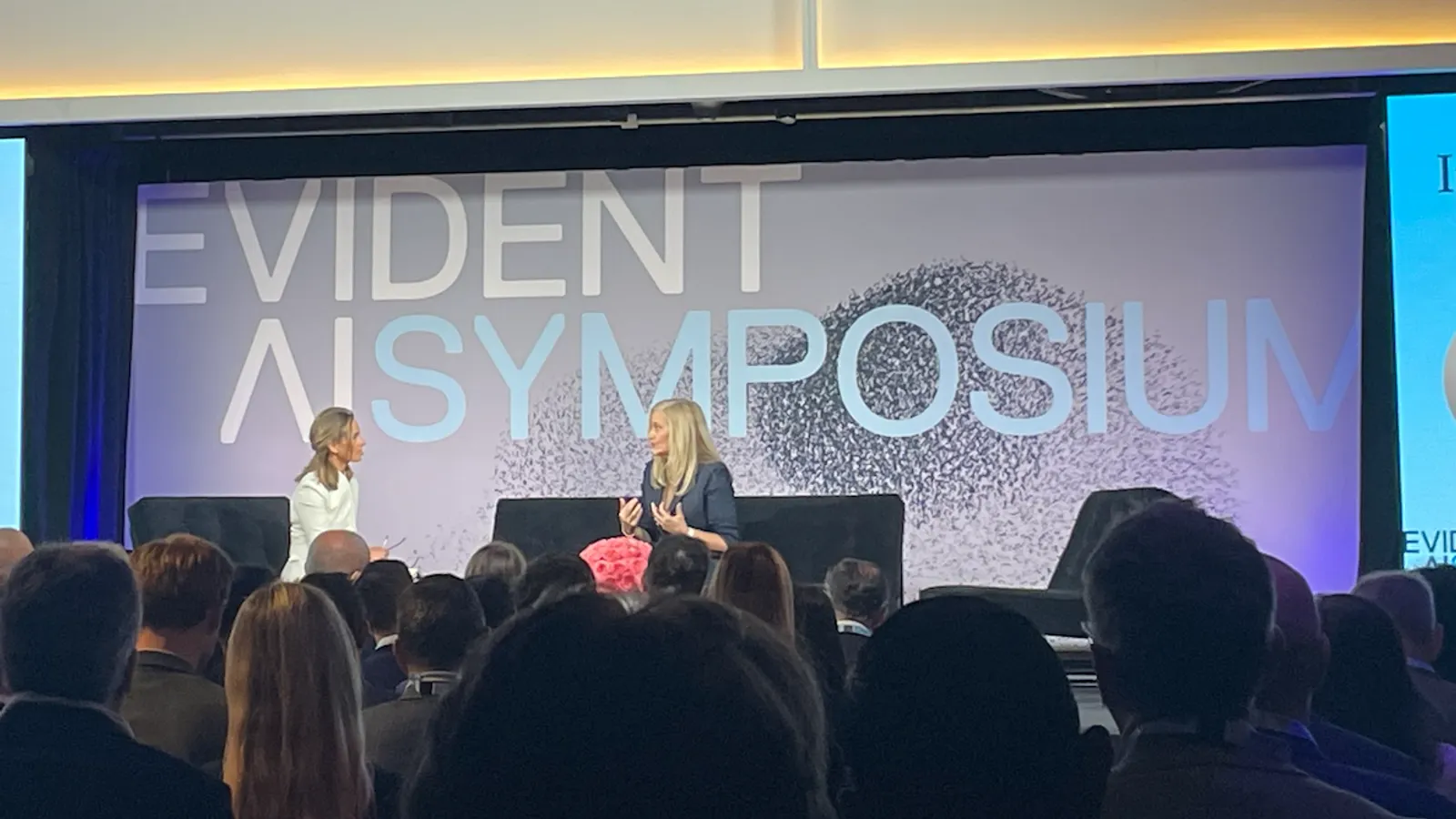

JPMorgan Chase and Goldman Sachs focus on security in AI strategies
JPMorgan Chase and Goldman Sachs are stressing security as they develop AI plans, according to Cybersecurity Dive. Senior leaders in finance must weigh risk against innovation as AI adoption grows. Firms should review how security is built into AI projects.