



Effective Leadership Strategies to Mitigate Uncertainty in Times of Organizational Change
Effective leadership during organizational change hinges on transparent communication. The real challenge isn't the change itself but the silence surrounding it, which can destabilize companies. Leaders who proactively address uncertainty can foster resilience and continuous progress within their organizations.


Redefining Accountability in the Era of AI Innovation
As AI technologies become increasingly autonomous, traditional models of accountability fall short. The concept of narrative responsibility advocates for a collective, ongoing approach to understanding and sharing accountability. By mapping out full organizational stories, distributing ownership, and embedding reflection into daily routines, organizations can foster learning and resilience. This shift is essential for adapting to the complexity and speed of decision-making in AI-powered environments, offering a more meaningful path beyond simple blame.


France Mandates Government Agencies to Transition from Windows to Linux to Boost Digital Sovereignty
France is pushing for digital sovereignty by requiring all government ministries to switch from Windows to Linux and reduce dependence on extra-European digital technologies. This directive covers operating systems, cloud infrastructure, collaborative tools, and AI, with a deadline set for autumn 2026.


Why Applying Traditional Metrics Could Be Undermining Your AI Initiatives
Traditional business metrics like short-term ROI often fail to capture the true value of early-stage AI initiatives, leading to misjudged performance and stalled projects. Instead, organizations should adopt measurement approaches that emphasize learning, workflow integration, adoption, and capability building to drive meaningful AI transformation and competitive advantage.

Canva Expands Its Horizons with Dual Acquisitions of Simtheory and Ortto to Evolve Into a Comprehensive Work Platform
Canva has made a major move by acquiring Simtheory and Ortto, two companies developed by the Sharkey brothers. This acquisition is intended to transform Canva from a design platform into a comprehensive work platform, with new features to be revealed at Canva Create on April 16. Financial terms remain confidential.

Gen-Z Now Represents 41% of U.S. Shift Workers, Driving Change in Frontline Roles
Gen-Z comprises 41% of the U.S. shift workforce, fundamentally transforming frontline jobs by valuing flexibility, embracing technology, and prioritizing people-centric work environments. This shift highlights the evolving nature of shift work influenced by a younger, digitally fluent generation.


AI-RAN: Transforming Enterprise Edge Intelligence and Autonomy
AI-RAN revolutionizes wireless networks by turning them into intelligent computational platforms that enable real-time sensing, low-latency AI, and autonomous operations across industries such as manufacturing and healthcare. By integrating AI directly with network infrastructure, it promises to enhance efficiency and innovation at the enterprise edge, supported by open, software-driven architectures accessible to businesses today.
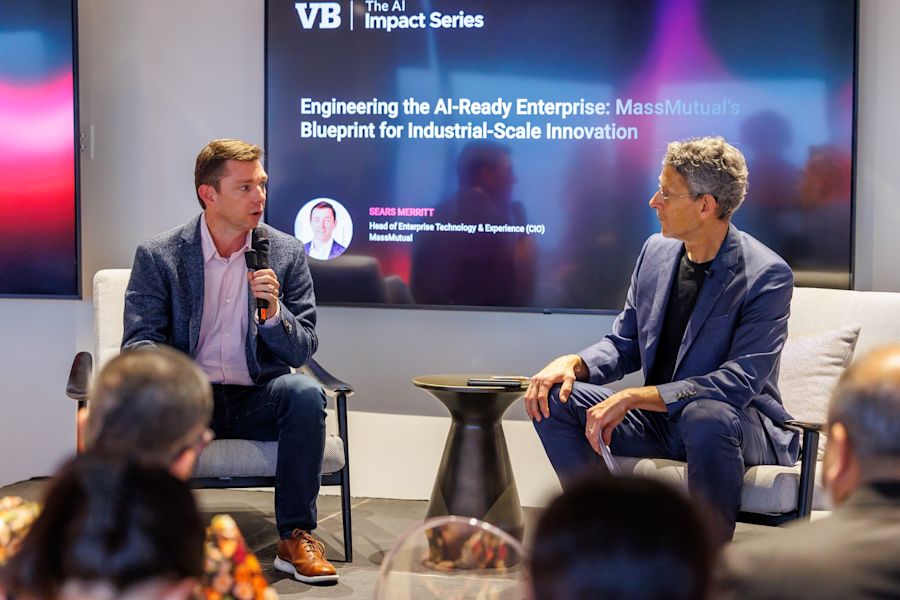
How MassMutual and Mass General Brigham Streamlined AI Pilots into Effective Production Systems
MassMutual and Mass General Brigham faced common enterprise AI challenges—pilot sprawl and lack of governance. MassMutual's disciplined approach, centered on clear metrics and flexible technology stacks, yielded significant productivity and customer service improvements. Meanwhile, Mass General Brigham shifted from broad experimentation to strategic partnerships and controlled adoption, embedding AI champions and monitoring tools to ensure safety and effectiveness, particularly in healthcare settings. Both cases underline the value of governance and collaboration in successfully scaling AI from pilot to production.

Staying Ahead: How Entrepreneurs Can Thrive Amid AI and Market Disruption
Entrepreneurs face the ongoing challenge of staying adaptable and proactive to avoid stagnation. In an era defined by AI advances and market upheaval, maintaining relevance requires innovation, agility, and a willingness to embrace change to thrive and grow.

Career Resilience in the AI Era: Insights from Mike Mulligan and His Steam Shovel
As AI disrupts jobs across industries, the story of Mike Mulligan and His Steam Shovel offers timeless lessons in adaptation. Embracing technology, rethinking how value is delivered, and aligning AI use with organizational purpose are keys to career resilience today, demonstrating that with perseverance and openness to change, workers can successfully navigate job pivots in the AI age.


Mastering Retention: 4 Key Conversations to Keep Top Talent Amid AI Changes
In the face of AI-driven changes, retaining top talent requires deliberate and meaningful conversations. This playbook highlights four essential discussions that influence employees' decisions to stay, emphasizing proactive engagement in uncertain times.

5 Strategic Shifts to Adapt Your Business Model in the Age of AI
To stay ahead in the evolving market, companies must move beyond using AI just for efficiency. Instead, they should leverage AI to innovate and deliver distinctive value, ensuring their business models remain competitive amid rapid technological change.

Making Change a Routine: Helping Your Team Embrace It Without Fear
High performance amid change isn’t achieved by inspiration alone; instead, embedding change into daily routines helps teams accept and adapt without fear, making transformation a natural part of work life.

Why Adaptability Matters More Than Reskilling in the Age of AI
AI is changing the job market not by making skills obsolete, but by valuing adaptability—something our labor systems struggle to develop. To truly thrive alongside AI, we need to focus beyond reskilling and foster flexibility and resilience in workers.

The Future of HR in the Age of AI: Adapt or Become Obsolete
HR is at a pivotal moment, facing AI-driven disruption that challenges its traditional compliance-focused role. To avoid marginalization, HR must evolve into a strategic partner by embracing AI to automate routine tasks, leveraging data to guide decisions, and focusing on complex, human-centered challenges. This transformation requires cultivating strategic thinking, cutting low-impact work, and collaborating across leadership. The future of HR hinges on whether it can lead its own evolution or become sidelined, affecting the broader organizational success and employee experience.

How AI Will Take the Lead and Revolutionize the Workplace This Year
In 2024, success with AI won't be about quantity but quality—companies that harness AI to lead and innovate will outpace others, marking a shift in how AI influences the workplace.
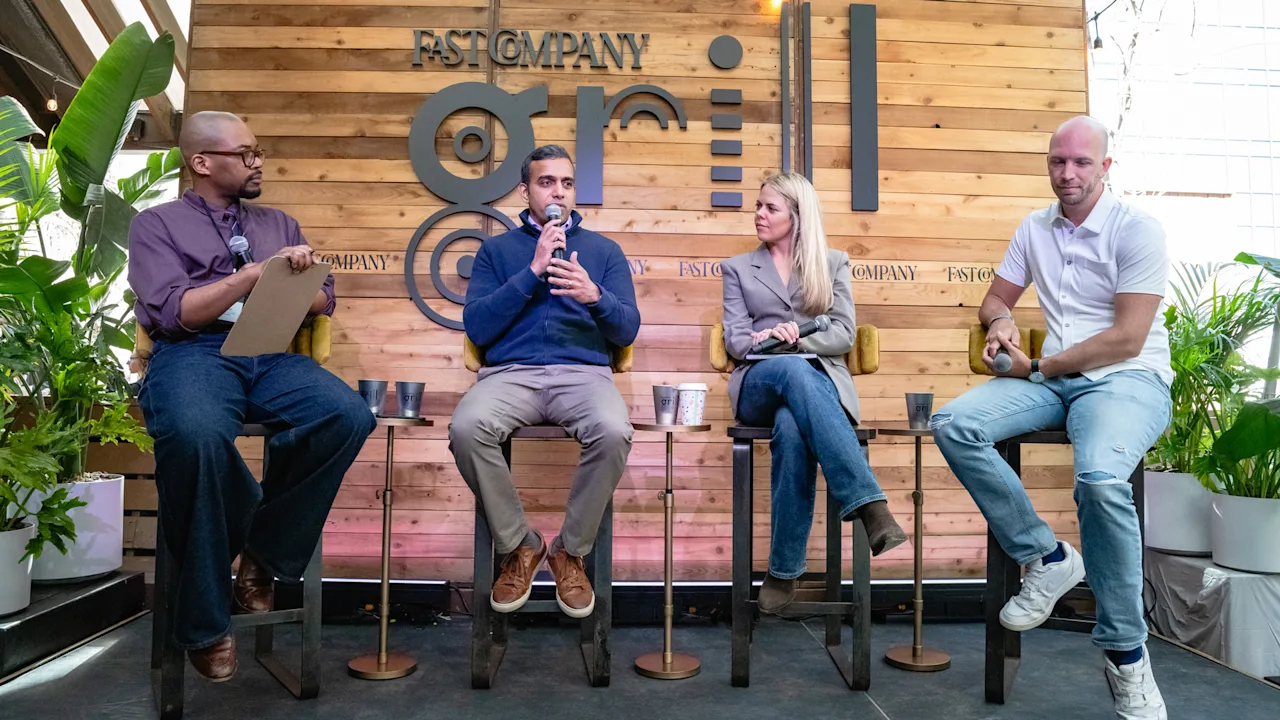
How AI is Transforming Business Models—and Why Leaders Must Adapt Now
AI is dramatically reshaping business models, requiring leaders to shift from agility as a competitive edge to a fundamental survival skill. Success hinges on clear purpose, continuous learning, and fostering experimentation while carefully assessing deeper systemic changes.


Meta to Discontinue Horizon Worlds VR on Quest Amid Huge Metaverse Losses
Meta is winding down Horizon Worlds VR on Quest due to massive financial losses, ending VR access by mid-2026. The move reflects Meta's strategic pivot from the metaverse to AI and wearables, accompanied by studio closures and layoffs, highlighting the fall of the metaverse trend.

4 Key Steps for C-Suite Leaders to Drive AI Adoption Beyond Initial Pilots
This article outlines a practical four-step framework designed specifically for top executives to overcome the early hype surrounding AI and successfully embed AI technologies into core business operations, moving beyond pilot projects to full-scale adoption and value realization.

Schneider Electric's Strategic Expansion of AI Across Products and Operations
Schneider Electric leads in scaling AI by embedding it within existing products and operations, avoiding pilots to ensure impact. The company balances internal and customer-facing AI applications, prioritizes business value, and employs tailored training. Its strategic deployment and governance model serve as a benchmark for enterprises aiming to achieve significant AI-driven efficiency and growth.