



Why AI Alone Can't Fix Broken Business Processes
AI is powerful for automating tasks and detecting problems quickly, but it can't fix a business with broken or inefficient processes. Successful transformation starts with optimizing workflows before implementing AI technologies.


5 Key Mindset Shifts to Empower Teams Amid Uncertainty
Effective leadership in uncertain times requires shifting team mindsets from fear and rigidity to curiosity and growth. Five strategic reframes help teams see threats as opportunities, failures as learning, and constraints as challenges to overcome. These shifts promote creativity, resilience, and collaborative problem-solving in the face of change.


Rethinking Entry-Level Marketing Roles as AI Shifts Industry Demands, Says Gartner
Gartner predicts that AI will transform marketing roles by 2030, reducing the need for traditional entry-level jobs. Instead of cutting these positions, the recommendation is to empower new hires with more responsibility to foster development and meet evolving market needs.

Why Mercy Corps Became Prosper Global: Insights from CEO Tjada McKenna
Tjada McKenna, CEO of Prosper Global (formerly Mercy Corps), explains the rebrand as a shift from emergency aid to long-term prosperity for vulnerable communities worldwide. Amid global crises and climate challenges, Prosper Global focuses on sustainable solutions and innovation to help people not just survive but thrive.

Who Drives AI Transformation Within Organizations?
AI transformation is truly driven by employees who actively rethink and improve workflows using AI, not just by executives or specialized teams. Leadership's role is to enable and support these innovators with training, tools, and clear guidelines, fostering a culture of experimentation. Success should be measured by meaningful outcomes like productivity and client satisfaction, while ensuring employees gain valuable skills for their careers.


Key CMO Priorities for Thriving in 2027's Dynamic Marketing Landscape
As AI reshapes marketing and media fragments, CMOs must prioritize embedding marketing as a growth function, transforming with AI, evolving talent, mastering new media channels, and developing metrics that capture AI-driven interactions. Success depends on leading change proactively and redefining marketing’s role in business strategy.
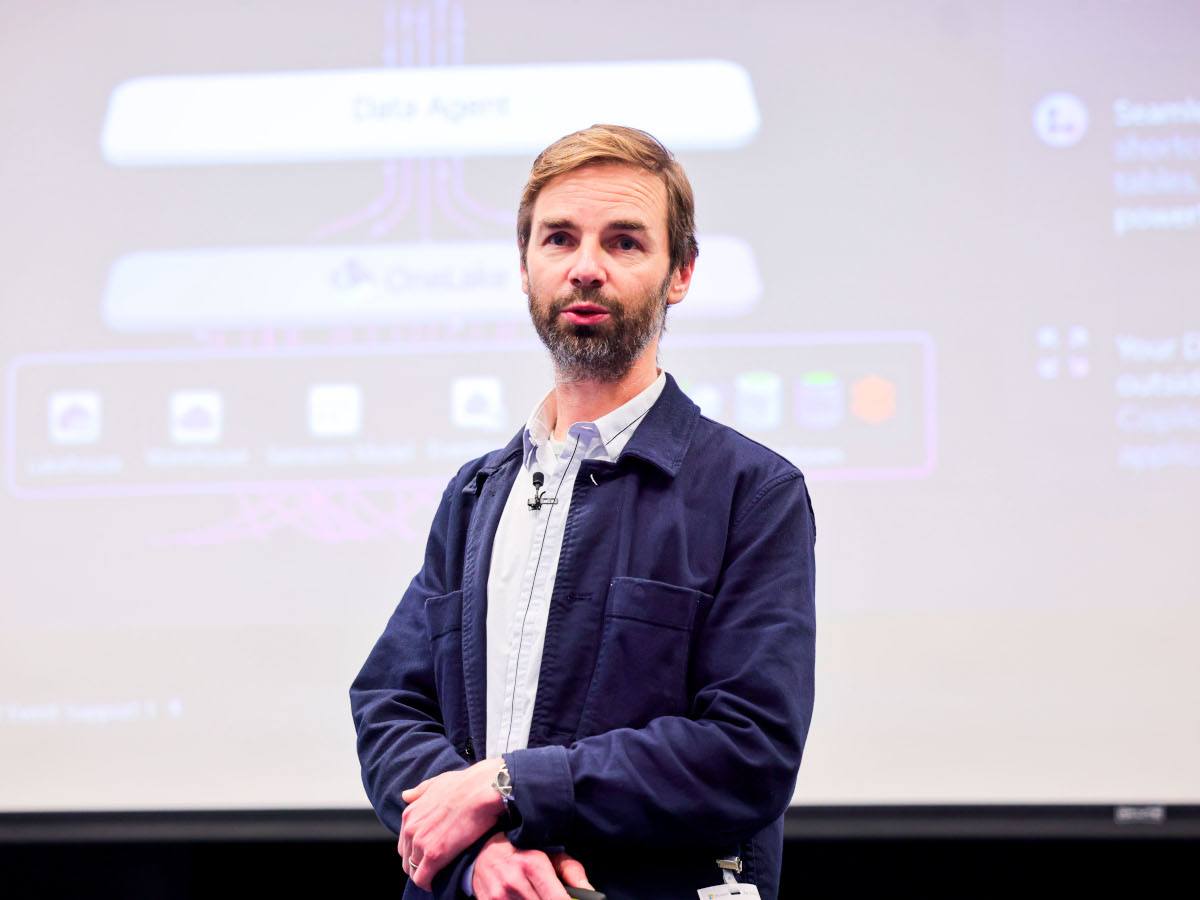

The Crucial Role of People in Driving Digital Transformation Beyond Technology
Daire Cunningham explores how the success of digital transformation, especially AI adoption, hinges on the human element within organizations, stressing that technology alone is not enough to achieve real change.
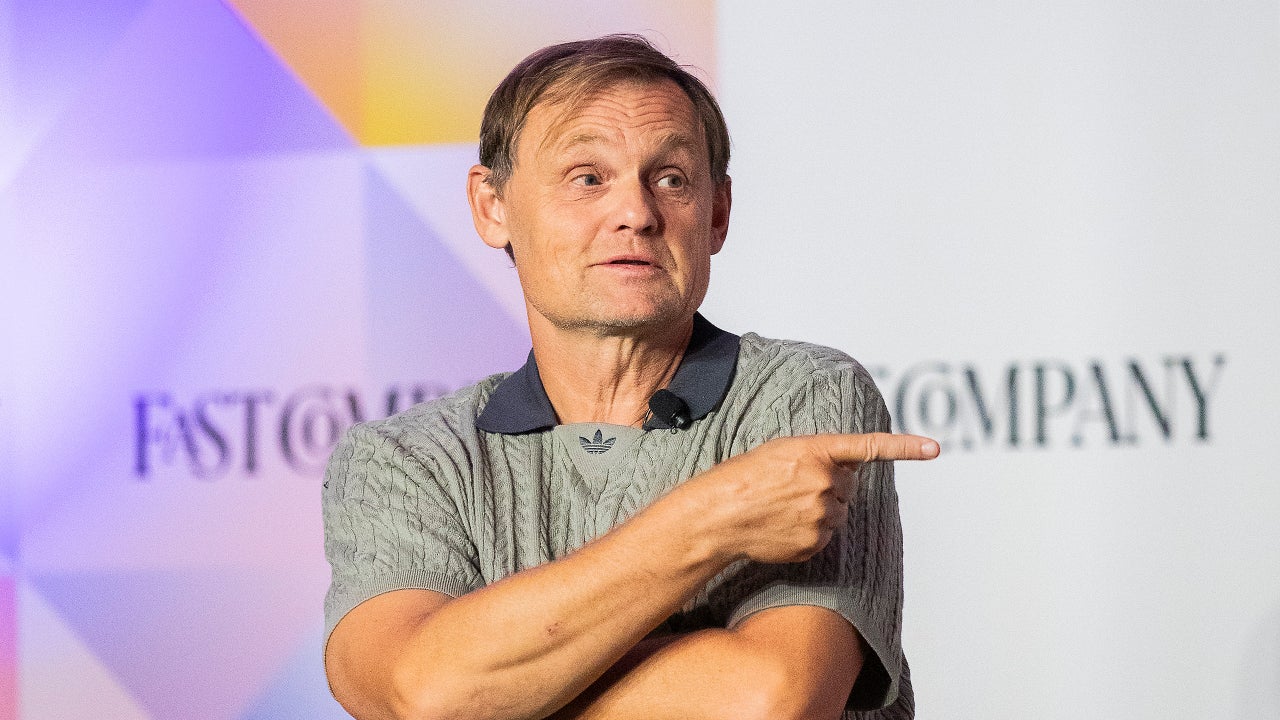
How Adidas CEO Bjørn Gulden's Bold Approach Revitalized the Brand
Adidas CEO Bjørn Gulden credits the company’s turnaround to removing obstructive layers of management and empowering creative, energetic employees. Since taking charge in 2023 amid challenges like the fallout from the Yeezy partnership and market setbacks, Gulden streamlined operations, emphasized innovation, and fostered a culture of swift decision-making. This strategy restored Adidas’s growth, profitability, and market presence, highlighted by recent athletic achievements.
Why Sustainability Initiatives Often Lose Momentum and How to Keep Them on Track
Sustainability transformations often lose momentum not due to lack of conviction but because early team mindsets and decisions lock in pragmatic or idealistic approaches that limit flexibility. Successful ventures balance profit and purpose through a tension-holding mindset, enabling adaptable decision-making. Corporate sustainability leaders can prevent drift by building cognitively diverse teams, seeking early stakeholder feedback, and starting programs simply to maintain flexibility under pressure.

Guiding a Company Through Its Next Phase of Growth
Match Group CEO Spencer Rascoff discusses how the company is navigating a critical transformation by adapting its strategies and leadership approach to thrive in a rapidly changing market shaped by AI. He emphasizes speed, accountability, and innovation as key drivers for the company’s next chapter.

Why Lowe’s CMO Jen Wilson Expanded Her Role to Include Digital Commerce
Lowe’s CMO Jen Wilson has expanded her portfolio to incorporate Lowes.com and Marketplace, reflecting a strategic shift that merges digital commerce with traditional marketing functions such as retail media, loyalty, and personalization. This change underscores the evolving role of marketers in driving business growth through integrated digital and retail initiatives.

Carter’s Brand Revamp Targets Gen Z and Millennial Parents
Carter’s updates its brand identity with a new logo and social media strategy, launching a campaign centered on self-expression to engage Gen Z and millennial parents.


Why Most AI Implementations Fail: It's Not About Training
Many AI initiatives stumble not due to technical training issues, but because companies lack the cultural foundation that encourages employee experimentation, adaptability, and risk-taking, which are crucial for AI to drive real performance improvements.

AI is Transforming Work Dynamics, Not Just Replacing Jobs
AI is not merely replacing jobs; it is fundamentally restructuring work by breaking down traditional roles into tasks and capabilities. This shift challenges organizations to find new ways to develop expertise, especially as AI takes over repetitive entry-level tasks. Successful workforce strategies will focus on capability ecosystems, strategic use of workforce data, and intentional work redesign that balances AI efficiency with human creativity and judgment.

Transformation Happens Beyond the Boardroom: Empowering Frontline Managers
True transformation occurs not in executive meetings, but in the daily decisions of frontline managers. Success depends on simplifying complex workforce data and integrating transformation into everyday workflows. AI can accelerate this only if supported by connected data and real-time insights. Leaders must focus on removing complexity, enabling managers to lead effectively and making new ways of working the easiest and most natural choice.

Navigating the Unending Wave of AI Disruption
AI disruption no longer follows a clear finish line but instead creates a constant, accelerating cycle of change. Organizations pushing only for speed risk exhausting their teams. To thrive, companies need to build dedicated AI units, work with dual innovation paces, and embed continuous learning into daily roles. This new approach relieves individual burden, combats burnout, and fosters sustained adaptation in an era of perpetual AI advancement.


Strategically Rebuilding Your Workforce in the Age of AI Layoffs
AI-driven layoffs present an opportunity for companies to rethink and improve their workforce strategy. By strategically integrating AI, organizations can enhance how work is performed and build a more resilient team for the future.

Reinventing Companies Through Core Capabilities: Lessons from Ørsted and Microsoft
Successful corporate reinvention hinges on identifying and leveraging deep, transferable core capabilities or "kernels of reinvention." Companies like Ørsted and Microsoft exemplify how existing strengths can be repurposed to navigate disruptive changes—shifting industry focus while maintaining competitive advantage. Reinvention requires diagnosing disruption, excavating latent capabilities, building new growth engines, managing transformation, and communicating continuity, enabling sustainable evolution without discarding the past entirely.

Reimagining Org Charts for Today’s Dynamic Work Environment
New research reveals that classic organizational charts no longer align with how modern work gets done. Leaders should focus on incremental adjustments that improve functionality before attempting large-scale structural changes.

Manufacturers Pour $150 Billion into New Tech, Yet One Key Challenge Persists
Despite investing $150 billion in new technologies, manufacturers struggle to implement them broadly due to a significant obstacle identified by experts. This challenge hinders the potential benefits of technological advancements in the manufacturing sector.