



Why Every Organization Must Embrace an AI-First Strategy
This article provides a detailed roadmap for companies to successfully adopt an AI-first approach, highlighting the importance of integrating AI into organizational strategies for enhanced business performance and innovation.


Driving Innovation Through Automated Resilience
Jan Gilg from SAP highlights how automation can empower organizations to innovate by fostering adaptability that goes beyond basic resilience, ensuring sustained success in changing markets.


Only 9% of Developers Trust AI-Generated Code Without Human Oversight, Reveals BairesDev Survey
BairesDev's recent survey shows that only 9% of developers trust AI-generated code without human oversight, with most expecting AI to transform their roles by 2026. Developers are shifting toward strategic design and architecture roles as AI automates routine coding, highlighting the importance of AI fluency while maintaining human oversight. The industry anticipates smaller teams, new specialized roles, and a focus on upskilling to navigate this AI-driven evolution.

Revitalizing Your Business After a Crisis: Insights from Industry Leaders
Leaders from Honest Company and the National Women’s Soccer League discuss how they successfully rebuilt their company cultures after facing major crises, offering valuable lessons on business recovery and leadership resilience.


Shifting from Effective Solutions to Scalable AI-Enabled Impact
Nonprofits face a critical choice: continue optimizing existing methods or rebuild for an AI-native future. Despite readiness for AI, many lack capacity and funding. Our approach focuses on creating an AI enablement ecosystem to help nonprofits build, learn, and scale responsibly. Being AI-native means integrating AI deeply into operations to enhance efficiency and impact. The key to success is investing in capacity, governance, and collaboration to safely scale AI-driven social impact.

Advancing Beyond Resilience: Embracing AI-Driven Adaptability
Explore how modern businesses evolve past resilience by adopting AI-powered adaptability, enabling faster and more effective responses to change and challenges.


Effective Leadership, Not Hybrid Work, Drives Organizational Success
Hybrid work challenges stem from leadership, not policy. Research debunks strict return-to-office mandates and highlights flexible work's benefits for productivity, retention, and innovation. Success hinges on strategic clarity, results-focused management, team-led collaboration, and investment in infrastructure and skills.


The Rise of Anti-Social Media: A New Dark Era Begins
The social media age has ended, paving the way for a more troubling phase characterized by anti-social media, potentially bringing worse impacts on societal interaction.

Embracing the Art of Unlearning
Unlearning outdated knowledge and habits is key to personal growth and innovation. Embracing this process helps individuals adapt to change and unlock new opportunities in their professional and personal lives.

How Top Financial Firms Leverage AI for Training and Performance Evaluation
Leading financial institutions like JPMorgan, Citi, and Goldman Sachs are adopting AI technologies extensively to enhance staff training, streamline performance reviews, and boost overall operational efficiency, helping them stay ahead in a competitive market.


Navigating the Emerging Talent Shortage: Strategies of Forward-Thinking Leaders
The article highlights the limitations of local-only hiring and emphasizes the importance of tapping into global talent pools. This approach helps leaders proactively respond to demographic and workplace transformations impacting industries worldwide.

Meta Restructures Metaverse Division, Shifts Leadership Focus
Meta is reshuffling its metaverse division by moving leader Vishal Shah to the AI team and appointing new leaders to drive VR and mobile initiatives. This restructuring highlights Meta's strategic focus on advancing its metaverse through specialized leadership roles.
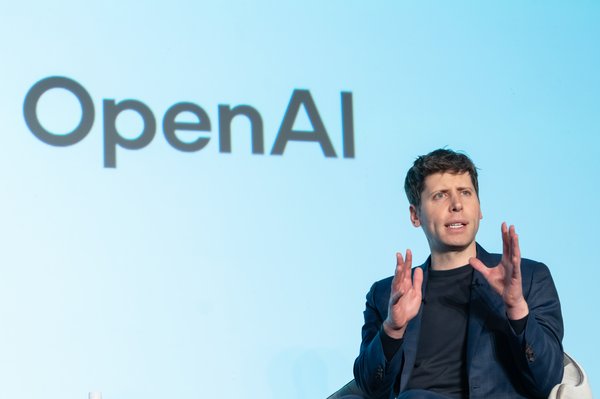

OpenAI Unveils Major Restructuring
OpenAI has introduced a pivotal restructuring of its organization, signaling major strategic changes that could reshape its future and impact the AI industry.

The Impact of AI on Jobs: Change, Replacement, and Resilience According to Indeed
AI is transforming the workplace by changing and replacing certain jobs, while others continue to require essential human skills. This overview, based on insights from Indeed, discusses how labor is evolving with increasing automation and which roles are expected to endure.

The Cost of Layoffs Versus Reskilling: Leveraging AI for Workforce Transformation
Reskilling employees instead of resorting to layoffs amid AI adoption can drive substantial revenue growth, with potential gains of $8.5 trillion by 2030, according to Guild's Talent Resilience Index.

Meta Informs Employees About Job Reductions Due to Technological Advancements
Meta announced job reductions in an internal memo, attributing these cuts to the company's increased use of technology to handle routine decisions efficiently, leading to fewer roles needing human involvement.

How Leading CEOs Drive Their Companies' Next Growth Phase
Top CEOs initiate their company’s next growth phase by creating new strategic S-curves midtenure. They act as change catalysts, co-create strategies with their teams to boost engagement, and leverage organizational and leadership shifts to sustain growth. Maintaining momentum through successive growth phases during the middle years of leadership is essential to prevent stagnation and drive long-term success.

Dfinity Introduces Caffeine: An AI-Driven Platform for Building Production Apps via Natural Language
Dfinity Foundation's new AI platform Caffeine allows users to build production web apps via natural language, without coding. Built on decentralized Internet Computer Protocol using the Motoko language, it ensures data integrity and security. The platform aims to drastically reduce enterprise IT costs and empower non-technical users, heralding a shift to AI-driven software development as the new tech stack.

Microsoft Unveils 'Hey Copilot' Voice Assistant and Autonomous AI Agents for All Windows 11 PCs
Microsoft has launched 'Hey Copilot,' a voice-activated AI assistant and autonomous agents for all Windows 11 PCs, aimed at revolutionizing user interaction by enabling natural voice commands and AI-powered task automation. Enhanced features like Copilot Vision and Copilot Actions provide contextual aid and autonomous task management within a secure environment. This update integrates AI deeply into Windows 11, available on all compatible PCs, promising major productivity gains while addressing security with strict controls.

How Digital Platforms Are Reshaping Music and Film Criticism
Music and film criticism is being transformed by digital platforms such as YouTube and TikTok, where video essays and brief critiques are altering traditional ways audiences interact with entertainment and cultural analysis.