



Crunchbase Data Reveals AI Startups Embrace Serial Acquisitions to Accelerate Growth
Crunchbase data shows AI startups are increasingly using serial acquisitions to accelerate growth and expand capabilities. Leading buyers like OpenAI and specialized startups in legal tech and customer service are actively purchasing smaller companies to fill gaps and enter new markets. This strategic use of M&A highlights a shift toward faster scaling in a competitive AI landscape.


Rehearsing Crisis Readiness with Digital Twins: Unlocking Rehearsal Intelligence
The article examines the urgent need for organizations to use digital twins—not just for operations but for continuous crisis rehearsal—to prepare for unforeseen disruptions. Highlighting costly failures in 2024 and a lack of crisis simulation adoption among security professionals, it argues traditional exercises and AI alone are insufficient. A five-step framework is offered to help companies transition from reactive plans to anticipatory crisis management, improving resilience, decision-making, and risk response. Successful examples include BMW and Walmart, emphasizing leadership's key role in enabling this strategic shift.


Tech Job Openings Rise Amid Growing AI Investment
Contrary to fears of AI displacing tech workers, job openings in the tech sector are on the rise. Increased investments in AI technology are fueling demand for hardware and supporting robust software hiring, indicating a resilient job market.

Amazon Exec Highlights Rarity of Forward-Deployed Engineer Talent: ‘These Professionals Are Unicorns’
An Amazon Web Services executive described the challenge of recruiting forward-deployed engineers, referring to these specialists as 'unicorns' due to their scarcity and the high selectivity in hiring them to expand AWS’s engineering capabilities.


Trump Introduces New Super Intelligence Task Force
Trump has announced the formation of a new Super Intelligence Force as part of his efforts to tackle the critical issues surrounding AI safety and oversight. This move reflects the growing national debate about managing artificial intelligence risks effectively.

Lina Khan Warns AI Firms Against Self-Regulation, Echoing Big Tech's Past Missteps
Lina Khan, former FTC chair, warned that AI companies attempting to self-regulate are repeating the same mistakes that caused regulatory issues for Big Tech. She emphasized the need for external oversight to prevent similar problems as AI technologies continue to evolve.


RBI Governor Warns: Future Financial Crisis Could Stem from Cyberattack or Geopolitical Conflict
India's RBI Governor Sanjay Malhotra warns that the next financial crisis could arise from cyberattacks, geopolitical events, or tech failures, signaling a shift from traditional banking risks to broader systemic vulnerabilities.

Why AI Alone Can't Fix Broken Business Processes
AI is powerful for automating tasks and detecting problems quickly, but it can't fix a business with broken or inefficient processes. Successful transformation starts with optimizing workflows before implementing AI technologies.


Why Multilingual AI Markets Are Your Next Big Opportunity
Focusing AI efforts only on English-speaking users limits access to a huge international market. To attract a million more users, businesses must address the complexities of multilingual engagement rather than just relying on simple translations.
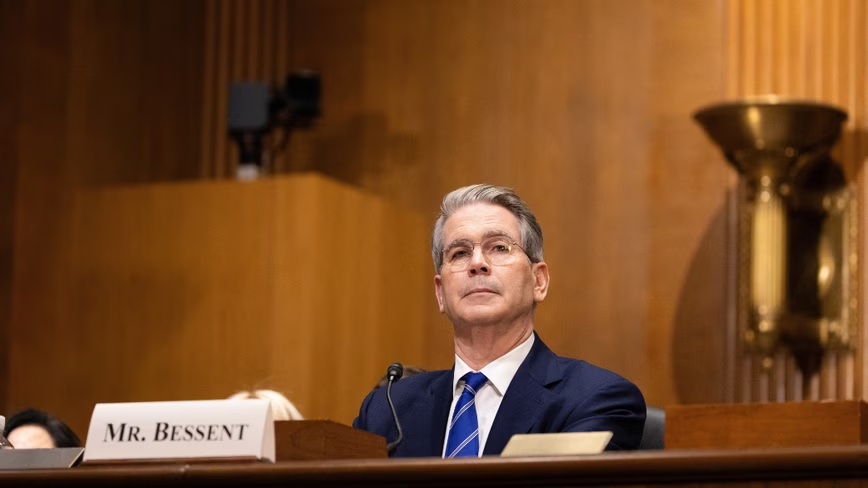
Bessent Criticizes AI Alarmism That Lacks Practical Solutions
US Treasury Secretary Scott Bessent critiques AI leaders who focus on risks without offering solutions, calling it a failure in leadership. His remarks highlight the need for actionable approaches within AI discussions.

OpenAI Safety Chief Resigns, Citing Deep Cultural Issues and Calls for Caution in AI Development
David Robinson, former safety leader at OpenAI, has stepped down, highlighting serious cultural problems within the company and urging greater care in the development of AI technology. His resignation calls attention to potential risks in the rapid advancement of AI, stressing the need for more responsible practices.
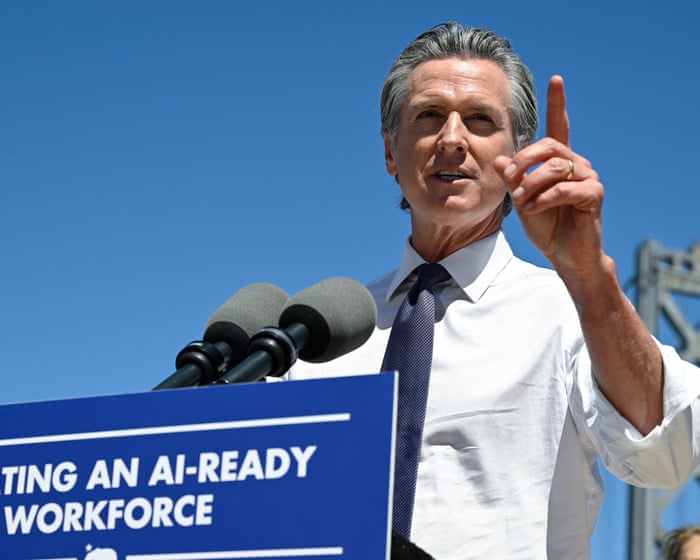
California Enacts Groundbreaking Laws to Shield Workers from AI Job Risks
California has introduced progressive laws to protect workers from AI-driven job risks, banning exclusive AI use in layoffs, emotional monitoring, and neural data collection. These rules also require transparency on AI's role in layoffs and restrict AI surveillance in bathrooms, marking a significant step in workplace AI regulation.


Stripe to Create 200 New Jobs at Dublin Headquarters
Stripe is set to add 200 new jobs at its Dublin headquarters, highlighting its ongoing investment in Irish talent as a key part of its growth strategy.

FieldAI to Secure $700M Funding, Valued at $10 Billion for Robotics Software
FieldAI is raising $700M at a $10B valuation to develop software for robots it doesn't manufacture. This valuation is five times higher than last year and surpasses typical European robotics investments, which mostly fund hardware makers.
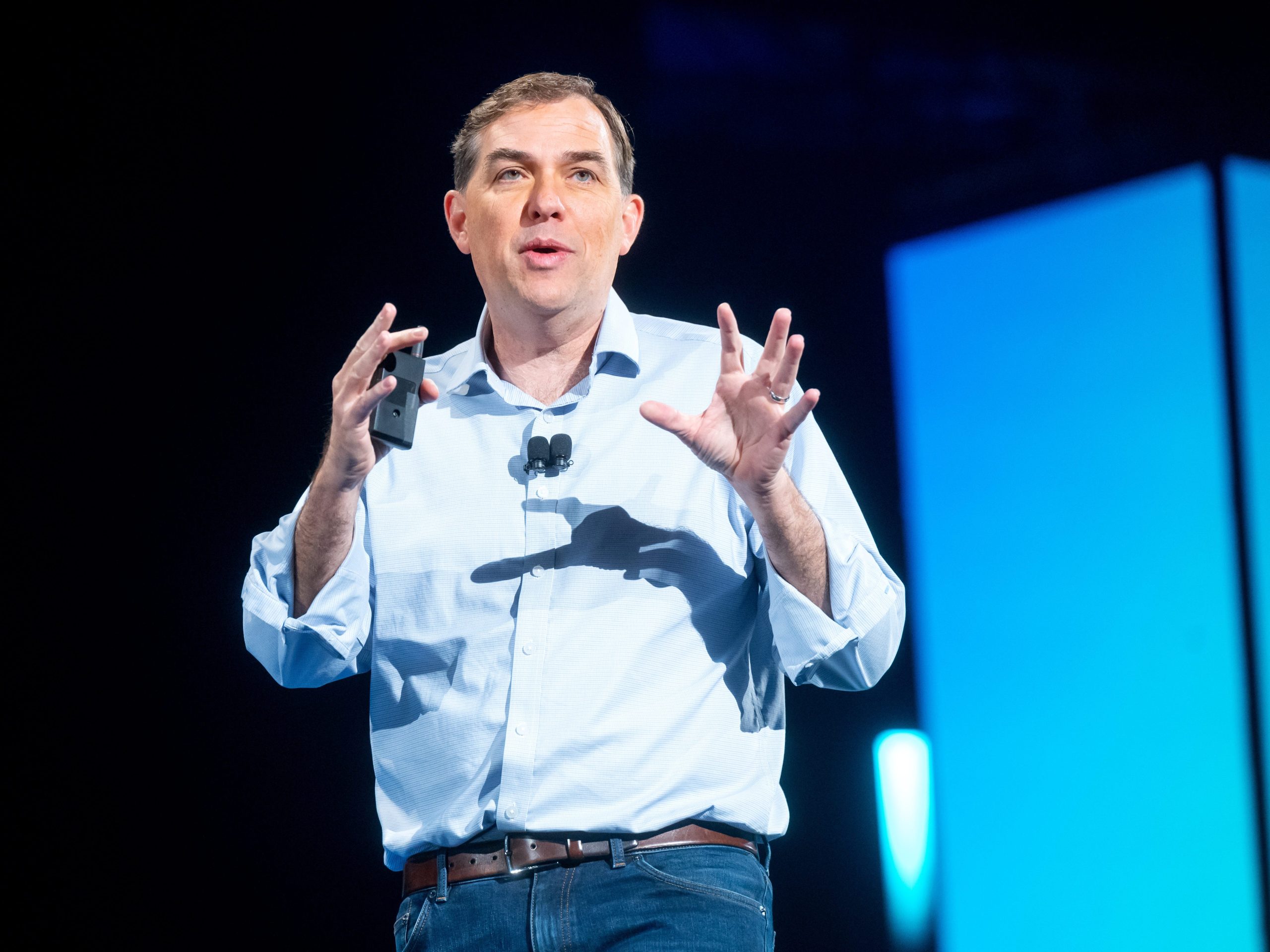
Amazon Warns Against Data Center Moratoriums, Citing Long-Term Risks
Amazon Web Services CEO Matt Garman warned that imposing moratoriums on data centers could have lasting negative effects on the US's competitive edge in technology. He referenced historical lessons from World War II to highlight the importance of continuing infrastructure growth to avoid long-term consequences.


Apple Tightens Mac Disk Access Controls Amid AI Privacy Concerns
Apple is enhancing Mac security by limiting app access to full disk permissions in response to privacy concerns involving AI agents. This change ensures that users must explicitly approve any app seeking extensive access, protecting personal data from unintended AI exposure.


Harnessing AI to Challenge and Improve Your Work
Asking AI to challenge your ideas instead of just assisting can enhance critical thinking and improve results. Research shows that human-AI collaboration with opposing viewpoints leads to better work by preventing echo chambers and encouraging new insights. Encouraging employees to question AI outputs leverages friction to boost creativity and performance.

Why Traditional CRMs Fail and How AI is Revolutionizing Customer Relationships
Traditional CRMs fall short because they reflect company processes, not real customer needs, leading to fragmented, frustrating experiences. AI agents now enable a unified, outcome-focused approach across discovery, sales, onboarding, support, and renewal. This shift to Service as Software integrates data across silos, automates workflows, and transforms customer relationships into continuous, personalized experiences.

Anthropic Flags Potential Impact of US Government Stance on Its Business Ahead of IPO
Anthropic has revealed in its IPO prospectus that the US government's view of the company could negatively impact its business dealings with commercial customers, partners, and government projects. This cautionary note suggests possible challenges for Anthropic’s growth and collaborations as it prepares for its public offering.

Anthropic Invests $100M in Claude Academy to Develop AI Deployment Experts
Anthropic has established Claude Academy with a $100 million fund to train Full-Deployment Engineers (FDEs), underlining the growing importance of expert AI deployment in the fast-evolving artificial intelligence landscape.