



Microsoft's Emissions Spike 25% in 2025, Expected to Climb Further with AI Expansion
Microsoft's emissions grew 25% in 2025 due to increased AI data center activity and reliance on fossil fuels. Despite aiming for carbon negativity by 2030, upcoming gas power projects may double its emissions. Critics highlight contradictions in the company’s sustainability efforts, including a new fossil fuel deal. Rising emissions are a broader tech industry issue, with companies like Google and Amazon also reporting increases linked to AI infrastructure expansion.

New York Enacts Historic Halt on Hyperscale Data Center Approvals
New York has introduced a groundbreaking one-year pause on permits for hyperscale data centers to address environmental and resource concerns. Governor Kathy Hochul’s executive order targets large facilities using 50 megawatts or more, commonly built by big tech companies for AI infrastructure. The pause allows time to develop uniform environmental standards amid rising community opposition and political debates ahead of Hochul’s reelection.
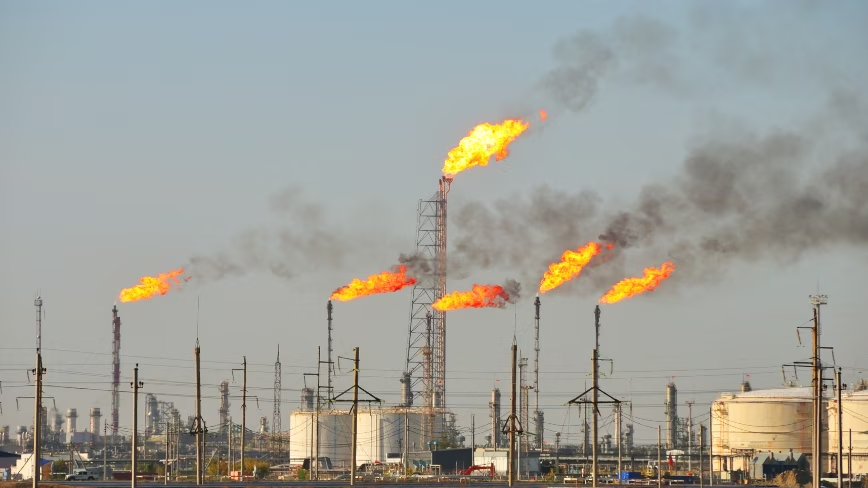

AI Sparks Unprecedented Surge in Natural Gas Power Plant Construction Amid Controversy
AI advancements have catalyzed an historic boom in natural gas power plant construction and extended the operational life of old coal plants, driven by collaboration among utilities, operators, and the federal government. This phenomenon marks a significant shift in energy infrastructure and raises critical debates around sustainability and energy policy.


Inside the Physical Reality of Tech: Reporting on AI's Vast Datacentres
The Guardian’s tech journalists are investigating how huge AI datacentres and energy infrastructures are shaping the AI revolution. Their work reveals the physical and environmental realities behind these projects, including false claims about renewable energy use, emphasizing that AI’s growth depends heavily on tangible, physical challenges.

US Senator Proposes Comprehensive AI Accountability Legislation
Senator Ed Markey has unveiled a set of bills aimed at regulating artificial intelligence to reduce energy consumption, prevent workplace surveillance abuse, curb bias in hiring systems, protect workers' autonomy, and address economic inequality caused by AI profits. This legislative agenda seeks to hold tech companies accountable for AI’s societal harms while promoting fairness and sustainability.

AI Development Expands onto Native American Reservations
Developers are increasingly targeting Native American reservations for AI data centers due to available land, resources, and tax incentives. Indigenous groups are closely tracking these projects to ensure awareness and oversight in these communities.

Samsung’s Vision to Shift Data Centers Offshore Amid Land Constraints
Samsung is addressing land scarcity and community concerns by developing floating data centers offshore. Their first purpose-built barge is set to launch by 2028, offering a novel solution to the challenges data centers face on land.

Cooper Warns AI Could Pose Catastrophic Global Threat Without International Regulations
Foreign Secretary Yvette Cooper warns that without global regulations, AI could threaten humanity on a catastrophic scale, comparable to Hiroshima. She calls for international cooperation, especially between leading nations like the US and China, to manage AI development responsibly. This challenge is expected to shape foreign policy priorities amid other global risks such as climate crisis and migration.
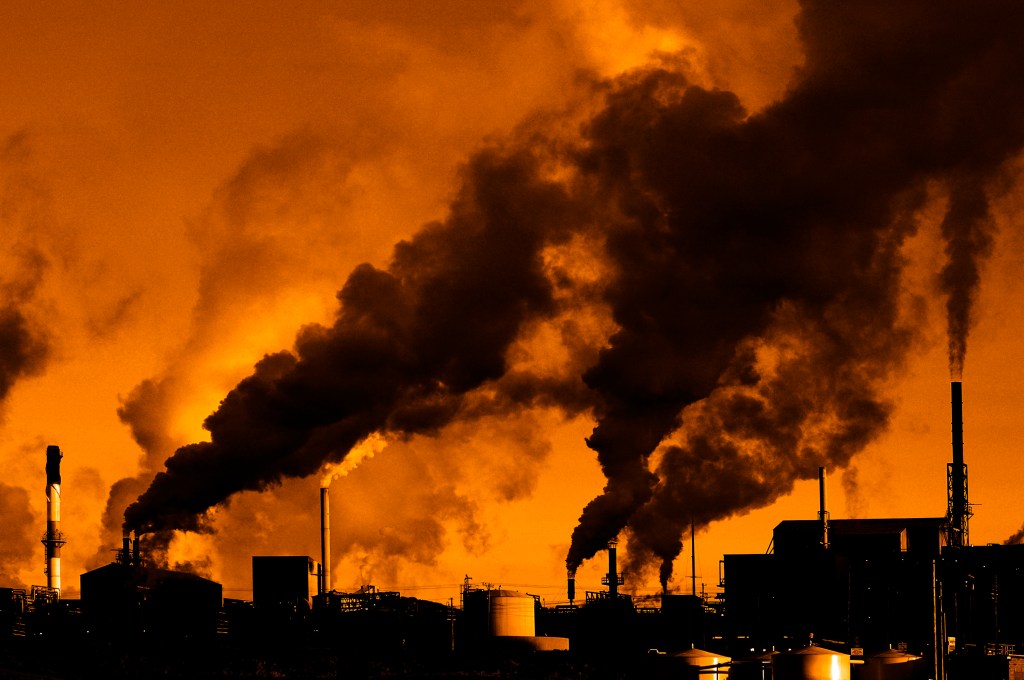

The Hidden Environmental Toll of AI: Lessons from Google and Amazon
Amazon and Google are struggling to fulfill their net-zero pledges because AI's energy demands complicate sustainability goals. The environmental costs of AI highlight the broader challenges tech companies face in balancing innovation with eco-friendly practices.

UN Highlights Risks of Widening Global Divide Due to Uneven AI Progress
The UN warns that without shared regulations, the swift and uneven spread of AI technology may worsen global inequality, urging governments to adopt a responsible development framework.

Trump Administration's Policies Jeopardize 92 GW of Renewable Energy Expansion
The Trump administration is placing significant regulatory hurdles on the development of 92 gigawatts of new solar and wind energy capacity. These measures could stall $121 billion in renewable energy investments, hampering the U.S.'s progress in expanding clean energy sources, which are currently leading additions to the nation's power supply.
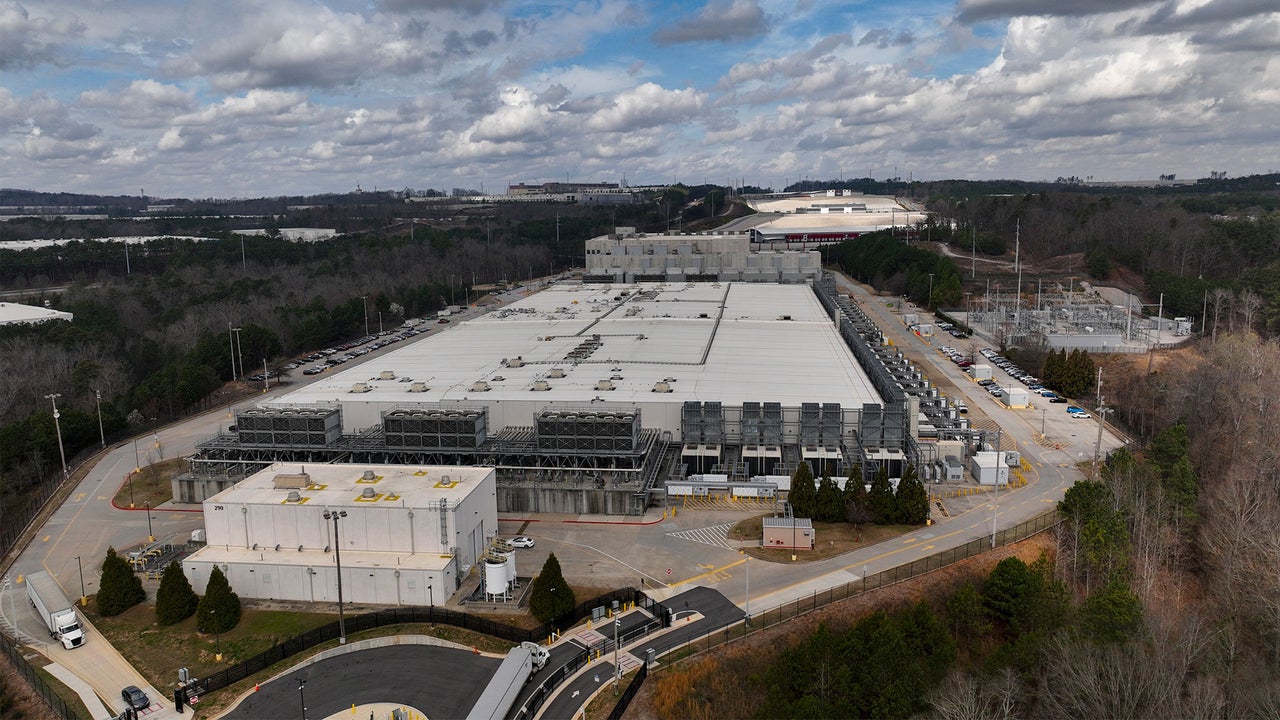
UN Secretary-General Calls on AI Firms for Transparency on Environmental Impact
UN Secretary-General António Guterres has called on AI companies to transparently disclose their environmental impact, including carbon emissions, water, and land use. He proposed an initiative for environmental transparency in AI, urging a shift to renewable energy by 2030 to reduce the growing ecological footprint of AI data centers. Despite progress in renewables, increased AI activity is raising emissions, emphasizing the urgent need for global climate action to meet Paris Agreement targets.
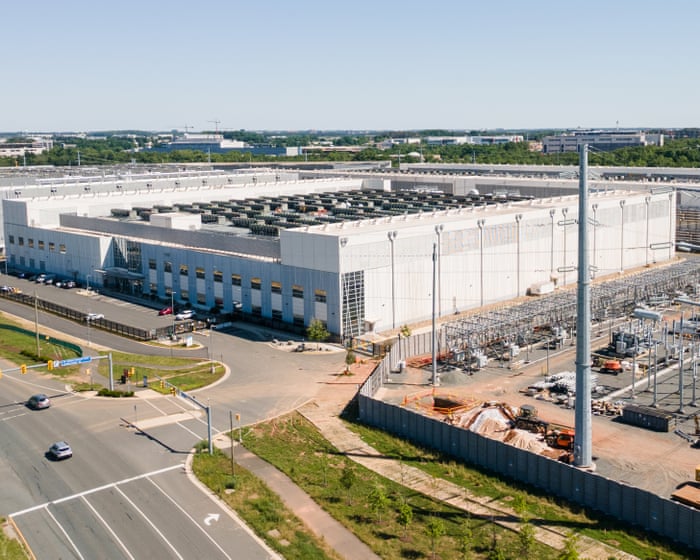
Climate Risks Threaten Majority of Datacenters, Study Reveals
Most datacenters globally are at risk from climate hazards like floods and fires, raising concerns about operational disruption and increased costs. The study underscores the link between the AI industry's growth and its environmental impact, highlighting urgent vulnerabilities in critical infrastructure.

Microsoft and Chevron Collaborate on Major Natural Gas-Powered Data Center Project in the US
Microsoft and Chevron have partnered to develop a large natural gas-powered data center in the US, with a 20-year energy purchase agreement ensuring long-term fuel supply and associated carbon emissions from the new power plant.
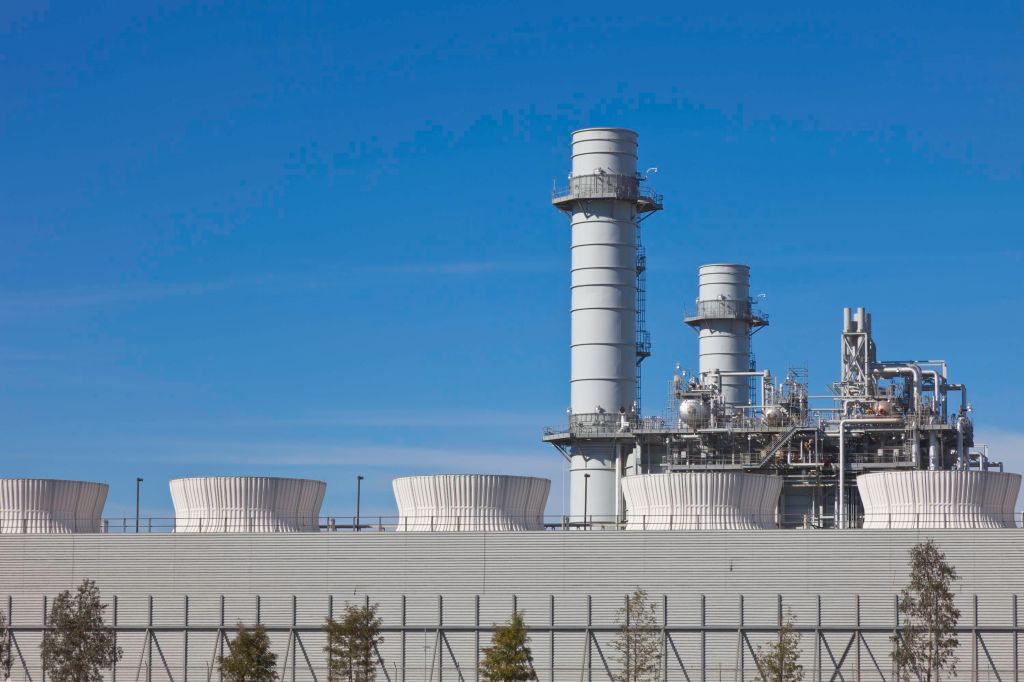
Nvidia Introduces Water-Saving Cooling Tech, But AI's Water Challenges Run Deeper
Nvidia's latest cooling system minimizes water use in data centers, marking progress in reducing resource consumption. Yet, the broader challenge of AI's water impact remains, primarily due to reliance on fossil fuel power plants for energy.


Addressing AI's Increasing Energy Demand: A Public Health Concern
Sten H. Vermund and Patricia J. Kissinger discuss how AI's rising energy demands pose significant risks to public health. They call for awareness and solutions to reduce AI's environmental and health impacts.
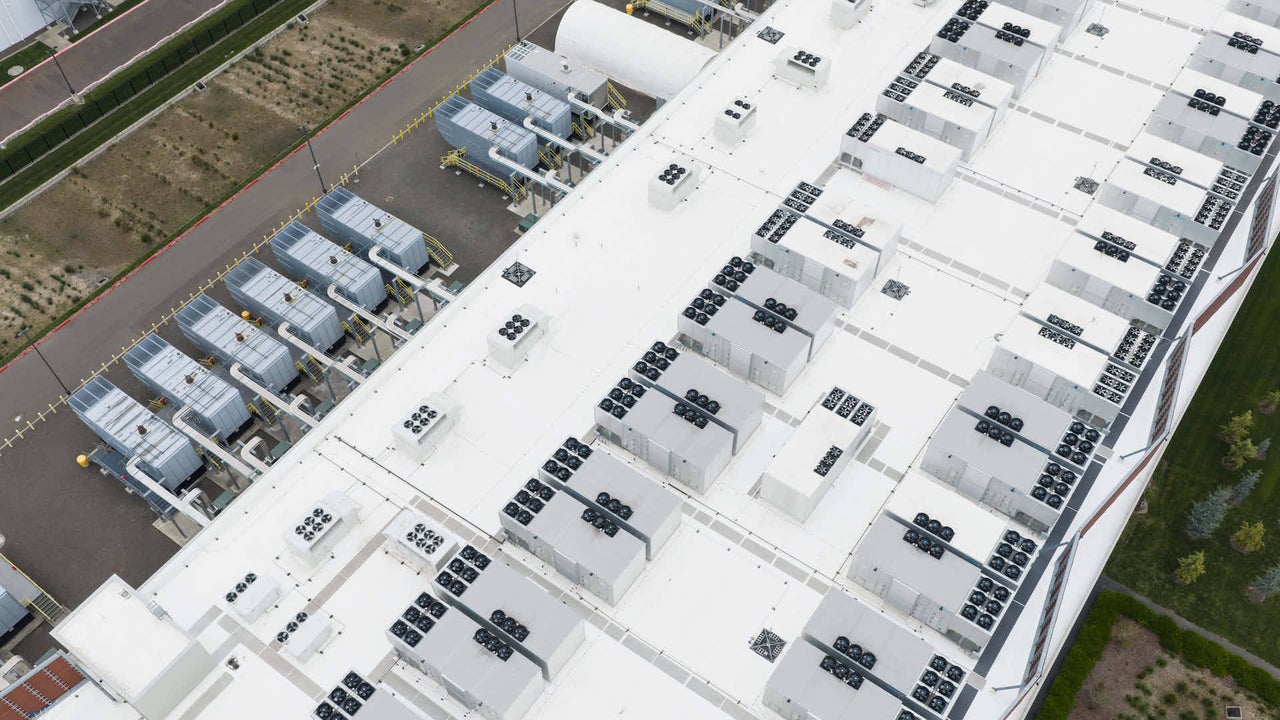
Regulators Approve Faster Grid Connections to Power AI Data Centers Amid Surging Demand
Federal regulators have unanimously approved a plan to accelerate grid connections for AI data centers, addressing their surging energy demands. While this move supports the U.S.'s tech competitiveness, it raises concerns about managing environmental impact and rising electricity costs. Tech giants commit to funding infrastructure upgrades and new power sources to meet demand sustainably.

Microsoft Partners with Alt Carbon Highlighting India’s Expanding Role in Carbon Removal
Microsoft has formed a partnership with Alt Carbon after a year-long scientific review process, underscoring India's increasing involvement in the carbon removal sector. Microsoft demanded rigorous verification and data transparency as part of the agreement, reflecting its commitment to environmental responsibility.

Why Embracing Vulnerability is a Powerful Leadership Strength
Amelia DeLuca, Delta's Chief Sustainability Officer, demonstrates how vulnerability in leadership can foster innovation and sustainability. By prioritizing environmental initiatives and organizational transformation, she supports Delta's growth with a genuine, forward-thinking leadership style.


New York Imposes One-Year Pause on New Large Data Center Projects
New York lawmakers have passed a one-year pause on new large data centers to evaluate their effect on the environment and energy resources. The law mandates an impact report on resource use and pollution from these centers before any further construction is allowed.