



The Reality Behind Sustainable Bioplastics: An Insider's Perspective
A bioplastics CEO exposes misleading sustainability claims common in the industry and shares insights on how consumers can identify genuine eco-friendly products.


Cross-Industry Leadership: Bridging Boundaries for Future Success
Modern leadership demands the ability to operate across industries, learning from varied sectors to address complex challenges. Drawing insights from diverse fields like luxury yacht building, leaders can create cohesive, innovative solutions that honor tradition while embracing change. Leadership education must adapt to foster this cross-industry fluency, preparing leaders to navigate interconnected ecosystems with ethics and long-term vision.


Amazon's Planned Texas Data Center May Become U.S.'s Largest Climate Polluter
Amazon's upcoming Texas data center is expected to house an on-site power plant that could become the biggest climate polluter in the U.S., sparking debates over environmental impact and corporate responsibility.


Trump Implements 15% Tariff on Polysilicon Imports to Strengthen US Tech and Renewable Industries
President Trump has imposed a 15% tariff on imported polysilicon to protect US supply chains in solar panel and microchip manufacturing from Chinese dominance. The tariff aims to strengthen American industries in AI and renewable energy by supporting domestic production, starting December 4.

Power Interruptions Possible for Data Centers Amid Strain on US Grid
As data center construction accelerates, US grid operators may implement temporary power outages to prevent blackouts, responding to the increased demand on power generation.

Queensland and NT Push Back on Labor’s Renewable Energy Mandate for AI Data Centres
Queensland and Northern Territory reject federal plans mandating renewable energy use for AI data centres, citing concerns over increased government control. S&P Global warns that electricity consumption by data centres could rise sharply by 2035, risking higher power bills due to timing gaps in renewable energy supply.


Antora Energy Secures $550M in Landmark Series C to Boost Thermal Battery Deployment for Data Centers
Antora Energy raised $550M in Series C funding to expand its thermal battery storage technology for data centers and industrial use. The innovative system stores electricity as heat, enabling reliable, clean energy delivery and faster deployment without reliance on critical minerals. This investment highlights growing support for cleantech amid rising energy demands from AI and industrial sectors.

Commonwealth Fusion Systems Secures $1 Billion to Advance Commercial Fusion Energy
Commonwealth Fusion Systems has raised $1 billion to support the development of its first commercial fusion power plant, advancing the startup's mission to deliver sustainable and clean fusion energy.

Crafting Clear and Credible Sustainability Narratives in a Dynamic Business World
Sustainability storytelling must be clear, credible, and tightly connected to real business drivers. By focusing on material issues and simplifying communication, companies can build trust and demonstrate how sustainability creates value through operational efficiencies and growth. A ‘‘back to basics’’ approach with focused commitments helps unify strategies and strengthen impact, ensuring sustainability is a true driver of business resilience.
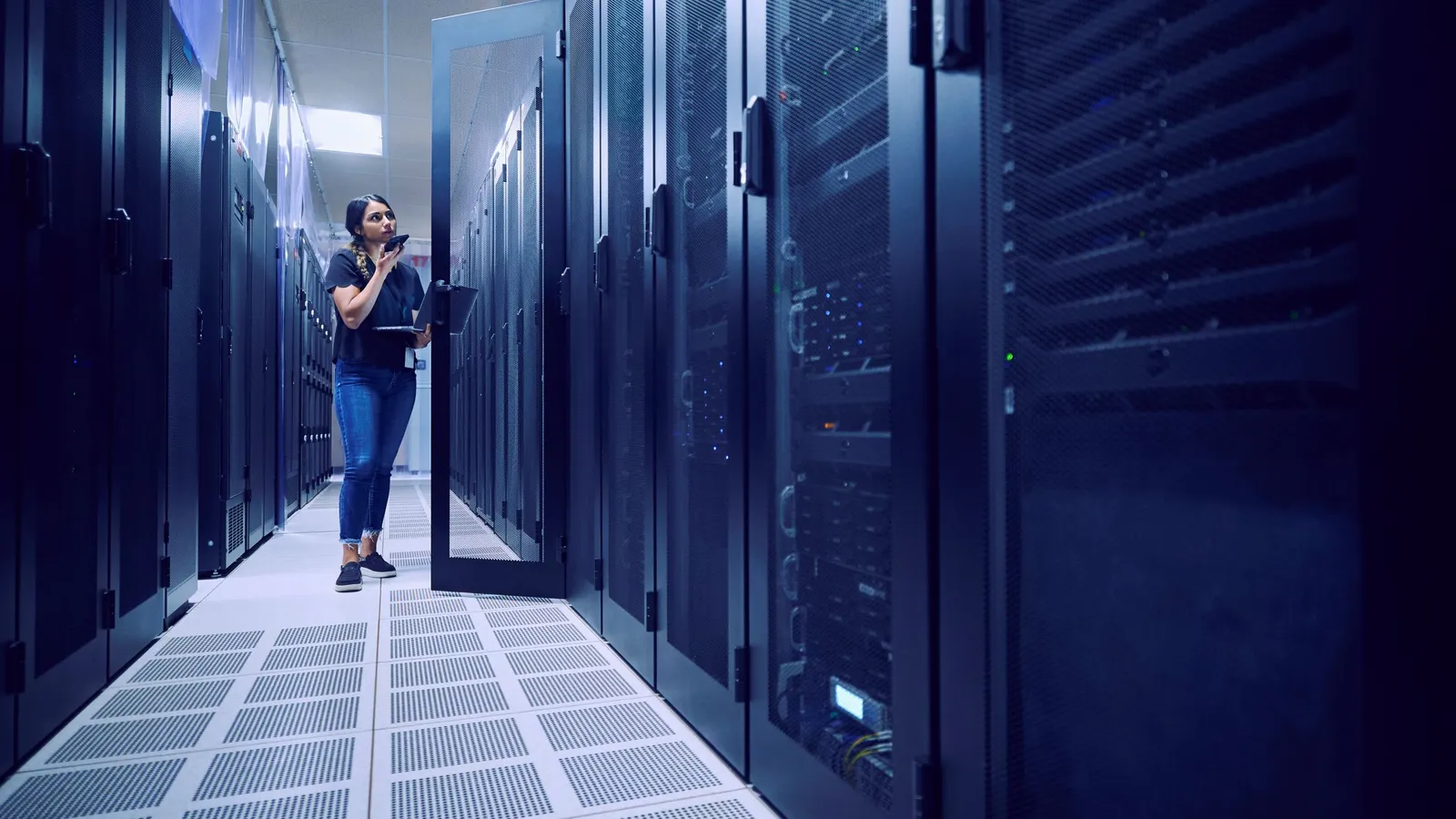

Marketers Grapple with AI's Hidden Environmental Impact
Most marketers recognize that AI usage boosts emissions, yet less than half are tracking its complete environmental impact, highlighting a significant gap in sustainability efforts within the marketing industry.

Meta Exits Renewable Energy Alliance Amid Growing Natural Gas Investments
Meta is shifting its energy strategy by ramping up natural gas investments and exiting a prominent renewable energy group, highlighting a move away from its earlier clean energy commitments.

This Startup is Pioneering How to Measure the Hidden Environmental Cost of Corporate AI
Watershed, a startup focused on tracking corporate emissions, offers a new method to estimate the environmental impact of AI usage amid growing demand from investors and regulators. Their framework enables companies to integrate AI emissions into sustainability reports despite the challenge of closed AI models lacking transparent energy data. This proactive measurement helps businesses reduce emissions and operational costs, preparing them for the increasing significance of AI's carbon footprint.

Electricity Demand from Data Centers Could Quadruple by 2035
Data centers are projected to increase their electricity consumption fourfold by 2035, with new facilities alone potentially matching the current electricity use of India by 2033. This sharp rise underscores the growing energy demands linked to digital infrastructure expansion.

UK Faces Water Shortages Threatening Datacentre Expansion, Industry Warns
The UK’s water industry warns that water shortages could obstruct the expansion of datacentres essential for AI growth. Cooling systems in datacentres consume large volumes of water, both directly and indirectly, and current government plans have yet to address these demands adequately, putting the future of AI development at risk.


Kevin O’Leary Compares Water Use of Data Centers and Golf Courses: There's More to the Story
Kevin O’Leary sparked debate by claiming AI data centers use less water than golf courses, referencing his Utah data center project. Though technically true, the water use comparison is nuanced with deeper complexities.

The Energy Impact of AI: What Every Business Must Understand
The rapid growth of AI technology is creating intense demand for electricity, water, and real estate, posing significant challenges to current global infrastructure. Businesses must understand the energy implications of AI to navigate this emerging crisis effectively.

Microsoft's Emissions Spike 25% in 2025, Expected to Climb Further with AI Expansion
Microsoft's emissions grew 25% in 2025 due to increased AI data center activity and reliance on fossil fuels. Despite aiming for carbon negativity by 2030, upcoming gas power projects may double its emissions. Critics highlight contradictions in the company’s sustainability efforts, including a new fossil fuel deal. Rising emissions are a broader tech industry issue, with companies like Google and Amazon also reporting increases linked to AI infrastructure expansion.

New York Enacts Historic Halt on Hyperscale Data Center Approvals
New York has introduced a groundbreaking one-year pause on permits for hyperscale data centers to address environmental and resource concerns. Governor Kathy Hochul’s executive order targets large facilities using 50 megawatts or more, commonly built by big tech companies for AI infrastructure. The pause allows time to develop uniform environmental standards amid rising community opposition and political debates ahead of Hochul’s reelection.
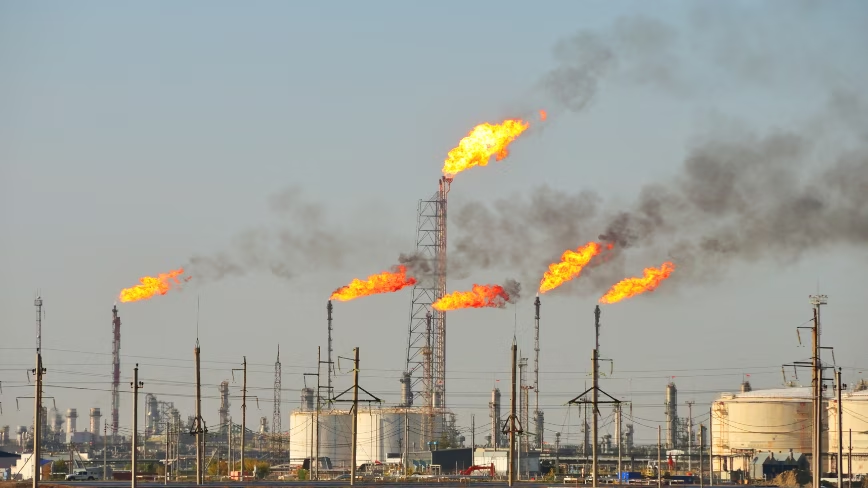
AI Sparks Unprecedented Surge in Natural Gas Power Plant Construction Amid Controversy
AI advancements have catalyzed an historic boom in natural gas power plant construction and extended the operational life of old coal plants, driven by collaboration among utilities, operators, and the federal government. This phenomenon marks a significant shift in energy infrastructure and raises critical debates around sustainability and energy policy.

Inside the Physical Reality of Tech: Reporting on AI's Vast Datacentres
The Guardian’s tech journalists are investigating how huge AI datacentres and energy infrastructures are shaping the AI revolution. Their work reveals the physical and environmental realities behind these projects, including false claims about renewable energy use, emphasizing that AI’s growth depends heavily on tangible, physical challenges.