


Why Pivoting Fails in a Declining Industry — Try Strategic Rotation Instead
When facing a declining industry, pivoting can be ineffective. Strategic rotation allows businesses to realign with emerging market demands, offering a more sustainable approach to growth and adaptation.


How to Encourage Honest Feedback from Employees
This article discusses strategies for leaders to foster an environment where employees feel comfortable giving honest feedback, including saying 'no' when necessary, to improve communication and decision-making.

8 Essential Tips for Crafting a Smart and Sustainable AI Strategy
Successful AI implementation requires clear objectives, a well-thought-out plan, and strict budget control to ensure sustainability and efficiency. This approach helps organizations navigate the complexities of AI adoption with confidence.

Why Starting Meetings on Time Boosts Productivity According to Science
Research confirms that starting meetings exactly on time leads to higher productivity. However, many meetings frequently fail to start as scheduled, which impacts their effectiveness.

Unlock Your Team's True Potential by Moving Beyond Labels
Many executives limit their team's effectiveness by adhering to outdated labels that cause division. Embracing a more unified approach enables unlocking the full potential of the workforce and drives business growth.

When Do Leadership Skills Peak? Surprising Insights from New Research
This article explores the age at which intellectual and leadership skills peak, revealing surprising scientific findings that challenge common assumptions.

Why Employees Are Managing Multiple Full-Time Jobs Without Detection
More employees are balancing several full-time jobs at once, often unnoticed by employers. This situation highlights challenges in employee management and oversight within organizations.


Survey Reveals How Cutting Middle Management Hurts Workplace Communication and Employee Engagement
Cutting middle management in companies can harm communication, trust, and employee engagement, says a Firstup survey. Employees depend on managers for support and leadership, and reducing these roles risks decreased productivity and morale.

JPMorgan Chase Unveils $3 Billion Headquarters Tower Transforming NYC Skyline
JPMorgan Chase has opened a new $3 billion, 60-story headquarters at 270 Park Avenue in NYC, surpassing the Empire State Building in height and featuring extensive office space for 10,000 employees. Designed by Norman Foster, the building replaces the Union Carbide Building and required complex construction over railroad tracks. This major investment reflects JPMorgan's commitment to the city and a return to in-office work post-pandemic.

Navigating the Complexity of Corporate Culture Change
Changing corporate culture is difficult and ineffective when attempted solely through top-down structural changes. True transformation occurs at the interpersonal level through leaders modeling desired behaviors, fostering new collective interpretations, and engaging directly with employees. This retail-level focus contrasts with wholesale top-down strategies and highlights the importance of leadership behavior in shaping culture.
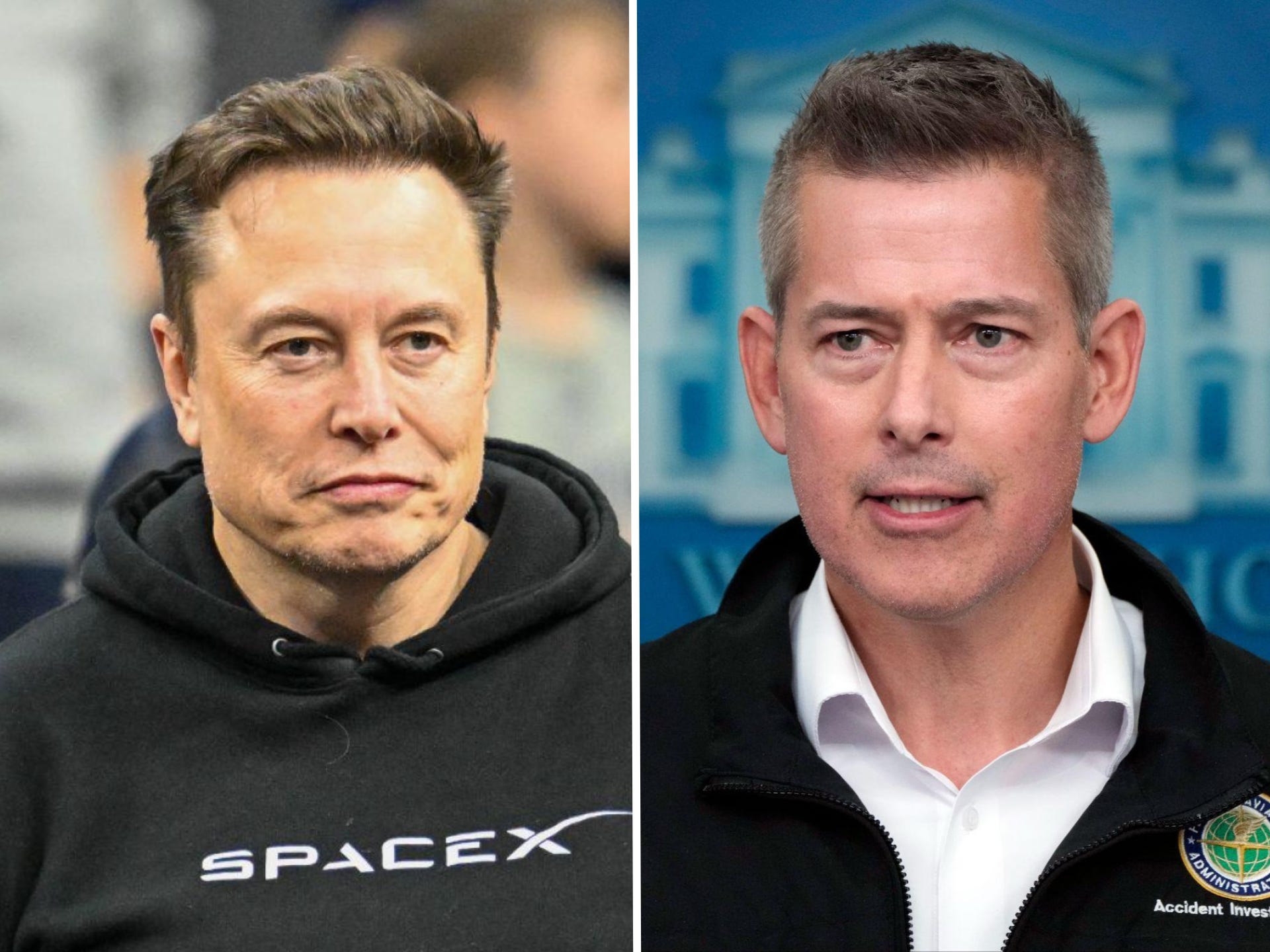

Elon Musk Criticizes Trump Official Amid NASA Leadership Dispute
Elon Musk has referred to a Trump official as a 'dummy' during an ongoing leadership dispute for NASA. The conflict involves Transportation Secretary Sean Duffy and Musk ally Jared Isaacman, as they vie for control over the agency's leadership.

David Zaslav Declines Paramount's Offer but Seeks Additional Bidders for Warner Bros.
Warner Bros. Discovery rejected a purchase offer from Paramount and is actively seeking additional bidders to explore the sale of some or all of the company, indicating ongoing strategic moves to find the best fit for its assets.

Maximizing the Impact of AI Tools in Strategic Planning
Leadership teams often use AI tools without a clear plan, expecting them to improve strategic planning by themselves. This guide highlights ways to leverage AI deliberately and effectively to enhance strategy development.


How Employee Ownership Fuels Environmental Leadership in Companies
Employee ownership significantly enhances corporate environmental sustainability by aligning employee motivation with company goals. This ownership model fosters a culture of shared responsibility and pride, driving superior environmental performance through active employee engagement in sustainability initiatives. Companies benefit from improved ecological impact, stakeholder relationships, and long-term commitment to green practices, presenting employee ownership as a powerful tool for achieving environmental excellence.

Gary Vaynerchuk on Shifting CEO Leadership from Intensity to Empathy
Gary Vaynerchuk discusses his leadership evolution from intensity to empathy, addressing the complexities of managing a family business and encouraging individuals to define success on their own terms.

How to Successfully Integrate After an Acquisition
Acquiring a company is straightforward, but the true difficulty is integrating the teams to create a unified and cohesive organization. Successfully blending different company cultures and employees is key to making the acquisition work.

Rising Workplace Aggression: Effective Strategies for Employers
Workplace aggression is increasing significantly, causing substantial financial losses of $2 billion daily for employers. Understanding and addressing this issue is crucial for creating healthier work environments and improving organizational outcomes.

How Intelligent Teams Leverage AI to Anticipate Market Trends
Intelligent teams surpass traditional quarterly reporting by leveraging AI technology to anticipate where competitors are headed, enabling proactive and strategic decision-making to stay ahead in dynamic markets.

Harnessing the Flywheel Effect: How Amazon Scales to a Trillion-Dollar Empire
This article explores how the flywheel concept is utilized by Amazon to foster continuous growth, explaining how this simple yet effective principle can be applied to business and personal development to build lasting success.

Why CEOs Are Turning to AI for Workforce Transformation
The evolving story of AI in business highlights increased productivity without the feared negative impact. The key concern is whether CEOs will avoid repeating past mistakes as they adopt AI technologies for workforce transformation.