


The Growing Distance of Leadership in Scaling Organizations
As companies expand, leadership naturally becomes more distant from day-to-day operations. To maintain trust and ensure cohesive teamwork, leaders must transition from direct oversight to creating alignment and shared vision throughout the organization. This shift can make leadership feel lonely but is essential for scaling success.

The Crucial Role of Timing Beyond Strong Fundamentals for Leaders
Leadership success today requires more than just solid fundamentals; understanding and leveraging the right timing can dramatically impact outcomes. This insight is crucial for leaders aiming to navigate complex and dynamic environments effectively.

The Hidden Cost of Restricting Top Talent: A Costly Oversight for Founders
Founders frequently underestimate how much it costs when they limit their best employees' roles. Underusing top talent not only wastes valuable skills but can also lead to multimillion-dollar losses for the business.

Top 5 Pitfalls That Cause Teams to Struggle
Effective teams require more than just strong leaders; they thrive on trust, strong interpersonal bonds, and mutual support among members. Without these elements, even capable teams can struggle to succeed.

How the Colorado River Reveals Organizational Self-Sabotage
The Tragedy of the Commons, illustrated by the Colorado River's depletion, highlights how organizations unintentionally erode their own sustainability through shared resource mismanagement. Recognizing this pattern is crucial for long-term success.


Box CEO Aaron Levie on Why Executives Often Overestimate AI’s Ease and Impact
Box CEO Aaron Levie highlights that many CEOs overestimate AI’s capabilities because they see only polished results, not the extensive work needed behind the scenes. He advises executives to actively use AI to grasp its real-world challenges and benefits, helping close the gap between AI’s excitement and its practical application.

Girls Who Code CEO Tarika Barrett on How AI Skepticism Empowers Young Women in Tech
Girls Who Code CEO Tarika Barrett reflects on the skepticism many young women have toward AI, viewing it as a strength that promotes thoughtful use. The organization adapts to changing definitions of coding, emphasizing computational thinking and ethical technology use. Barrett discusses the AI gender gap, barriers women face, and the importance of mentorship in keeping diverse voices at the forefront of AI development, warning that rapid AI progress could alienate future talent if inclusion is overlooked.


Dropbox Founder Drew Houston Steps Down as CEO After 19 Years Amidst Rising Competition
Drew Houston, co-founder of Dropbox, is stepping down as CEO after 19 years of leadership. Ashraf Alkarmi, head of product, will become co-CEO while Houston moves to executive chairman. This change comes as Dropbox faces increased competition from tech giants like Google and Apple.


4 Phrases That Reveal Your Company's True Work Environment—Are They Driving Talent Away?
Certain common workplace phrases can indicate a toxic company culture that repels top talent. Recognizing and addressing these language cues can help improve employee retention and workplace environment.

The Hidden Costs of Leadership's Delayed Decisions on Team Transparency
Delaying decisions in leadership fosters a culture of problem concealment within teams, which undermines trust, slows down issue resolution, and ultimately hampers organizational effectiveness.

7 Subtle Indicators Your Company Culture May Be Deteriorating
Effective company culture grows from the small, consistent actions within a workplace rather than relying solely on official mission statements. Recognizing subtle signs of cultural decline early can help leaders take proactive measures to restore a healthy environment.

Avoiding Superficial AI Adoption: Focusing on Real Impact
Many companies celebrate AI usage as success, but focusing on activity over tangible outcomes creates a false sense of progress known as "trophy-style" AI adoption. True value comes from aligning AI use with business goals, focusing on real impact rather than superficial engagement. Leaders must prioritize meaningful metrics tied to organizational success to fully realize AI's benefits.

Google CEO Sundar Pichai on AI's Role in Leadership and Decision-Making
Google CEO Sundar Pichai explains that while AI is transforming workplaces and enhancing decision-making, the role of a CEO remains focused on steering the company forward. AI, now generating 75% of Google's code, is reshaping job functions without removing the need for leadership. Pichai also acknowledges societal concerns around AI and highlights the approaching era of artificial general intelligence, urging preparedness for this transformative change.

Nvidia CEO Jensen Huang Criticizes Using AI as an Excuse for Layoffs
Nvidia CEO Jensen Huang criticizes leaders who attribute layoffs solely to AI advancements, calling the excuse "lazy." He stresses AI's recent productivity and urges workers to embrace the technology to enhance their jobs instead of fearing it. Huang advocates a balanced discussion on AI’s role in employment changes.


Ask Sanyin: How Can I Show My Visionary Leadership More Clearly?
To be seen as a visionary leader, it’s essential not just to think strategically, but to actively communicate your future-focused hypotheses and insights. Boards value those who connect present realities with future possibilities, embrace ambiguity, and demonstrate ongoing reflection and adaptation. Making your strategic thinking visible distinguishes you as a visionary and strengthens your leadership candidacy.

Anthropic's Chris Olah Highlights the Need for Broader Leadership in AI Development at Vatican Event
Christopher Olah, Anthropic's co-founder, emphasized at a Vatican event that AI development should not be guided solely by AI laboratories due to conflicting incentive structures that may shift focus away from ethical practices and societal benefit.
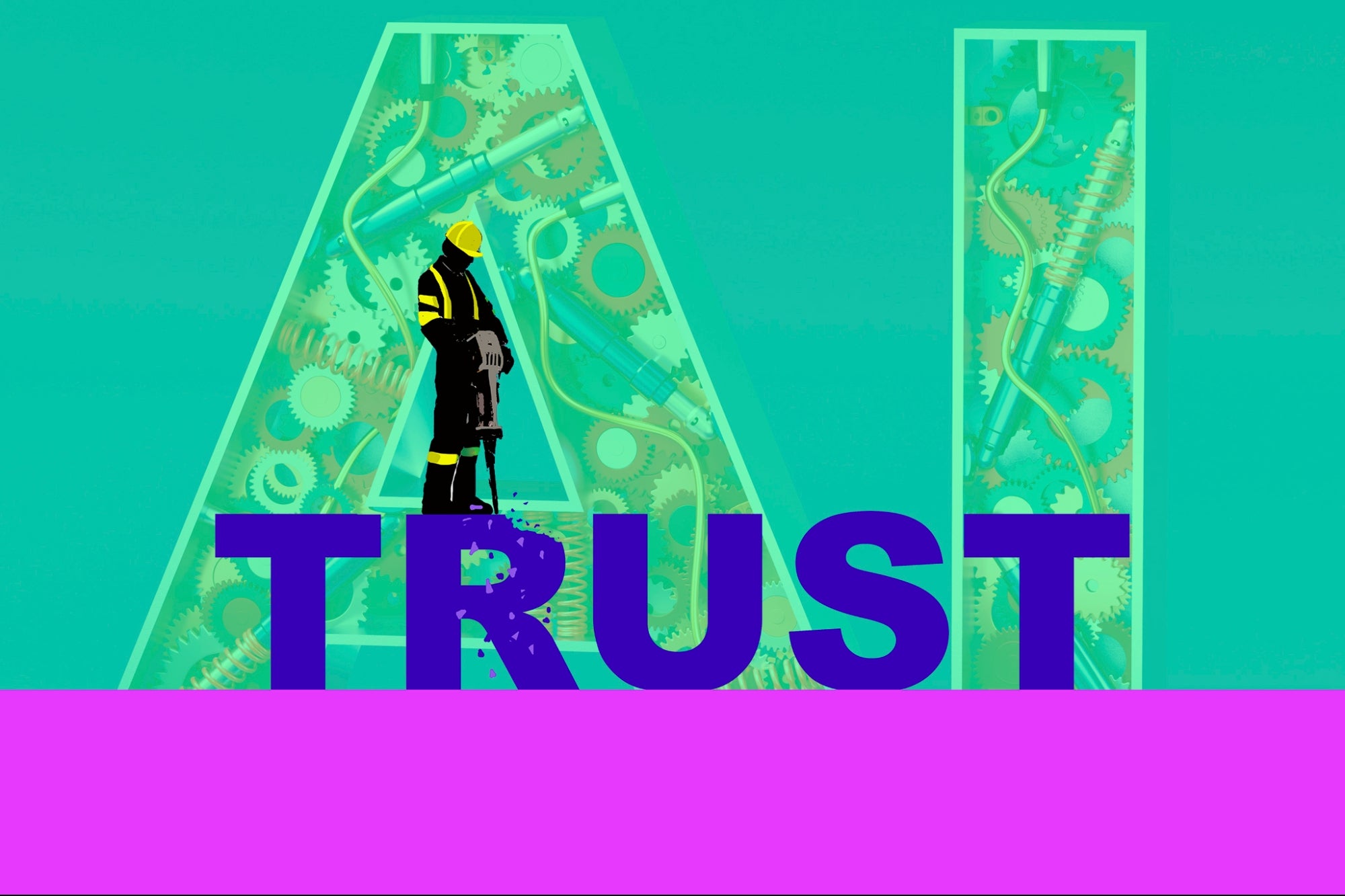
Maintaining Trust During AI Transitions: A Clear Communication Approach
During AI transformations, trust is often lost not because of technology but due to leaders failing to communicate clearly and openly. Providing context and clarity is essential to maintaining employee confidence and driving successful change.

Common Communication Errors That Damage Leadership Credibility
Leaders often lose credibility quickly when they rely on corporate jargon instead of clear and honest communication. Effective leadership depends on being understood and building trust through simple, direct messaging that resonates with employees.

Why Delaying Feedback Harms Business Performance
Managers often hesitate to provide immediate feedback, but postponing important conversations can lead to more significant issues and costs for businesses. Prompt and clear feedback helps prevent misunderstandings and fosters a healthier work environment.

Why Leaders Must Adopt Smarter Decision-Making Strategies
Leadership roles come with increased responsibilities but often lack clear guidance, causing confusion despite promotions or raises. Developing a solid decision-making framework is crucial for effective leadership.