


MemRL Surpasses RAG in Complex Agent Tasks Without Fine-Tuning
MemRL is an innovative framework enabling AI agents to learn continuously without fine-tuning by using episodic memory and reinforcement learning. It outperforms existing methods like RAG on complex tasks, adapts to new situations efficiently, and integrates seamlessly into current systems, marking a major advancement for dynamic, self-improving AI applications.


Adobe Elevates Premiere Pro with Advanced AI Editing Tools
Adobe's latest update to Premiere Pro, revealed at Sundance 2026, introduces AI-enhanced features like Object Mask for quick subject isolation and faster Shape Masks with 3D tracking. Collaborations improve with Firefly Boards and Frame.io V4 integration, making Premiere Pro a more powerful and efficient tool for creators.

How LinkedIn’s Multi-Teacher Distillation Transformed Job Recommendations
LinkedIn upgraded its AI recommender system by moving beyond simple prompting to develop a multi-teacher distillation approach. By fine-tuning large models with detailed product policy and combining specialized teacher models for policy and click prediction, LinkedIn created an efficient, high-quality recommendation system. This innovation also redefined collaboration between product managers and engineers, setting a new standard for AI development at LinkedIn.


2026: The Rise of the ‘Hectocorn’ – Tech Giants Eye $100 Billion IPOs
Several major tech companies including OpenAI, Anthropic, SpaceX, and Stripe are expected to launch IPOs in 2026 with valuations surpassing $100 billion, ushering in the year of the ‘hectocorn’.


Todoist Introduces Voice-Powered Task Creation with AI
Todoist has launched a new voice-enabled feature that allows users to add tasks and action items by speaking directly to the app's AI. This innovation simplifies task management, making it more intuitive and efficient by using natural language commands.

Apple to Revamp Siri into an AI Chatbot Similar to ChatGPT
Apple plans to upgrade Siri from a basic voice assistant to a sophisticated AI chatbot similar to ChatGPT, enhancing its interactive capabilities across Apple products.

Anthropic Updates Claude's Guidelines, Suggests Emerging Chatbot Awareness
Anthropic has updated Claude's guiding principles to improve safety and usefulness in chatbot interactions, hinting at the possibility of advancing chatbot consciousness. The new framework serves as a roadmap for developing more responsible and intelligent AI systems.

Hallucinated Citations Discovered in Papers from NeurIPS, a Leading AI Conference
Startup GPTZero reveals a pressing issue confronting elite AI conferences like NeurIPS: papers containing fabricated citations. This phenomenon points to the broader challenge of upholding academic integrity as artificial intelligence tools become more prevalent in research.

OpenEvidence Valued at $12 Billion Following Thrive and DST-Led Funding Round
OpenEvidence's valuation has surged to $12 billion after a new funding round led by Thrive and DST. The medical information database has doubled its worth since October, maintaining growth despite rising competition from model makers.

YouTube to Enable Creators to Generate Shorts Using Their AI Avatars
YouTube plans to introduce a feature that allows creators to make Shorts using AI-generated versions of themselves, enhancing viewer engagement with innovative digital avatars.

OpenAI Plans to Launch First Hardware Device, Possibly Earbuds, by 2026
OpenAI is set to announce its inaugural hardware product in the second half of this year, with a possible launch in 2026. The device might be earbuds, signaling OpenAI's expansion from software to hardware.

Adobe Acrobat Introduces AI-Powered Features for Editing and Summarization
Adobe Acrobat now features AI tools allowing users to edit documents with prompts, generate podcast summaries, and create presentations, streamlining workflow and enhancing creativity.


Apple Developing Compact AI Wearable Similar to AirTag
Apple is working on a compact AI wearable, akin to an AirTag, with advanced sensors and cameras to monitor the environment. The device, featuring a sleek design and wireless charging, is expected to launch around 2027.
Anthropic Releases Updated 'Claude's Constitution' to Guide AI Ethics and Behavior
Anthropic has updated Claude's ethical guidelines into a detailed 57-page constitution, focusing on helping the AI understand the rationale behind its behaviors. This document outlines Claude’s core identity and ethical principles, particularly emphasizing how to balance conflicting values responsibly, marking a significant step toward more transparent and thoughtful AI conduct.


Salesforce CEO Marc Benioff Criticizes AI Industry for Prioritizing Growth Over Ethics
Marc Benioff, CEO of Salesforce, warns that AI technology is being pushed to dangerous extremes, including models acting as 'suicide coaches.' He urges for new, strict regulations to ensure ethical development and use of AI, criticizing the tech industry's focus on growth at any cost.

Partnering with Khan Academy to Enhance AI-Driven Learning Experiences
Khan Academy is launching new AI-driven learning tools powered by Google's advanced Gemini models, designed to deliver personalized education and improve learning outcomes globally.
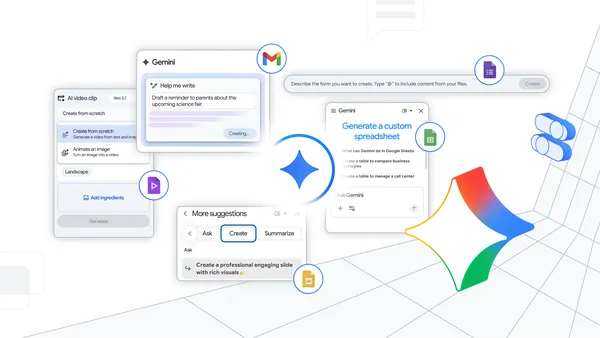
Expanding Access to Premium Google AI Features for Educators and Students
Google is making premium AI-driven Workspace tools more accessible to educators and students without additional fees, enhancing educational interaction and efficiency. The company also offers resources to help all Education users utilize these tools to their full potential.


Emerging Trends in Medtech for 2026: Innovation Meets Regulation
Medtech in 2026 will be characterized by growing adoption of femtech and AI-powered wearables, reflecting a balance between innovation and regulatory compliance to improve healthcare outcomes.
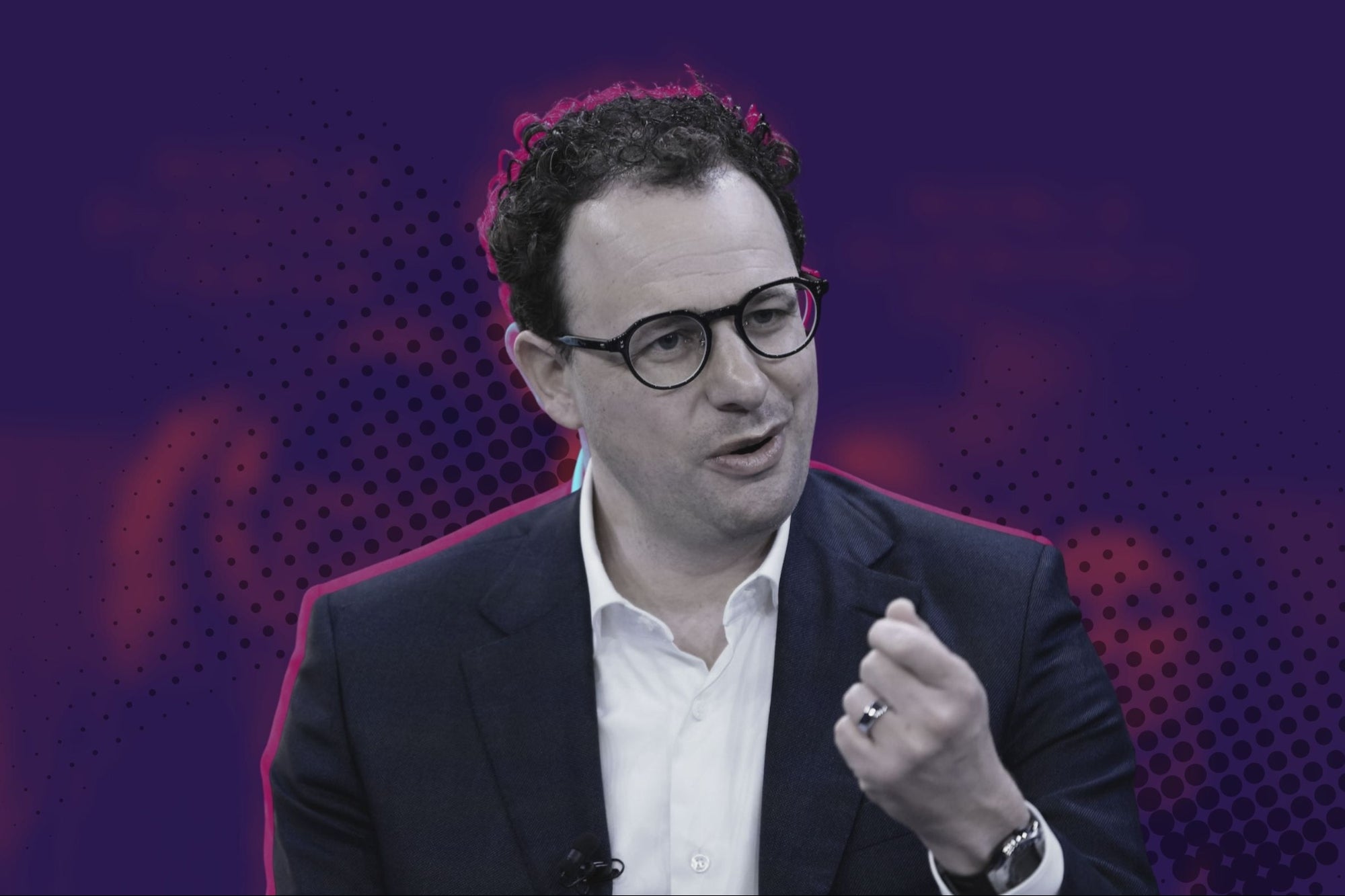

Anthropic CEO Predicts AI Will Replace Software Engineers Within a Year
Dario Amodei, CEO of Anthropic, warned at the World Economic Forum that AI might replace software engineers within the next 6 to 12 months, signaling a major shift in the technology landscape and workforce dynamics.


Amazon Unveils AI Health Assistant Integrating Personal Medical Data
Amazon's new AI assistant in the One Medical app leverages personal health data to deliver tailored medical advice and streamline healthcare management, reinforcing Amazon's expanding role in healthcare service delivery. The AI tool is designed to assist, not replace, human medical professionals to ensure safe and accurate health guidance.