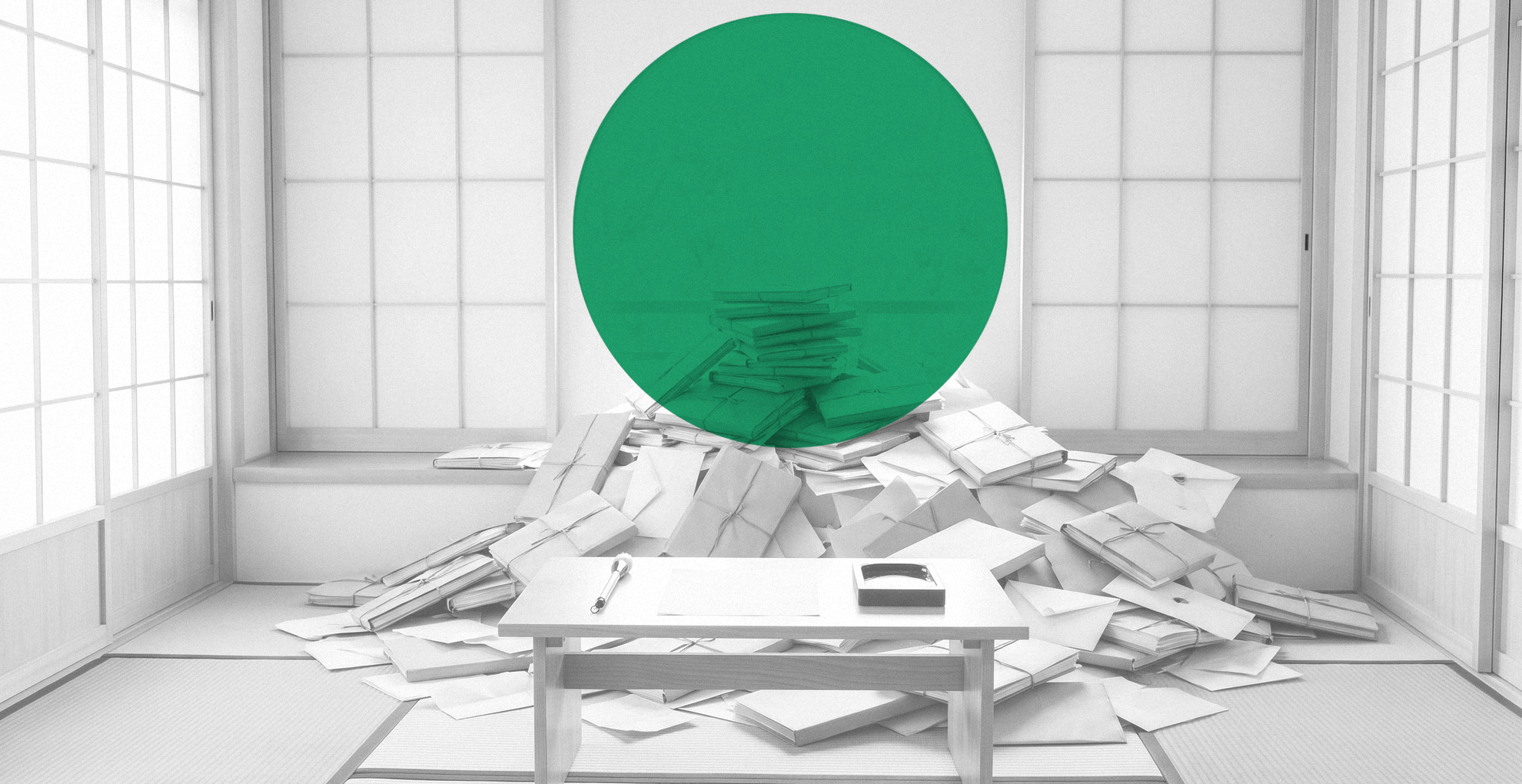

I’ll never forget the frustration when someone said, “This meeting could’ve been an email.” We’d sat through an hour-long project update that could’ve been a few bullet points. Everyone just nodded along, waiting for it to end — and it felt like a complete waste of time. That hour lost added to my late-night work backlog on the couch.
It makes you wonder: Should we ditch these meetings completely and just rely on emails? What’s the real value of a meeting if it doesn’t serve us?
The truth is, meetings don’t have to be formal affairs in a conference room. In healthcare, manufacturing, or retail, meetings might be quick pre- or post-shift huddles. For remote or cross-time-zone teams, asynchronous tools like shared documents or video updates can keep communication flowing without a live meeting.
But beyond setting meeting styles, how you engage matters most. Active listening and thoughtful planning are key.
Managers can use a “Pause-Consider-Act” method to reshape meetings: pause to reflect on the frequency and purpose, consider the goals and your team’s needs, then act to create structured, actionable sessions with shared agendas and clear next steps.
Effective meetings aren’t just about efficiency — they build connection and clarity, showing the team how their work fits into the bigger picture. When done right, people won’t dread meetings but instead leave feeling heard and energized, saying, “That was actually a really good meeting.”
Adapted from “The Manager Method: A Practical Framework to Lead, Support, and Get Results” by Ashley Herd (Hay House Business, 2026).