


The Key to Entrepreneurial Success: Transitioning from Operator to Leader
Entrepreneurs often struggle with working too hard while gaining little leverage. The crucial step is evolving from being an operator involved in day-to-day tasks to becoming a leader who strategizes and leverages resources for greater impact and growth.


Mastering the Art of Crisis Leadership: Building Resilient Organizations
Effective crisis leadership depends on developing seven core capabilities—the 7C's—that mature from reactive responses to strategic resilience. Diverse leaders' insights and real-world examples, such as JPMorgan Chase's 2023 response, show that strong preparation, clear communication, coordinated action, and a supportive culture enable organizations to withstand and grow from crises.


Yum Brands and WPP Explore Practical Uses of AI as Technology Advances
During the IAB’s Public Policy & Legal Summit, Yum Brands and WPP officials highlighted their approaches to implementing AI technologies in their business practices amidst ongoing advancements in the field.
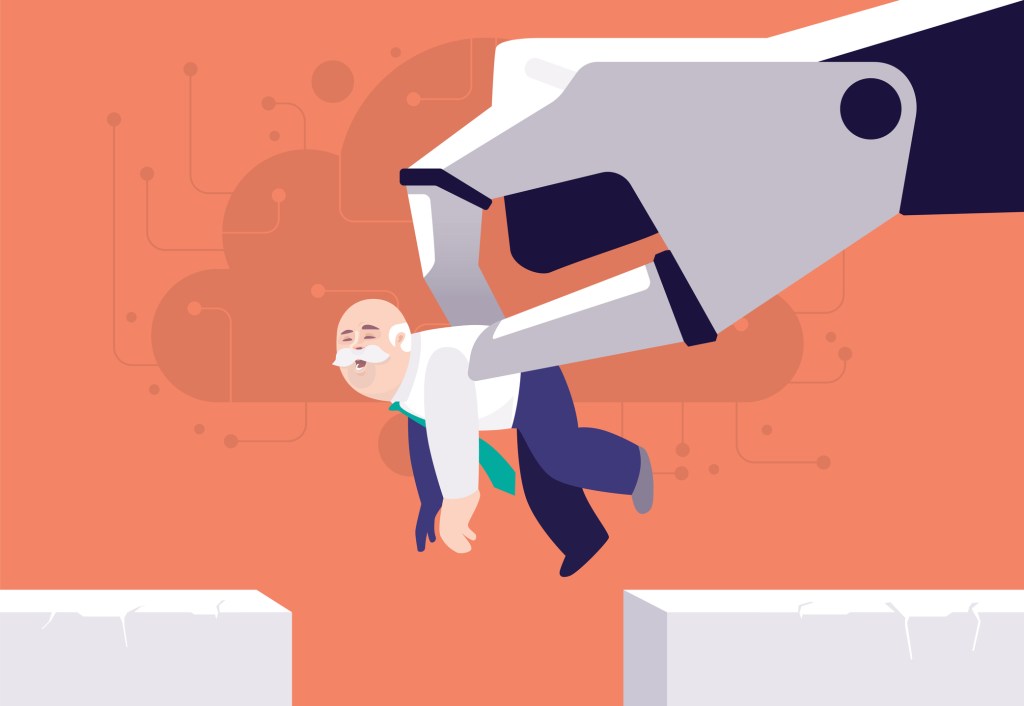

15% of Americans Open to Having AI as Their Manager
A notable portion of Americans are willing to work under AI management as companies adopt AI to reduce middle management layers, a phenomenon called "The Great Flattening." This marks a significant change in workplace hierarchy and management styles.


Okta CEO Todd McKinnon Embraces AI Agent Identity Amid SaaSpocalypse Concerns
Okta CEO Todd McKinnon discusses the company's strategic pivot to manage AI agent identities amidst fears of SaaSpocalypse, emphasizing new security models, organizational agility, and the vast market potential for AI-powered digital workers. He highlights the importance of trust, standards, and leadership in navigating AI’s impact on enterprise software and cybersecurity.


Why Nvidia's CEO Jensen Huang Avoids One-on-One Meetings with His 60 Direct Reports
Nvidia CEO Jensen Huang employs a unique leadership style by forgoing standard one-on-one meetings with his many direct reports. This deliberate choice reflects a distinctive management approach aimed at fostering efficiency and innovative communication within the company.

How Executive Leadership Requires a Unique Approach to Discipline
Effective leadership at higher executive levels requires a shift from micromanaging details to making intentional, strategic decisions. This approach ensures better judgment and alignment with organizational goals.

Handling PR Crises: When to Engage Online and When to Contact the Media
Successful crisis management hinges on knowing when to address issues through digital channels versus traditional media. Distinguishing the right approach helps in efficiently managing reputation and mitigating damage during a PR crisis.

Why Just Matching Skills to Roles Doesn't Create a Winning Company
A successful company is built not by just aligning roles to skills but by encouraging people to enhance the company’s strategy. This strategic involvement drives real competitive advantage, moving beyond role fit alone.

The Real Challenge in Remote Work: Enhancing Managerial Skills
A recent study highlights that remote work challenges stem primarily from inadequate management rather than the remote setup itself. Improving managerial training is crucial for the success of remote teams.

Why Melinda French Gates Swears by the 48-Hour Feedback Rule
Melinda French Gates highlights the critical importance of timely feedback in leadership, advocating for delivering it within 48 hours to ensure clarity and enhance personal and professional development.

Mina Haque’s Unique Approach to Leading Tony Roma’s with Brain Science
Mina Haque, formerly an attorney, has become the CEO of Tony Roma’s and is using brain science principles to transform how the brand markets and sells its ribs, blending neuroscience with business strategy to innovate in the restaurant industry.


Leadership Lessons from Gen Z Founders on Gaining Respect at Work
Gen Z founders leverage unique internship experiences to build leadership styles centered on ownership, impact, and transparency. Despite youth and skepticism from others, they balance humility with confidence, using mentorship and innovation to command respect in the workplace.

Balancing AI Use in Management: Harnessing Its Strengths Without Losing Judgment
AI can accelerate managerial tasks like data gathering and drafting, but overreliance risks dulling critical human judgment vital for decisions involving emotions and trust. Effective leaders use AI for routine work, critically evaluate its suggestions, and safeguard their own decision-making through reflection and challenge. Thriving with AI means blending its speed with human insight.

CMOs Face Workload Challenges Amid Declining Confidence in Marketing Teams
A recent report reveals that despite improved budget satisfaction among CMOs since June, less than half feel confident that their marketing teams will be adequately prepared by 2026. This points to rising workload challenges and concerns about team effectiveness within marketing departments.


How AI is Transforming Software Development: Empowering Product Managers to Ship Code Directly
AI-driven automation has reduced the cost of software implementation so drastically that product managers and designers now directly build and ship features, bypassing traditional coordination bottlenecks. This shift is accelerating development velocity, flattening organizational structures, and fostering greater ownership across teams, heralding a new era where everyone contributes to shipping software.

Why Speaking Up at Work Can Boost Your Career
Waiting for your work to get noticed might not be enough—actively promoting yourself can help highlight your contributions and advance your career.

Breaking the Silence: Fighting for Safer Work Environments
This piece highlights the dangers of silencing harassment complaints and the impact of weak policies on creating legal risks. It offers guidance for business owners on fostering safer work environments to protect employees and reduce liability.

The Risks of Calling Your Workplace a 'Family'
Using the term 'family' to describe your workplace can create expectations that are difficult to fulfill, potentially causing misunderstanding and dissatisfaction among employees. Choosing metaphors thoughtfully is crucial in maintaining clear and realistic workplace dynamics.

The Silent Struggles of Founders: 4 Strategies to Safeguard Your Mental Well-being
Founders often face isolation while building their businesses. This piece highlights the silent challenges founders endure and offers four practical strategies to help protect their mental health and maintain balance.