

How AI Will Take the Lead and Revolutionize the Workplace This Year
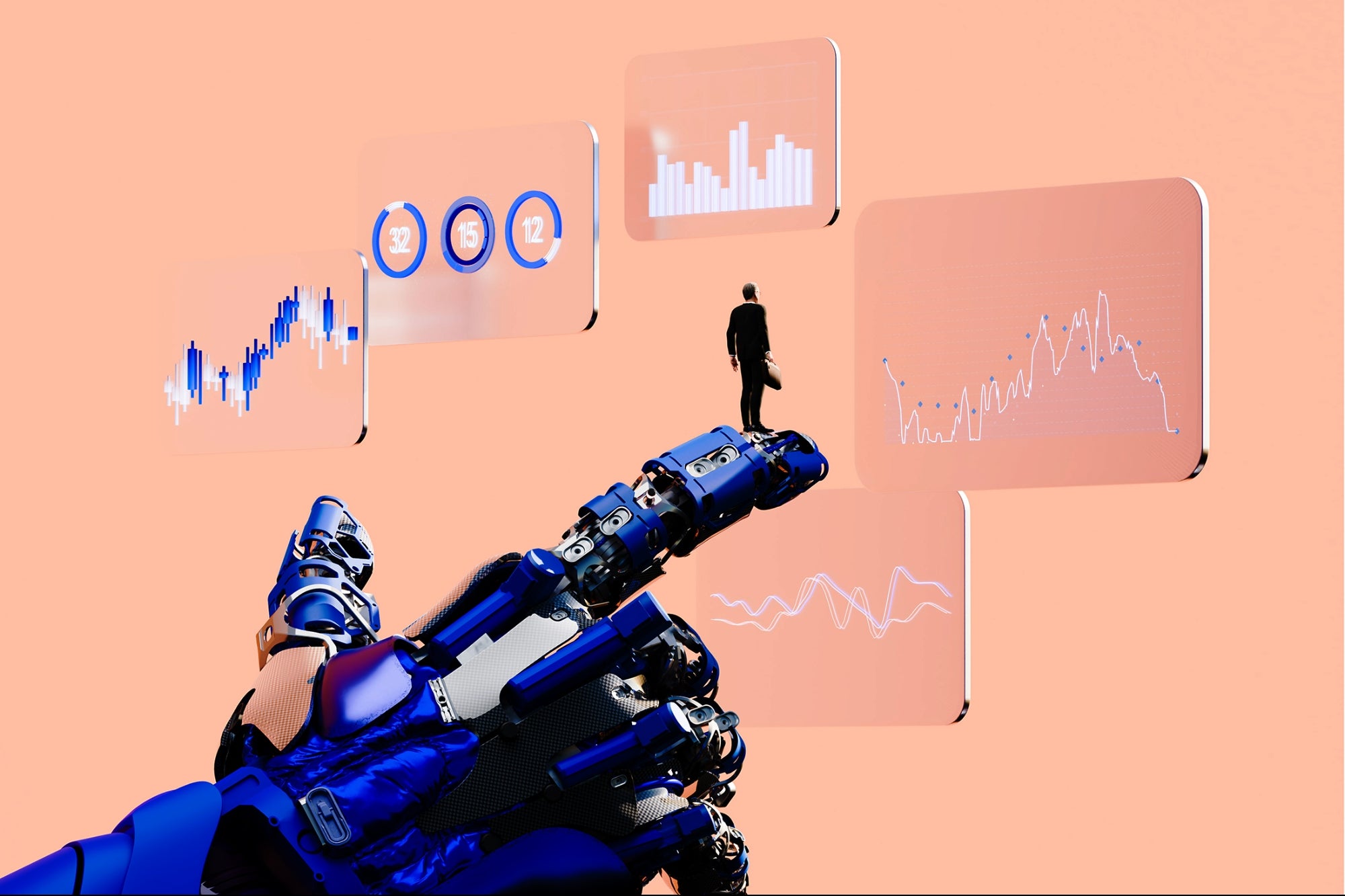
In 2024, success with AI won't be about quantity but quality—companies that harness AI to lead and innovate will outpace others, marking a shift in how AI influences the workplace.


How Leaders Leverage Transparency for a Strategic Edge
Leaders gain a strategic advantage by fostering trust through transparent communication, disciplined messaging, and proactive reputation planning, preparing their organizations for resilience before any test of trust occurs.

Why Clear Accountability Matters More Than Organizational Charts
An organizational chart provides structure but doesn't guarantee accountability. Success depends on individuals owning critical outcomes, not just their positions on a chart.


How Guideline’s Early Choices Led to Its Gusto Acquisition
Guideline revolutionized retirement solutions for SMBs and was acquired by Gusto after ten years. Co-founder Kevin Busque reveals how early strategic decisions drove this achievement, highlighting the importance of pivotal moves in startup success.


Redefining Trust in the Age of AI
As AI reshapes leadership credibility, new trust rules emerge: visibility isn't enough, generational preferences differ, transparency in AI use is crucial, silence can be strategic, and genuine accountability wins. Effective leadership now demands disciplined, value-driven communication over mere presence.


Sam Altman Steps Down from Helion Board as Companies Negotiate Power Deal
OpenAI's CEO, Sam Altman, is leaving his position as board chair at Helion amid talks for Helion to sell a portion of its fusion power to OpenAI. This strategic move highlights collaboration in clean energy sourcing for AI operations.


Mark Zuckerberg Develops AI Assistant to Support Meta's Executive Tasks
Meta's CEO, Mark Zuckerberg, is developing an AI assistant to enhance his executive functions by providing rapid access to information beyond typical hierarchical communication channels, signaling a move toward AI-supported leadership.

Reddit CEO Commits to Hiring New Graduates Amid AI-Driven Growth
Reddit's CEO, Steve Huffman, revealed plans to ramp up hiring of recent graduates as the company focuses on using AI to create new products rather than cutting down its workforce. This approach highlights Reddit's commitment to growth and innovation driven by advanced technology.

Eliminating Bottlenecks: Empowering Growth in Your Business
Effective systems reduce founder burnout and bring clarity, enabling businesses to scale smoothly without adding unnecessary bureaucracy.
The Hidden Cost of Excellence: Understanding Burnout Among Top Performers
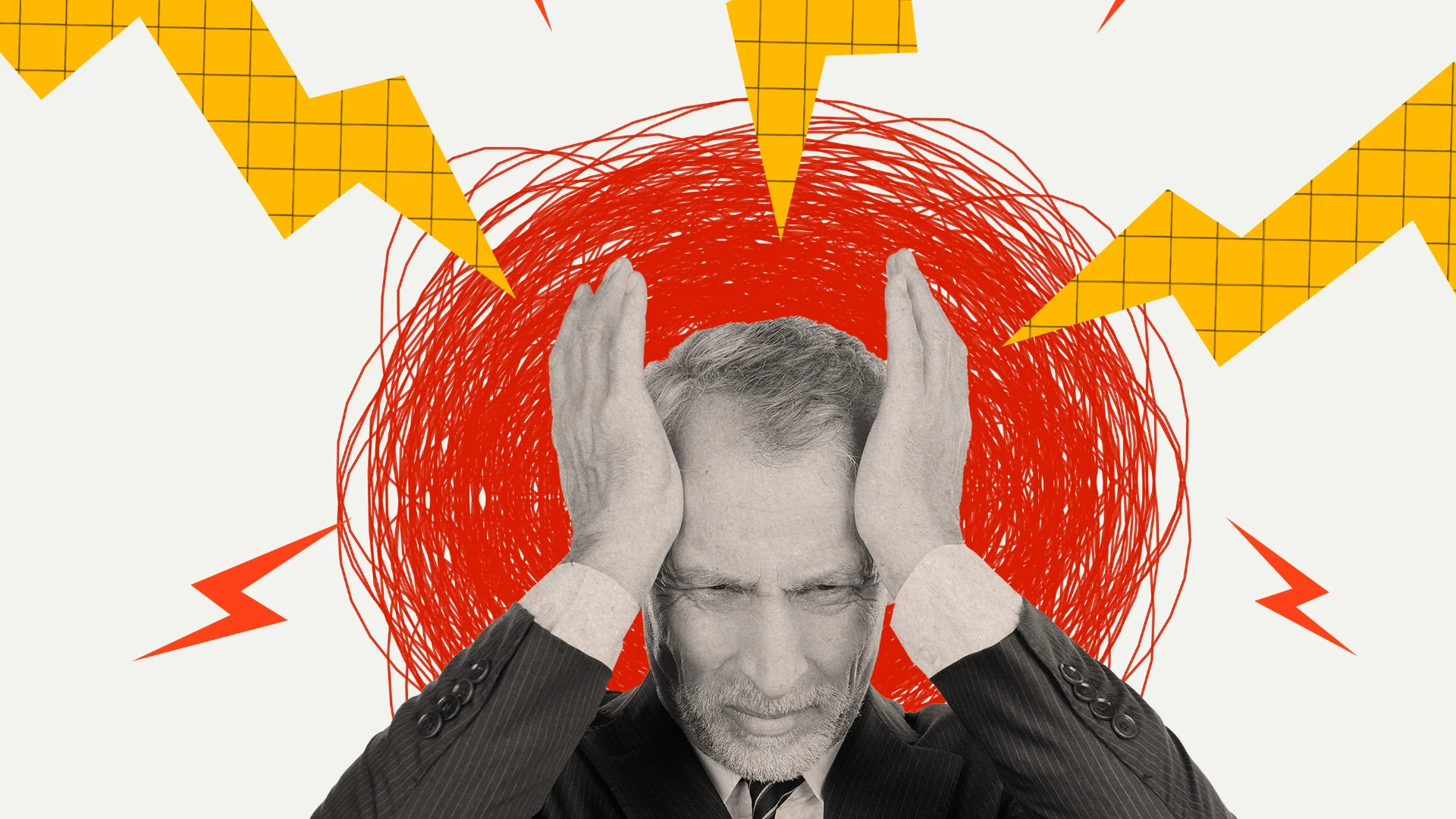
Top performers often face burnout due to intense pressure and high expectations. This article delves into the reasons behind this trend and offers guidance on identifying burnout early to maintain a healthy, productive work environment.

Effective Leadership and Risk Management
This article explores how successful leaders interpret and manage risk more effectively than many companies, providing insights into strategic risk handling that drives better decision-making and outcomes.

How to Effectively Prepare Your Children for Business Succession
Business-owner parents must consider key questions when planning to pass their company to their children, ensuring a smooth and effective transition of leadership.

Google CEO Sundar Pichai’s Vision for Gemini as the Future of AI
Google CEO Sundar Pichai responds to ChatGPT's breakthrough by unifying Google's AI teams and launching Gemini 3 Pro, a powerful AI model integrated across Google's products. Through strategic infrastructure investment and measured feature rollouts, Google aims to lead AI innovation while maintaining user trust and commercial viability.

Why Only 7% of Leaders Excel by Balancing High Expectations with Genuine Care — and How Their Teams Thrive
Only 7% of leaders balance high expectations with genuine care, a combination proven to boost team performance and engagement significantly. Consistency in applying both qualities fosters trust, accelerates decision-making, and drives exceptional results. Leaders at all levels benefit from honest self-assessment and team feedback to develop this rare but impactful leadership style.


The Revival of the Generalist in the Age of AI-Driven 'Vibe Work'
AI is reshaping the workplace by transforming generalists into vital connectors who leverage AI to handle diverse tasks effectively. They act as a trust layer by identifying AI errors and collaborating with specialists, enabling teams to work more efficiently. Success in the AI era depends on curiosity, critical thinking, and clear organizational oversight to turn AI-driven "vibe work" into dependable results.


Why Leaders Lose Influence in Critical Meetings and How to Regain It
Leadership communication in high-stakes meetings often falters because leaders rely heavily on their preferred thinking styles under pressure, unintentionally creating confusion and disengagement. Recognizing and adjusting these patterns—such as clarifying decision processes or inviting input—can build trust and help drive better outcomes when it matters most.


Larry Fink Warns AI Growth Could Exacerbate Wealth Inequality
BlackRock CEO Larry Fink warns that while AI grows rapidly, its financial benefits may be limited to a few major firms and investors, potentially increasing wealth inequality. He emphasizes AI's central role in global strategic competition and the risks that come with its swift expansion.

How to Support Your Team Through Workplace Anxiety
Effective communication and support in the workplace are crucial during times of uncertainty. By fostering an environment of safety and understanding, leaders can help reduce anxiety and strengthen team cohesion.

The Power of Long-Term Thinking in Leadership During Times of Change
Leaders adopting a long-term perspective, thinking in terms of decades rather than quarters, gain a strategic advantage in managing disruptive changes effectively.

The Rise of the AI-Empowered Generalist in the Era of 'Vibe Work'
AI is transforming the traditional generalist role by enabling workers to handle a wider range of tasks with the help of AI, positioning generalists as crucial trust layers who verify AI outputs and bridge expertise gaps. This shift reshapes teams, hiring, and work practices, emphasizing curiosity, critical thinking, and human judgment alongside AI use for sustainable productivity.