


What Really Drains Creative Teams? It’s Not Burnout
Creative teams often lose motivation not because of burnout, but due to an overlooked missing element that affects their engagement and creative energy.
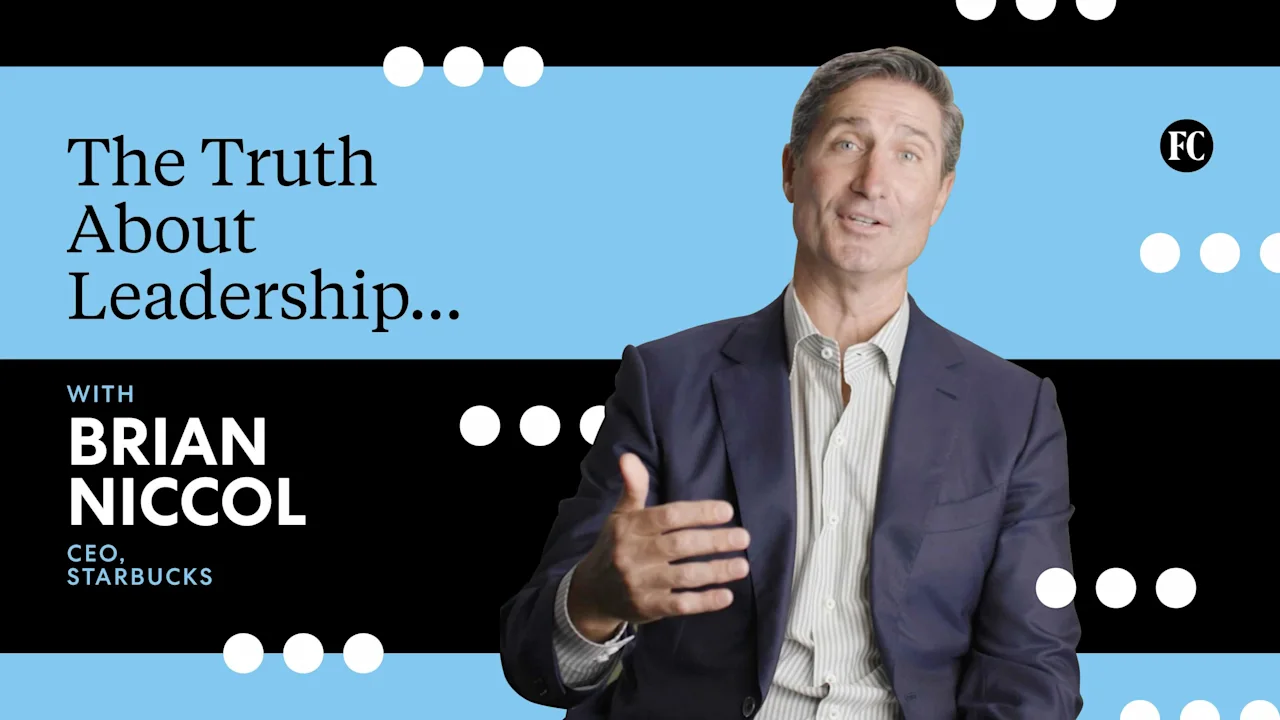

Starbucks CEO Brian Niccol Highlights Listening as a Key Leadership Strength
Brian Niccol, CEO of Starbucks, stresses that exceptional leadership relies heavily on listening more and talking less, highlighting this as an often overlooked yet vital skill for effective team management.

How Toyota's Replica American Dining Room Enlightened Executives on Culture and Consumer Insights
Toyota built a realistic American dining room model in Japan to teach executives about cultural differences and consumer expectations beyond just physical size. This immersive approach helped Toyota succeed in the U.S. market and is a vital lesson for leaders reaching new markets to understand customers' lifestyles and values deeply.


Reimagining Organizational Structures with AI: Insights from ServiceNow’s Jacqui Canney
Jacqui Canney of ServiceNow shares how AI is reshaping workflows and employee experiences by automating tasks and enhancing productivity. She highlights the need for strong change management and skill development to successfully adopt AI and stresses that leadership and organizational structures are evolving to integrate AI effectively. The episode provides practical insights on AI’s role in transforming HR and work culture, emphasizing a human-centered approach to technology.


OpenAI Announces Leadership Changes Amid Executive Medical Leaves
OpenAI has restructured part of its leadership team with COO Brad Lightcap moving to a special projects role and product chief Fidji Simo stepping away temporarily due to health reasons. This shift highlights the company's focus on balancing leadership responsibilities and executive wellness.

Jamie Dimon Highlights Significant AI Benefits in Annual Letter
In his annual letter, JPMorgan CEO Jamie Dimon emphasizes the substantial upside of artificial intelligence, particularly its potential to generate new employment opportunities and drive economic development.

Anthropic’s CEO Prioritizes Company Culture Over AI
Dario Amodei, CEO of Anthropic, dedicates a significant portion of his time to cultivating an open and challenging company culture, believing this approach is fundamental to achieving success rather than focusing solely on AI development.

When I Discovered I Was Slowing Down Our Growth
In the process of scaling a company, founders must learn to delegate effectively and trust their teams to function autonomously. Realizing when you become the bottleneck is essential for sustainable growth and operational efficiency.

Rethinking Work-Life Balance for Founders: What Truly Makes a Difference
For founders, achieving work-life balance isn't about reaching a final state but involves continuous adjustment and negotiation to manage their responsibilities effectively.

What Leaders Often Miss: How to Truly Drive Your Business Forward
Many founders struggle with leadership, causing their businesses to stall. Real progress starts with honest self-assessment and understanding the impact of your leadership style. This approach can unlock growth and help move your business out of a rut.

Unseen Burnout in High Achievers: A Leader's Overlooked Challenge
This study challenges traditional views on burnout, showing that increased burnout in high performers does not necessarily lead to decreased effort, highlighting a hidden issue leaders often overlook.

Why High-Performing Teams Benefit from Embracing Mistakes and How to Encourage This Culture
Learning at work is essential, but the method must evolve. High-performing teams improve by embracing mistakes, which serve as important moments for learning and innovation. Encouraging teams to have more ‘mistake moments’ can lead to greater growth and success.

When the Hero Always Saves the Day, It’s a Sign of Deeper Company Issues
Constantly relying on heroic efforts to meet goals often masks underlying execution problems within a company, which leaders may overlook at their own peril.

Harnessing the Exponential Potential of Generative AI Through Continuous Learning
Organizations today must shift from viewing AI as a tool for faster production to leveraging it for continuous learning and iterative improvement. By verifying, evaluating, and capturing insights from AI outputs, firms can unlock significant financial and strategic benefits. Success lies in building infrastructure that transforms AI interactions into a cycle of compounding knowledge and expertise.

The Power of Silence: How Quiet Moments Elevate Leadership
Effective leadership isn't about constant activity; it's about making time for silence and reflection. Quiet moments help leaders think clearly, improve decision-making, and build stronger connections with their teams, leading to better leadership outcomes.
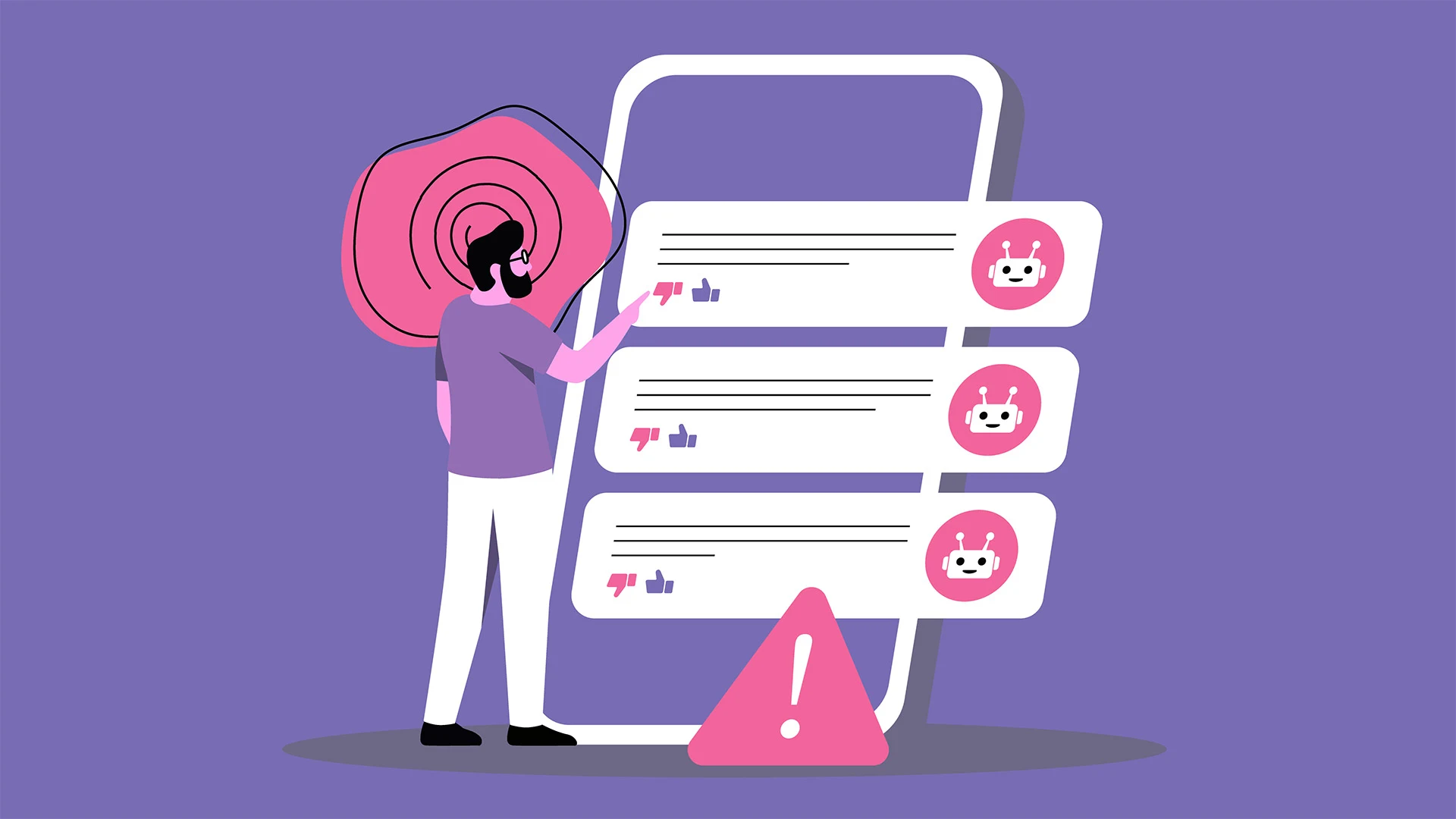
Addressing Employee Burnout in the Age of AI: Practical Leadership Strategies
As AI accelerates work processes and raises expectations, employees face heightened burnout risks. Leaders can mitigate this by fostering realistic goals, encouraging breaks, and supporting mental health initiatives to sustain a productive workforce.

How Disney Imagineering Accelerates Innovation by Embracing a Startup Mindset
Bruce Vaughn, head of Disney Imagineering, applies his tech startup expertise to boost innovation speed, resulting in captivating Disney park experiences that feel fresh and imaginative.

The Essential Inside-Out Approach for Sustainable Business Growth
This article emphasizes the importance of developing a strong internal foundation within businesses to achieve sustainable growth and prevent external failures. It highlights how internal improvements directly impact overall performance and longevity in the marketplace.

The Untold Factor Behind Steve Jobs' Unmatched Leadership
Explore a seldom-discussed aspect of Steve Jobs' leadership that offers valuable insights for leaders striving for excellence and innovation in their fields.

The Emerging Role of Managing AI in the Workplace
AI adoption in companies is accelerating, but the hidden workload on employees to manage and correct AI outputs is creating new challenges. Training is often insufficient and leadership must define clear AI use policies to ensure real productivity gains and address employee concerns about job security. Strategic focus on impactful AI applications and organizational productivity is essential for successful integration.