



Rethinking Layoffs: Humanizing a Difficult Decision
Layoffs inevitably cause pain, but their impact depends heavily on how leaders handle the process. Transparent, timely, and honest communication can preserve trust and respect, while poor execution deepens disorientation and cultural erosion. Reducing unnecessary harm through thoughtful actions, clear messaging, and ongoing support shapes how employees experience layoffs and their perception of leadership moving forward. The approach leaders take in these moments leaves a lasting impression on company culture and employee trust.
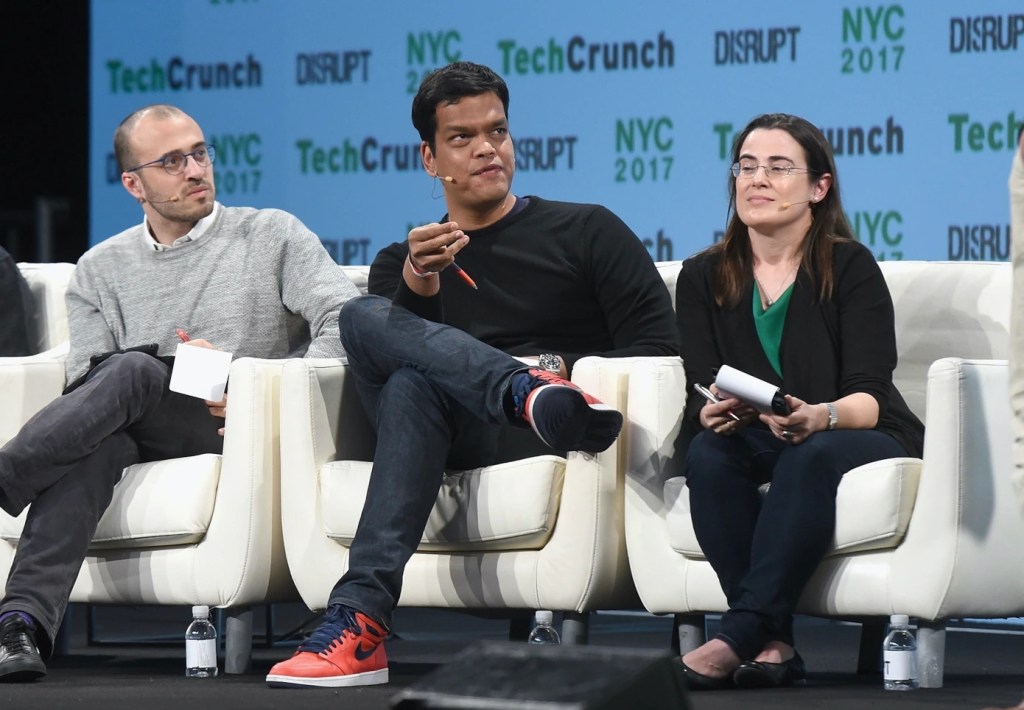

Sriram Krishnan Steps Down as White House AI Advisor
Sriram Krishnan is departing from his role as White House AI advisor to establish a new institution aimed at influencing AI policy shaped under the Trump administration. His move highlights ongoing efforts to shape the future direction of AI governance in the U.S.


Bank of England Governor Highlights Potential Need to Limit AI Usage Due to Energy Constraints
The Bank of England's Governor, Andrew Bailey, warns that AI development may face limits due to energy supply challenges. He highlights the tough decisions ahead for governments and companies in managing energy use across sectors, focusing on the balance between AI capabilities and available power resources.

How AI is Transforming the Role and Logic of Management
AI is reshaping management by enabling organizations to rethink leadership roles traditionally filled through promotion without proper training or data. By leveraging AI-driven workforce insights, managers can make data-informed decisions, improve team engagement, align strategy with execution, and enhance leadership development. This transition promises leaner management structures and stronger organizational performance, breaking the cycle of ineffective legacy approaches.

Controversy Erupts Over Siemens Chief’s New Role as EU AI Envoy Amid Industry Regulation Concerns
Jim Hagemann Snabe, Siemens chairman, has been appointed as the EU's special envoy for industrial AI, advising key leaders on accelerating AI adoption in Europe. His appointment comes shortly after Siemens' involvement in modifying the AI Act, prompting concerns about conflicts of interest and regulatory influence.

Mira Murati Returns After 18 Months With Crucial Insights on AI Governance and an Unexpected New Product
Mira Murati, known for her work on ChatGPT and DALL-E, made her first public appearance in 18 months. In an interview, she emphasized the importance of AI governance and revealed an unexpected new product, highlighting her ongoing influence in AI development.


Exploring the Impact of Employee Ownership in Business
Nineteen leaders weigh in on the practice of employee ownership, highlighting its potential to enhance employee engagement and drive company growth by aligning team members' interests with business outcomes.

From AI-Curious to AI-Fluent: 5 Habits to Boost Your Skills
Many executives are intrigued by AI but unsure how to engage with it effectively. This article outlines five easy-to-adopt habits that can help anyone become more fluent in AI, enhancing their skills over time without requiring technical expertise.

The Evolving Role of Managers: Navigating Increased Demands and Emotional Strain
Middle managers are facing growing challenges in their roles, including increased workloads, mental health struggles, and a lack of support. Surveys show many feel unprepared to support their teams' wellbeing amidst fears of AI-driven layoffs and job insecurity. Leaders must acknowledge these pressures, promote open conversations about mental health, and provide training tailored to the realities managers face today. Supporting managers is essential for organizational success and workforce health.

Canada Launches $2.3 Billion AI Initiative Inspired by Ethical Guidance from Pope Leo XIV
Canada has announced a $2.3 billion AI strategy called "AI for All," inspired by ethical discussions between Prime Minister Mark Carney and Pope Leo XIV. The framework aims to promote responsible AI development over five years, highlighting Canada’s commitment to ethical innovation in technology.

Why a Static Leadership Team Could Be Hindering Your Company's Innovation
Research shows that stable leadership teams, despite their perceived efficiency, may inadvertently suppress innovation by limiting new ideas and outside influences essential for growth. This decade-long study highlights the importance of refreshing leadership dynamics to foster innovation.

Rising Opposition to Data Centers in Cities: Insights for Business Leaders
Cities across the U.S. are imposing unprecedented bans on AI data centers, driven by three main factors. This growing resistance highlights important strategic lessons for business leaders facing regulatory and community challenges in the tech sector.

Navigating Multigenerational Dynamics in the Gen Z Workplace
This discussion highlights the challenges and opportunities of multigenerational workplaces, focusing on how leaders can leverage diverse expectations around leadership, communication, and AI to foster innovation and meet Gen Z's workplace needs.

Uber Reshapes HR Division with Nearly 25% Staff Reduction Under New President
In her new role, Jill Hazelbaker is swiftly implementing changes at Uber by reducing 23% of the People and Places division workforce, mainly senior roles, to realign the company’s human resources and workplace operations. This move reflects a strategic internal reshaping under Hazelbaker’s leadership.

Rethinking Board Recruitment: Building Trust Before the Search
Board recruiting often recycles familiar names due to risk aversion, favoring proven leaders with executive experience. Most appointments happen through networking, not search firms. The key to real change is building trust and connections long before a search begins, fostering diverse and reliable board candidates through intentional relationship-building and dedicated management.

Poland to Implement ‘Sovereignty Test’ for Tech Procurement as Tusk Highlights Risks of AI Reliance
Poland plans to introduce a sovereignty test for government tech purchases, addressing increasing concerns about dependence on foreign digital infrastructure. Prime Minister Donald Tusk highlighted the risks of excessive AI and tech reliance during his speech at the European Financial Congress, signaling a shift towards protecting national digital sovereignty.


Chief Purpose Officers: Innovative Leadership or Passing Trend?
The article examines the evolving role of chief purpose officers, analyzing whether this position is a meaningful leadership innovation or just a temporary management trend, through insights from experts in management and law.


Nespresso's Journey to Embedding Sustainability at the Core of Its Operations
Nespresso prioritizes sustainability to preserve coffee quality and future-proof its business. By improving soil health through biodiversity and supporting over 150,000 farmers with education and diversified income like beekeeping, Nespresso fosters resilient ecosystems and communities. Committed to environmental responsibility, Nespresso uses recyclable aluminum capsules and invests heavily in recycling programs to ensure their sustainability goals are met. This approach is central to the company's identity and strategy.

Why AI Hasn't Yet Revolutionized Finance Functions
Christian Gralingen's research reveals that AI's impact in finance is limited not by technology but by leadership practices that prioritize control over experimentation and adaptation. Finance faces a paradox: maintaining reliability while embracing change. Success with AI requires shared vigilance, routine trials, scenario planning, and spreading innovations, supported by a CFO who fosters a culture of learning and experimentation. Transforming leadership approaches is key for AI to become truly transformative in finance functions.

Driving Large-Scale Value with Generative AI: Insights from Swiss Industry Leaders
A multi-year study of 23 Swiss companies highlights that scaling generative AI successfully requires an "AI spine"—a centralized, cross-functional team integrating domain and technical expertise which enables continuous improvement and cross-unit project coordination. This approach has driven significant efficiencies and new revenue streams in banking and medical coding sectors. Unlike traditional AI structures, the AI spine is independently funded and overseen by executives, ensuring agility and strategic alignment. The model emphasizes collaboration, measurable value, and agile iteration to maximize generative AI's transformational potential.