



Three Essential Actions Leaders Must Take to Maintain Human Judgment in the Age of AI
Leaders risk losing vital human judgment by over-relying on AI for decision-making. To prevent this, they should protect time for reflective work, reward thoughtful decisions, and model critical evaluation of AI output, ensuring technology supports rather than replaces human insight.

From Statement to Strategy: How to Truly Embed Your Purpose in Your Organization
Many organizations craft purpose statements that fade into the background without real impact. True success comes from embedding purpose into decision-making, aligning projects, and maintaining accountability. This approach leads to greater engagement, measurable social impact, and financial growth, as seen in companies like Places for People and Kiwibank. Purpose activated through honest measurement and alignment offers a crucial competitive edge in today's complex environment.

How to Communicate Your AI-First Strategy Without Alienating Your Team
Effective communication about AI adoption is crucial to avoid damaging trust and morale. Leaders must be transparent about workforce changes and show empathy to navigate the transition smoothly.


GenAI Impact Beyond Time Savings: Transforming Work Dynamics in Higher Education
A four-year study at a U.S. public college shows that generative AI transformed work processes by enhancing clarity, decisiveness, and efficiency rather than merely saving time. AI helped executives communicate more decisively, enabled operational leaders to speed decision-making, and improved student-facing professionals’ resolution efficiency. These changes reduced unnecessary meetings and escalations, keeping staffing stable while boosting productivity and organizational resilience. Leaders should evaluate AI impacts by changes in work dynamics and communication rather than time saved alone.


Citi CEO Jane Fraser Highlights Dual AI Challenges Shaping Banking's Future
Citigroup CEO Jane Fraser discusses two critical AI challenges in banking: using AI to innovate and grow revenue, and deploying it defensively to protect operations. This dual approach underscores AI's vital role in shaping the future of financial services.

Rethinking AI Adoption: Leading Change with Clarity and Care
AI adoption struggles stem from gaps between leadership expectations and employee realities. Understanding employee concerns, setting clear goals, connecting AI use to meaningful work, and integrating AI seamlessly into workflows can transform AI engagement from resistance to opportunity.


Cooper Warns AI Could Pose Catastrophic Global Threat Without International Regulations
Foreign Secretary Yvette Cooper warns that without global regulations, AI could threaten humanity on a catastrophic scale, comparable to Hiroshima. She calls for international cooperation, especially between leading nations like the US and China, to manage AI development responsibly. This challenge is expected to shape foreign policy priorities amid other global risks such as climate crisis and migration.

Macron and Modi Lead the Charge in Securing AI Infrastructure Through Strategic Personal Engagements
French President Emmanuel Macron and Indian Prime Minister Narendra Modi are taking a hands-on approach in the global AI infrastructure race by personally connecting with major tech company leaders. Their efforts focus on attracting key data center investments, which will be crucial for developing next-gen AI technologies, highlighting the role of personal diplomacy in tech advancement.

Industry Leaders Share Insights on AI's Impact on Creativity in Business
CEOs and executives from major companies shared how AI is transforming creativity by working alongside human talent. They stressed that AI enhances rather than replaces people, especially when combined with human intuition and curiosity. Investment in both AI and employees is key to unlocking innovation and personalized experiences, with AI serving as a powerful amplifier for creative capabilities.
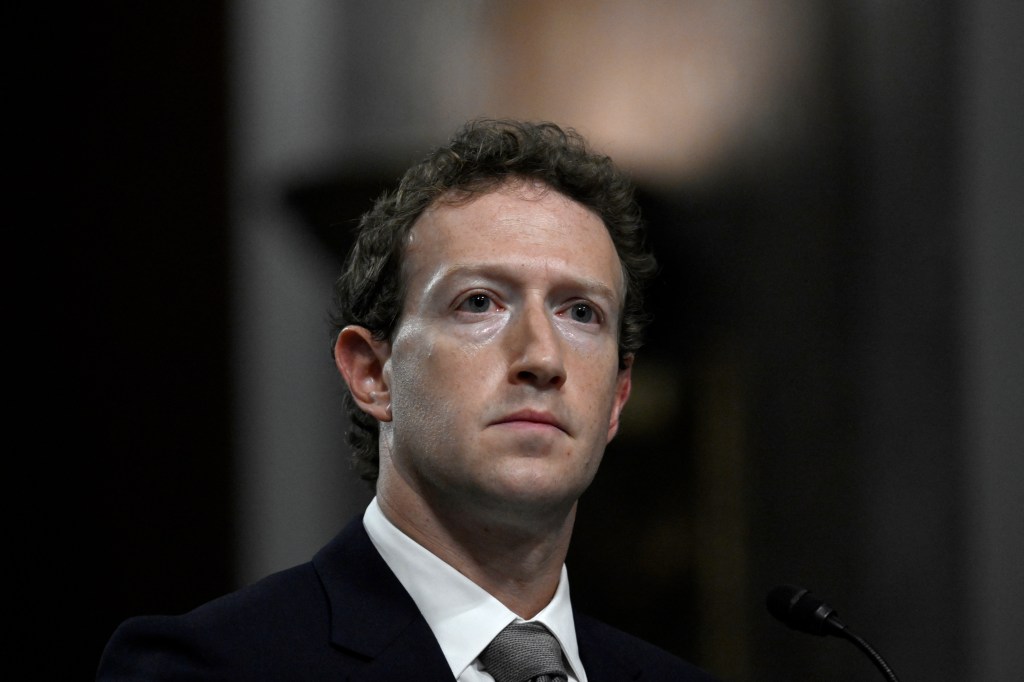

Mark Zuckerberg Acknowledges Slower Progress in AI Agent Development at Meta
Mark Zuckerberg has shared during an internal meeting that the development of AI agents at Meta is progressing slower than hoped. This admission highlights challenges faced by the company in accelerating AI innovation.

The Irreplaceable Career Advantage in the Age of AI
In 2026, AI is not simply replacing humans but reshaping the workforce by highlighting human skills like judgment, empathy, and trust as critical career assets. Despite massive AI investments, companies find human expertise offers a premium advantage that technology cannot replace, signaling a new era where human connection and leadership become the most valuable differentiators.

Why AI Strategy Can't Be Driven by Panic
Many organizations' AI strategies stem from panic rather than genuine transformation, leading to superficial implementations with poor ROI. Real success comes from redesigning workflows, empowering business users, and focusing on leveraging AI to create new value. Leaders must move beyond panic-driven actions to achieve lasting impact.


Why Bose is Reinventing Itself as an Entertainment Powerhouse
Bose is transitioning into the entertainment sector by establishing a new division. Their CMO's decision to avoid creative agencies for the last five years aligns with this strategic transformation, reflecting a bold, independent marketing approach that supports their evolving business model.


OpenAI CFO Sarah Friar Supports Tapestry VC’s $80 Million Fund III
Tapestry VC is launching an $80 million Fund III with backing from notable investors including OpenAI CFO Sarah Friar. The fund aims to support repeat founders, emphasizing the firm's strategy to invest in experienced entrepreneurs and foster business growth.

Autodesk's Dara Treseder on When Marketers Should Rethink AI Usage
Autodesk CMO Dara Treseder discusses the complex relationship marketers have with AI, emphasizing its role as a tool to support—not replace—human creativity. At Cannes Lions, she praises Nike and Adidas for unique World Cup campaigns, and highlights the growing influence of CMOs as strategic business leaders responsible for revenue and innovation. She believes the smartest marketers balance AI use with human judgment to navigate today’s marketing landscape.


Breaking the Efficiency Myth: Why More Presentations Don’t Guarantee Smarter Choices
In an AI-powered workplace, true value stems from judgment and clarity rather than volume. Professionals must move beyond producing more content to delivering strategic insights that drive confident leadership decisions.


Why Perspective is Key for Leaders in the AI Era
As AI takes on more roles, leaders' ability to apply perspective and judgment becomes critical. These human qualities will distinguish effective leadership in technology-driven environments, shaping better decisions and fostering stronger guidance.

Rethinking Your Operating Model: Embracing Continuous Transformation and Leadership
Enterprise agility demands ongoing transformation, cross-functional accountability, and leadership that fosters a culture of learning and experimentation. Organizations must frequently update their operating models and align leadership to support change effectively. This approach equips businesses to navigate disruption and maintain a competitive edge in today’s dynamic market.

Beyond the AI Buzz: How Executives Are Delivering Real Returns
Companies looking to harness AI’s full potential must shift from hype to strategy, partnering with trusted experts to turn AI projects into tangible ROI.

Mark Zuckerberg Addresses AI Job Displacement Concerns Amid Meta Layoffs
Mark Zuckerberg addressed fears that AI will cause mass job losses, stating that empowering individuals through productivity could create more jobs, not fewer. Despite Meta’s layoffs, he emphasized a balanced AI approach focused on enhancing human potential rather than automation alone. Zuckerberg also highlighted Meta’s AI advances and optimism for future tech like Meta Glasses, envisioning them as a key computing platform.