


Supporting Your Workforce Through Stress: Leveraging Technology for Mental Wellbeing
Economic instability and concerns about job security are lowering productivity among younger workers. Implementing technology-driven support systems can effectively help employees manage stress and stay productive.

How Corporate Social Responsibility Enhances Workplace Culture
Corporate Social Responsibility (CSR) practices not only support communities but also help companies attract better talent and increase employee engagement, ultimately creating a more positive and productive workplace environment.


Bridging the Skills Gap with AWS Certifications: Insights from Diana Godwin of Amazon
Diana Godwin of Amazon Web Services discusses the role of AWS Certifications in addressing the skills gap amidst the rise of AI, highlighting their importance in entry-level hiring and workforce development.


OpenAI Enables Employees to Donate Equity Shares to Charity
OpenAI has finally permitted employees and former employees to donate their equity shares to charity, addressing long-standing requests. This change allows substantial charitable contributions from equity deals, marking an important shift in company policy after a delay of about 18 months.


How AI is Redefining Skill Measurement in the Workplace
Christian Yao discusses how AI is shifting traditional metrics of evaluating employee skills, changing what it means to excel professionally in today's evolving workplace environment.
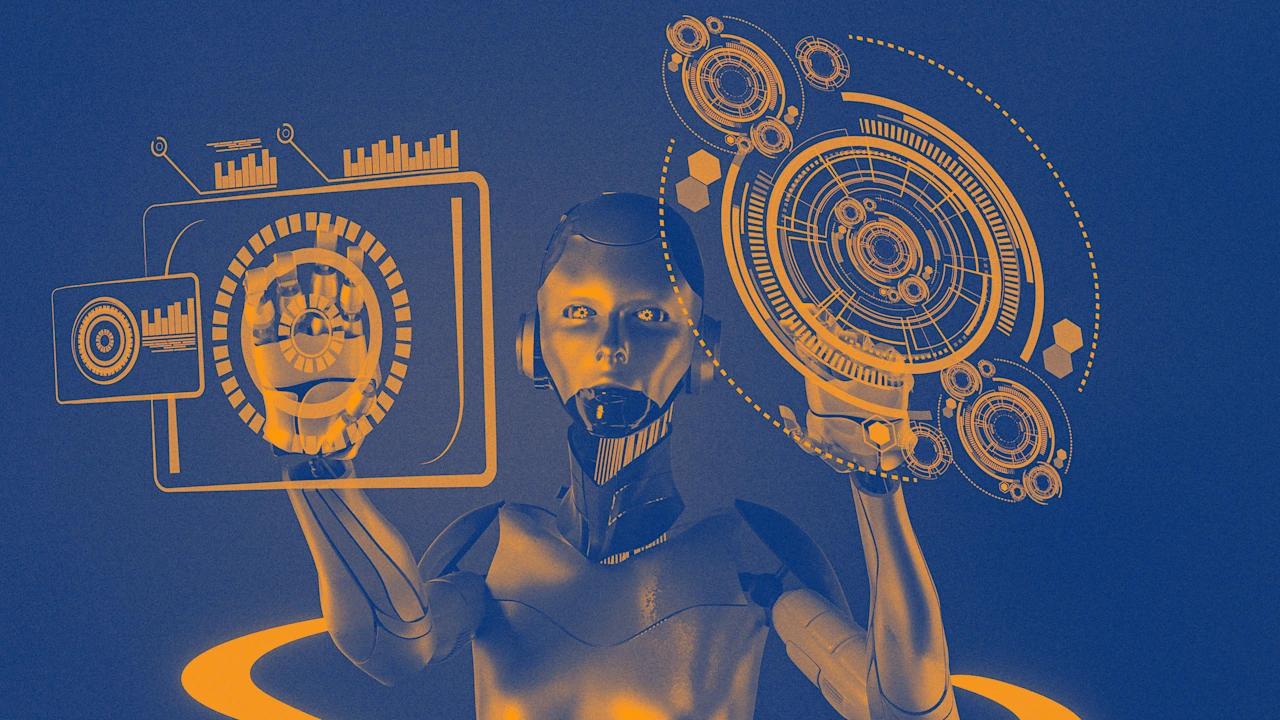

Frontline Workers Urge Greater Transparency from Companies on AI Implementation
Many frontline workers in sectors like healthcare and retail are unaware or uninformed about AI integration in their workplaces. Although AI adoption is widespread and generally viewed positively, communication from employers about its use is lacking, causing mistrust and resistance among employees. Frontline workers want more transparency and involvement to fully benefit from AI technologies.

How Gen Z is Influencing Changes in Workplace Emergency Procedures
Gen Z's integration into the workforce is changing traditional workplace emergency response strategies by introducing fresh ideals and expectations, highlighting their influence on improving safety and work-life balance.

Exploring the Impact of AI-Driven Recruitment on Ireland's Tech Sector
Liam Whelan of Talent Hunter discusses how AI-powered recruitment is shaping Ireland's tech sector, highlighting both the advantages and potential pitfalls of this evolving technology-driven approach.

Why Top Talent Drops Out of Job Applications and How to Prevent It
Qualified candidates often quit job applications because of time-consuming and complex application processes, leading to missed opportunities for employers to secure top talent. Simplifying these processes can improve recruitment success.

Leveraging AI to Enhance Workforce Efficiency
The effectiveness of AI in your company hinges on careful decision-making by management to ensure positive outcomes and avoid potential drawbacks.

Mastering Performance Management: Insights from Greenhouse and Wagmo CEOs
Daniel Chait and Christie Horvath, CEOs of Greenhouse and Wagmo respectively, discuss effective strategies and challenges in performance management, highlighting its importance in leadership and organizational success.

Mastering the Art of Feedback: Insights from Leading CEOs
This episode of 'Your Next Move' features Daniel Chait and Christie Horvath discussing how top CEOs improve their feedback skills through better performance management techniques. They share insights on making feedback a productive and growth-oriented process within organizations.

Why Employees Are Personally Funding Their Skill Development
Recent data indicates that as employer support diminishes, employees are increasingly paying for their own skills training, or abandoning their personal development goals altogether due to financial constraints.

How AI Automation Elevates Human Skills and Career Resilience
AI automation challenges job security, especially for young workers, but emphasizes the importance of human skills like emotional intelligence and leadership. While AI replaces routine tasks, it also augments higher-level work, creating opportunities for workers who adapt and upskill. Employment trends show stable wages despite some entry-level job declines. Human excellence remains crucial to complement AI, with a growing demand for skilled professionals who can thrive alongside AI technology.


Originality, Not AI, Secures Your Future — Here's How to Stay Unique
As automation advances, relying on efficiency alone makes workers replaceable. Authenticity and original ideas are now the true forms of job security in an AI-driven era.

AI is Transforming Work: How to Safeguard Your Career
AI advancements are enabling automation of many tasks within companies, boosting profits but threatening job security in America. Understanding how to navigate this shift is crucial for career protection.

Mentorship: The Key to Closing the Gender Leadership Gap Beyond Upskilling
AI-driven job changes risk worsening the leadership gender gap as traditional upskilling falls short. Intentional, experience-based mentorship—focused on representation, confidence, and real-world learning—proves essential in empowering women to advance into leadership. Companies must invest in authentic mentorship programs with leadership support to cultivate diverse future leaders and bridge the gender divide.

How to Revitalize Leadership Through Human Connection in 3 Key Steps
Effective leadership hinges on fostering a culture where authentic connections between people thrive, leading to enhanced engagement and organizational success. This approach can be achieved through three actionable steps that emphasize humanity in leadership roles.

Replacing Workplace Toxicity with Employee Engagement
Toxicity in the workplace severely damages organizations by depleting resources and morale. Instead of merely managing it, companies should focus on fostering genuine employee engagement to create a healthier, more productive environment.


October Sees Highest Job Layoffs in Decades Amid Hiring Slowdown
In October, job cuts surged to their highest level since 2003, accompanied by a significant slowdown in hiring, which fell to its lowest point in 14 years, indicating a challenging labor market environment.