


Why Emotional Intelligence Outshines AI in Franchises and Frontline Teams
Though AI transforms operational aspects of businesses, success in franchises and frontline teams still hinges on Emotional Intelligence—the ability to connect, understand, and lead people effectively. This human factor outperforms AI when it comes to building strong teams and customer relationships.


How to Improve Your Change Management Skills and Win Over Your Team
Change is inevitable in business, but managing it well can be challenging for many managers. This article offers actionable tips to help leaders improve their change management skills, ensuring smoother transitions and stronger team confidence.

Bridging the Gap: Empowering Employees to Connect and Thrive in a Digital-First Era
In today's digital-first workplaces, employees often face isolation despite being constantly connected through technology. Creating a supportive and engaging work environment that fosters real connections is essential for employee well-being and productivity.


Emerging Workforce Trends to Watch in 2026
In 2026, workforce dynamics are shifting with AI integration, skills-first hiring, and a tough market for new graduates. Organizations adopting these trends gain a competitive advantage by attracting talent, improving productivity, and fostering innovation.


Specialized Expertise Reshapes AI Model Training and Data Labeler Compensation
HireArt’s 2025 report highlights the increasing preference for subject matter experts in AI training roles, signaling a shift from generalist data labelers and impacting compensation. This change underscores the AI industry's evolving demands and workforce trends.

The Critical Flaws in Corporate AI Training Programs
Most companies overlook the necessity of effective AI training, resulting in employees being unprepared and hesitant to embrace AI tools. This gap highlights a significant challenge in workforce development as AI integration becomes essential by 2030.

Google Research Reveals a Simple 10-Minute Chat That Boosts New Employee Productivity
Google's research highlights the power of a brief, purposeful conversation between leaders and new hires, increasing immediate productivity by 25%. This simple 10-minute exchange fosters better integration and effectiveness from day one.

Are Your Top Employees Juggling Multiple Jobs During Work Hours?
The concept of 'dualling' sheds light on employees who work for multiple employers simultaneously during their regular hours, often without any employer knowing. This practice raises concerns distinct from usual moonlighting or freelancing outside office hours.

The AI-Driven Evolution of Work: How Leading Companies Adapt Today
AI is rapidly becoming integral to modern work, pushing companies such as ServiceNow and Weber Shandwick to rethink workforce strategies and adapt to new roles shaped by this technology. This shift highlights AI's transition from a trial phase to a standard expectation in business operations.

Preventing AI Burnout to Retain Top Talent in Recruiting
AI has transformed recruitment by speeding up hiring processes but may cause burnout among applicants and recruiters. Balancing AI use is crucial to maintaining a positive experience and retaining top talent.

Effective Approaches for Managing Challenging Direct Reports
This article provides actionable insights on identifying and effectively managing various challenging direct reports by applying tailored strategies to improve leadership outcomes and team harmony.

Google to Increase Green Card Applications in 2026: Restrictions Apply
In 2026, Google will boost PERM application filings, affecting visa holders pursuing green cards. However, certain employees will not meet the eligibility criteria, indicating selective application increases.
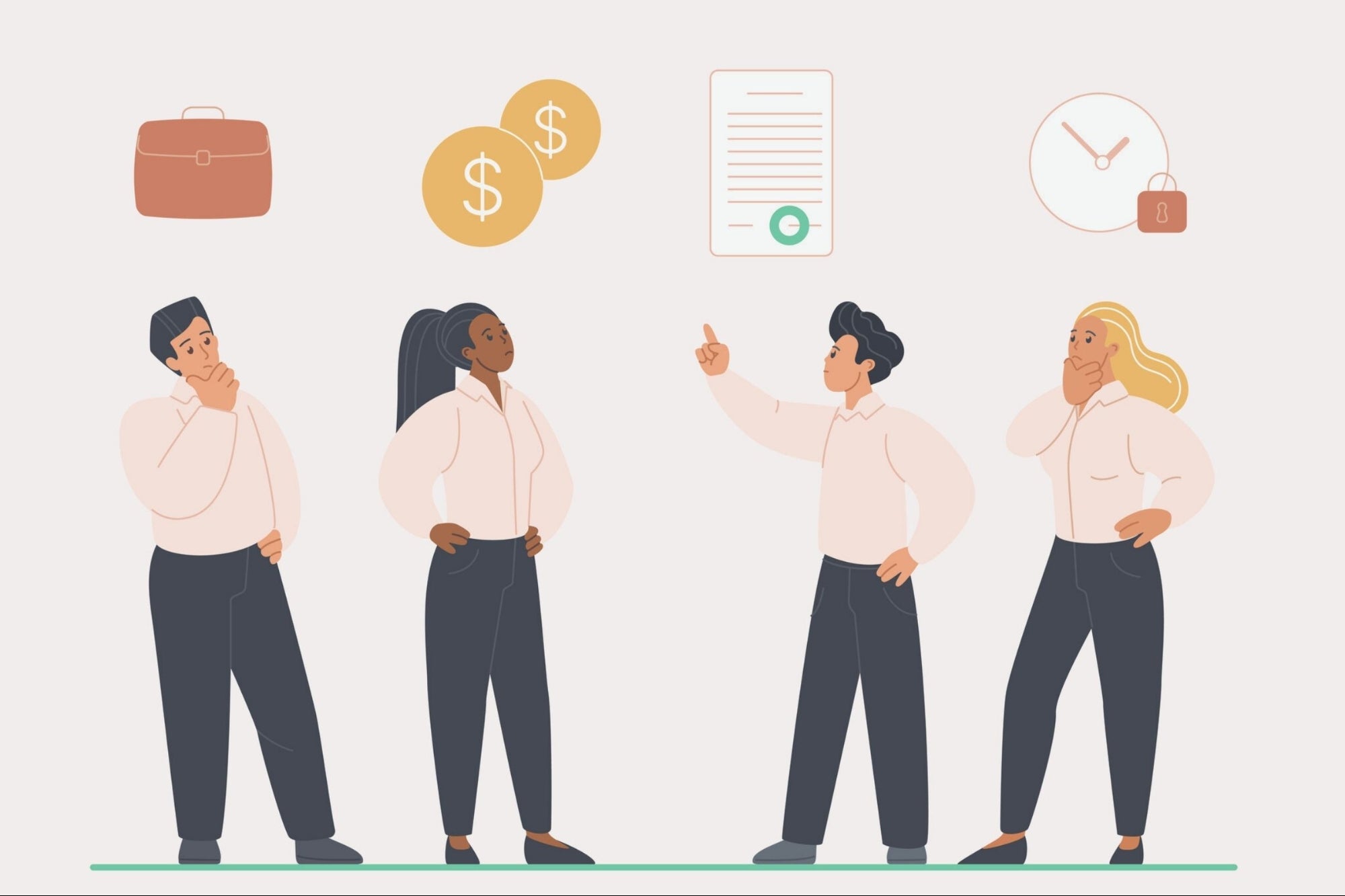
Why Employee Perk Programs Are Essential and Where Most Companies Fall Short
As burnout increases and job loyalty declines, employee perks have become a critical element of company culture. Properly designed and implemented perks can improve employee satisfaction and reduce workplace stress, making them essential for modern organizations.


Visa Concerns Prompt Google and Apple Employees to Avoid International Trips
Google and Apple have alerted their employees who require visa stamps to re-enter the U.S. to refrain from international travel. This is because of prolonged visa processing times that could disrupt their return, as advised by the companies' legal teams.

How Leadership Rewards Influence Company Culture
The way leaders reward behaviors within a company directly influences its culture. When organizations recognize and reward love and kindness, it creates a multiplying effect, strengthening the overall workplace environment and encouraging a culture of mutual respect and support.


Why Generalists Are Thriving in the Age of AI
As AI rapidly reshapes technology, generalists who adapt quickly and take ownership are becoming more valuable than traditional specialists. Tony Stoyanov emphasizes that companies should prioritize adaptable builders with broad skills, as they drive innovation and growth in the fast-changing AI landscape.

The Hidden Impact of Loneliness on Leadership and Company Culture
Managerial isolation, intensified by constant connectivity expectations, can negatively influence both leaders and their companies, highlighting the need for addressing loneliness in leadership roles to improve organizational health.

Consultants Emerging as Key Players in Executive Roles
Layoffs have driven top-tier professionals into consulting, creating fertile ground for new business opportunities and partnerships between companies and consultants.


UK Actors Reject Digital Scanning to Combat AI Misuse
UK actors from Equity union reject digital scanning to protect their image from AI misuse, with 99% support. They warn productions could be disrupted if protections aren't established.

Bridging the AI Skills Gap in New Graduates: A Business Imperative
New graduates often lack AI skills critical for today's jobs since educational institutions discourage AI use, yet businesses depend on it heavily. It's essential for business leaders to bridge this skills gap to avoid operational setbacks.