


Why Your HR Team Is Your Company’s Most Honest Ally
The HR department, often viewed with skepticism, plays a crucial role in providing honest and necessary feedback that helps organizations stay aligned with their true operational challenges and opportunities. Far from slowing down progress, HR offers a reality check that benefits the entire company.

Meta Begins Global Layoffs of 8,000 Employees to Accelerate AI Initiatives
Meta is restructuring its workforce by laying off 8,000 employees globally while shifting 7,000 to new AI roles and cutting 6,000 job openings. This move underscores Meta's commitment to advancing its artificial intelligence capabilities.


Intuit Cuts 17% of Workforce Amid AI Push, Shares Drop
Intuit is laying off 17% of its workforce to focus on AI integration and operational efficiency amid a broader tech industry shift. Despite cuts, the company recently posted strong quarterly earnings. Severance packages and office closures are part of the restructuring.


Report Reveals Nearly 50% of Irish Employers Reducing Entry-Level Hiring
A recent study by IrishJobs indicates that almost half of Irish employers have decreased their entry-level hiring, with a notable shift towards recruiting candidates with specialized skills, particularly in AI.

Amazon and Walmart Employees Express Concerns Over AI-Driven HR Decisions
Workers at Amazon and Walmart voice anxiety over AI handling HR decisions, highlighting concerns about job security, diminished human interaction, and the challenges of automation impacting work conditions and training. Advocacy groups call for greater transparency and worker protection.

Why Companies Should Rethink Job Cuts in the Age of AI
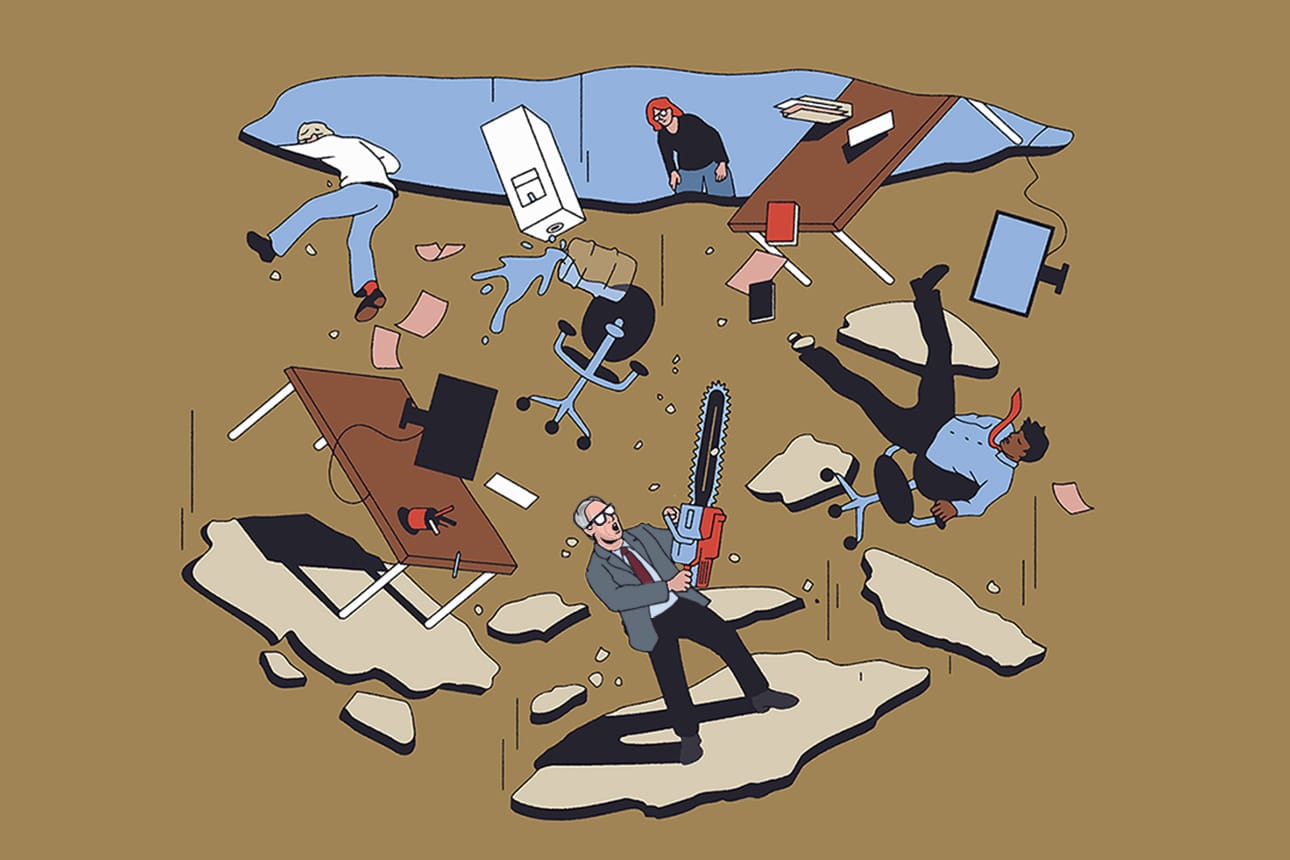
AI's rise threatens many entry-level jobs, pushing companies to cut costs by reducing hiring. Yet, this shortsighted focus risks undermining future leadership pipelines and overall economic health. Drawing parallels to corporate inaction on climate change, the article urges businesses to reconsider layoffs, invest in human talent, and support policies that balance AI innovation with societal well-being for long-term prosperity.

Balancing Innovation and Caution: AI in the Modern Workplace with Andrew Palmer
Andrew Palmer of The Economist discusses how organizations can responsibly integrate generative AI by balancing innovation with caution. He shares practical examples from editorial processes, explores AI's impact on recruitment and workplace management, and underscores the importance of human oversight and nuanced adoption for sustainable success.


Standard Chartered to Slash Over 7,000 Jobs as AI Transforms Operations
Standard Chartered is set to eliminate over 7,000 jobs in the coming years due to increased adoption of AI technology. The bank intends to shift some staff into different roles while enhancing efficiency and profitability amidst rising competition.


Meta to Cut 8,000 Jobs Amid $145 Billion AI Infrastructure Investment Backed by Record Profits
Meta is cutting 8,000 jobs starting May 20, the biggest layoff since 2023, as the company redirects focus and funds towards a $145 billion investment in AI infrastructure, canceling 6,000 open roles to prioritize technological growth.


Salesforce CEO Marc Benioff on Using AI to Track Employee Interactions — What This Means for Your Workplace
Marc Benioff shares how AI capabilities in common workplace software allow employers to closely monitor employee discussions, raising important questions about privacy at work.

Rethinking HR for Capability-Driven Talent Management
Modern organizations need to shift from conventional role-based HR systems to capability-driven talent management platforms. This approach better supports workforce agility and prepares companies for evolving market demands by focusing on employees' skills and potential rather than fixed roles.

The Impact of Diverse Leadership Perspectives on Business Success
Research shows that lacking interpersonal diversity in leadership results in organization-wide blind spots affecting both executives and staff, ultimately influencing company performance.
Is AI Poised to Transform the Role of Job Recruiters?
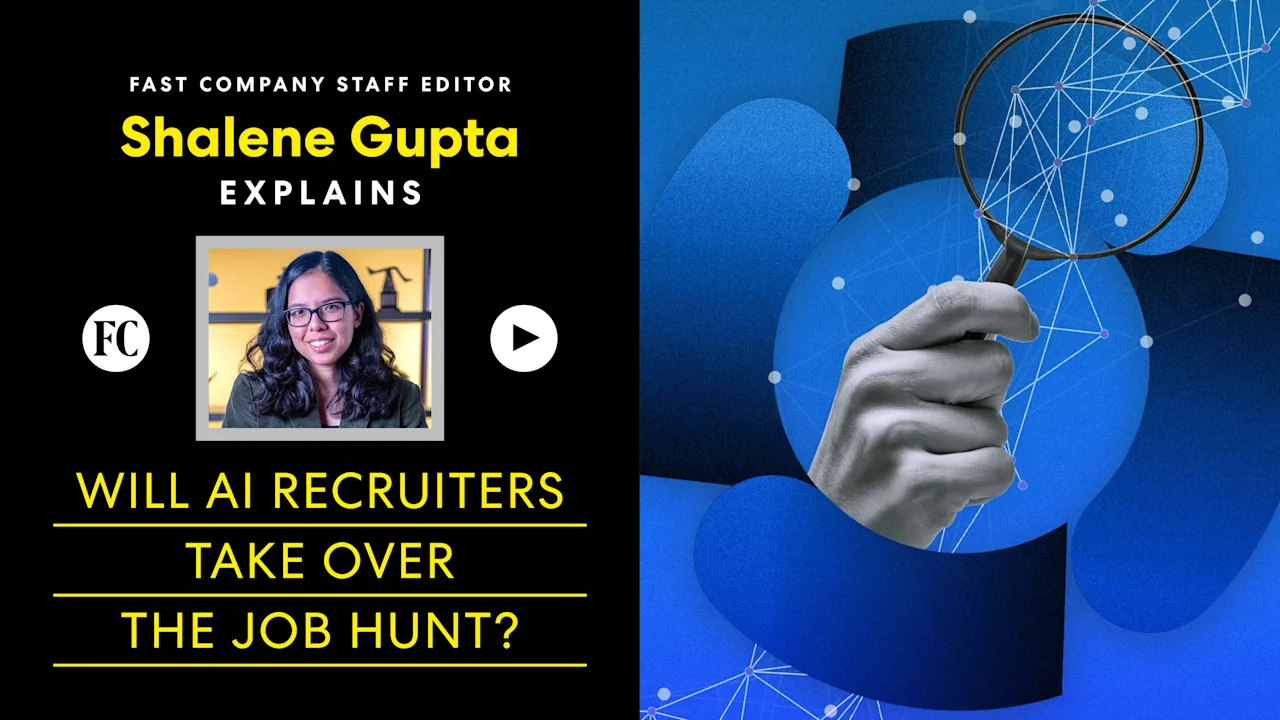
AI is rapidly changing recruitment by introducing tools like AI-screened interviews and smart match platforms, raising questions about the future role of human recruiters in the hiring process.

Bridging the Skills Gap Through Strategic Employer-Educator Partnerships
Employer-educator collaborations are essential to addressing workforce skill gaps, especially for middle-skills jobs. Via co-designed curricula and stackable credentials, such partnerships align education with labor market needs, improving hiring and retention. Programs like IBM’s P-TECH and Toyota’s FAME demonstrate how intentional design can deliver meaningful career pathways, better student outcomes, and stronger talent pipelines.


Tech Firms Reopen Hiring with a Strategic Twist
Tech companies have resumed hiring but are focusing on attracting undervalued talent, leveraging the current market conditions to find skilled candidates at advantageous rates.

Seven Emerging Job Titles Shaped by AI, From Claude Evangelist to Chief AI Officer
AI technology is driving the creation of new job roles, blending innovative positions with reinvented traditional jobs, reflecting a significant transformation in organizational structures and hiring practices.

GM, Ford, and Stellantis Slash 20,000 White-Collar Jobs Amid Emerging AI Impacts
GM, Ford, and Stellantis have reduced more than 20,000 white-collar jobs in the U.S. since early this decade, shrinking their combined salaried workforces by 19%. The trend intensified recently with GM cutting hundreds of IT positions. Advancements in AI technology are expected to speed up workforce reductions further in these automakers' corporate ranks.
Bridging the Gap: Aligning Executive AI Goals With Employee Needs
There is a noticeable gap between CEO expectations for AI and the actual experiences of employees. Successful AI integration requires executives to focus on critical strategies that align their vision with employee needs, fostering effective implementation and collaboration.

Why Succession Planning Fails in Most Companies—and How to Fix It
Succession planning often fails because companies focus too much on promotions instead of early leadership development. The real strategy for identifying future leaders starts well before anyone steps into a higher role, emphasizing long-term growth and preparation within the company culture.

5 Key Reasons Why Teams Struggle and How to Overcome Them
High-performing teams don’t just happen. Beyond individual talent, success hinges on open communication, shared goals, clear decisions, and strong connections. Many teams falter because they avoid tough conversations, prioritize department interests over the organization, lack clarity, delay decisions, or undervalue human connection. Addressing these root causes builds trust, momentum, and exceptional results.