


Top 5 Health AI Developments to Watch as 2026 Begins
This update covers the five major advancements in health AI over the last month, showcasing breakthroughs that are shaping the future of healthcare technology as we move into 2026.


Doctors See Potential for AI in Healthcare Beyond Chatbots
OpenAI and Anthropic have launched AI products tailored for healthcare, highlighting a growing acceptance among doctors of AI's role in medicine. However, there remains some doubt about the suitability of chatbots for healthcare applications.

Converge Bio Secures $25M in Series A Funding Led by Bessemer, Supported by Tech Leaders from Meta, OpenAI, and Wiz
Converge Bio, an AI-focused drug discovery startup, raised $25 million in Series A funding led by Bessemer Venture Partners with support from executives at Meta, OpenAI, and Wiz, underscoring significant investor confidence in AI healthcare innovation.


OpenAI Acquires Torch, a Health-Tech Startup, for $100 Million
OpenAI has purchased health-tech firm Torch for $100 million, aiming to combine Torch's offerings with ChatGPT Health to advance healthcare technology.


Top 5 Strategies to Enhance Workplace Productivity Based on McKinsey's Study of 115 Initiatives
McKinsey's comprehensive review of 115 programs reveals effective methods for boosting workplace productivity by focusing on employee health and wellbeing initiatives that benefit companies and their people alike.


Visionaries in Space, Healthcare, and AI Share What Will Shape 2026
Leaders in space, healthcare, and AI reveal their visions for 2026, focusing on accelerating antibiotic development, sustaining American space presence, advancing drug innovation in microgravity, and applying AI for precision medicine. These innovations promise to shape how we address urgent challenges in medicine and exploration.
Anthropic Launches Claude for Healthcare Shortly After OpenAI Reveals ChatGPT Health
Anthropic has released Claude for Healthcare, an AI solution targeted at the healthcare sector, shortly after OpenAI unveiled its own ChatGPT Health offering. This marks a rapid advancement in AI tools specifically designed for medical applications, highlighting growing competition in the healthcare AI market.
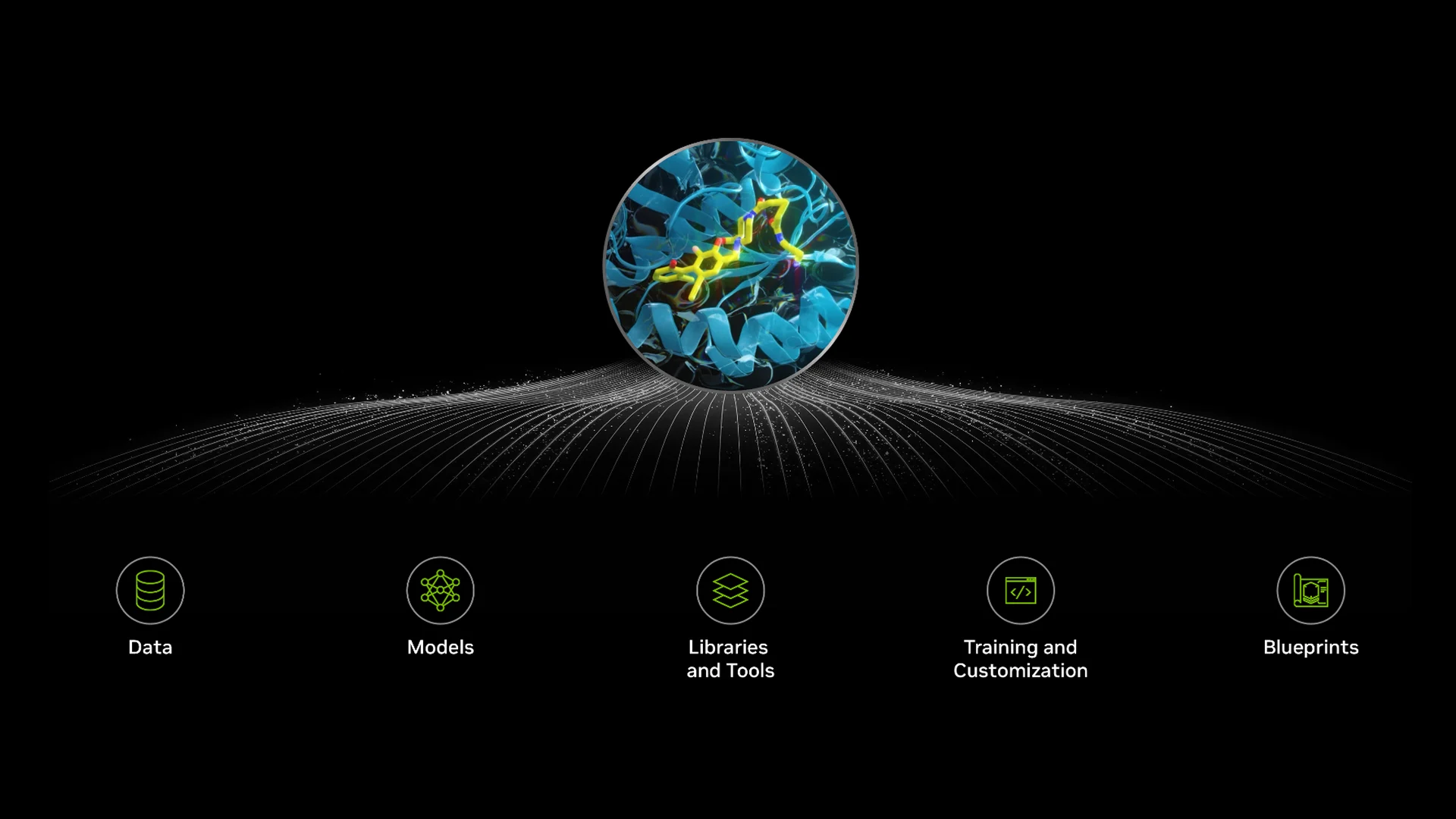

Nvidia and Eli Lilly Partner to Launch AI-Powered Drug Discovery Lab
Nvidia and Eli Lilly are collaborating on a multiyear AI-driven drug discovery lab, combining Eli Lilly's pharmaceutical expertise with Nvidia's cutting-edge hardware to speed up drug development and innovation.

Haemonetics Acquires Galway-based Vivasure Medical for €185 Million
Haemonetics Corporation has purchased Galway's Vivasure Medical in a €185 million deal to expand the reach and development of Vivasure's innovative PerQseal medical technology. This acquisition is expected to strengthen Haemonetics' position in the medtech industry.

AI Chatbots Venture into Health Advice: Can You Rely on Them?
AI chatbots are beginning to provide health advice to consumers, but this development brings significant concerns about the reliability and potential risks of AI-driven medical recommendations.

Google's AI Healthcare Blunder Highlights Industry Risks
Google recently faced criticism for errors in AI-generated medical content, underscoring the risks of relying on AI in healthcare. Meanwhile, Anthropic is making significant progress in this sector, signaling ongoing innovation and competition.

Revolutionary Advances in Asteroid Defense, Cancer Treatment, and Neurotechnology Innovation
Scientific advancements are transforming asteroid defense, cancer treatment via immune system mapping, and neurotechnology for cognitive and sleep enhancement. These interdisciplinary efforts, supported by AI, promise significant improvements in human health and safety.


Anthropic Enters Healthcare Market Following OpenAI's Recent Launch
Anthropic has expanded its AI offerings with Claude for Healthcare, targeting professionals and patients in the healthcare industry. This launch comes just a week after a similar initiative by OpenAI, highlighting growing competition in AI-driven healthcare solutions.


Google Pulls Back AI Health Summaries Following Safety Concerns
After a Guardian probe uncovered misleading health details in Google's AI summaries, the company has withdrawn some content to ensure user safety, despite asserting their general reliability.

NASA Conducts Its First-Ever Medical Evacuation from the International Space Station
NASA is making history with its first medical evacuation from the International Space Station, returning the crew early due to an astronaut's health issue. While the condition is stable and details remain private, this careful move underscores NASA's commitment to astronaut safety amid ongoing space operations.


ChatGPT's Growing Role in Personal Health Management
ChatGPT is increasingly becoming a regular tool for personal health inquiries, serving as a trusted and non-judgmental resource. Products often mirror user habits, and this shift is influencing how companies design health-related technologies.

Amgen Buys UK’s Dark Blue Therapeutics for $840 Million to Boost Cancer Research
Amgen's $840 million acquisition of the UK biotech Dark Blue Therapeutics is set to enhance its research capabilities and speed up the creation of new cancer treatments.

The Human Side of AI in Behavioral Health: Transformations to Expect in 2026
In 2026, AI will enhance behavioral health by reducing clinician administrative burdens and enabling deeper patient care. Key changes include personalized therapy, improved workflow efficiency, stronger AI transparency for trust, better staff well-being support, and outcome-based resources. These advances promise increased access, quality, and sustainability in behavioral health care while preserving its essential human connection.

OpenAI Introduces ChatGPT Health as Weekly Health Queries Hit 230 Million
OpenAI is preparing to release ChatGPT Health, a new feature designed to facilitate focused conversations about health topics. This launch responds to the growing demand, with users asking ChatGPT health-related questions 230 million times per week.

OpenAI Launches ChatGPT Health, Integrating AI with Personal Medical Data
OpenAI has unveiled ChatGPT Health, a specialized AI tool that integrates users' medical records and wellness apps to provide personalized health insights. Developed with input from hundreds of doctors worldwide, it emphasizes data security and privacy, serving as a supportive resource rather than a replacement for professional care. Currently in limited beta, it's set to expand availability soon.